
Can Dogs Eat Chorizo? Safety Tips for Pet Owners
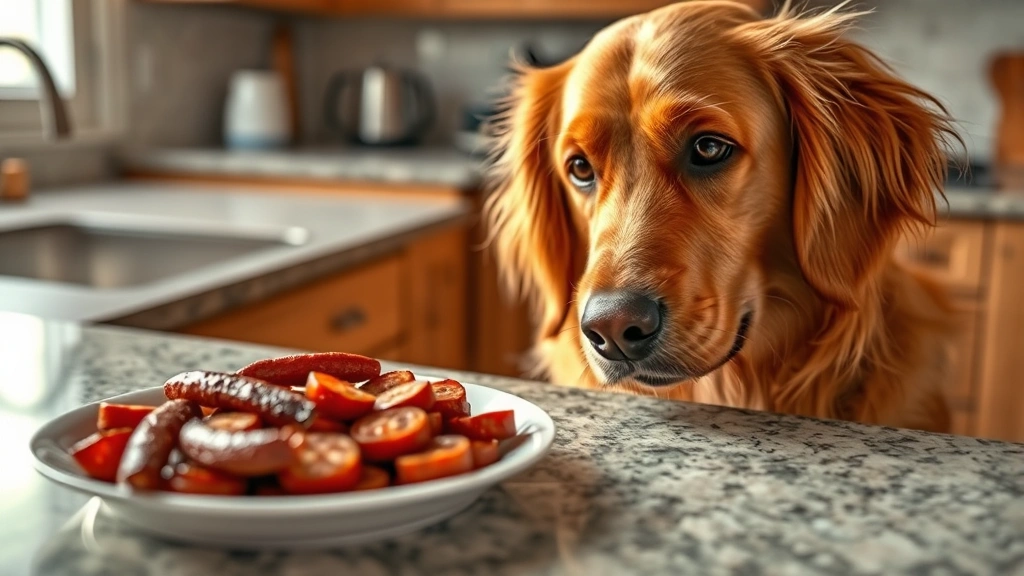
Picture this: you’re sizzling up a delicious chorizo breakfast, and your furry best friend is giving you those irresistible puppy dog eyes from across the kitchen. Before you toss even a tiny morsel their way, pump the brakes! While chorizo smells absolutely amazing to both humans and dogs alike, the answer to “can dogs have chorizo?” is more complicated than a simple yes or no. This Spanish and Latin American delicacy might be a beloved staple in your kitchen, but it comes with some serious considerations when it comes to your pup’s health and safety.
As pet parents, we want to share our favorite foods with our four-legged companions, but not all human foods are created equal when it comes to canine nutrition. Chorizo, with its rich flavors, spices, and high fat content, presents several potential health risks that every dog owner should understand. In this comprehensive guide, we’ll break down exactly what makes chorizo problematic for dogs, explore safer alternatives, and give you the knowledge you need to keep your beloved pet healthy and happy.
What Exactly Is Chorizo?
Before diving into the safety concerns, let’s understand what we’re dealing with. Chorizo is a type of seasoned sausage that originated in Spain and Portugal, though it’s become incredibly popular throughout Latin America and beyond. There are two main types: fresh chorizo and cured chorizo. Fresh chorizo requires cooking before consumption, while cured chorizo is ready to eat straight from the package.
The key ingredients that make chorizo so flavorful—and so problematic for dogs—include pork meat, garlic, paprika, cumin, chili peppers, and various other spices. Some varieties also contain nitrates and nitrites as preservatives. The sausage is typically very fatty, often containing 30-40% fat content, which is significantly higher than what your dog’s digestive system is designed to handle regularly.
Understanding the composition of chorizo is crucial because it helps explain why veterinarians universally recommend against feeding it to dogs. It’s not just one ingredient that’s problematic—it’s the combination of factors that makes chorizo unsuitable for canine consumption.
Why Is Chorizo Dangerous for Dogs?
The dangers of chorizo for dogs stem from multiple factors, each of which poses its own health concerns. Let’s break down why this beloved human food should stay off your pup’s plate.
High Fat Content
One of the most significant issues with chorizo is its extremely high fat content. Dogs, especially smaller breeds and those predisposed to pancreatitis, can develop serious health problems from consuming fatty foods. The pancreas, which produces digestive enzymes and regulates blood sugar, becomes inflamed when exposed to excessive fat. This condition, called pancreatitis, can range from mild to life-threatening.
Excessive Sodium Levels
Chorizo is heavily salted, making it extremely high in sodium. While dogs do need some salt in their diet, the amount found in chorizo far exceeds their daily requirements. Excessive sodium can lead to dehydration, kidney problems, and high blood pressure in dogs. According to the Association of American Feed Control Officials, adult dogs should consume no more than 0.3% sodium in their diet, and chorizo contains far more than this.
Problematic Spices and Seasonings
The spice blend used in chorizo includes several ingredients that are toxic or irritating to dogs. Garlic and onions, commonly found in chorizo, contain compounds called thiosulfates that can damage dogs’ red blood cells and cause hemolytic anemia. Even though the amount in a single piece of chorizo might not be immediately dangerous, repeated exposure or consumption of larger quantities can accumulate to toxic levels.
Additionally, the hot peppers and spices used in chorizo can cause gastrointestinal upset, including stomach pain, diarrhea, and vomiting. Dogs have more sensitive digestive systems than humans, and their taste receptors aren’t equipped to handle spicy foods the way ours are.
Preservatives and Additives
Many commercially produced chorizo products contain nitrates and nitrites as preservatives. These chemicals have been linked to various health issues in dogs, including increased cancer risk and other degenerative conditions. Additionally, some chorizo brands may contain garlic powder or onion powder, which are even more concentrated forms of these toxic ingredients than fresh garlic or onions.
Specific Health Risks and Symptoms
Understanding the specific health risks helps you recognize when your dog might need veterinary attention. If your dog accidentally consumes chorizo, here are the potential consequences you should watch for.
Pancreatitis
Pancreatitis is perhaps the most serious risk associated with chorizo consumption. This painful inflammation of the pancreas can develop acutely after consuming a high-fat meal, or it can become chronic with repeated exposure. Symptoms include vomiting, abdominal pain, lethargy, loss of appetite, and diarrhea. In severe cases, pancreatitis can be fatal, making it crucial to seek veterinary care immediately if you suspect your dog has this condition.
Gastrointestinal Distress
Most dogs who consume chorizo will experience some level of digestive upset. This might manifest as vomiting, diarrhea, constipation, or general stomach discomfort. While these symptoms might resolve on their own within a day or two, they can be quite uncomfortable for your pup and may require veterinary intervention if they persist or worsen.
Sodium Ion Poisoning
In cases where a dog consumes a large amount of chorizo, sodium ion poisoning becomes a concern. Symptoms of hypernatremia (excessive sodium in the blood) include excessive thirst, lethargy, seizures, and in severe cases, coma. This condition requires immediate veterinary treatment.
Anemia from Allium Toxicity
The garlic and onions in chorizo can cause hemolytic anemia, a condition where red blood cells are destroyed faster than the body can replace them. Symptoms develop over time and include weakness, pale gums, dark-colored urine, and lethargy. This condition requires blood work to diagnose and can be serious if left untreated.
If you’re concerned about other processed meats, you might want to explore whether dogs can eat bacon or check out our guide on whether dogs can eat sausages, as these meats share some similar concerns with chorizo. We also have information about dogs eating salami if you’re wondering about other cured meats.
Safe Alternatives to Chorizo
Just because chorizo is off the menu doesn’t mean your dog has to miss out on tasty treats! There are plenty of delicious, dog-safe alternatives that won’t compromise their health.
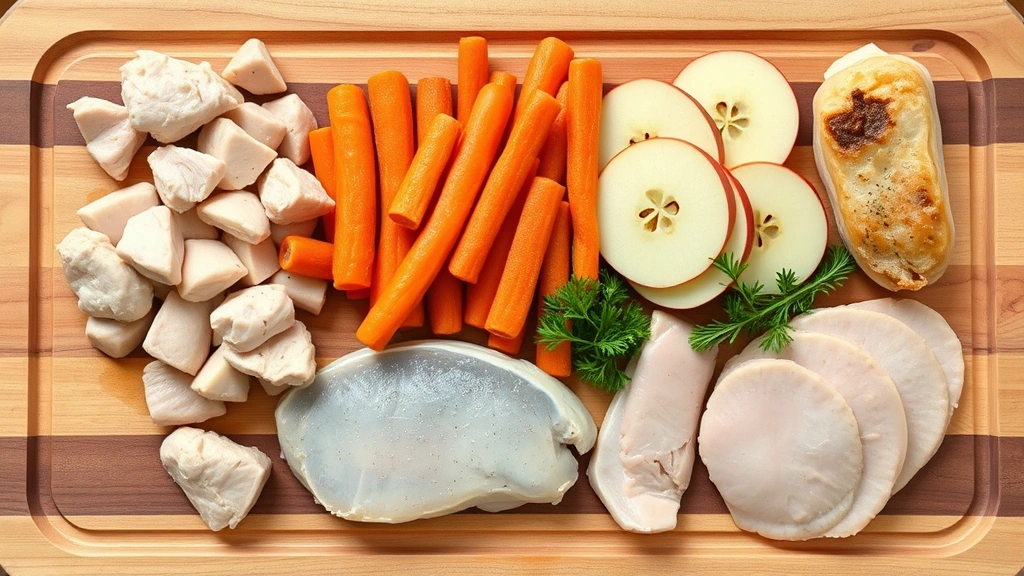
Plain, Cooked Chicken
Lean, boneless, skinless chicken breast is an excellent protein source for dogs. Cook it plain without any seasonings, and your pup will love it. You can cut it into bite-sized pieces and use it as a training treat or meal topper.
Lean Beef
Plain, cooked lean beef is another great option. Ground beef or beef chunks cooked without seasoning provide protein and satisfy that carnivorous craving without the risks associated with chorizo.
Turkey
Turkey breast, cooked plain and unseasoned, makes a wonderful alternative. It’s lower in fat than many other meats and provides excellent nutrition for your dog.
Fish
Salmon and other fatty fish are great for dogs’ coat and skin health. Serve cooked, boneless fish without any added seasonings or oils.
Fruits and Vegetables
Many dogs enjoy carrots, apples (without seeds), pumpkin, and green beans. These provide healthy fiber and nutrients without the health risks of processed meats.
If you’re curious about what seasonings might be safe for your dog, our comprehensive guide on what seasonings dogs can have provides detailed information about which spices are dog-friendly.
What to Do If Your Dog Eats Chorizo
Accidents happen, and your dog might snag a piece of chorizo when you’re not looking. Here’s what you should do if this occurs.
Stay Calm
First, don’t panic. A single small piece of chorizo is unlikely to cause serious harm, especially in larger dogs. However, you should monitor your dog carefully for any signs of distress.
Assess the Situation
Consider how much chorizo your dog ate and how large your dog is. A tiny piece for a 70-pound German Shepherd is far less concerning than the same amount for a 5-pound Chihuahua. Also note the type of chorizo—fresh is generally less problematic than cured varieties with more preservatives.
Monitor for Symptoms
Watch your dog closely over the next 24-48 hours for any signs of illness. Look for vomiting, diarrhea, lethargy, loss of appetite, or abdominal pain. Keep track of when symptoms appear and how severe they are.
Contact Your Veterinarian
If your dog shows any signs of distress, or if you’re particularly concerned about the amount consumed, contact your veterinarian immediately. It’s always better to err on the side of caution with your pet’s health. The ASPCA Animal Poison Control Center can also provide guidance for potential toxicity concerns.
Provide Supportive Care
If your dog is experiencing mild gastrointestinal upset, you might offer a bland diet of plain chicken and rice for a day or two. Ensure your dog has access to fresh water to prevent dehydration. However, don’t attempt to treat serious symptoms at home—seek professional veterinary care.
If you want to learn more about what to do when dogs consume dangerous foods, check out our article on whether dogs can eat spicy food, which covers similar digestive concerns.
Prevention Tips for Pet Owners
The best approach is prevention. Here are practical strategies to keep chorizo and other dangerous foods away from your curious canine companion.
Store Chorizo Securely
Keep chorizo in the refrigerator or freezer in sealed containers. Don’t leave it on the counter while cooking, and be mindful of your dog’s presence in the kitchen during meal preparation.
Educate Family Members
Make sure everyone in your household understands that chorizo and similar processed meats are off-limits for your dog. This is especially important if you have children or visiting family members who might not be aware of the dangers.
Be Mindful During Meals
When you’re eating chorizo or other processed meats, keep your dog in another room or use a baby gate to create a barrier. Don’t leave plates unattended on low tables or counters where your dog might reach them.
Dispose of Safely
When throwing away chorizo packaging or scraps, place them in a trash can your dog cannot access. Consider using a trash can with a locking lid or keeping it in a cabinet.
Train Your Dog
Teaching your dog “leave it” and “drop it” commands can be lifesaving. Practice these commands regularly with low-value treats so your dog will respond reliably when it matters most.
Provide Appropriate Alternatives
The best prevention strategy is having delicious, dog-safe alternatives readily available. If your dog has healthy treats they love, they’re less likely to be interested in stealing human food. Keep dog treats in an easily accessible location and offer them during meal times when your dog might otherwise beg for your food.
Frequently Asked Questions
Can dogs eat a small piece of chorizo?
While a very small piece of chorizo is unlikely to cause immediate harm to a large dog, it’s still not recommended. Even small amounts can contribute to digestive upset, and there’s no safe threshold for garlic and onion consumption. It’s better to avoid it entirely and offer safe alternatives instead.
Is chorizo worse than other processed meats?
Chorizo is particularly problematic due to its combination of high fat, high sodium, garlic, and spices. While other processed meats like bacon and sausages also have concerns, chorizo’s specific ingredient profile makes it especially risky. That said, most processed meats should be limited or avoided in your dog’s diet.
What if my dog eats chorizo regularly?
If your dog has been consuming chorizo regularly, you should schedule a veterinary check-up. Your vet can perform blood work to check for anemia, pancreatitis, and other potential complications. They can also recommend a dietary plan to support your dog’s recovery and future health.
Are there any dogs that can safely eat chorizo?
No breed or size of dog should consume chorizo. While larger dogs might tolerate small amounts better than tiny breeds, all dogs are susceptible to the health risks associated with chorizo’s ingredients and composition.
Can puppies eat chorizo?
Absolutely not. Puppies have even more sensitive digestive systems than adult dogs and are particularly vulnerable to pancreatitis and other digestive issues. Keep all processed meats, especially chorizo, away from puppies entirely.
Is fresh chorizo safer than cured chorizo?
Fresh chorizo might be slightly better than cured varieties because it contains fewer preservatives, but it’s still not safe for dogs. The primary concerns—high fat, high sodium, garlic, and spices—are present in both types, making both equally problematic for your pup.
What about chorizo flavoring or chorizo-flavored treats?
Chorizo-flavored products marketed for dogs might seem like a compromise, but you should check the ingredient list carefully. Many of these products still contain problematic ingredients like garlic powder or excessive sodium. When in doubt, stick with treats formulated specifically for dogs without potentially harmful seasonings.
Can I give my dog chorizo broth or cooking liquid?
No, you should avoid giving your dog any chorizo broth or cooking liquid. The fat and sodium from the chorizo leach into the liquid, concentrating these problematic elements. Additionally, any spices and seasonings will be present in the liquid.
Are there health benefits to chorizo that might outweigh the risks?
While chorizo does contain protein, the risks far outweigh any potential nutritional benefits. There are plenty of safe, healthy protein sources for dogs that don’t come with the serious health risks associated with chorizo. When it comes to your dog’s health, it’s always better to be safe than sorry.
How do I help my dog forget about chorizo?
If your dog has developed a taste for chorizo, redirect their interest to safe alternatives. Offer high-value treats like plain cooked chicken, carrots, or dog-specific treats when you’re eating chorizo. With time and consistent reinforcement of safe alternatives, your dog will learn to expect different treats.
For more information about what human foods might be dangerous for your dog, check out our guide on what to do if your dog eats chocolate, which covers emergency protocols for toxic food ingestion.
Should I call the vet if my dog ate a tiny piece?
For a tiny piece, monitor your dog for 24-48 hours. If no symptoms develop, your dog is likely fine. However, if your dog shows any signs of distress or if you’re uncertain about the amount consumed, it never hurts to call your veterinarian for guidance. According to the American Kennel Club, when in doubt about food safety, professional veterinary advice is always the best course of action.





