

As pet owners, we often find ourselves wondering about the safety of various human foods for our furry companions. Coconut has gained popularity as a superfood for humans, packed with nutrients and healthy fats. But when it comes to sharing this tropical treat with our dogs, many pet parents are left scratching their heads. Can dogs have coconut safely, or should this exotic fruit remain off-limits in your household?
The relationship between coconut and canine health is more complex than a simple yes or no answer. While coconut isn’t toxic to dogs like some other human foods, there are important considerations regarding portions, preparation methods, and individual dog sensitivities. Understanding these factors will help you make informed decisions about incorporating coconut into your dog’s diet, ensuring their safety while potentially providing some nutritional benefits.
This comprehensive guide will explore everything you need to know about feeding coconut to dogs, from the various forms of coconut available to potential health benefits and risks. We’ll also discuss proper serving sizes, preparation methods, and signs to watch for if your dog consumes coconut products.
Is Coconut Safe for Dogs?
The good news for dog owners is that coconut is generally safe for dogs to consume in moderation. Unlike chocolate, grapes, or onions, coconut doesn’t contain compounds that are inherently toxic to canines. However, this doesn’t mean you should freely share your coconut water or coconut flakes with your pet without considering several important factors.
The ASPCA Animal Poison Control Center doesn’t list coconut among the foods that are toxic to dogs, which provides some reassurance for pet owners. However, the organization emphasizes that just because a food isn’t toxic doesn’t mean it’s necessarily beneficial or should be given in large quantities.
Individual dogs may react differently to coconut, and factors such as size, age, health status, and digestive sensitivity all play crucial roles in determining whether coconut is appropriate for your specific pet. Some dogs may experience digestive upset even from small amounts, while others may tolerate moderate portions without issues.
The key to safely introducing coconut to your dog’s diet lies in understanding the different forms of coconut available and their varying levels of safety and nutritional value for canines.
Different Types of Coconut Products
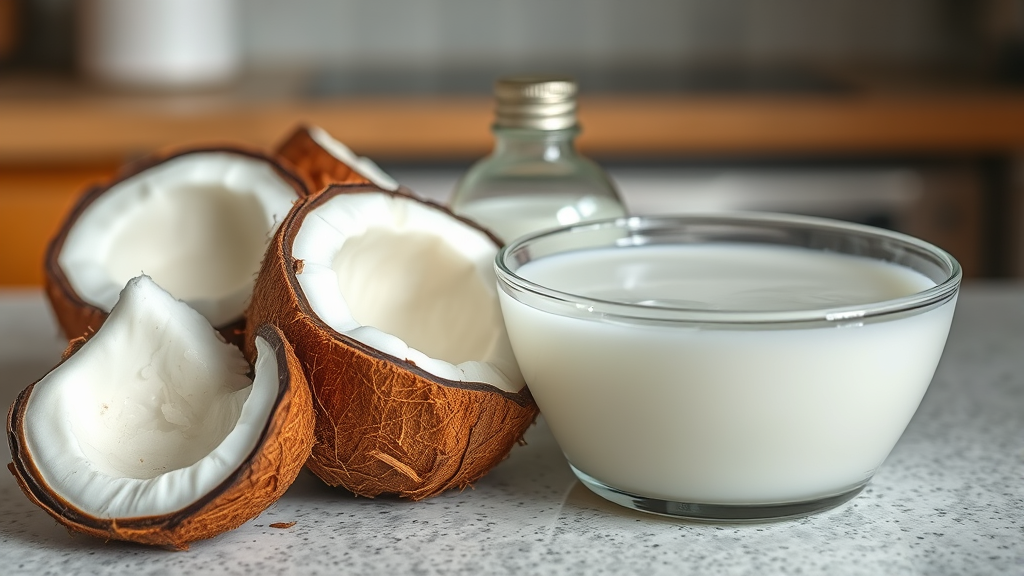
Not all coconut products are created equal when it comes to canine consumption. Understanding the differences between various coconut forms is essential for making safe choices for your pet.
Fresh Coconut Meat
Fresh coconut meat is the safest option for dogs, containing natural nutrients without added sugars or preservatives. The white flesh inside a fresh coconut is rich in healthy fats and can be offered in small pieces. However, it’s high in calories and saturated fat, so moderation is crucial.
Coconut Water
Pure coconut water can be a refreshing treat for dogs, especially during hot weather. It contains natural electrolytes and is lower in calories than coconut meat. However, avoid coconut waters with added sugars, flavors, or preservatives, as these additives can be harmful to dogs.
Coconut Oil
Coconut oil has gained attention for its potential health benefits in dogs, including improved coat condition and digestive health. However, it’s extremely high in calories and should only be given in tiny amounts. Start with just a small fraction of a teaspoon for small dogs and no more than a teaspoon for large dogs.
Coconut Flakes and Shredded Coconut
Unsweetened coconut flakes can be safe for dogs in very small quantities. However, many commercial coconut flakes contain added sugars, which should be avoided. Always check labels carefully and opt for unsweetened, natural varieties.
Coconut Products to Avoid
Certain coconut products should never be given to dogs, including coconut milk (often contains additives and is high in fat), sweetened coconut products, coconut-flavored foods with artificial ingredients, and coconut combined with chocolate or other toxic ingredients.
Potential Health Benefits
When given appropriately, coconut may offer several health benefits for dogs, though it’s important to note that these benefits are generally modest and shouldn’t replace a balanced commercial dog food.
Medium-Chain Fatty Acids
Coconut contains medium-chain fatty acids (MCFAs), particularly lauric acid, which may have antimicrobial and anti-inflammatory properties. These fatty acids are easier to digest than long-chain fatty acids and may support immune system function.
Skin and Coat Health
The healthy fats in coconut may contribute to improved skin condition and coat shine in some dogs. Many pet owners report that small amounts of coconut oil help reduce dry skin and create a glossier coat, though individual results vary.
Digestive Support
Some dogs may experience improved digestion with small amounts of coconut oil, as MCFAs can be beneficial for gut health. However, too much coconut can actually cause digestive upset, so finding the right balance is important.
Energy and Metabolism
The MCFAs in coconut are rapidly absorbed and can provide quick energy. Some research suggests these fats may support healthy metabolism, though more studies specific to dogs are needed to confirm these benefits.
Just as with other fruits like cantaloupe or peaches, the key is moderation and proper preparation when offering coconut to your dog.
Risks and Concerns
Despite its potential benefits, coconut does present several risks that dog owners should carefully consider before adding it to their pet’s diet.
High Calorie Content
Coconut is calorie-dense, with coconut meat containing approximately 283 calories per 100 grams. For dogs, especially small breeds or those prone to weight gain, these extra calories can quickly add up and contribute to obesity if not properly managed within their daily caloric intake.
Digestive Upset
The high fat content in coconut can cause digestive issues in some dogs, including diarrhea, vomiting, and stomach discomfort. Dogs with sensitive stomachs or those not accustomed to high-fat foods are particularly susceptible to these side effects.
Pancreatitis Risk
The high fat content in coconut products, particularly coconut oil, can potentially trigger pancreatitis in susceptible dogs. This serious condition requires immediate veterinary attention and can be life-threatening. Dogs with a history of pancreatitis should avoid coconut products entirely.
Choking Hazards
Fresh coconut meat can present a choking risk, especially for smaller dogs or those who tend to gulp their food. Large pieces of coconut should always be cut into appropriately sized portions for your dog’s size.
Allergic Reactions
While rare, some dogs may be allergic to coconut. Signs of an allergic reaction include itching, hives, swelling, difficulty breathing, or gastrointestinal distress. If you notice any of these symptoms after your dog consumes coconut, discontinue use immediately and consult your veterinarian.

Proper Serving Guidelines
If you decide to offer coconut to your dog, following proper serving guidelines is crucial for their safety and well-being. The American Kennel Club recommends treating coconut as an occasional treat rather than a regular part of your dog’s diet.
Starting Small
Always begin with tiny amounts when introducing coconut to your dog’s diet. Start with no more than a small piece of fresh coconut meat (about the size of a pea) for small dogs, or a few small pieces for larger dogs. Monitor your pet closely for any adverse reactions over the next 24-48 hours.
Size-Based Recommendations
Serving sizes should be adjusted based on your dog’s size and weight. Small dogs (under 25 pounds) should receive no more than a few small pieces of coconut meat or a tiny amount of coconut oil (1/4 teaspoon or less). Medium dogs (25-60 pounds) can have slightly larger portions, while large dogs (over 60 pounds) may tolerate up to a teaspoon of coconut oil or several small pieces of coconut meat.
Frequency Guidelines
Coconut should be considered an occasional treat, not a daily addition to your dog’s diet. Offering coconut once or twice per week at most is generally appropriate for dogs who tolerate it well. Remember that treats, including coconut, should never make up more than 10% of your dog’s daily caloric intake.
Preparation Methods
Always remove the hard shell and brown skin from fresh coconut before offering it to your dog. Cut the white meat into small, manageable pieces to prevent choking. If using coconut oil, ensure it’s pure, unrefined, and free from additives or flavorings.
Preparation and Safety Tips
Proper preparation of coconut for your dog is essential for ensuring their safety and maximizing any potential benefits.
Choosing Quality Products
Select high-quality, organic coconut products when possible. For fresh coconuts, choose ones that feel heavy for their size and don’t rattle when shaken (which could indicate the coconut water has dried up). For coconut oil, opt for virgin, unrefined oil without added chemicals or fragrances.
Safe Preparation Steps
When preparing fresh coconut, use proper tools to safely crack open the hard shell. Remove all shell fragments and the brown skin completely. Cut the white meat into small, appropriate-sized pieces for your dog. Always supervise your dog while they’re eating coconut to monitor for any choking or adverse reactions.
Storage Considerations
Store fresh coconut pieces in the refrigerator and use within a few days to prevent spoilage. Coconut oil should be stored in a cool, dry place and can be kept at room temperature. If the oil solidifies, it will liquefy again when warmed.
Gradual Introduction
Introduce coconut gradually into your dog’s diet, starting with very small amounts every few days. This approach allows you to monitor your pet’s tolerance and identify any potential sensitivities before they become serious issues.
Safe Alternatives to Coconut
If you’re looking for healthy, safe treats for your dog but are concerned about the risks associated with coconut, there are many excellent alternatives to consider.
Many fruits can be safely shared with dogs in moderation, including blackberries, which are low in calories and high in antioxidants. Other safe options include small pieces of apple (without seeds), blueberries, and watermelon (seedless).
For dogs who enjoy nuts, cashews can be offered occasionally in small amounts, though they should be unsalted and given sparingly due to their high fat content.
Vegetables can also make excellent treats for dogs. Carrots, green beans, and sweet potato (cooked and unseasoned) are nutritious options that many dogs enjoy. These alternatives often provide more nutritional value with fewer risks than coconut products.
Always research any new food before offering it to your dog, as some human foods that seem harmless can actually be dangerous. For example, while fruits like berries are generally safe, processed foods like marshmallows should be avoided due to their high sugar content and potential harmful additives.
Frequently Asked Questions
Can puppies eat coconut?
Puppies have more sensitive digestive systems than adult dogs, so coconut should be avoided until they’re at least 6 months old and fully weaned. Even then, introduce it very gradually and in tiny amounts. The high fat content can be particularly problematic for developing digestive systems. Always consult your veterinarian before introducing any new foods to a puppy’s diet.
How much coconut oil is safe for dogs daily?
The amount of coconut oil safe for dogs depends on their size and individual tolerance. Small dogs should receive no more than 1/4 teaspoon daily, medium dogs up to 1/2 teaspoon, and large dogs up to 1 teaspoon. However, it’s best to start with much smaller amounts and not give it daily. According to veterinary guidelines, coconut oil should be considered a supplement rather than a daily necessity.
What should I do if my dog ate too much coconut?
If your dog has consumed a large amount of coconut, monitor them closely for signs of digestive upset including vomiting, diarrhea, lethargy, or loss of appetite. Provide fresh water and withhold food for 12-24 hours to allow their digestive system to settle. If symptoms persist beyond 24 hours, are severe, or if you notice signs of pancreatitis (severe abdominal pain, vomiting, lethargy), contact your veterinarian immediately.
Is coconut water better than regular water for dogs?
Plain water should always be your dog’s primary source of hydration. While pure coconut water can be offered as an occasional treat, it contains natural sugars and calories that regular water doesn’t have. Coconut water should never replace regular water in your dog’s bowl. It can be useful for dogs recovering from illness or exercise, but only under veterinary guidance and in moderation.
Can dogs with diabetes eat coconut?
Dogs with diabetes should avoid coconut products due to their high calorie and fat content, which can affect blood sugar levels and weight management. The natural sugars in coconut water can also be problematic for diabetic dogs. Always consult with your veterinarian before giving any treats or supplements to a diabetic dog, as their diet needs to be carefully controlled and monitored.
Are there any dog breeds that shouldn’t eat coconut?
While no specific breeds are universally banned from eating coconut, some breeds are more prone to pancreatitis and should be more cautious. These include Miniature Schnauzers, Yorkshire Terriers, and Cocker Spaniels. Dogs with a history of digestive issues, regardless of breed, should also avoid high-fat foods like coconut. Senior dogs and those with liver or pancreatic conditions should only consume coconut under veterinary supervision.
How can I tell if my dog is allergic to coconut?
Signs of a coconut allergy in dogs include skin irritation (itching, redness, hives), digestive upset (vomiting, diarrhea), swelling around the face or mouth, difficulty breathing, or excessive scratching after consumption. These symptoms typically appear within a few hours of eating coconut. If you suspect an allergic reaction, remove coconut from your dog’s diet immediately and consult your veterinarian. Severe reactions may require emergency veterinary care.





