
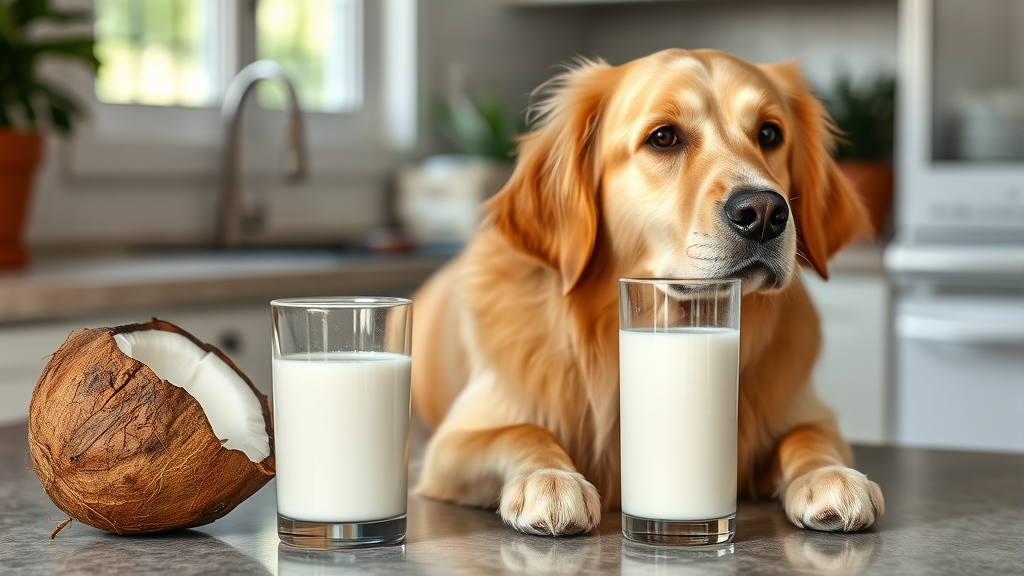
As pet owners become increasingly conscious about their dogs’ diets, questions about alternative milk products have surged. One popular query that frequently reaches veterinary clinics is whether coconut milk is safe for our canine companions. With the growing popularity of plant-based alternatives in human nutrition, it’s natural for dog owners to wonder if these products can benefit their furry friends.
Coconut milk, extracted from the meat of mature coconuts, has gained significant attention as a dairy-free alternative for humans. However, when it comes to our dogs, the answer isn’t as straightforward. While coconut milk isn’t inherently toxic to dogs, there are several important considerations that every responsible pet owner should understand before offering this tropical treat to their four-legged family members.
Understanding Coconut Milk and Its Composition
Coconut milk is a creamy, white liquid extracted from the grated meat of mature coconuts. Unlike coconut water, which is the clear liquid found inside young coconuts, coconut milk is significantly higher in fat content and calories. The extraction process involves blending coconut meat with water and then straining the mixture to create a rich, milk-like consistency.
The primary components of coconut milk include saturated fats, particularly medium-chain triglycerides (MCTs), along with small amounts of protein, carbohydrates, and various vitamins and minerals. The fat content can vary significantly between different types of coconut milk, with canned varieties typically containing 15-20% fat, while light versions may contain only 5-7% fat.
Commercial coconut milk often contains additional ingredients such as guar gum, carrageenan, and preservatives to maintain texture and extend shelf life. These additives can be problematic for dogs, as their digestive systems are not designed to process these artificial compounds efficiently. According to the American Kennel Club, it’s crucial to examine ingredient lists carefully when considering any human food for dogs.
Safety Concerns and Potential Risks
While coconut milk isn’t toxic to dogs in the same way that chocolate or grapes are, it presents several potential health concerns that pet owners must consider. The high fat content is the primary worry, as dogs have different dietary requirements compared to humans and can struggle to digest large amounts of fat properly.
Excessive fat intake can lead to pancreatitis, a serious and potentially life-threatening condition where the pancreas becomes inflamed. Dogs with sensitive stomachs or pre-existing digestive issues are particularly vulnerable to this risk. The American Veterinary Medical Association emphasizes that high-fat foods should be avoided in dogs prone to pancreatitis.
Additionally, many dogs are lactose intolerant, and while coconut milk doesn’t contain lactose, it can still cause digestive upset due to its rich, fatty composition. Some dogs may experience diarrhea, vomiting, or stomach discomfort after consuming coconut milk. Unlike regular milk, which poses lactose-related issues, coconut milk’s problems stem from its fat content and artificial additives.
Another concern involves the additives commonly found in commercial coconut milk products. Carrageenan, a common thickening agent, has been linked to digestive inflammation in some studies, though research specifically on dogs is limited. The safest approach is to avoid products with unnecessary additives altogether.
Nutritional Analysis for Canines
From a nutritional standpoint, coconut milk offers limited benefits for dogs while presenting several potential drawbacks. Dogs require a balanced diet that includes appropriate ratios of protein, carbohydrates, and fats specifically formulated for their species. Coconut milk, being primarily fat with minimal protein content, doesn’t align well with canine nutritional needs.
The medium-chain triglycerides (MCTs) found in coconut milk have been touted for their potential health benefits in humans, including improved cognitive function and weight management. However, research on these benefits in dogs is extremely limited, and the potential risks often outweigh any theoretical advantages. The National Institutes of Health has studied MCTs primarily in human subjects, with canine applications remaining largely unexplored.
Dogs obtain their essential nutrients most effectively from high-quality dog food formulated by veterinary nutritionists. Adding coconut milk to their diet can disrupt this carefully balanced nutrition and may lead to weight gain due to the high caloric content. A typical cup of coconut milk contains approximately 550 calories, which represents a significant portion of many dogs’ daily caloric requirements.
For comparison, fresh coconut meat in small quantities might be a safer option if owners want to share coconut products with their pets, as it contains fiber and lower fat concentrations than the processed milk.

Serving Guidelines and Portion Control
If pet owners decide to offer coconut milk to their dogs despite the potential risks, strict portion control is essential. Veterinarians generally recommend treating coconut milk as an occasional treat rather than a regular dietary component. For small dogs weighing under 20 pounds, no more than a teaspoon should be offered, and only infrequently.
Medium-sized dogs between 20-50 pounds might tolerate up to a tablespoon, while larger dogs over 50 pounds could potentially handle up to two tablespoons. However, these are maximum recommendations, and many veterinarians suggest starting with even smaller amounts to assess individual tolerance. The PetMD guidelines emphasize the importance of gradual introduction when offering any new food to dogs.
It’s crucial to choose unsweetened, additive-free coconut milk if offering it to dogs. Many commercial varieties contain added sugars, artificial sweeteners like xylitol (which is highly toxic to dogs), or other harmful additives. Reading ingredient labels carefully is essential for pet safety.
Pet owners should also consider their dog’s overall health status before offering coconut milk. Dogs with diabetes, obesity, pancreatitis history, or digestive sensitivities should avoid coconut milk entirely. Senior dogs and puppies may also be more susceptible to digestive upset from rich, fatty foods.
Alternatives and Veterinary Recommendations
Most veterinarians recommend avoiding coconut milk altogether and instead focusing on dog-specific treats and supplements. If owners are looking for healthy alternatives to traditional dairy, there are several safer options specifically formulated for canines. Bone broth made from dog-safe ingredients can provide hydration and flavor without the risks associated with high-fat plant milk.
For dogs who enjoy the taste of coconut, small amounts of unsweetened coconut flakes or fresh coconut meat might be safer alternatives. These provide the coconut flavor many dogs enjoy while containing less concentrated fat than coconut milk. However, even these should be offered sparingly and only to dogs without digestive sensitivities.
Some pet owners explore coconut milk as an alternative to regular dairy milk, but water remains the best and safest beverage for dogs. Clean, fresh water should always be the primary source of hydration for canines. The Humane Society emphasizes that dogs have evolved to obtain necessary nutrients from their regular food, making additional supplements or treats largely unnecessary.
When in doubt, consulting with a veterinarian is always the best approach. Each dog is unique, and factors such as age, size, health status, and individual sensitivities all play roles in determining what foods are appropriate. Professional guidance ensures that pet owners make informed decisions about their dogs’ diets.
Signs to Watch For After Consumption
If a dog has consumed coconut milk, either intentionally or accidentally, pet owners should monitor for several potential symptoms. Digestive upset is the most common reaction and may manifest as diarrhea, vomiting, excessive gas, or loss of appetite. These symptoms typically appear within 2-6 hours of consumption but can sometimes take up to 24 hours to develop.
More serious signs that require immediate veterinary attention include severe vomiting, bloody diarrhea, lethargy, loss of appetite lasting more than 24 hours, or signs of abdominal pain such as hunched posture or reluctance to move. These could indicate pancreatitis or other serious digestive complications that require professional treatment.
Dogs with pre-existing conditions may show symptoms more quickly or severely. Diabetic dogs might experience blood sugar fluctuations, while dogs with sensitive stomachs might show immediate digestive distress. The VCA Animal Hospitals provide detailed information about recognizing pancreatitis symptoms in dogs.
If symptoms persist or worsen, immediate veterinary care is essential. Pet owners should provide their veterinarian with information about how much coconut milk was consumed, when it occurred, and any symptoms observed. This information helps veterinarians make appropriate treatment decisions and provide the best care for the affected dog.
Frequently Asked Questions
Can puppies drink coconut milk?
Puppies should not be given coconut milk as their digestive systems are even more sensitive than adult dogs. Their primary nutrition should come from mother’s milk or specially formulated puppy food. The high fat content in coconut milk can cause severe digestive upset in young dogs and potentially interfere with their growth and development.
Is coconut milk better than regular milk for dogs?
Neither coconut milk nor regular dairy milk is recommended for dogs. While coconut milk doesn’t contain lactose, it has an extremely high fat content that can cause pancreatitis and digestive issues. Regular milk contains lactose, which most dogs cannot properly digest. Water remains the best beverage choice for dogs, and both types of milk should be avoided.
What should I do if my dog accidentally drank a large amount of coconut milk?
If your dog has consumed a significant amount of coconut milk, monitor them closely for signs of digestive upset such as vomiting, diarrhea, or lethargy. Contact your veterinarian immediately, especially if your dog shows signs of severe distress, abdominal pain, or if they have a history of pancreatitis. Do not induce vomiting unless specifically instructed by a veterinary professional.
Can I use coconut milk in homemade dog treats?
It’s not recommended to use coconut milk in homemade dog treats due to its high fat content and potential for causing digestive issues. Instead, consider using dog-safe ingredients like unsweetened applesauce, pumpkin puree, or bone broth as liquid components in homemade treats. These alternatives provide flavor and moisture without the risks associated with coconut milk.
Are there any dogs that should never have coconut milk?
Yes, dogs with diabetes, pancreatitis history, obesity, liver disease, or any digestive sensitivities should never be given coconut milk. Senior dogs and puppies are also at higher risk for complications. Additionally, any dog currently on a prescription diet should not receive coconut milk without explicit veterinary approval, as it could interfere with their medical treatment.
How does coconut milk compare to other plant-based milks for dogs?
Most plant-based milks, including almond, soy, and oat milk, are not recommended for dogs. Coconut milk is particularly problematic due to its extremely high fat content. Almond milk may contain xylitol, which is toxic to dogs, while soy milk can cause allergic reactions in some dogs. The safest approach is to avoid all plant-based milks and stick to fresh water for hydration.
What are the signs of pancreatitis from coconut milk consumption?
Signs of pancreatitis include severe vomiting, diarrhea (sometimes bloody), loss of appetite, lethargy, abdominal pain (hunched posture), fever, and dehydration. Dogs may also show reluctance to eat, excessive drooling, or appear restless and uncomfortable. Pancreatitis is a medical emergency requiring immediate veterinary attention, as it can be life-threatening if left untreated. The symptoms typically develop within hours to days after consuming high-fat foods like coconut milk.





