
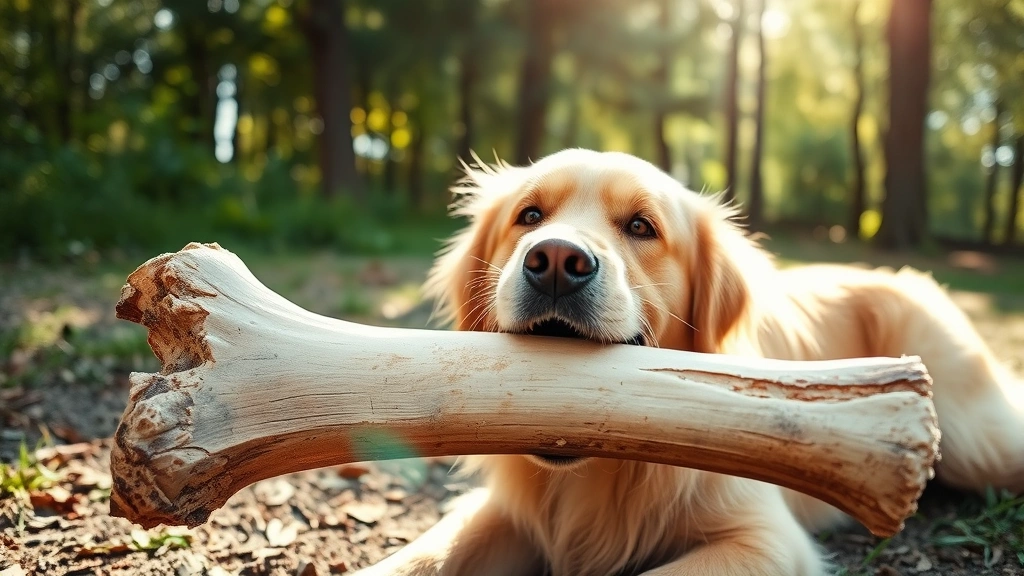
Can Dogs Have Cooked Bones? Safety Tips Every Pet Owner Should Know
Picture this: you’re enjoying a delicious home-cooked meal, and your furry best friend is giving you those irresistible puppy-dog eyes from across the table. Your instinct might be to toss them a cooked bone as a treat, but hold on! This common practice could actually put your beloved companion at serious risk. The question of whether dogs can have cooked bones isn’t as straightforward as a simple yes or no—it requires understanding the real dangers lurking in that seemingly innocent leftover.
Cooked bones are fundamentally different from raw bones, and not in a good way for our canine companions. When bones are cooked, they undergo chemical changes that make them more brittle, more likely to splinter, and significantly more dangerous than their raw counterparts. Many well-meaning dog owners don’t realize that the cooking process transforms a bone’s structure at the molecular level, creating hazards that raw bones simply don’t present. Understanding these risks is crucial for keeping your dog safe and healthy.
In this comprehensive guide, we’ll explore the science behind why cooked bones pose such a serious threat to dogs, what specific dangers you should watch for, and what safer alternatives exist for satisfying your dog’s natural urge to chew and gnaw. Whether you’re a seasoned dog parent or a first-time owner, this information could literally be lifesaving for your furry friend.
Why Cooked Bones Are Dangerous for Dogs
The primary reason veterinarians universally recommend against feeding cooked bones to dogs comes down to basic chemistry and physics. When bones are exposed to heat—whether through boiling, baking, roasting, or grilling—the collagen and other proteins in the bone denature. This process fundamentally weakens the bone’s structural integrity, making it prone to breaking into sharp, jagged fragments rather than maintaining the flexibility of raw bone.
According to the American Kennel Club’s official guidance on canine nutrition, cooked bones present a significantly higher risk of injury compared to raw alternatives. The heat causes moisture to evaporate from the bone, leaving it drier and more brittle—think of it like the difference between a fresh branch and a dead twig. A dead twig snaps sharply, while a fresh branch bends. That’s exactly what happens to bones when they’re cooked.
Your dog’s digestive system also isn’t equipped to handle the byproducts of cooked bones. Unlike their wild ancestors who might consume raw prey with bones intact, domesticated dogs have evolved alongside human food preparation methods—but not in a way that makes cooked bones safe for them. The cooking process creates compounds and changes the bone’s chemical composition in ways that can irritate the gastrointestinal tract.
If you’re wondering about the differences between raw and cooked options, understanding whether dogs can eat bones in general provides important context. The key distinction is that raw bones, when handled properly, present far fewer risks than their cooked counterparts.

The Splinter Problem
One of the most immediate dangers of cooked bones is their tendency to splinter into sharp, needle-like fragments. These splinters can cause devastating injuries throughout your dog’s digestive tract. When your dog chews on a cooked bone, pieces can break off and create multiple hazard scenarios.
The sharp fragments can:
- Puncture the mouth and gums, causing bleeding and infection
- Become lodged in the throat, creating choking hazards or blockages
- Scratch the esophagus as they travel down to the stomach
- Perforate the intestinal walls, potentially causing life-threatening internal bleeding
- Create blockages that may require emergency surgical intervention
The particularly insidious aspect of splinters is that they might not cause immediate symptoms. A dog could ingest sharp bone fragments and appear fine for hours or even days before serious complications develop. This delayed reaction means owners often don’t connect their dog’s sudden illness to the cooked bone they ate earlier.
Veterinary emergency clinics report that bone-related injuries are among the most common reasons for emergency visits and surgeries in dogs. Many of these cases could have been prevented with proper knowledge about bone safety. When you’re deciding what treats to give your dog, understanding the specifics about chicken bones becomes particularly important, as chicken bones are among the most commonly consumed cooked bones.
Digestive System Complications
Beyond the physical danger of splinters, cooked bones create several digestive complications that raw bones don’t typically cause. The cooking process changes the bone’s digestibility profile, making it harder for your dog’s system to process the material safely.
Constipation is one of the most common outcomes of cooked bone consumption. Dogs eating cooked bone fragments often experience difficulty with bowel movements, as the bone material can compact in the intestines. This might seem like a minor inconvenience, but severe constipation can lead to serious medical emergencies requiring veterinary intervention and sometimes surgery.
Vomiting frequently follows cooked bone ingestion, as your dog’s stomach recognizes the material as problematic and attempts to expel it. While vomiting might clear some of the bone material, it also causes dehydration and electrolyte imbalances that can affect your dog’s overall health.
The ASPCA’s comprehensive pet safety guidelines specifically mention bone-related injuries as a significant concern for dog owners. Their poison control center receives thousands of calls annually related to bone ingestion, with cooked bones being the primary culprit.
Understanding whether dogs can digest bones properly helps clarify why cooked bones are particularly problematic—the cooking fundamentally impairs digestibility compared to raw bone.
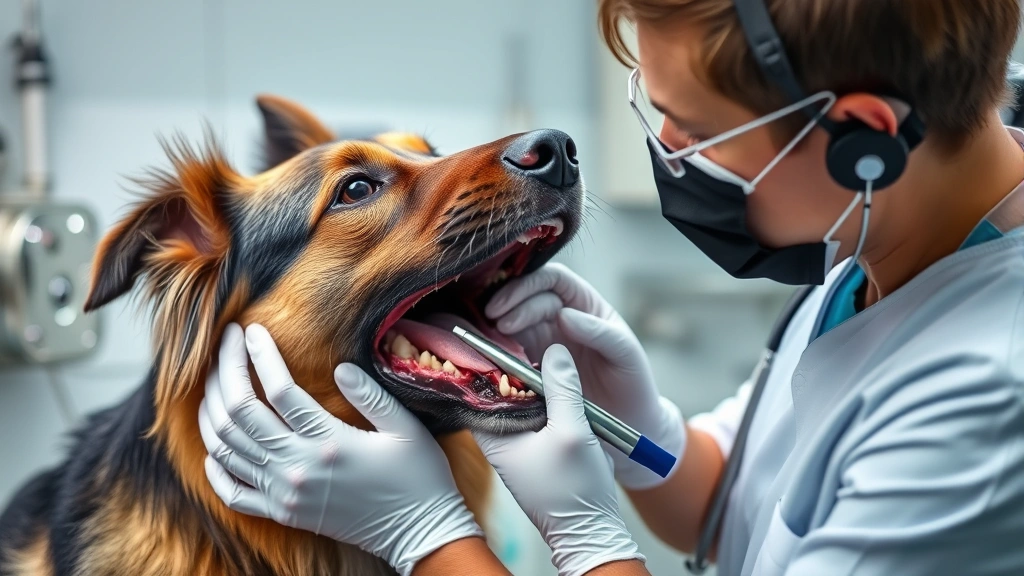
Types of Bones to Avoid
While all cooked bones present risks, certain types are particularly dangerous. Knowing which bones to absolutely avoid helps you make safer choices for your pet.
Poultry Bones: Chicken, turkey, and other bird bones are especially hazardous when cooked. These bones are naturally thin and hollow, making them highly prone to splintering into dangerous shards. Even small pieces can cause serious injury. This is why whether dogs should eat chicken bones is such a critical question—the answer is definitively no for cooked versions.
Pork Bones: Cooked pork bones become extremely brittle and frequently splinter during chewing. Additionally, many pork preparations involve seasoning with garlic, onions, or excessive salt, which are toxic to dogs or harmful in large quantities.
Beef Bones: While larger than poultry bones, cooked beef bones still present significant risks. They can splinter into large chunks that cause blockages or perforate the intestines. Cooked beef bones from steaks, ribs, or roasts should never be given to dogs.
Fish Bones: Cooked fish bones are extremely sharp and brittle. They pose severe risks of throat puncture, choking, and intestinal perforation. The small, thin nature of fish bones makes them particularly dangerous.
Seasoned or Marinated Bones: Any bones that have been prepared with seasonings, sauces, or marinades compound the danger. Garlic, onions, excessive salt, and fatty gravies can cause additional health problems beyond the physical bone hazards.
Safe Alternatives to Cooked Bones
The good news is that you don’t have to deny your dog the satisfaction of chewing and gnawing. Numerous safe alternatives can satisfy your dog’s natural instincts without the risks associated with cooked bones.
Raw Meaty Bones: If you’re interested in providing bone-based chewing experiences, raw meaty bones are substantially safer than cooked versions. Raw bones maintain their flexibility and are less likely to splinter. However, raw bones come with their own considerations, including bacterial contamination risks and the need for proper handling. Always consult your veterinarian before introducing raw bones into your dog’s diet.
Dental Chews: Specifically designed dental chews provide the chewing satisfaction dogs crave while promoting oral health. These products are formulated to be digestible and safe, and they help reduce tartar buildup on teeth.
Rubber Toys and Chew Toys: Durable rubber toys like Kongs or Nylabones offer safe chewing outlets. Many can be filled with treats or peanut butter to increase engagement and mental stimulation.
Bully Sticks and Yak Chews: These long-lasting chews are made from dried meat and are digestible. They provide extended chewing time without the splinter risk of bones.
Bone Broth: If you want to provide bone-derived nutrition, bone broth offers a safe way to give your dog bone benefits without the physical hazards. Properly prepared bone broth can be a nutritious addition to your dog’s diet.
Carrots and Apples: Fresh carrots and apple slices (without seeds) provide natural chewing satisfaction and are completely safe. They also help clean teeth naturally.
Freeze-Dried Treats: Freeze-dried meat treats provide the satisfaction of real meat without any of the bone-related risks.
Understanding why dogs like bones in the first place helps you identify appropriate alternatives that satisfy the same instincts and drives.
Emergency Warning Signs
If your dog has consumed cooked bones, knowing the warning signs of serious complications is essential. Some symptoms appear immediately, while others develop over hours or days.
Immediate Warning Signs:
- Choking or gagging
- Difficulty swallowing
- Excessive drooling
- Visible blood in saliva
- Repeated vomiting
- Abdominal pain or distension
- Inability to defecate or constipation lasting more than 24 hours
- Loss of appetite
- Lethargy or unusual behavior
- Pale gums or signs of internal bleeding
Delayed Warning Signs (24-72 hours later):
- Persistent vomiting or retching
- Diarrhea or constipation
- Abdominal distension or hardness
- Severe lethargy
- Loss of appetite continuing beyond a few hours
- Signs of fever or infection
- Black, tarry stools indicating internal bleeding
If you observe any of these symptoms, contact your veterinarian immediately or visit an emergency animal clinic. Don’t wait to see if symptoms resolve on their own. Internal injuries from bone fragments can deteriorate rapidly, and early intervention often means the difference between conservative treatment and emergency surgery.
Best Practices for Bone Safety
Keeping your dog safe from bone-related injuries requires vigilance and informed decision-making. Here are essential best practices every dog owner should follow.
Never Feed Cooked Bones: This is the absolute foundation of bone safety. Cooked bones should never be given to dogs under any circumstances. This includes bones from your dinner plate, leftover restaurant meals, or intentionally cooked bones.
Secure Your Trash: Many dogs suffer bone injuries from scavenging through garbage. Use secure trash containers that your dog cannot access. Many emergency veterinary visits occur because dogs found cooked bones in the trash.
Educate Family Members: Ensure everyone in your household understands the dangers. Children and guests might not realize the risks and could inadvertently give your dog cooked bones from their meals.
Supervise Eating: When your dog has any chewing item, supervise them. This allows you to intervene quickly if pieces are breaking off or if your dog is having difficulty.
Choose Size-Appropriate Items: Any chew toy or treat should be appropriately sized for your dog. Items that are too small pose choking risks, while items that are too large might cause jaw injuries.
Monitor for Symptoms: Keep a close eye on your dog’s behavior and bowel movements after consuming any new treat or chew item. Early detection of problems allows for faster intervention.
Consult Your Veterinarian: Before introducing any new chewing items or treats, discuss them with your vet. Your veterinarian understands your individual dog’s health status and can provide personalized recommendations.
Know Your Emergency Clinic: Familiarize yourself with the location and hours of your nearest emergency veterinary clinic. In a crisis, knowing where to go immediately can save your dog’s life.
According to Veterinary Partner’s expert resources on canine health, the most preventable bone-related injuries come from cooked bones given intentionally by owners who didn’t understand the risks. Armed with proper knowledge, you can protect your dog from these entirely preventable injuries.
Frequently Asked Questions
Can dogs have cooked bones from a slow cooker?
No. Slow cooking actually makes bones even more brittle and dangerous than other cooking methods. The prolonged heat exposure causes bones to lose even more moisture and structural integrity, making them more prone to splintering into sharp fragments.
What if my dog ate a cooked bone and seems fine?
Seeming fine initially doesn’t mean your dog is safe. Bone-related injuries can develop over hours or days as fragments move through the digestive tract or cause internal damage. Monitor your dog closely for any of the warning signs listed above. If symptoms develop or if you’re concerned, contact your vet immediately.
Are store-bought cooked bones safer than homemade?
No. Whether bones are cooked at home or purchased from a store, the cooking process creates the same dangers. Any commercially available “cooked bones” for dogs should be avoided. However, some companies produce bone-derived products like bone broth specifically formulated for dogs, which are different from whole cooked bones.
What about bones from bone broth—are those safe to give my dog?
The bones themselves from bone broth should not be given to your dog, as they’ve been cooked and are brittle. However, the broth itself, when properly prepared and free of harmful seasonings, can be a safe and nutritious addition to your dog’s diet.
Can dogs have cooked marrow bones?
No. Even though marrow bones are larger, cooking them still creates the splinter risk. Additionally, the high fat content of marrow can cause pancreatitis in some dogs. Marrow bones should never be given cooked.
What should I do if my dog swallowed a cooked bone piece?
Contact your veterinarian or emergency clinic immediately. Don’t wait to see if symptoms develop. Your vet may recommend monitoring, x-rays, or other diagnostic procedures depending on the size and location of the piece. In some cases, inducing vomiting within a certain timeframe might be recommended.
Are there any cooked bones that are safe for dogs?
No. There is no type of cooked bone that is safe for dogs. All cooked bones present the same risks: splintering, choking, blockages, and perforation of the digestive tract. The cooking process fundamentally changes bone structure in ways that make it dangerous regardless of bone type.
Why do veterinarians recommend against cooked bones so strongly?
Veterinarians recommend against cooked bones because they see the consequences regularly. Emergency clinics treat dozens of dogs daily with bone-related injuries, and many of these cases result in expensive emergency surgeries or, tragically, death. The recommendation against cooked bones is based on decades of clinical experience and consistent evidence of harm.
What about feeding my dog raw bones instead?
Raw bones are substantially safer than cooked bones, but they’re not without risks. Raw bones can still cause blockages, and they carry potential bacterial contamination risks like salmonella and E. coli. If you’re interested in raw bones, discuss this with your veterinarian first, as they can provide guidance specific to your dog’s health status and dietary needs.
How can I satisfy my dog’s chewing instinct safely?
Numerous alternatives satisfy dogs’ natural chewing drives: rubber chew toys, bully sticks, yak chews, dental chews, carrots, apples, freeze-dried treats, and specially formulated bone broths. These options provide the satisfaction dogs seek without the serious health risks of cooked bones.





