

Can Dogs Eat Cooked Broccoli? Safe Feeding Guide
If you’re wondering whether your furry friend can enjoy a bite of that steamed broccoli from your dinner plate, you’re not alone! Many dog parents puzzle over which vegetables are safe for their canine companions. The good news is that cooked broccoli is generally safe for dogs in moderation, making it a surprisingly nutritious treat option. However, like most foods, there are important guidelines to follow to ensure your pup stays healthy and happy.
Broccoli has become increasingly popular as a healthy human food, and it’s natural to want to share nutritious options with our beloved dogs. Before you toss your pup a floret, though, let’s explore what you need to know about feeding cooked broccoli to dogs, including portion sizes, preparation methods, and potential risks. Understanding these details will help you make informed decisions about your dog’s diet and keep them safe from unnecessary health issues.
This comprehensive guide will walk you through everything you need to know about incorporating cooked broccoli into your dog’s diet responsibly. We’ll cover the nutritional benefits, safe preparation methods, portion recommendations, and when broccoli might not be the best choice for your four-legged friend.
Is Cooked Broccoli Safe for Dogs?
The straightforward answer is yes—cooked broccoli is safe for dogs when served appropriately. Unlike some human foods that are toxic to canines, broccoli poses no inherent toxicity risk. However, the key word here is “appropriately.” While cooked broccoli won’t harm your dog, there are specific guidelines you should follow to maximize safety and minimize any digestive upset.
When you give your dog broccoli, cooking it is actually preferable to serving it raw. Cooking broccoli makes it softer and easier for your dog to digest, reducing the choking hazard and improving nutrient absorption. Additionally, cooked broccoli is less likely to cause gas or bloating compared to raw broccoli florets.
According to the American Kennel Club, broccoli is among the vegetables that can be safely offered to dogs as an occasional treat. The ASPCA also confirms that broccoli is non-toxic to dogs, making it a reasonable addition to their diet when fed in appropriate quantities.
Nutritional Benefits of Broccoli for Dogs
Broccoli is packed with vitamins and minerals that can benefit your dog’s overall health. This cruciferous vegetable contains vitamin C, which supports immune function and acts as an antioxidant. It also provides vitamin K, essential for proper blood clotting and bone metabolism. Additionally, broccoli contains folate, potassium, and chromium—all nutrients that contribute to your dog’s wellbeing.
The fiber content in broccoli can support digestive health, though excessive amounts may cause gastrointestinal upset. The antioxidants present in broccoli may help reduce inflammation and support cellular health in aging dogs. These compounds include sulforaphane, which has been studied for its potential anti-cancer properties.
When you let dogs have broccoli, they’re getting a low-calorie treat that won’t contribute significantly to weight gain. For overweight dogs or those on strict calorie-controlled diets, broccoli can be an excellent choice for training treats or meal toppers without excessive calories.
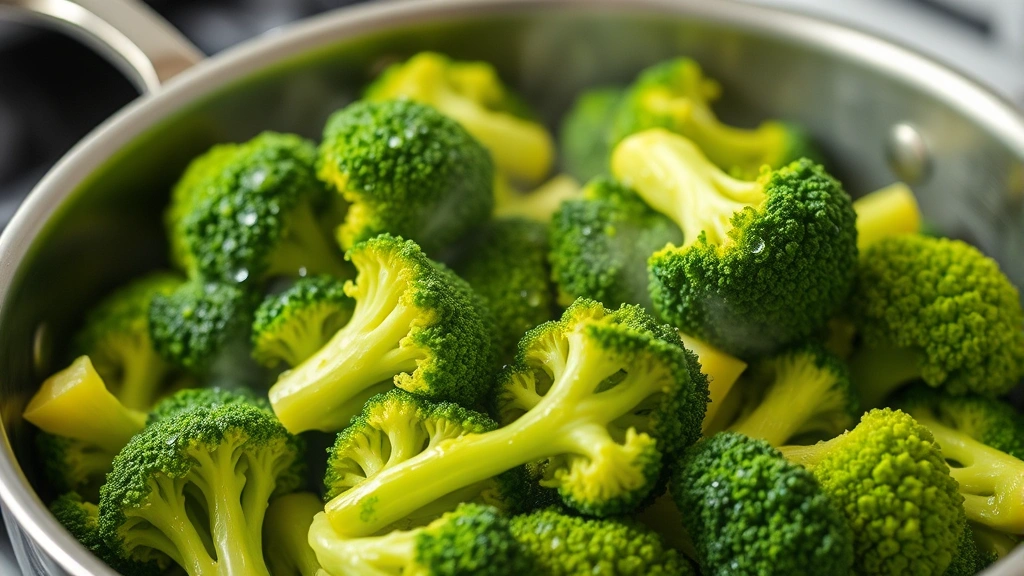
How to Prepare Cooked Broccoli for Dogs
Preparation is crucial when it comes to serving broccoli to your canine companion. The safest method is to steam or boil broccoli without any added seasonings, oils, or salt. Here’s the proper approach:
- Steaming: Steam fresh broccoli florets for 5-10 minutes until they’re soft enough to break apart easily. This method preserves the most nutrients while making the broccoli easy to digest.
- Boiling: Boil broccoli in plain water for 8-12 minutes. While some nutrients leach into the water, boiling is still a safe preparation method. You can drain the water or use it as a low-sodium broth to pour over their regular food.
- Avoid roasting or frying: Never prepare broccoli with oil, butter, garlic, or other seasonings. These additions can upset your dog’s stomach or, in the case of garlic, potentially cause harm.
- Cool before serving: Always allow the cooked broccoli to cool completely before offering it to your dog to prevent mouth burns.
When comparing options, whether dogs can eat raw broccoli is a different consideration altogether. Raw broccoli carries a higher choking risk and is harder to digest, making the cooked version the safer choice for most dogs.
Recommended Portion Sizes
Moderation is absolutely essential when feeding broccoli to your dog. The general rule is that treats, including vegetables, should comprise no more than 10% of your dog’s daily caloric intake. For most dogs, this means offering broccoli as an occasional treat rather than a regular meal component.
Here are guidelines based on dog size:
- Small dogs (under 10 lbs): 1-2 small florets, 2-3 times per week
- Medium dogs (10-50 lbs): 2-4 small florets, 2-3 times per week
- Large dogs (50+ lbs): Up to a small handful of florets, 2-3 times per week
Start with smaller portions when first introducing broccoli to your dog’s diet. This allows you to monitor for any adverse digestive reactions. If your dog tolerates small amounts well, you can gradually increase to the recommended portion sizes.
Remember that if you’re offering broccoli as a treat, you should reduce other treat portions accordingly to maintain a balanced diet. Your dog’s primary nutrition should come from their regular, balanced dog food.

Potential Risks and Concerns
While cooked broccoli is generally safe, there are some potential concerns to be aware of before making it a regular part of your dog’s diet.
Digestive Issues: Broccoli contains compounds that can cause gas and bloating in some dogs. If your dog has a sensitive stomach or is prone to digestive upset, introduce broccoli very gradually and in tiny amounts. If your dog experiences diarrhea after eating broccoli, it’s best to avoid this vegetable going forward. For dogs with existing digestive issues, consult our guide on what to feed a dog with diarrhea before adding new vegetables.
Choking Hazard: Even cooked broccoli florets can present a choking risk, particularly for puppies or dogs who don’t chew their food thoroughly. Always cut broccoli into appropriately sized pieces for your dog’s size.
Thyroid Concerns: Broccoli contains compounds called goitrogens that may interfere with thyroid function if consumed in very large quantities. However, the amounts typically consumed by dogs are far too small to cause concern. This is only a potential issue if broccoli comprises a large portion of your dog’s diet, which it shouldn’t.
Pesticide Residue: Like all produce, broccoli may contain pesticide residue. Wash broccoli thoroughly under running water before cooking, and consider purchasing organic broccoli if you plan to offer it regularly.
Healthy Vegetable Alternatives
If you’re looking for safe vegetables to offer your dog, there are many excellent options beyond broccoli. Similar cruciferous vegetables like dogs eating cauliflower follow similar safety guidelines. Root vegetables like carrots are good for dogs and provide excellent dental benefits through chewing.
Other dog-safe vegetables include:
- Green beans: Low in calories and rich in fiber; can be served cooked or raw
- Sweet potatoes: Nutrient-dense and naturally sweet; always cook before serving
- Pumpkin: Excellent for digestive health; plain canned pumpkin is ideal
- Carrots: Great for dental health and low in calories
- Peas: Good source of protein and fiber; serve cooked or frozen
- Cucumbers: Hydrating and low-calorie; can be served raw
- Zucchini: Mild flavor and easy to digest; serve cooked
Always introduce new vegetables gradually and monitor your dog for any signs of digestive upset. If your dog enjoys vegetables, rotating between different options provides nutritional variety and keeps mealtime interesting.
Frequently Asked Questions
How much cooked broccoli can I give my dog daily?
Dogs should not eat broccoli daily. Limit broccoli treats to 2-3 times per week, with portions based on your dog’s size. Remember that treats should comprise no more than 10% of daily caloric intake. Daily broccoli consumption could lead to digestive issues and nutritional imbalances.
Can puppies eat cooked broccoli?
Puppies can eat small amounts of cooked broccoli, but it should be cut into very small pieces to prevent choking. Puppies have developing digestive systems, so introduce broccoli even more gradually than you would with adult dogs. Consult your veterinarian before adding vegetables to a puppy’s diet.
Is steamed broccoli better than boiled broccoli for dogs?
Steamed broccoli is slightly preferable to boiled broccoli because it retains more nutrients. However, both methods are safe for dogs. The most important factor is that the broccoli is cooked without seasonings, oils, or salt.
What should I do if my dog eats too much broccoli?
If your dog consumes a large amount of broccoli, monitor them for signs of digestive upset, including vomiting, diarrhea, or excessive gas. In most cases, mild digestive upset will resolve on its own within 24 hours. If symptoms persist or your dog appears lethargic, contact your veterinarian. For guidance on managing digestive issues, refer to information about feeding dogs with diarrhea.
Can dogs with allergies eat broccoli?
Broccoli is a low-allergen food for most dogs. However, if your dog has a history of food allergies or sensitivities, introduce broccoli in very small amounts and monitor carefully. If your dog has known vegetable allergies, consult your veterinarian before offering broccoli.
Is broccoli stem safe for dogs?
Yes, broccoli stems are safe for dogs and are actually softer and easier to digest than florets. Cut stems into appropriate sizes and cook them the same way you would florets. Some dogs prefer the mild flavor and texture of stems.
Can dogs eat broccoli with cheese or other toppings?
Plain cooked broccoli is best for dogs. Avoid adding cheese, butter, oils, or seasonings. While small amounts of plain, low-fat cheese might be acceptable as an occasional treat, it’s unnecessary when serving broccoli. Keep vegetables as simple and unadorned as possible.





