
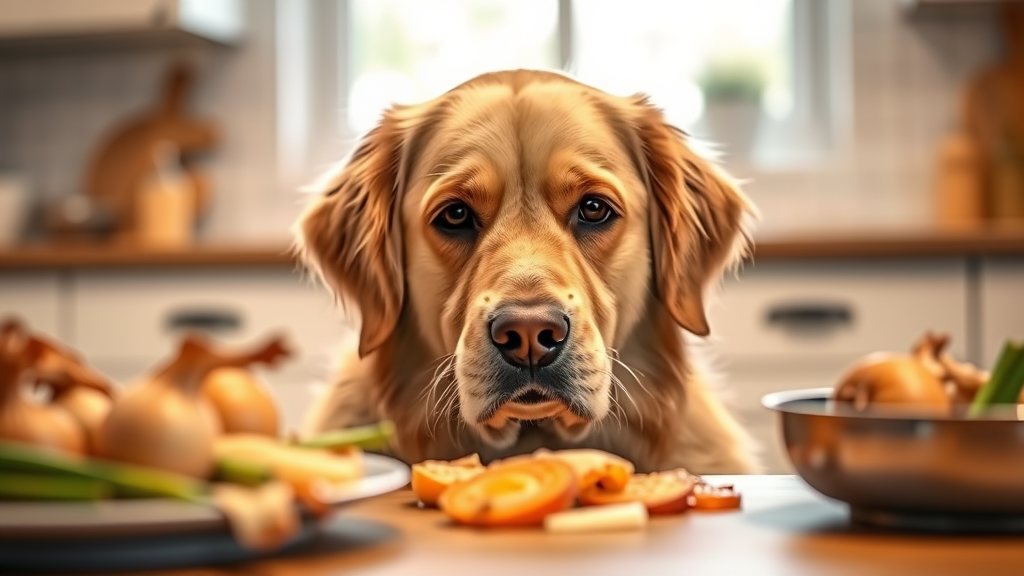
As a responsible dog owner, you’ve probably wondered whether you can share your delicious home-cooked meals with your furry companion. While it’s tempting to give your dog a taste of everything on your plate, certain ingredients that are perfectly safe for humans can be extremely dangerous for dogs. One such ingredient that deserves special attention is the humble onion – whether raw, cooked, or in any other form.
The question “can dogs have cooked onions” is more critical than many pet owners realize. Unlike some foods that are merely unhealthy for dogs, onions pose a serious toxicity risk that can lead to life-threatening complications. Understanding why cooked onions are dangerous for your pet and recognizing the signs of onion poisoning could literally save your dog’s life.
Why Onions Are Toxic to Dogs
The toxicity of onions in dogs stems from compounds called N-propyl disulfide and other organosulfur compounds found in all members of the Allium family, including onions, garlic, leeks, and chives. These compounds are what give onions their distinctive smell and flavor, but they spell trouble for our canine companions.
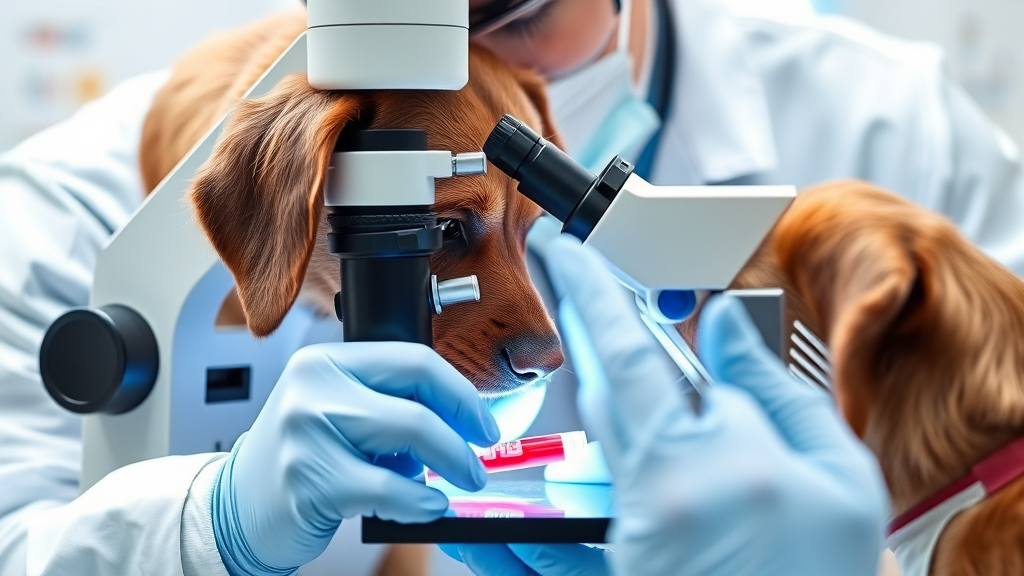
When dogs consume onions, these sulfur compounds attach to their red blood cells and cause oxidative damage. This process leads to the formation of Heinz bodies – small, dark-staining inclusions within the red blood cells that indicate cellular damage. The damaged red blood cells become fragile and are destroyed faster than the dog’s body can replace them, leading to a condition called hemolytic anemia.
Unlike humans, dogs lack the enzyme glucose-6-phosphate dehydrogenase in sufficient quantities to protect their red blood cells from this oxidative damage. This enzymatic deficiency makes dogs particularly susceptible to onion toxicity. The ASPCA Animal Poison Control Center lists onions as toxic to dogs, cats, and horses for precisely this reason.
The severity of onion poisoning depends on several factors, including the dog’s size, the amount consumed, and the dog’s individual sensitivity. Some dogs may show symptoms after consuming relatively small amounts, while others might tolerate slightly larger quantities before showing signs of distress. However, it’s important to understand that there is no “safe” amount of onion for dogs.
Cooking Doesn’t Eliminate the Danger
Many dog owners mistakenly believe that cooking onions makes them safe for their pets. This is a dangerous misconception that can have serious consequences. The toxic compounds in onions are heat-stable, meaning they remain harmful even after cooking, baking, frying, or any other form of heat treatment.
Whether onions are sautéed, caramelized, baked into bread, or slow-cooked in a stew, they retain their toxicity. In fact, some cooking methods may concentrate these harmful compounds, potentially making cooked onions even more dangerous than raw ones. Onion powder and dehydrated onions are particularly concentrated and pose an even greater risk to dogs.
This means that many common human foods that contain cooked onions are off-limits to dogs. Popular dishes like French onion soup, onion rings, stuffing, pizza, pasta sauces, and many ethnic cuisines that rely heavily on onions for flavor can all be dangerous for dogs. Even seemingly innocent items like baby food, which often contains onion powder as a flavoring agent, should never be given to dogs.
The persistence of toxicity through cooking is why understanding onion dangers is so crucial for pet owners. Unlike some other foods where cooking might reduce harmful properties, onions remain a consistent threat regardless of preparation method.
Symptoms of Onion Poisoning in Dogs
Recognizing the signs of onion poisoning in dogs is crucial for prompt treatment and the best possible outcome. Symptoms typically don’t appear immediately after consumption – there’s usually a delay of 1-4 days before clinical signs become apparent. This delayed onset can make it challenging for owners to connect their dog’s illness to onion consumption, especially if they’re unaware that their pet accessed onions.
The primary symptoms of onion poisoning in dogs include:
- Lethargy and weakness: Dogs may appear unusually tired, reluctant to play, or have difficulty with normal activities
- Pale gums and tongue: This is one of the most telling signs of anemia and indicates reduced red blood cell count
- Rapid breathing and increased heart rate: The body attempts to compensate for reduced oxygen-carrying capacity
- Vomiting and diarrhea: Gastrointestinal upset is common in the early stages
- Loss of appetite: Dogs may refuse food and show disinterest in treats
- Dark-colored urine: This indicates the presence of damaged red blood cells being filtered through the kidneys
- Abdominal pain: Dogs may show signs of discomfort, hunched posture, or reluctance to move
In severe cases, dogs may collapse, experience difficulty breathing, or show signs of jaundice (yellowing of the eyes and gums). These are emergency situations requiring immediate veterinary intervention. The American Veterinary Medical Association emphasizes the importance of seeking immediate veterinary care if onion poisoning is suspected.
How Much Onion is Dangerous
The toxic dose of onions for dogs is relatively low, making even small amounts potentially dangerous. According to veterinary toxicologists, onion toxicity can occur with ingestion of as little as 0.5% of a dog’s body weight. This means that a 50-pound dog could experience toxicity from consuming just 0.25 pounds (about 4 ounces) of onions.
To put this in perspective:
- A 10-pound small dog could be affected by less than 1 ounce of onion
- A 30-pound medium dog could show symptoms from about 2.4 ounces
- A 70-pound large dog might experience toxicity from roughly 5.6 ounces
These amounts might seem substantial, but they’re easier to consume than many owners realize. A single medium onion weighs approximately 4-5 ounces, meaning it could potentially cause problems for dogs of various sizes. Additionally, onion powder is much more concentrated, so even smaller amounts can be dangerous.
It’s important to note that even small amounts can cause cumulative effects. Dogs that consume small amounts of onion regularly over time may develop chronic anemia. This is why it’s crucial to avoid giving dogs any human food containing onions, even as occasional treats.
Individual sensitivity varies among dogs, and some may show symptoms at lower doses than others. Factors that can influence sensitivity include age (puppies and senior dogs may be more susceptible), overall health status, and breed. Some breeds, particularly those of Japanese origin like Akitas and Shiba Inus, may be more sensitive to onion toxicity.
Immediate Steps if Your Dog Eats Onions
If you discover that your dog has consumed onions, time is of the essence. The sooner you act, the better the chances of preventing serious complications. Here’s what you should do immediately:
First, assess the situation: Determine how much onion your dog consumed and when the consumption occurred. Gather any packaging or remnants to show your veterinarian. Take note of your dog’s current condition and behavior.
Contact your veterinarian immediately: Call your regular vet or an emergency veterinary clinic right away. Don’t wait for symptoms to appear, as the delayed onset of onion poisoning means that by the time symptoms are visible, significant damage may have already occurred.
Consider contacting poison control: The ASPCA Animal Poison Control Center (1-888-426-4435) provides 24/7 assistance and can guide you through the initial steps while you arrange veterinary care.
Do not induce vomiting unless specifically instructed: While inducing vomiting might seem logical, it should only be done under veterinary guidance. The timing and method are crucial, and inappropriate vomiting induction can cause additional complications.
If your veterinarian recommends bringing your dog in immediately, prepare for the visit by gathering information about your dog’s weight, the type and amount of onion consumed, and the time of consumption. Remove any remaining onions from your dog’s environment to prevent further ingestion.
Treatment and Recovery Process
Treatment for onion poisoning in dogs depends on several factors, including the amount consumed, the time elapsed since ingestion, and the severity of symptoms. Early intervention typically leads to better outcomes, which is why immediate veterinary care is so important.
Initial treatment may include:
- Decontamination: If caught early enough, your vet may induce vomiting or perform gastric lavage to remove onion remnants from the stomach
- Activated charcoal: This may be administered to bind any remaining toxins in the digestive system
- IV fluid therapy: To support kidney function and help flush toxins from the system
- Monitoring: Blood tests to assess red blood cell count, hemoglobin levels, and overall organ function
Advanced treatment for severe cases may require:
- Blood transfusions: In cases of severe anemia, dogs may need transfusions to replace damaged red blood cells
- Oxygen therapy: To support dogs with breathing difficulties due to reduced oxygen-carrying capacity
- Hospitalization: For continuous monitoring and supportive care
- Medications: To support organ function and manage symptoms
Recovery time varies depending on the severity of poisoning. Mild cases caught early may recover within a few days with appropriate treatment. Severe cases may require weeks of treatment and monitoring. The National Center for Biotechnology Information has documented cases where recovery took several weeks, emphasizing the importance of patience and consistent veterinary care.
During recovery, your dog will need regular blood tests to monitor red blood cell regeneration and ensure no complications arise. Follow-up care is crucial, as some dogs may experience delayed effects or secondary complications.
Prevention Tips for Dog Owners
Preventing onion poisoning is far easier and less stressful than treating it. Here are comprehensive strategies to keep your dog safe from onion toxicity:
Kitchen Safety:
- Store onions in secure cabinets or pantries that dogs cannot access
- Be mindful of onion scraps and peels when cooking – dispose of them immediately in a covered trash can
- Clean up any dropped pieces immediately during food preparation
- Avoid leaving onion-containing foods unattended where dogs can reach them
Food Awareness:
- Read ingredient labels carefully before sharing any human food with your dog
- Be aware that many processed foods, sauces, and seasonings contain onion powder
- Educate family members and visitors about the dangers of feeding onions to your dog
- When cooking dog-friendly meals, use separate ingredients and preparation areas
Training and Behavior:
- Train your dog with a strong “leave it” command to prevent scavenging
- Supervise your dog during meal times and parties when onion-containing foods are present
- Consider crate training or using baby gates to restrict kitchen access during cooking
Remember that prevention extends beyond your home. When visiting friends, staying in hotels, or traveling, maintain the same vigilance. Other people may not be aware of onion toxicity and might offer your dog harmful foods with good intentions.
Safe Alternatives to Flavor Your Dog’s Food
Many dog owners want to add variety and flavor to their pet’s meals, but it’s important to choose safe alternatives to onions and other toxic ingredients. Fortunately, there are many dog-safe options that can make your pet’s food more appealing without risking their health.
Safe vegetables for dogs include:
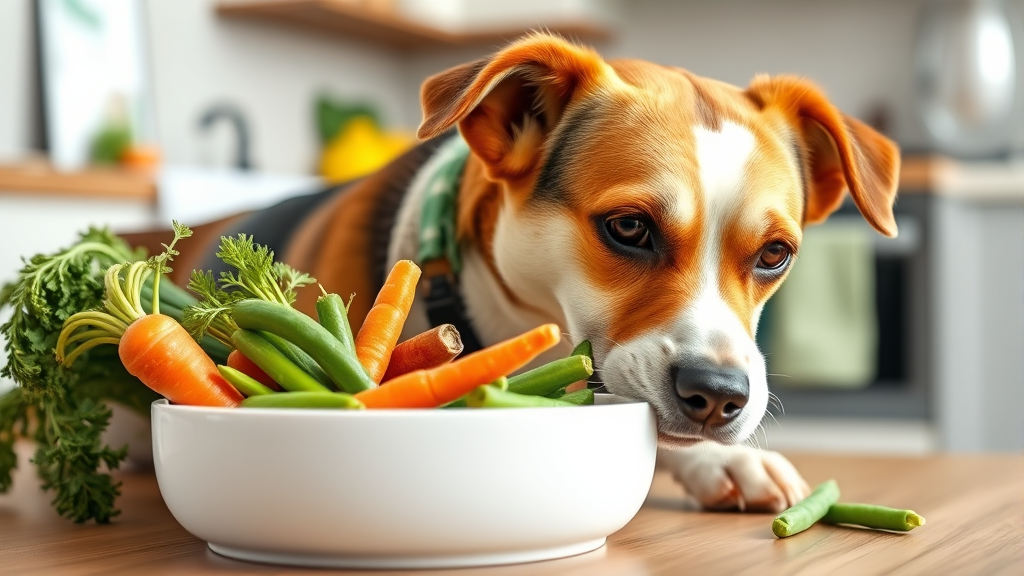
- Carrots (raw or cooked) – provide beta-carotene and crunch
- Sweet potatoes – rich in vitamins and naturally sweet
- Green beans – low-calorie and full of nutrients
- Pumpkin – great for digestion and naturally appealing to most dogs
- Broccoli (in small amounts) – provides vitamins C and K
Unlike onions, cooked potatoes can be safe for dogs when prepared properly without harmful seasonings. Similarly, ground turkey and cooked shrimp can provide protein variety when prepared without onions or other toxic ingredients.
Safe herbs and seasonings for dogs:
- Parsley (in small amounts) – can help freshen breath
- Basil – contains antioxidants and has anti-inflammatory properties
- Turmeric – may have anti-inflammatory benefits
- Ginger (small amounts) – can help with nausea
When preparing meals for your dog, focus on simple, whole ingredients. The FDA provides guidelines for pet food safety that can help you make informed decisions about what to feed your dog.
Always introduce new foods gradually and in small amounts to monitor for any adverse reactions. What’s safe for one dog might not agree with another, so individual tolerance should always be considered.
Frequently Asked Questions
Can dogs eat foods cooked with onions if I remove the onion pieces?
No, removing visible onion pieces does not make the food safe for dogs. The toxic compounds from onions dissolve into oils, broths, and sauces during cooking, contaminating the entire dish. Even if no onion pieces remain visible, the food retains the harmful compounds that can cause toxicity in dogs.
How long after eating onions will my dog show symptoms?
Symptoms of onion poisoning typically appear 1-4 days after consumption, though this can vary. The delay occurs because it takes time for the toxic compounds to damage enough red blood cells to cause noticeable symptoms. This delayed onset is why immediate veterinary consultation is important, even if your dog seems fine initially.
Are some dogs more sensitive to onion toxicity than others?
Yes, sensitivity to onion toxicity varies among individual dogs and breeds. Puppies, senior dogs, and dogs with existing health conditions may be more susceptible. Some Japanese breeds, including Akitas and Shiba Inus, appear to have increased sensitivity. However, all dogs are at risk, and there’s no way to predict individual tolerance safely.
Is onion powder more dangerous than fresh onions?
Yes, onion powder is significantly more dangerous than fresh onions because it’s concentrated. A small amount of onion powder contains much higher levels of toxic compounds than the same amount of fresh onion. This makes foods seasoned with onion powder particularly hazardous for dogs, even in seemingly small quantities.
What should I do if my dog accidentally ate something with onions several days ago and seems fine?
Contact your veterinarian even if your dog appears healthy. The delayed onset of onion poisoning means symptoms may not appear for several days, and by the time they’re visible, significant damage may have occurred. Your vet may recommend blood tests to check for early signs of anemia or red blood cell damage.
Can chronic exposure to small amounts of onion cause health problems?
Yes, repeated exposure to small amounts of onion over time can cause cumulative damage and chronic anemia. This is particularly concerning because the gradual onset may make it difficult to identify the cause. Even tiny amounts of onion-containing foods given regularly as treats can eventually lead to health problems.
Are green onions and chives as dangerous as regular onions?
Yes, all members of the Allium family, including green onions (scallions), chives, leeks, and shallots, contain the same toxic compounds as regular onions. Some may be even more concentrated in certain compounds. The Pet Poison Helpline lists all Allium species as toxic to dogs, and they should all be avoided equally.





