Can Dogs Have Cooked Pork Bones? Complete Vet Guide
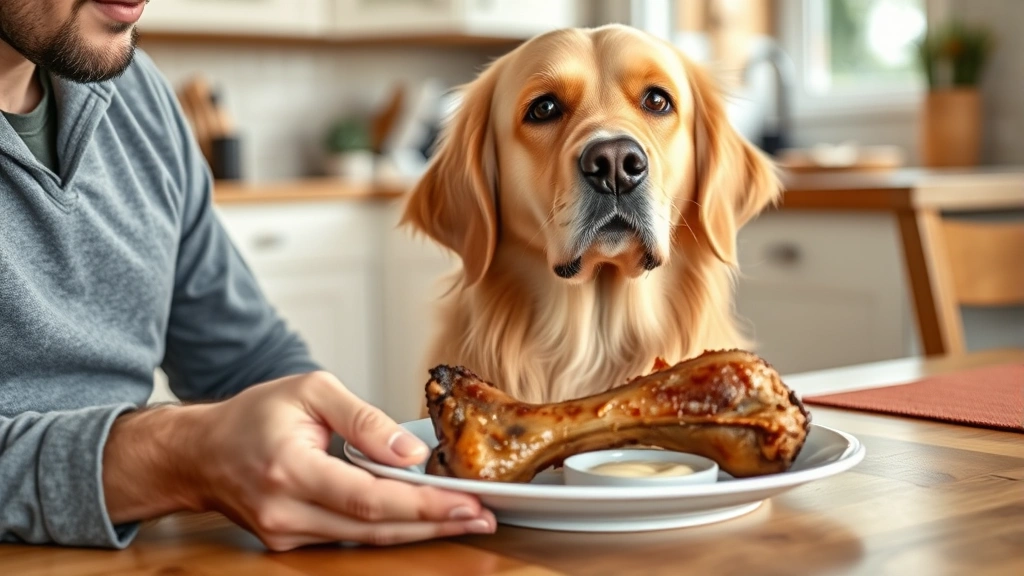
The question of whether dogs can safely consume cooked pork bones is one that many pet owners ask, especially after enjoying a delicious pork dinner. While the aroma of cooked pork might have your furry friend begging at the table, the answer from veterinarians is a resounding no. Cooked pork bones pose serious health risks to dogs and should never be given as treats or table scraps.
Understanding why cooked bones are dangerous, what risks they present, and what safer alternatives exist is crucial for keeping your dog healthy and happy. This comprehensive guide will walk you through everything you need to know about pork bones and canine safety, backed by veterinary expertise and evidence-based recommendations.
Why Cooked Pork Bones Are Dangerous for Dogs
Cooked pork bones represent a significant hazard to canine health for several interconnected reasons. When pork bones are subjected to heat during cooking, their structural integrity fundamentally changes. The collagen and other proteins denature, making the bone brittle, inflexible, and prone to breaking into sharp fragments. This is dramatically different from raw bones, which remain pliable and less likely to splinter dangerously.
The cooking process—whether roasting, boiling, grilling, or baking—removes moisture from the bone and causes it to become hard and rigid. This brittleness means that when your dog chews on a cooked pork bone, it’s far more likely to fracture into dangerous shards rather than wear down naturally as it would with raw bones. These sharp fragments can cause severe internal injuries as they travel through your dog’s digestive system.
According to the Association of American Feed Control Officials, bones should never be the primary protein source in processed dog foods, and cooked bones are particularly problematic. Veterinary nutritionists emphasize that the risks far outweigh any potential nutritional benefits.
The Splinter Problem: Sharp Fragments and Internal Injuries
One of the most critical dangers of cooked pork bones is their tendency to splinter into razor-sharp pieces. Unlike raw bones that maintain a degree of flexibility, cooked bones become extremely brittle. When your dog bites down on a cooked pork bone, it can shatter into fragments with edges sharp enough to cut tissue.
These sharp splinters can cause several types of injuries:
- Mouth and throat lacerations: Splinters can cut the gums, tongue, and throat tissue, causing bleeding and pain
- Esophageal damage: Sharp pieces can scratch or puncture the esophagus as they’re swallowed
- Stomach perforation: The most serious consequence is a hole in the stomach wall, which can lead to peritonitis (internal infection)
- Intestinal tears: Splinters can perforate the small or large intestine, requiring emergency surgery
These injuries often require emergency veterinary intervention and surgical repair. The costs can range from $2,000 to $10,000 or more, and the recovery period is lengthy and painful for your pet. Many dog owners are unaware of these risks until they face this terrifying situation.
Digestive Complications and Gastrointestinal Issues
Beyond the immediate risk of splinters, cooked pork bones can cause numerous digestive problems. Dogs have a shorter digestive tract than humans, and their stomach acid, while strong, isn’t designed to break down hardened bone material efficiently.
When a dog ingests cooked pork bone fragments, several complications can develop:
- Constipation: Bone fragments can accumulate in the colon, causing severe constipation that may require medical intervention
- Impaction: Hard bone pieces can become impacted in the intestines, blocking normal passage of food and waste
- Gastroenteritis: The inflammatory response to bone fragments can cause vomiting and diarrhea
- Pancreatitis: High-fat content in pork bones can trigger inflammation of the pancreas
Even if the bone fragments don’t cause immediate perforation, they can still cause significant discomfort and require intervention. Understanding how long it takes a dog to digest food helps explain why bone fragments pose such a prolonged risk—they may sit in the digestive tract for days, causing ongoing damage.
Choking and Intestinal Obstruction Risks
Choking is an immediate and potentially fatal risk when dogs consume cooked pork bones. Depending on the size of the bone piece and your dog’s size, a fragment can lodge in the throat, preventing breathing. This is a true medical emergency requiring immediate veterinary care or emergency intervention.
Beyond choking, intestinal obstruction is one of the most common reasons dogs require emergency abdominal surgery. When bone fragments accumulate or a larger piece becomes stuck, it can completely block the passage of food and waste through the intestines. Signs of obstruction include:
- Persistent vomiting
- Loss of appetite
- Abdominal pain and distension
- Inability to defecate
- Lethargy and depression
- Dehydration
Intestinal obstruction is life-threatening if not treated promptly. Surgery is often required to remove the blockage, and the procedure carries risks of its own. Prevention is vastly superior to treatment in this case, which is why veterinarians universally recommend avoiding cooked pork bones.
Safe Bone Alternatives and Chewing Options
The good news is that there are many safe alternatives to cooked pork bones that can satisfy your dog’s natural urge to chew while providing nutritional benefits and mental stimulation.
Raw Meaty Bones: If you want to offer bones, raw meaty bones are significantly safer than cooked ones. Raw bones maintain their flexibility and are less likely to splinter. However, raw bones still carry risks of bacterial contamination (like salmonella) and should be handled carefully. Always supervise your dog and remove any bone after 15-20 minutes of chewing.
Dental Chews: Products specifically designed for dental health can satisfy chewing urges while cleaning teeth. Look for VOHC (Veterinary Oral Health Council) approved products.
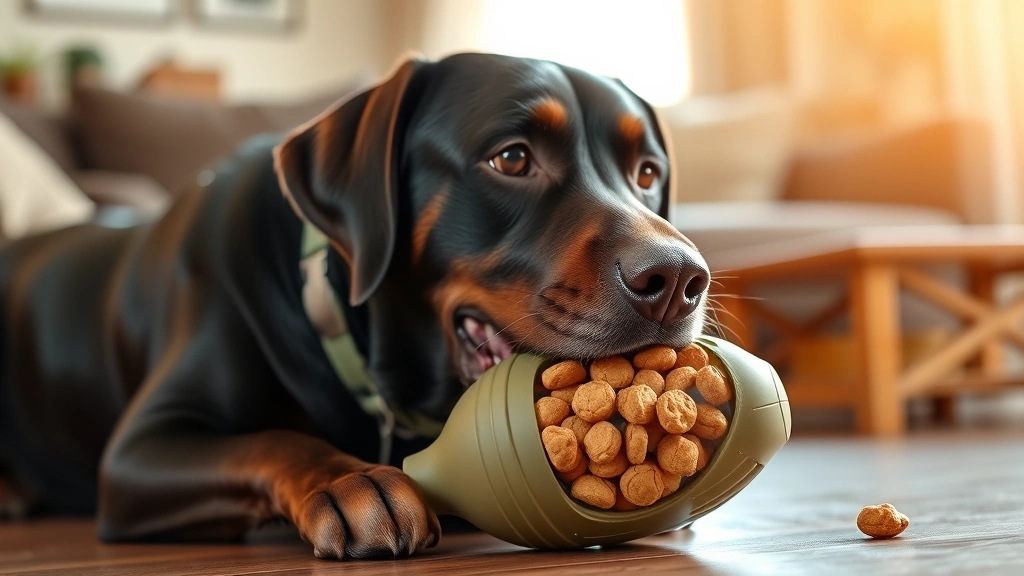
Rubber Chew Toys: Durable rubber toys like Kongs can be filled with treats or peanut butter (ensure it’s xylitol-free, as dogs need safe peanut butter options). These provide hours of entertainment and mental enrichment.
Nylon Chews: Products like Nylabone provide long-lasting chewing satisfaction without the risks associated with real bones.
Bully Sticks: These are dried bull penises that are digestible and break down safely in the stomach. They’re a popular choice among veterinarians.
Rawhide Alternatives: Yak cheese chews and other digestible alternatives provide similar satisfaction without the risks of traditional rawhide.
Raw Bones vs. Cooked Bones: Understanding the Difference
To understand why cooked pork bones are dangerous, it’s important to compare them with raw bones. Raw bones undergo significant structural changes during cooking that make them dangerous.
Raw Bones:
- Remain flexible and pliable
- Less likely to splinter into sharp shards
- Contain moisture that prevents brittleness
- Can be gnawed gradually without splintering
- Still carry risks but are substantially safer
Cooked Bones:
- Become hard and brittle
- Splinter easily into razor-sharp fragments
- Lose moisture, increasing fragility
- Can shatter when chewed
- Pose serious risk of internal injury
Even with raw bones, veterinarians recommend caution. The ASPCA advises that bones should always be given under supervision and removed after a reasonable chewing period.
It’s also important to note that the source of the bone matters. Pork bones are particularly problematic because pork fat can trigger pancreatitis in susceptible dogs. Additionally, bones from processed meats (like ham or bacon) may contain high sodium levels and preservatives that aren’t ideal for canine health.
Signs Your Dog Ate Cooked Pork Bones: When to Seek Help
If you suspect your dog has consumed cooked pork bones, it’s crucial to know what symptoms warrant emergency veterinary care. Some signs appear immediately, while others develop over hours or days.
Immediate Warning Signs (Call vet right away):
- Choking or difficulty breathing
- Excessive drooling or difficulty swallowing
- Vomiting, especially if blood is present
- Severe abdominal pain or bloating
- Inability to defecate or straining to defecate
- Signs of shock (pale gums, weakness, rapid heartbeat)
Delayed Warning Signs (Monitor closely, contact vet if persist):
- Loss of appetite lasting more than a few hours
- Lethargy or unusual behavior
- Mild vomiting or diarrhea
- Constipation or difficulty passing stool
- Abdominal tenderness
- Fever
It’s worth noting that some dogs may not show symptoms immediately. Bone fragments can take several days to cause problems. If your dog ate a cooked pork bone, contact your veterinarian even if your dog seems fine. Your vet may recommend monitoring, imaging (X-rays or ultrasound), or other interventions based on the size and type of bone consumed.
Recognizing that cooked pork bones fall into the category of household items that can harm dogs is the first step in prevention.
Frequently Asked Questions
Can dogs have pork bones at all?
Raw pork bones are safer than cooked ones, but they still carry risks. If you choose to give raw pork bones, supervise closely, ensure they’re large enough that your dog can’t swallow them whole, and remove them after 15-20 minutes. Many veterinarians recommend avoiding pork bones entirely due to the fat content and pancreatitis risk. Chicken or beef bones (raw only) are generally considered safer options, though supervision is always necessary.
What if my dog already ate a small piece of cooked pork bone?
If your dog ate a small piece, monitor closely for the symptoms listed above. Contact your veterinarian for guidance. Don’t panic, as small pieces often pass without incident, but professional advice is important. Your vet may recommend fasting, adding fiber to help move the bone through the system, or imaging if you’re concerned.
Is the bone broth made from cooked pork bones safe for dogs?
Bone broth that’s been strained to remove all bone fragments is safer than giving whole bones, but it’s still high in fat and may not be ideal for all dogs. Always ensure it contains no garlic, onions, or excessive sodium. Consult your vet before adding bone broth to your dog’s diet, especially if your dog has pancreatitis or digestive sensitivity.
What about smoked or grilled pork bones?
Smoked and grilled pork bones are even more dangerous than simply cooked ones. The high-heat cooking methods make them extra brittle and prone to splintering. Additionally, smoke and char can add compounds that may be harmful. Avoid these completely.
Can I give my dog pork meat without bones?
Plain, unseasoned pork meat in moderation can be safe for most dogs. Avoid pork products with garlic, onions, excessive salt, or spices. Remove all fat before serving, as pork fat can trigger pancreatitis. Always cook pork thoroughly to eliminate parasites and bacteria. Pork should be an occasional treat, not a dietary staple.
How do I prevent my dog from eating bones when we’re eating dinner?
Prevention is key. Keep your dog in another room while eating, or use a baby gate to create a barrier. Train your dog with commands like “leave it” and reward compliance with safe treats. Never leave bones unattended on tables or counters. Dispose of bones immediately in a secure trash can your dog can’t access. Educate family members and guests about the risks so they don’t sneak bones to your dog.
Are there any health benefits to giving dogs bones?
While bones do contain minerals like calcium and phosphorus, these nutrients are better obtained through balanced commercial dog foods or supplements recommended by your vet. The risks of cooked bones far outweigh any potential nutritional benefits. If you’re concerned about your dog’s mineral intake, discuss supplementation with your veterinarian rather than relying on bones.
Conclusion
The answer to “can dogs have cooked pork bones” is definitively no. Cooked pork bones are dangerous due to their tendency to splinter, their high fat content, and the risks of choking and intestinal obstruction. The potential for serious injury—including internal bleeding, perforation of the digestive tract, and life-threatening obstruction—makes cooked pork bones an unacceptable risk.
Instead, focus on providing safe chewing alternatives that satisfy your dog’s natural urges without endangering their health. Consult with your veterinarian about appropriate treats and chews for your specific dog. By understanding these risks and taking preventive measures, you can keep your beloved companion safe and healthy for years to come. Remember, a few moments of begging at the dinner table is far better than an emergency surgery and weeks of recovery.