
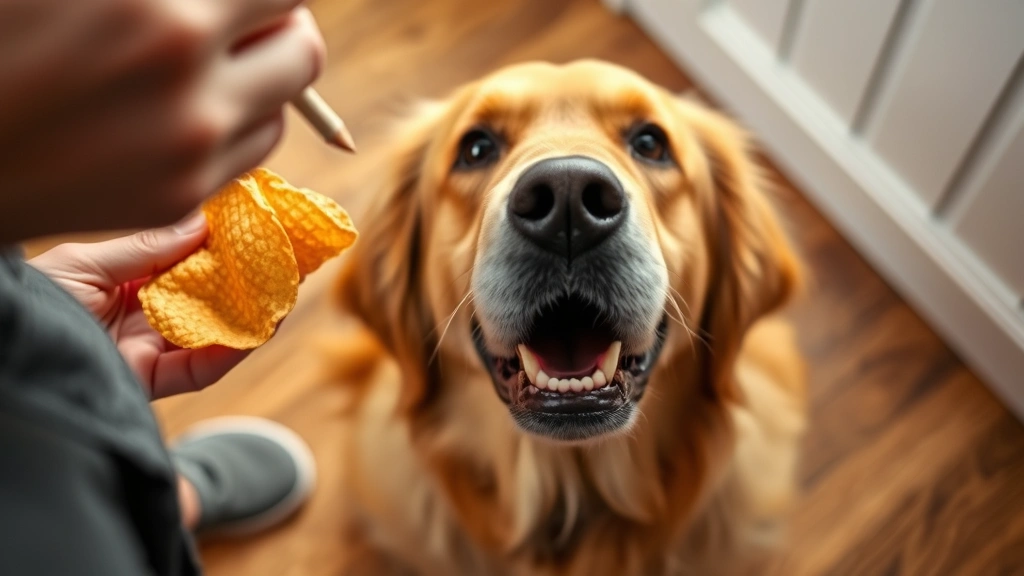
Can Dogs Eat Corn Chips? Vet Advice on Safety and Risks
Corn chips are a beloved human snack—crispy, salty, and satisfying. But when your dog gives you those irresistible puppy eyes while you’re enjoying a bag, you might wonder: Can dogs eat corn chips? The short answer is no, dogs should not eat corn chips regularly, though a single chip here and there won’t cause immediate harm. However, understanding the risks involved is crucial for keeping your furry friend healthy and preventing digestive upset.
As a responsible pet owner, it’s essential to know which human foods are safe for dogs and which ones pose potential health risks. Corn chips may seem harmless since corn itself isn’t toxic to dogs, but the preparation method, high sodium content, and added ingredients make them problematic for canine consumption. This comprehensive guide breaks down everything you need to know about corn chips and your dog’s health.
Are Corn Chips Safe for Dogs?
While plain, unsalted corn is generally safe for dogs in moderation, commercially produced corn chips are not recommended for your canine companion. The processing, seasoning, and additives transform a relatively benign ingredient into a problematic snack. Most corn chips contain excessive amounts of salt, unhealthy fats, and sometimes artificial flavors or preservatives that aren’t suitable for dogs.
A single corn chip won’t poison your dog, but making it a regular treat can lead to various health complications. The issue isn’t just about the corn itself—it’s about everything added to it during manufacturing. Dogs have different nutritional requirements than humans, and their digestive systems aren’t designed to process highly processed human snacks.
If your dog accidentally grabbed a chip or two from your snack bowl, don’t panic. Monitor them for any signs of discomfort, but isolated incidents are unlikely to cause serious problems. However, intentionally feeding your dog corn chips or allowing free access to them is a different story and should be avoided.
Ingredient Concerns in Corn Chips
When examining the ingredient list on corn chips, several components raise red flags for pet owners:
- Excessive Salt: Most corn chips contain 150-250mg of sodium per ounce, far exceeding what dogs need
- Trans Fats: Many brands use vegetable oils high in unhealthy fats
- Artificial Flavors: Chemicals designed for human taste preferences may upset canine digestive systems
- Spices: Chili powder, paprika, or other seasonings can irritate a dog’s stomach
- Onion and Garlic Powder: Some flavored varieties contain these toxic compounds
- Cheese Powder: Lactose can cause digestive upset in many dogs
The cumulative effect of these ingredients makes corn chips unsuitable for dogs. Even if one ingredient might be tolerable in small amounts, the combination creates a snack that doesn’t provide nutritional value and introduces unnecessary risks.

Sodium and Salt Toxicity in Dogs
One of the primary concerns with corn chips is their high sodium content. Dogs require only about 200mg of sodium daily for basic physiological functions, while a single serving of corn chips can contain 10-20 times that amount.
Excessive salt consumption in dogs can lead to:
- Increased thirst and urination
- Electrolyte imbalances
- High blood pressure
- Kidney stress, particularly in senior dogs
- Dehydration
- Tremors and seizures in severe cases (salt toxicity)
Dogs with pre-existing health conditions—especially those with kidney disease, heart problems, or hypertension—are at elevated risk. According to the American Kennel Club, maintaining appropriate sodium levels is crucial for canine cardiovascular and renal health.
While a single chip won’t cause salt toxicity, regular consumption of salty snacks can accumulate over time, leading to chronic health issues. This is why it’s important to establish clear boundaries about which human foods your dog can access.
Digestive Issues and Upset Stomach
Dogs with sensitive stomachs are particularly vulnerable to the effects of corn chips. The high fat content and artificial ingredients can trigger:
- Diarrhea and loose stools
- Vomiting
- Abdominal discomfort
- Gas and bloating
- Loss of appetite
If your dog experiences diarrhea after eating corn chips, this indicates their digestive system is struggling to process the snack. Some dogs are more resilient than others, but why risk it when healthier options exist?
For dogs prone to digestive upset, even a small amount of corn chips can cause problems. The proper response if your dog has diarrhea includes identifying and eliminating the trigger food. If corn chips are the culprit, remove them from your dog’s environment entirely.
Additionally, the combination of fat and salt can stress the pancreas. In severe cases, this may contribute to pancreatitis, a serious inflammatory condition. Dogs with a history of pancreatitis should especially avoid fatty, salty foods.

Healthier Snack Alternatives
Rather than offering your dog corn chips, consider these nutritious alternatives that satisfy the desire for a crunchy treat:
- Plain, air-popped popcorn: Low-calorie and crunchy without added salt or butter
- Raw carrots: Great for dental health and naturally low-calorie
- Apple slices: Remove seeds first; provides natural sweetness
- Raw celery: Hydrating and excellent for dental cleaning
- Plain, unsalted pumpkin: Excellent for digestive health; try pumpkin for dogs with diarrhea
- Green beans: Low-calorie and nutrient-dense
- Watermelon: Hydrating and refreshing, especially in summer
- Plain, cooked chicken: High-protein treat without additives
- Dog-specific treats: Formulated to meet canine nutritional needs
These alternatives provide actual nutritional value while avoiding the risks associated with processed human snacks. Many of these options also offer additional health benefits—carrots help clean teeth, pumpkin aids digestion, and lean proteins support muscle development.
When selecting commercial dog treats, read labels carefully and choose products with minimal ingredients and no artificial additives. Look for treats specifically formulated for dogs rather than adapting human snacks.
What to Do If Your Dog Eats Corn Chips
Accidents happen, and your dog might snatch a corn chip when you’re not looking. Here’s how to respond:
- Stay calm: A single chip is unlikely to cause serious harm
- Monitor closely: Watch for signs of digestive upset over the next 24-48 hours
- Ensure hydration: Provide fresh water to help flush excess sodium
- Observe appetite: Note any changes in eating patterns or behavior
- Check stool: Monitor bowel movements for consistency changes
- Contact your vet: If symptoms develop or if your dog consumed a large quantity, contact your veterinarian
For dogs that consumed a significant amount of corn chips, contact your veterinary clinic. They can assess your dog’s condition and provide specific guidance based on their age, weight, and health status. Never induce vomiting unless specifically instructed by your vet, as this can cause additional harm.
If your dog develops symptoms like constipation or other digestive issues, your vet can recommend appropriate dietary adjustments or remedies. Keep a record of what your dog ate and when, as this information helps veterinarians diagnose problems accurately.
Prevention is always easier than treatment. Store corn chips and other tempting human snacks out of your dog’s reach. Use secure containers and be mindful during meals when dogs are most likely to beg for table scraps.
FAQ
Can dogs eat one corn chip?
A single corn chip won’t typically cause serious harm, but it’s not recommended as a regular treat. Monitor your dog for any signs of digestive upset, and prevent repeated access to these snacks.
Are Doritos safe for dogs?
No, Doritos and similar flavored corn chips are even more problematic than plain varieties. They contain additional seasonings, artificial flavors, and sometimes onion or garlic powder, which can be toxic to dogs. Avoid these entirely.
What if my dog ate a whole bag of corn chips?
Contact your veterinarian immediately. A large quantity poses serious risks, including potential salt toxicity, pancreatitis, or severe digestive upset. Your vet can assess your dog’s condition and recommend treatment if necessary.
Can puppies eat corn chips?
Puppies should absolutely avoid corn chips. Their developing digestive systems are even more sensitive than adult dogs, and they have specific nutritional requirements for proper growth. Stick to age-appropriate puppy food and treats.
Are there any corn chip brands safe for dogs?
Even “healthier” corn chip brands marketed for humans aren’t appropriate for dogs. The sodium content alone makes them unsuitable. If you want to give your dog corn-based treats, look for products specifically formulated for dogs.
What are symptoms of salt toxicity in dogs?
Signs include excessive thirst, frequent urination, vomiting, diarrhea, lethargy, tremors, or seizures. If your dog shows these symptoms after eating salty foods, contact an emergency veterinary clinic immediately.
Can I give my dog unsalted, plain corn?
Yes, plain, unsalted, cooked corn in moderation is safe for dogs. However, corn chips—even if unsalted—often contain unhealthy fats and additives. Plain corn is preferable if you want to offer corn as a treat.
Why do dogs find corn chips so appealing?
Dogs are attracted to the salty, fatty flavor and crunchy texture. These characteristics trigger their reward centers, making the snack highly appealing even though it’s not nutritionally appropriate for them. This is why understanding canine food motivation helps pet owners make better dietary choices.
Should I feel guilty if my dog ate corn chips accidentally?
No. Occasional, accidental consumption isn’t cause for guilt or panic. Focus on prevention moving forward by securing snacks properly and educating family members about appropriate dog treats. Everyone makes mistakes.
Can corn chips cause pancreatitis in dogs?
While a single chip won’t cause pancreatitis, the combination of high fat and salt content in multiple chips can increase risk, especially in dogs with predisposing factors. Dogs with a history of pancreatitis should never eat corn chips.
What should I feed my dog instead of human snacks?
Offer dog-specific treats, fresh fruits and vegetables, or plain cooked proteins. These provide better nutrition and fewer risks. Consult your veterinarian or a veterinary nutritionist for personalized recommendations based on your dog’s age and health.
Is corn bad for dogs in general?
Plain corn itself isn’t toxic to dogs, and many commercial dog foods include corn as an ingredient. However, it should be part of a balanced diet, not offered as a frequent snack. Processed corn products like chips are different from whole corn and pose additional risks.
Final Thoughts: While the occasional corn chip won’t harm your dog, making them a regular treat is unnecessary and potentially harmful. Your dog’s health is worth the effort to choose appropriate snacks. Stick to dog-specific treats, fresh produce, and plain proteins to keep your furry friend healthy, happy, and free from digestive upset. When in doubt, consult your veterinarian about which human foods are safe for your specific dog.





