
Can Dogs Have Cumin? A Safe Spice Guide for Pet Parents
If you’re anything like us, you love cooking with aromatic spices that make your kitchen smell absolutely amazing. Cumin is one of those staples that finds its way into everything from tacos to curry dishes. But here’s the question that keeps pet parents up at night: can dogs have cumin? The short answer is yes, but there’s definitely more to the story. Let’s dive into what you need to know about this popular spice and your furry friend’s safety.
As devoted dog lovers and responsible pet owners, we understand the temptation to share our meals with our four-legged companions. That puppy dog eye contact is practically irresistible! However, when it comes to seasonings and spices, we need to pump the brakes and do our homework. Not all human foods are created equal when it comes to canine nutrition, and understanding which spices are safe (and which aren’t) is crucial for keeping your pup healthy and happy.
Throughout this guide, we’ll explore everything you need to know about cumin for dogs, including safe amounts, potential benefits, and when you should absolutely avoid it. We’ll also touch on how cumin compares to other common kitchen spices your dog might encounter. By the end, you’ll be equipped with all the knowledge needed to make informed decisions about what goes into your dog’s bowl.
What Is Cumin and Where Does It Come From?
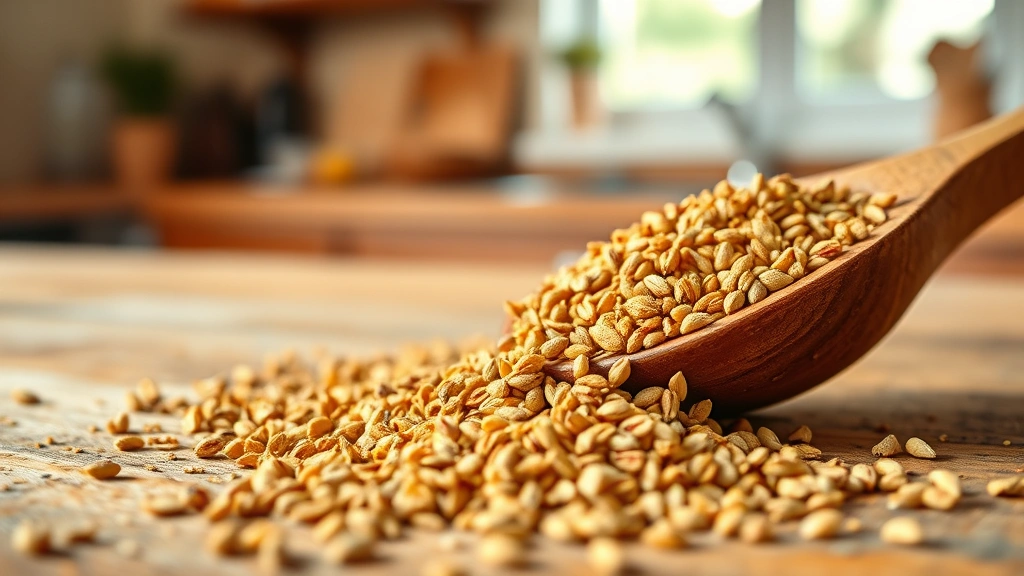
Cumin is a flowering plant in the family Apiaceae, and we typically use its dried seeds as a spice in cooking. Native to the eastern Mediterranean and South Asia, this ancient spice has been used for thousands of years in various culinary traditions around the world. It has a warm, earthy flavor with slightly nutty undertones that makes it a favorite in Mexican, Indian, and Middle Eastern cuisines.
The spice itself comes in several forms: whole seeds, ground powder, and essential oil. For the purposes of this discussion about dogs, we’re primarily concerned with the ground powder and whole seeds that you might find in your kitchen pantry. The essential oil form is significantly more concentrated and should never be given to dogs under any circumstances.
Cumin contains various compounds including cuminaldehyde, which gives it its distinctive flavor and aroma. It’s also rich in antioxidants and has been studied for various health properties in humans. But just because something is beneficial for us doesn’t automatically mean it’s safe or beneficial for our dogs, which is why we need to examine this spice specifically through the lens of canine health.

Is Cumin Safe for Dogs?
The straightforward answer is: yes, plain cumin in small amounts is generally safe for dogs. Unlike some spices that can be toxic to our furry friends, cumin itself is not poisonous to dogs. However, “safe” doesn’t mean it’s something your dog should be eating regularly or in large quantities. There’s an important distinction between “not toxic” and “beneficial” that pet owners need to understand.
The ASPCA’s list of foods to avoid for pets doesn’t include cumin as a toxic substance, which is a good starting point. Similarly, the American Kennel Club provides guidance on safe human foods, and plain cumin falls into the acceptable category when given sparingly.
What makes cumin relatively safe is that dogs don’t have the same taste receptors as humans, and they metabolize spices differently. A tiny pinch of cumin in your dog’s meal is unlikely to cause any harm. The key word here is “tiny.” We’re talking about amounts so small you might barely be able to see them.
If you’re considering adding cumin to your dog’s diet, you should first understand what seasonings can dogs have in general. This will give you a broader context for making safe choices about your pup’s nutrition.
Potential Health Benefits of Cumin for Dogs
While cumin isn’t something you should be actively feeding your dog, there are some interesting compounds in this spice that have been studied for health properties. In very small amounts, cumin might offer some minor benefits, though more research in dogs specifically is needed.
Antioxidant Properties: Cumin contains several antioxidants that help combat free radicals in the body. These compounds may support overall cellular health, though the amount of cumin a dog would consume would be minimal.
Anti-inflammatory Potential: Some studies have suggested that compounds in cumin may have mild anti-inflammatory effects. For dogs with certain joint issues or inflammation concerns, this could theoretically be beneficial in trace amounts. However, this should never replace veterinary treatment or prescribed medications.
Digestive Support: Cumin has traditionally been used to support digestive health in human cultures. Some of its compounds may help with digestion, though again, the amounts your dog would consume would be extremely small.
Antimicrobial Properties: Research has shown that cumin has antimicrobial properties, which might help fight certain bacteria. However, your dog’s digestive system is already equipped with beneficial bacteria that help them thrive.
It’s important to note that these potential benefits are primarily observed when cumin is consumed in significant amounts—amounts that would be inappropriate and potentially harmful for dogs. If you’re interested in supporting your dog’s health through their diet, consider exploring other options like whether dogs can eat ginger or learning more about what spices are good for dogs that are specifically recommended for canine nutrition.
How Much Cumin Can Dogs Safely Have?
If you’re going to give your dog cumin at all, less is definitely more. The safe amount is so small that it’s almost negligible. We’re talking about a pinch—and not even a generous pinch, but rather a tiny fraction of what you’d normally sprinkle on your own food.
General Guidelines:
- Small dogs (under 10 lbs): A microscopic amount, essentially just a trace
- Medium dogs (10-50 lbs): A very small pinch, roughly 1/8 of a teaspoon maximum, and only occasionally
- Large dogs (over 50 lbs): A small pinch, roughly 1/4 teaspoon maximum, and only occasionally
The key word in all of these recommendations is “occasionally.” This isn’t something your dog should have multiple times a week or even once a week. If you’re adding a tiny bit of plain cumin to your dog’s food as an occasional treat or flavor enhancement, that’s one thing. But cumin should never be a regular part of your dog’s diet.
Most veterinarians would suggest that if you’re concerned about your dog’s nutrition or want to add something to their diet, you should focus on proven, dog-safe options rather than experimenting with spices. Your dog’s regular kibble or vet-approved meals are formulated to provide complete nutrition.
Risks and Concerns You Should Know
While plain cumin in tiny amounts is generally safe, there are several important risks and concerns you should be aware of before adding this spice to your dog’s diet.
Upset Stomach: The most common issue is gastrointestinal upset. Dogs have sensitive digestive systems, and introducing new spices can cause vomiting, diarrhea, or general stomach discomfort. Even small amounts of cumin might trigger this reaction in sensitive dogs.
Cumin Essential Oil: This is where things get serious. Cumin essential oil is highly concentrated and can be toxic to dogs. Never apply essential oils to your dog’s food or use them in any way related to your pet. Essential oils are 15-40 times more concentrated than the dried spice, making them dangerous.
Spice Blends and Seasonings: Here’s where most problems occur. When cumin is part of a spice blend—like in taco seasoning, curry powder, or garam masala—it often comes with other ingredients that ARE toxic to dogs. Many commercial spice blends contain garlic and onion powder, both of which are dangerous for dogs. This is the real risk you need to watch out for.
Allergic Reactions: While rare, some dogs may have allergic reactions to cumin. Signs include itching, swelling, difficulty breathing, or anaphylaxis in severe cases. If you notice any of these symptoms after your dog consumes cumin, seek veterinary attention immediately.
Interaction with Medications: If your dog is on any medications, cumin might interact with them. Some compounds in cumin can affect blood sugar levels and blood clotting. Always consult with your veterinarian before adding any new substances to your dog’s diet.
Choking Hazard: If you’re using whole cumin seeds, there’s a minor choking risk, especially for dogs who don’t chew their food thoroughly before swallowing.
How Cumin Compares to Other Dog-Friendly Spices
To give you better context, let’s look at how cumin stacks up against other spices you might consider for your dog.
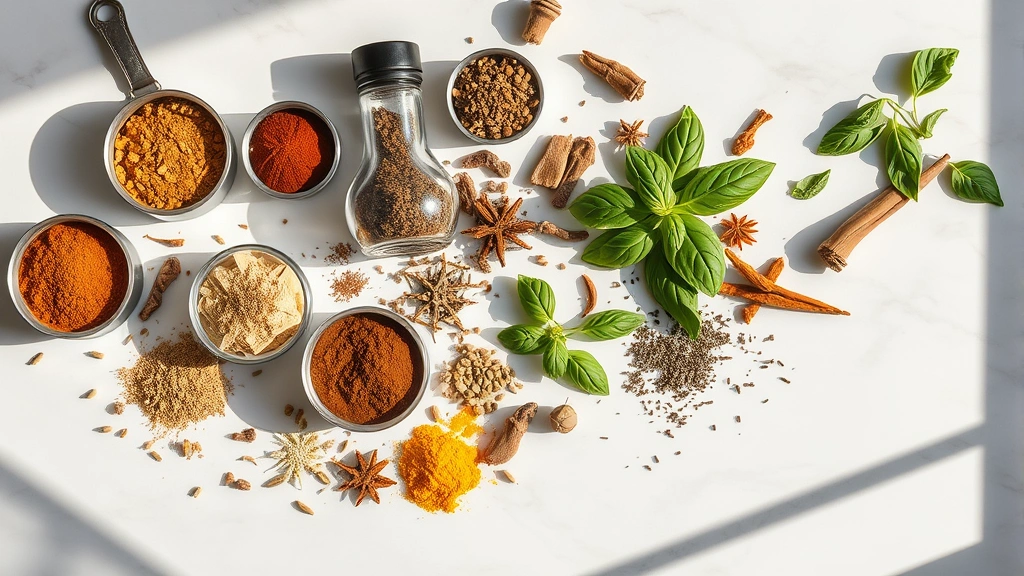
Cumin vs. Basil: Dogs can have basil in small amounts, and it’s actually slightly safer than cumin. Basil has fewer digestive upset concerns and some anti-inflammatory properties. If you’re looking to add a spice to your dog’s food, basil might be a better choice than cumin.
Cumin vs. Cinnamon: Is cinnamon good for dogs? Yes, in very small amounts, cinnamon is actually considered slightly safer than cumin for most dogs. It has similar potential health benefits but causes fewer digestive issues. However, cinnamon should still be given sparingly.
Cumin vs. Turmeric: Dogs can eat turmeric in small amounts, and it’s often considered more beneficial than cumin. Turmeric contains curcumin, which has been studied extensively for its anti-inflammatory and antioxidant properties in dogs. Many veterinarians are more comfortable with turmeric than with cumin.
The bottom line is that while cumin isn’t harmful, there are other spice options that might offer better benefits with fewer digestive concerns. If you’re interested in a comprehensive overview, check out our guide on what spices are good for dogs.
Safe Preparation and Serving Tips
If you’ve decided to give your dog a tiny amount of cumin, here are the safest ways to do it:
Use Plain Cumin Only: Make absolutely sure you’re using plain, ground cumin with no additives. Check the ingredient list to ensure there are no garlic, onion, salt, or other additives. Plain cumin should have one ingredient: cumin.
Avoid Spice Blends: Never give your dog food seasoned with spice blends that include cumin. Taco seasoning, curry powder, and similar blends almost always contain garlic and onion, which are toxic to dogs.
Mix with Food: If you’re adding cumin to your dog’s meal, mix it thoroughly into their regular food. This helps distribute the tiny amount evenly and reduces the chance of your dog getting a concentrated dose.
Start Small: If this is your dog’s first time having cumin, start with an absolutely microscopic amount and wait 24 hours to see if there are any adverse reactions. If your dog shows any signs of digestive upset, vomiting, diarrhea, or letharness, don’t give cumin again.
Monitor Your Dog: After giving cumin, keep an eye on your dog for several hours. Watch for signs of stomach upset, changes in behavior, or any unusual symptoms.
Consult Your Vet: Before adding cumin or any new food to your dog’s diet, it’s always wise to consult with your veterinarian. They know your dog’s specific health situation and can give you personalized advice.
Store Safely: Keep your cumin container stored safely away from your dog’s reach. While small amounts of cumin aren’t toxic, you don’t want your curious pup getting into the spice rack and consuming large quantities.
Remember, your dog doesn’t need cumin or any spices to be healthy and happy. Their nutritionally complete dog food is designed to provide everything they need. Any additions should be occasional and minimal.
Frequently Asked Questions
Can dogs eat cumin seeds?
Yes, plain cumin seeds are safe for dogs in extremely small amounts, though the powdered form is easier to control the dosage. Whole seeds do pose a minor choking risk, so ground cumin is preferable if you choose to give any at all. Never give large quantities of whole seeds.
What happens if my dog eats a lot of cumin?
If your dog consumes a large amount of cumin, they’ll likely experience digestive upset including vomiting, diarrhea, and stomach pain. This isn’t necessarily life-threatening, but it’s uncomfortable for your dog. If your dog accidentally gets into a container of cumin, monitor them closely. If they consumed more than a tablespoon or show severe symptoms, contact your veterinarian or ASPCA Animal Poison Control Center.
Is cumin toxic to dogs?
Plain cumin is not toxic to dogs. However, cumin essential oil is concentrated and can be harmful. Additionally, cumin in spice blends often comes with toxic ingredients like garlic and onion powder. The spice itself isn’t the problem—it’s the context in which it’s consumed.
Can I give my dog cumin for digestion?
While cumin has traditionally been used for digestive support in humans, it’s not recommended as a digestive aid for dogs. If your dog is having digestive issues, consult your veterinarian rather than trying to treat it with spices. They can recommend safe, proven solutions.
Is cumin better than other spices for dogs?
Cumin isn’t particularly special compared to other dog-safe spices. Basil, cinnamon, and turmeric are all equally safe or safer options if you’re set on adding something to your dog’s food. However, the best approach is to focus on your dog’s regular, balanced diet.
Can puppies have cumin?
Puppies have even more sensitive digestive systems than adult dogs, so cumin is best avoided entirely for puppies. Wait until your dog is fully grown before considering any spice additions, and even then, do so sparingly and only with veterinary approval.
What should I do if my dog accidentally eats cumin?
Don’t panic. A small accidental ingestion of plain cumin is unlikely to cause serious problems. Monitor your dog for signs of digestive upset over the next 24 hours. If they seem fine, no treatment is necessary. If they show signs of vomiting, diarrhea, or other concerning symptoms, contact your veterinarian.
Are there better spices I should give my dog instead?
If you want to add flavor to your dog’s food, consider dog-safe options like plain pumpkin, sweet potato, or carrots. These provide nutritional benefits and are much safer than spices. If you’re set on spices, consult with a veterinary nutritionist about what’s appropriate for your specific dog.





