

Many dog owners find themselves wondering about the safety of sharing their favorite snacks with their furry companions. When it comes to citrus fruits like Cuties (those adorable little mandarin oranges), the question becomes even more pressing. These sweet, easy-to-peel fruits are a popular choice for families, but can dogs have cuties safely?
Understanding what fruits are safe for dogs is crucial for responsible pet ownership. While some fruits offer excellent nutritional benefits for our canine friends, others can pose serious health risks. Citrus fruits fall into a complex category that requires careful consideration of both the benefits and potential dangers.
This comprehensive guide will explore everything you need to know about feeding Cuties and other citrus fruits to your dog, including the science behind citrus sensitivity in canines, safe alternatives, and expert recommendations for keeping your pet healthy and happy.
Understanding Cuties and Their Nutritional Profile
Cuties are a brand name for mandarin oranges, specifically Clementine and Murcott varieties depending on the season. These small, sweet citrus fruits are packed with vitamin C, fiber, and natural sugars that make them appealing to humans. A typical Cutie contains about 40 calories, 9 grams of sugar, and provides over 50% of the daily vitamin C requirement for humans.
The appeal of Cuties lies in their convenience and sweetness. They’re easy to peel, seedless, and perfectly portioned for snacking. However, what makes them perfect for humans doesn’t necessarily translate to safety for dogs. The concentrated citrus oils in the peel and the acidic nature of the fruit flesh can present challenges for canine digestive systems.
When considering Can Dogs Eat Cuties, it’s important to understand that dogs process nutrients differently than humans. While vitamin C isn’t essential for dogs (they produce it naturally), the other components of citrus fruits can have varying effects on canine health.
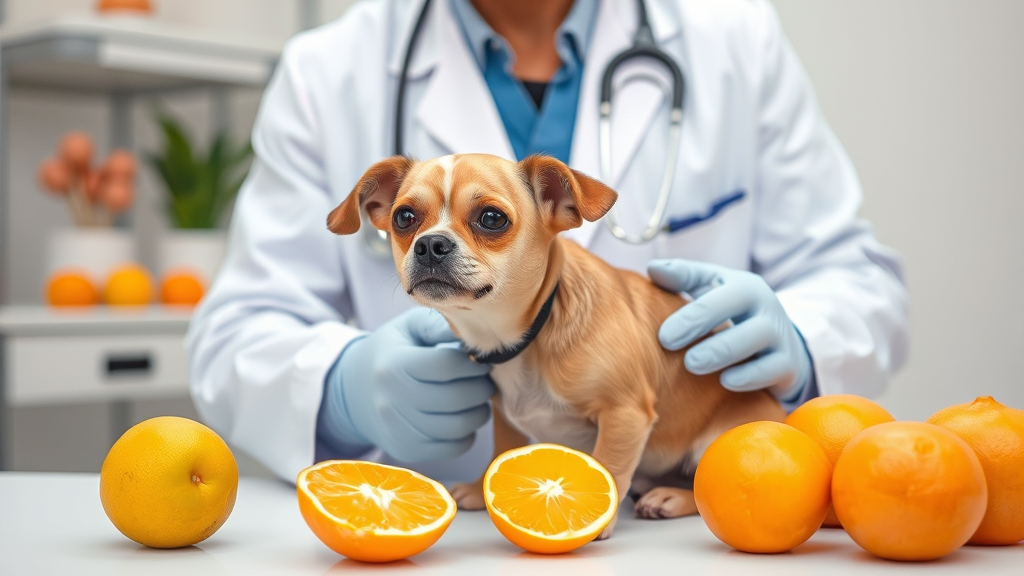
The Complex Relationship Between Dogs and Citrus
Dogs have a complicated relationship with citrus fruits that stems from their evolutionary biology and digestive capabilities. Unlike humans, dogs haven’t evolved to regularly consume citrus fruits, which means their digestive systems aren’t optimized for processing the acids and oils found in these fruits.
The primary concern with citrus fruits involves the essential oils found in the peels, particularly limonene and linalool. These compounds can cause gastrointestinal upset in dogs and, in larger quantities, may lead to more serious health issues. The ASPCA Animal Poison Control Center lists citrus plants as potentially problematic for pets.
Research from veterinary nutritionists indicates that while small amounts of citrus flesh may not be immediately harmful to most dogs, the cumulative effects and individual sensitivities can vary significantly. Some dogs may experience mild stomach upset, while others might have more severe reactions. The question of whether Can Dogs Have Mandarin Oranges requires understanding these individual variations.
The citric acid content in Cuties and similar fruits can also affect dogs differently than humans. While humans can easily process and benefit from citric acid, dogs may experience digestive discomfort, especially if they consume larger quantities or have sensitive stomachs.
Safety Concerns and Potential Risks
Several safety concerns arise when considering citrus fruits for dogs. The most immediate risk involves gastrointestinal upset, which can manifest as vomiting, diarrhea, or general stomach discomfort. These symptoms typically occur within hours of consumption and can range from mild to severe depending on the amount consumed and the individual dog’s sensitivity.
The essential oils in citrus peels pose a more serious concern. These oils can cause central nervous system depression in dogs, leading to symptoms such as lethargy, loss of coordination, and in severe cases, difficulty breathing. This is why understanding whether Can Dogs Eat Orange Peels is particularly important for pet owners.
Another significant risk involves the potential for intestinal blockage. While Cuties are typically seedless, other citrus fruits may contain seeds that could cause choking or intestinal obstruction in smaller dogs. Even the fibrous pulp of citrus fruits can cause digestive issues in dogs with sensitive stomachs.
Long-term consumption of citrus fruits may also contribute to dental problems in dogs. The natural acids in these fruits can erode tooth enamel over time, potentially leading to dental decay and sensitivity. The American Veterinary Medical Association emphasizes the importance of understanding which foods can cause both immediate and long-term health issues in pets.

Safe Citrus Alternatives for Dogs
Fortunately, many safe and nutritious alternatives can satisfy your dog’s sweet tooth without the risks associated with citrus fruits. Apples (without seeds), blueberries, and strawberries provide natural sweetness and beneficial nutrients without the problematic acids and oils found in citrus.
Bananas offer natural sugars and potassium, making them an excellent treat for most dogs when given in moderation. Watermelon (seedless) provides hydration and sweetness, especially appealing during warmer months. These alternatives allow pet owners to share healthy snacks with their dogs without worrying about adverse reactions.
For dogs that enjoy the refreshing quality of citrus, frozen treats made with dog-safe fruits can provide similar satisfaction. Freezing small pieces of apple or banana creates a refreshing snack that can be particularly appealing during hot weather.
When considering any fruit for your dog, it’s essential to research each type individually. Questions like Can Dogs Have Tangerines or Can Dog Eat Orange should be investigated thoroughly, as different citrus varieties may have varying levels of problematic compounds.
Feeding Guidelines and Best Practices
If you decide to offer your dog a small piece of citrus fruit occasionally, following proper guidelines is crucial for safety. Start with tiny amounts – no more than one small segment for a medium-sized dog – and monitor for any adverse reactions over the next 24 hours.
Always remove all peels, seeds, and white pith before offering any citrus to your dog. These parts contain the highest concentrations of problematic compounds and pose the greatest risks. Even when considering whether Can Dogs Eat Mandarin Oranges, proper preparation is essential.
Never make citrus fruits a regular part of your dog’s diet. These should only be considered occasional treats, if at all, and should never replace balanced, species-appropriate nutrition. The FDA’s guidelines for pet nutrition emphasize the importance of maintaining proper dietary balance for pets.
Consider your dog’s size, age, and health status when making decisions about treats. Puppies, senior dogs, and those with existing health conditions may be more susceptible to adverse reactions from citrus fruits. Always consult with your veterinarian before introducing new foods to dogs with known dietary sensitivities or health issues.
What to Do in Emergency Situations
If your dog has consumed a large amount of citrus fruit or is showing signs of distress after eating citrus, immediate action may be necessary. Symptoms to watch for include excessive vomiting, diarrhea, lethargy, loss of coordination, difficulty breathing, or signs of abdominal pain.
Contact your veterinarian immediately if you observe any concerning symptoms. Have information ready about what type and how much citrus your dog consumed, when it happened, and what symptoms you’re observing. This information will help your vet provide appropriate guidance.
The ASPCA Animal Poison Control Center provides 24/7 emergency consultation services for pet poisoning situations. Their hotline can provide immediate guidance while you’re arranging veterinary care.
Never attempt to induce vomiting unless specifically directed by a veterinary professional. In some cases, this can cause more harm than good. Instead, focus on keeping your dog calm and comfortable while seeking professional guidance.
Expert Recommendations and Final Thoughts
Veterinary nutritionists and animal health experts generally advise caution when it comes to citrus fruits and dogs. While small amounts of citrus flesh may not cause immediate harm to healthy adult dogs, the risks often outweigh the minimal benefits.
Dr. Jennifer Coates, a veterinary advisor, emphasizes that dogs don’t require vitamin C supplementation since they produce it naturally. This means the primary benefit humans derive from citrus fruits isn’t necessary for canine health. The American Kennel Club’s nutrition guidelines support this position.
The consensus among pet health professionals is that safer alternatives exist for treating dogs. Questions about Can Dogs Have Clementines and similar citrus fruits typically receive similar responses from experts – while not immediately toxic in small amounts, they’re not recommended treats.
Instead of citrus, focus on providing your dog with treats specifically formulated for canine nutrition or veterinarian-approved fruits and vegetables. This approach ensures your pet receives appropriate nutrition without unnecessary risks.
The Humane Society maintains comprehensive lists of foods that can be problematic for pets, serving as an excellent resource for pet owners seeking guidance on safe treat options.
Frequently Asked Questions
Can dogs eat Cuties in small amounts?
While small amounts of Cutie flesh may not immediately harm healthy adult dogs, it’s not recommended due to potential digestive upset and the lack of nutritional necessity. The citric acid and essential oils can cause stomach problems, and safer treat alternatives exist.
What happens if my dog accidentally eats a whole Cutie?
If your dog consumes a whole Cutie, monitor them closely for signs of gastrointestinal upset such as vomiting, diarrhea, or lethargy. Contact your veterinarian if symptoms develop or if you’re concerned. Most healthy dogs may experience mild stomach upset but should recover within 24-48 hours.
Are Cutie peels dangerous for dogs?
Yes, Cutie peels are more dangerous than the flesh because they contain higher concentrations of essential oils like limonene and linalool. These compounds can cause more severe digestive upset and, in large quantities, may affect the central nervous system. Always remove all peel before considering any citrus for dogs.
Can puppies eat Cuties?
Puppies should not be given Cuties or other citrus fruits. Their developing digestive systems are more sensitive to acids and essential oils, making them more susceptible to adverse reactions. Stick to puppy-appropriate treats and foods recommended by your veterinarian.
What are safe alternatives to citrus fruits for dogs?
Safe fruit alternatives include apples (without seeds), blueberries, strawberries, bananas, and seedless watermelon. These provide natural sweetness and beneficial nutrients without the risks associated with citrus fruits. Always introduce new treats gradually and in moderation.
How much citrus is toxic to dogs?
There’s no established toxic dose for citrus in dogs, as sensitivity varies by individual, size, and health status. However, any amount that causes symptoms should be considered too much. It’s best to avoid citrus entirely and choose safer treat options for your pet.
Should I call the vet if my dog ate citrus fruit?
Contact your veterinarian if your dog shows any concerning symptoms after eating citrus, consumed a large amount, or if you’re unsure about their reaction. It’s always better to err on the side of caution when it comes to your pet’s health and safety.





