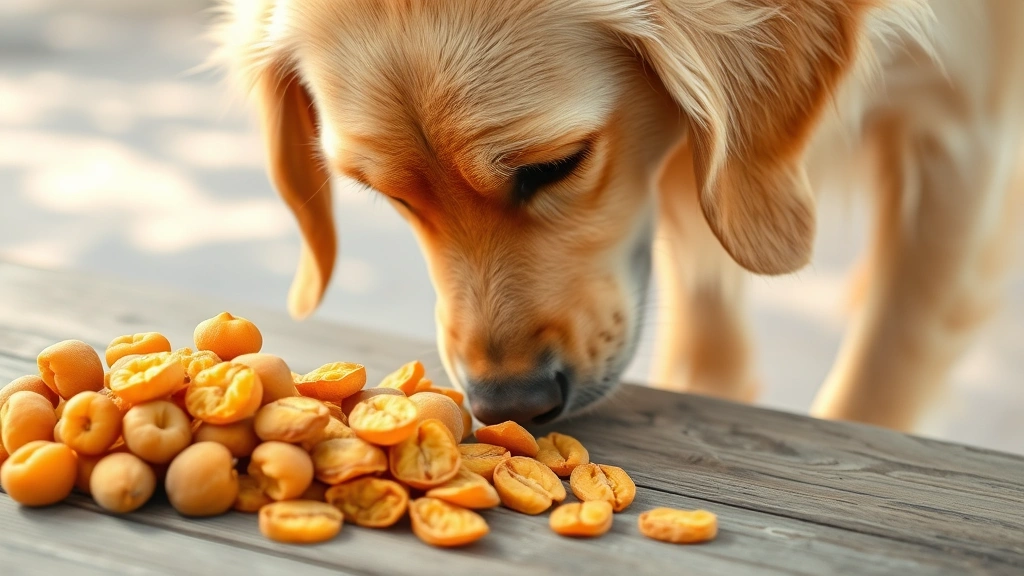
Can Dogs Eat Dried Apricots? Safety Tips Every Pet Parent Should Know
If you’ve ever munched on a handful of dried apricots while your furry best friend stares up at you with those irresistible puppy dog eyes, you’ve probably wondered: Can dogs have dried apricots? It’s a question that deserves a thoughtful answer, because while fresh apricots can be a tasty treat for your pup, dried apricots present some unique considerations that every responsible dog owner should understand.
The short answer is yes, dogs can technically eat dried apricots in very small amounts, but there are several important caveats. Unlike some human foods that are outright toxic to canines, dried apricots exist in a gray area—they’re not poisonous, but they do come with potential risks that make them less than ideal as regular snacks. In this comprehensive guide, we’ll explore everything you need to know about dried apricots and your dog’s health, from nutritional benefits to portion control and safer alternatives.
Whether you’re a first-time dog owner or a seasoned pet parent, understanding what your dog can and cannot eat is crucial for their long-term health and happiness. So let’s dive into the specifics of dried apricots and discover how to keep your four-legged companion safe and satisfied.
Nutritional Profile of Dried Apricots
Dried apricots are nutritional powerhouses for humans, packed with vitamins, minerals, and fiber. They contain vitamin A for eye health, potassium for heart function, and natural antioxidants that combat free radicals. However, the nutritional profile that makes dried apricots so beneficial for humans doesn’t translate the same way for our canine companions.
When apricots are dried, the water content is removed, which concentrates the sugars and other compounds significantly. A single dried apricot contains roughly the same amount of sugar as three to four fresh apricots. This concentration is the primary concern when considering whether dogs should consume this treat. While dogs do need some carbohydrates in their diet, the excessive sugar content in dried fruits can lead to various health issues, including obesity, dental problems, and blood sugar imbalances.
That said, dried apricots do offer some nutritional benefits. They contain fiber, which can aid digestion in appropriate amounts. They also provide beta-carotene, which converts to vitamin A and supports eye health. The potassium in dried apricots can be beneficial for muscle and heart function. However, these benefits must be weighed against the risks, particularly the high sugar content and potential for choking hazards.
Safety Concerns for Dogs
Before you offer your dog a dried apricot, it’s essential to understand the specific safety concerns associated with this treat. The primary worry isn’t toxicity—dried apricots aren’t poisonous to dogs like grapes or raisins are. However, there are several other significant risks to consider.
Sugar Content and Obesity: The concentrated sugars in dried apricots can contribute to weight gain, particularly in dogs that aren’t very active or those predisposed to obesity. Overweight dogs face increased risks of joint problems, diabetes, and heart disease. Since dogs don’t need sugar in their diet, it’s best to minimize unnecessary sugar intake.
Choking Hazard: Dried apricots have a sticky, chewy texture that can pose a choking risk, especially for smaller dogs or enthusiastic eaters who don’t chew thoroughly. Their size and stickiness mean they can easily lodge in a dog’s throat or become stuck in their teeth.
Digestive Upset: The high fiber content in dried apricots, while potentially beneficial in tiny amounts, can cause digestive issues like diarrhea or constipation if consumed in larger quantities. This is especially true for dogs with sensitive stomachs. If your pup experiences digestive troubles, you might want to review what to feed a dog with diarrhea for better options.
Sulfite Concerns: Many commercially dried apricots are treated with sulfites as a preservative to maintain their color and prevent mold growth. While sulfites are generally recognized as safe by regulatory agencies, some dogs may have sensitivities to these compounds. Always check the ingredient label if you’re considering giving your dog dried apricots.
Portion Guidelines and Serving Size
If you decide that your dog can have dried apricots as an occasional treat, portion control is absolutely critical. The general rule of thumb is that treats should comprise no more than 10% of your dog’s daily caloric intake, with the remaining 90% coming from their regular, balanced diet.
For most dogs, this means a maximum of one small piece of dried apricot, given very infrequently—perhaps once or twice a month at most. For small breeds like Chihuahuas or Toy Poodles, you should cut a dried apricot into quarters and offer only a quarter-piece. Medium-sized dogs might tolerate a half piece, while larger breeds could potentially have a whole dried apricot, though this still isn’t recommended as a regular treat.
The safest approach? Cut the dried apricot into small pieces and remove the pit if present (though most dried apricots don’t have pits). Soften it slightly with a bit of water to reduce choking risk. Always supervise your dog while they’re eating it, and never give dried apricots as a training reward where multiple pieces might be consumed in succession.
It’s worth noting that fresh apricots are generally safer than their dried counterparts if you want to offer your dog this fruit, as they have lower sugar concentrations and pose fewer choking hazards.
Fresh Apricots vs. Dried Apricots
Understanding the difference between fresh and dried apricots helps clarify why one is marginally better than the other for your dog. Fresh apricots contain approximately 11% sugar by weight, while dried apricots contain roughly 40% sugar by weight. This dramatic difference is due to the dehydration process, which removes water but leaves the sugars behind in concentrated form.
Fresh apricots also have a higher water content, which aids hydration and digestion. They’re less likely to cause choking, easier to digest in small amounts, and generally pose fewer risks to your dog’s health. If you want to give your dog apricot as a treat, a small piece of fresh apricot (without the pit) is the safer choice.
However, even fresh apricots should be given sparingly. The pit is toxic to dogs as it contains cyanogenic compounds that can release cyanide when digested. Always remove the pit completely before offering any apricot to your dog. Additionally, be aware that dogs should never have raisins, which are also dried fruits but pose much greater toxicity risks than dried apricots.
When comparing dried apricots to other dried fruits, dried cranberries are occasionally considered more suitable for dogs because they’re naturally more tart and less palatable, meaning dogs are less likely to consume dangerous quantities. Still, moderation is key with any dried fruit.

Digestive Impact on Your Dog
Your dog’s digestive system is uniquely adapted to process a primarily protein-based diet with appropriate fats and carbohydrates. When you introduce dried apricots, you’re adding concentrated sugars and fiber that their system isn’t optimized to handle efficiently.
In small amounts, the fiber in dried apricots might actually support healthy digestion by promoting regular bowel movements. However, the sugar content can feed harmful bacteria in the gut, leading to dysbiosis—an imbalance in the intestinal microbiome. This imbalance can cause symptoms like bloating, gas, diarrhea, and general digestive discomfort.
Some dogs are more sensitive to dietary changes than others. If your dog has a history of sensitive digestion, pancreatitis, or diabetes, dried apricots should be completely off-limits. These conditions make your dog’s system particularly vulnerable to the negative effects of high-sugar treats.
Additionally, the sticky nature of dried apricots means they can potentially get stuck between teeth or cause tartar buildup, leading to dental problems over time. Unlike raspberries which are good for dogs and have minimal impact on dental health, dried apricots require extra attention to oral care if consumed.
Safer Fruit Alternatives for Your Dog
If you’re looking to add fruity treats to your dog’s diet, there are several safer options that provide similar satisfaction without the risks associated with dried apricots. These alternatives offer natural sweetness, nutritional benefits, and lower sugar concentrations.
Blueberries: These tiny powerhouses are packed with antioxidants and low in sugar. They’re small enough that choking is less of a concern, and most dogs love them. You can give blueberries more frequently than dried apricots.
Watermelon: High in water content and low in calories, watermelon is refreshing and hydrating. Remove all seeds and offer only the flesh in small pieces.
Apples: Fresh apples (without seeds) are crunchy and satisfying. The natural fiber aids digestion, and the crunchiness can even help clean teeth. Offer them sliced and in moderation.
Bananas: While slightly higher in sugar than some fruits, bananas are nutrient-dense and can be given in small pieces occasionally. They’re great for potassium and vitamin B6.
Strawberries: Fresh strawberries are lower in sugar than dried fruits and provide vitamin C and manganese. Most dogs find them delicious.
Pumpkin: While technically a vegetable, pumpkin is sweet, fiber-rich, and excellent for digestive health. It’s often recommended for dogs experiencing digestive issues.
If you want to compare dried fruits specifically, dogs can eat dates in very limited quantities, though they share similar sugar concentration concerns with dried apricots.
When to Contact Your Veterinarian
While a small piece of dried apricot is unlikely to cause serious harm to most healthy dogs, certain situations warrant immediate veterinary attention. If your dog consumes a large quantity of dried apricots or shows any of the following symptoms, contact your veterinarian or animal poison control center right away.
Signs of Choking: Difficulty breathing, excessive drooling, pawing at the mouth, or gagging sounds indicate a potential airway obstruction. This is a medical emergency.
Severe Digestive Distress: Persistent vomiting, severe diarrhea lasting more than a few hours, abdominal pain (indicated by hunching or whining), or loss of appetite warrant veterinary evaluation.
Lethargy or Unusual Behavior: If your dog seems unusually tired, depressed, or displays behavioral changes after consuming dried apricots, have them checked by a veterinarian.
Signs of Blood Sugar Issues: Excessive thirst, frequent urination, or trembling could indicate blood sugar problems, particularly in dogs with diabetes or pre-diabetes.
For general questions about your dog’s diet, always consult with your veterinarian. They understand your individual dog’s health status, dietary needs, and any pre-existing conditions that might make certain foods problematic.
Frequently Asked Questions
Are dried apricots toxic to dogs like grapes and raisins are?
No, dried apricots are not toxic to dogs in the way that grapes and raisins are. However, they do pose risks related to high sugar content, choking hazards, and potential digestive upset. While the mechanism of toxicity differs, the outcome of avoiding them is the same—they’re not an appropriate regular treat for dogs.
How much dried apricot is safe for my dog?
The safest amount is as little as possible. If you choose to offer dried apricot at all, limit it to a tiny piece (roughly the size of a pea) given no more than once or twice monthly. For small dogs, a quarter of a dried apricot is the maximum. Always supervise consumption and watch for any adverse reactions.
What should I do if my dog eats a whole dried apricot?
A single dried apricot is unlikely to cause serious harm to most healthy dogs, though it’s not ideal. Monitor your dog for the next 24-48 hours for signs of digestive upset, choking, or unusual behavior. If your dog shows any concerning symptoms, contact your veterinarian.
Can puppies have dried apricots?
Puppies should not have dried apricots. Their digestive systems are still developing and more sensitive to dietary disturbances. Stick to puppy-appropriate treats and foods recommended by your veterinarian during this critical growth phase.
Are there preservatives in dried apricots that could harm my dog?
Many commercial dried apricots contain sulfites as preservatives. While these are generally recognized as safe for humans and dogs in regulated amounts, some dogs may have sensitivities. Organic, sulfite-free dried apricots would be marginally better if you absolutely must offer them, though this doesn’t change the overall recommendation to avoid them.
Can I give my dog dried apricots as a training treat?
Absolutely not. Training treats are given frequently, sometimes multiple times per session. Dried apricots are far too high in sugar and too risky to be used in this capacity. Opt for low-calorie, dog-appropriate training treats instead.
What’s the difference between dried apricots and fresh apricots for dogs?
Fresh apricots have lower sugar concentration, higher water content, and lower choking risk compared to dried apricots. If you choose to offer apricot to your dog at all, fresh is the better option. However, the pit must always be removed, and portions should still be minimal.
My dog accidentally ate dried apricots. What should I do?
Stay calm. A small amount of dried apricots is unlikely to cause serious problems. Monitor your dog for signs of choking, digestive upset, or unusual behavior over the next 48 hours. If you’re concerned or notice any symptoms, contact your veterinarian. If your dog consumed a very large quantity, call your vet or animal poison control center immediately.
Are there any dogs that should absolutely avoid dried apricots?
Yes. Dogs with diabetes, pre-diabetes, obesity, pancreatitis, or sensitive digestive systems should never have dried apricots. Additionally, dogs prone to choking or those with dental problems should avoid them. Always discuss your dog’s individual dietary needs with your veterinarian.
What are the best treats for my dog instead?
The best treats are those specifically formulated for dogs, offered in appropriate portions. Fresh fruits like blueberries and watermelon are good occasional options. Commercial dog treats made with wholesome ingredients, carrots, green beans, and plain cooked chicken are all safer alternatives to dried apricots.