
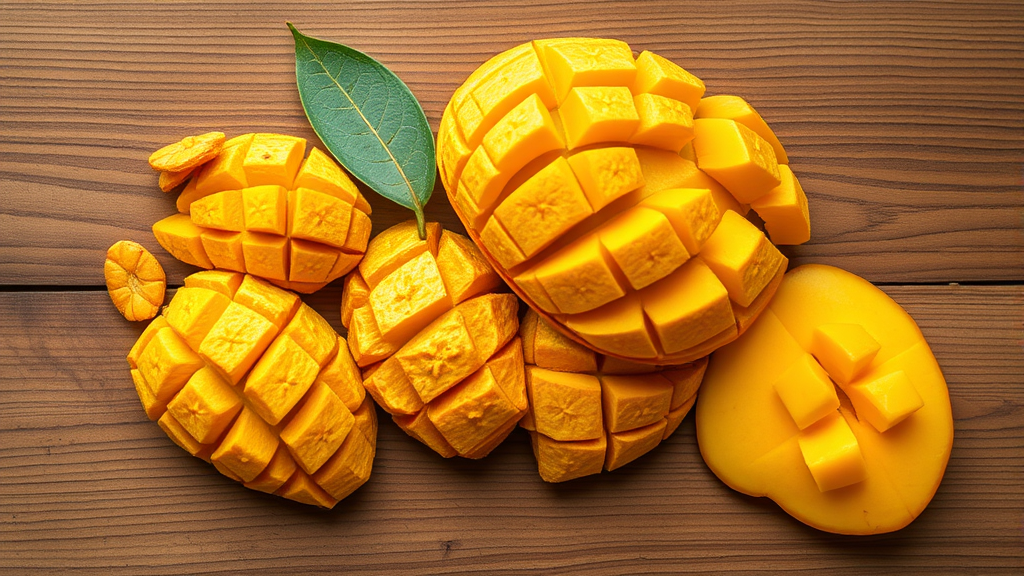
As pet owners, we’re always looking for healthy and delicious treats to share with our furry companions. With the growing popularity of dried fruits as human snacks, many dog parents wonder if they can safely offer these sweet morsels to their pets. Dried mango, with its tropical sweetness and chewy texture, is particularly appealing as a potential canine treat.
The question of whether dogs can have dried mango is more complex than it might initially seem. While fresh mango is generally safe for dogs in moderation, the drying process and added ingredients in commercial dried mango products can introduce new considerations. Understanding the nutritional benefits, potential risks, and proper serving guidelines is essential for making informed decisions about incorporating dried mango into your dog’s diet.
Nutritional Profile of Dried Mango
Dried mango retains many of the nutritional benefits found in fresh mango, though in concentrated form. A typical serving of dried mango contains significant amounts of vitamin A, vitamin C, and dietary fiber. Vitamin A supports eye health and immune function, while vitamin C acts as an antioxidant that can help protect cells from damage. The fiber content can aid in digestive health when consumed in appropriate quantities.
However, the dehydration process concentrates not only the nutrients but also the natural sugars present in mango. A single piece of dried mango can contain three to four times the sugar content of an equivalent piece of fresh mango. This concentration makes portion control particularly important when considering dried mango as a treat for dogs.
The USDA Food Composition Database shows that dried mango also contains small amounts of minerals like potassium and magnesium, which can contribute to overall health. However, these benefits must be weighed against the high sugar content and potential additives found in many commercial dried fruit products.

Safety Considerations for Dogs
The primary safety concern with dried mango for dogs lies in its high sugar content and potential additives. Many commercial dried mango products contain added sugars, preservatives, or sulfur dioxide to maintain color and extend shelf life. These additives can be harmful to dogs and may cause digestive upset or more serious health issues.
Sulfur dioxide, commonly used as a preservative in dried fruits, can trigger allergic reactions in sensitive dogs and may cause respiratory issues. Some dried mango products also contain artificial sweeteners like xylitol, which is extremely toxic to dogs and can cause rapid insulin release, leading to hypoglycemia and potentially liver damage.
The concentrated sugar content in dried mango can also pose risks for dogs with diabetes or weight management issues. According to the American Veterinary Medical Association, maintaining stable blood sugar levels is crucial for diabetic dogs, making high-sugar treats inappropriate for these pets.
Potential Benefits and Risks
When given in appropriate quantities and without harmful additives, dried mango can offer some benefits to dogs. The concentrated vitamins and antioxidants may support immune function and overall health. The chewy texture can also provide mental stimulation and help satisfy a dog’s natural urge to chew, though it should never replace appropriate chew toys.
However, the risks often outweigh the benefits for many dogs. The high sugar content can contribute to obesity, dental problems, and digestive issues. Dogs that consume too much dried mango may experience diarrhea, vomiting, or stomach upset due to the concentrated fiber and sugar content. Long-term consumption of high-sugar treats can also contribute to the development of diabetes and other metabolic disorders.
Similar to considerations for other dried fruits like dried cranberries, the key lies in moderation and choosing products without harmful additives. The American Kennel Club emphasizes that treats should never make up more than 10% of a dog’s daily caloric intake.
Proper Serving Guidelines
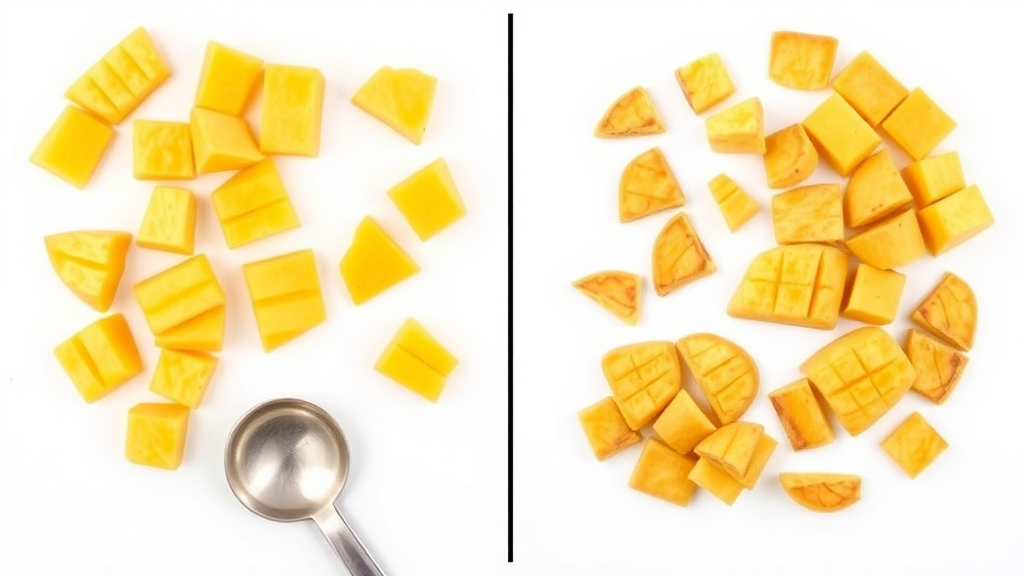
If you decide to offer dried mango to your dog, strict portion control is essential. For small dogs weighing under 25 pounds, no more than one small piece of unsweetened dried mango should be given as an occasional treat. Medium-sized dogs between 25-60 pounds can have up to two small pieces, while large dogs over 60 pounds may have up to three small pieces, but only as an infrequent treat.
The frequency of offering dried mango should be limited to no more than once or twice per week at most. This occasional approach helps prevent digestive upset and minimizes the impact of concentrated sugars on your dog’s overall diet. Always introduce any new treat gradually, starting with even smaller portions to assess your dog’s individual tolerance.
Before offering dried mango, carefully inspect each piece for any signs of mold or spoilage. Store dried mango in a cool, dry place and check expiration dates regularly. Fresh mango is generally a better option than dried mango due to its lower sugar concentration and higher water content, which can help with hydration.
Commercial vs. Homemade Dried Mango
Commercial dried mango products vary widely in quality and ingredients. Many contain added sugars, preservatives, and artificial colors that are unnecessary and potentially harmful to dogs. When selecting commercial dried mango, look for products labeled as “unsweetened” or “no sugar added” and carefully read ingredient lists to avoid harmful additives.
Organic dried mango products may be a better choice as they typically contain fewer artificial additives and preservatives. However, even organic options will still have concentrated natural sugars, so portion control remains crucial. The FDA’s guidelines on pet food labeling can help you better understand ingredient lists and make informed choices.
Making dried mango at home allows for complete control over the process and ingredients. Using a food dehydrator or low-temperature oven, you can create additive-free dried mango specifically for your dog. This approach eliminates concerns about harmful preservatives while still maintaining the need for careful portion control due to natural sugar concentration.
Alternative Fruit Treats
While dried mango can be offered occasionally under the right circumstances, there are many alternative fruit treats that may be safer and more appropriate for regular consumption. Fresh fruits like apple slices (without seeds), blueberries, and small pieces of banana provide natural sweetness with higher water content and less concentrated sugars.
Other tropical fruits deserve consideration as well. Fresh papaya can be an excellent alternative, offering similar tropical flavors with enzymes that may aid digestion. However, like mango, moderation is key with any fruit treat.
For dogs who enjoy chewy textures, consider alternatives like small pieces of sweet potato or commercial dog treats specifically formulated to be both nutritious and appealing. These options often provide better nutritional balance while satisfying your dog’s desire for variety in their treat selection.
Signs to Watch For
After offering dried mango to your dog, monitor them closely for any signs of adverse reactions. Digestive upset is the most common issue and may manifest as diarrhea, vomiting, excessive gas, or changes in appetite. These symptoms typically appear within a few hours of consumption and may persist for 12-24 hours.
More serious symptoms requiring immediate veterinary attention include severe vomiting, signs of dehydration, lethargy, or any indication of allergic reaction such as facial swelling, difficulty breathing, or excessive scratching. Dogs with known food sensitivities or allergies should be monitored even more carefully when trying any new treat.
Keep track of how your dog responds to different portion sizes and frequencies of dried mango treats. This information can help you determine the appropriate amount for your individual pet and will be valuable if you need to consult with your veterinarian about your dog’s diet and treat preferences.
Just as with other dried fruits like dates or figs, careful observation and gradual introduction are essential for safety. The ASPCA Animal Poison Control Center provides valuable resources for recognizing signs of food-related illness in pets.
Frequently Asked Questions
Can dogs eat dried mango every day?
No, dogs should not eat dried mango every day. Due to its high sugar content and concentrated nature, dried mango should only be offered as an occasional treat, no more than once or twice per week. Daily consumption could lead to digestive issues, weight gain, and potential blood sugar problems.
Is fresh mango better than dried mango for dogs?
Yes, fresh mango is generally better than dried mango for dogs. Fresh mango contains more water and less concentrated sugars, making it easier to digest and less likely to cause blood sugar spikes. However, both should be given in moderation and the pit must be removed from fresh mango to prevent choking hazards.
What should I do if my dog ate too much dried mango?
If your dog consumed a large amount of dried mango, monitor them closely for signs of digestive upset such as vomiting, diarrhea, or excessive gas. Ensure they have access to fresh water and withhold food for a few hours if vomiting occurs. Contact your veterinarian if symptoms persist or worsen, or if your dog shows signs of severe distress.
Are there any dogs that should never have dried mango?
Dogs with diabetes, obesity, or known digestive sensitivities should avoid dried mango due to its high sugar and fiber content. Puppies under six months old should also avoid dried mango as their digestive systems are still developing. Always consult with your veterinarian before introducing new treats to dogs with health conditions.
How can I tell if dried mango contains harmful additives?
Always read the ingredient label carefully. Avoid products containing added sugars, xylitol, sulfur dioxide, artificial colors, or preservatives. Look for dried mango labeled as “unsweetened,” “no sugar added,” or “organic.” The ingredient list should ideally contain only mango with no additional substances.
Can I make dried mango at home for my dog?
Yes, making dried mango at home is often the safest option as you can control the ingredients and process. Use ripe, fresh mango and dehydrate it using a food dehydrator or oven at low temperatures. Homemade dried mango eliminates concerns about harmful additives while still requiring careful portion control due to natural sugar concentration.
What’s the maximum amount of dried mango I can give my dog?
The maximum amount depends on your dog’s size: small dogs (under 25 lbs) should have no more than one small piece, medium dogs (25-60 lbs) can have up to two small pieces, and large dogs (over 60 lbs) may have up to three small pieces. This should only be given as an occasional treat, not regularly, and should represent less than 10% of their daily caloric intake.





