
Can Dogs Have Eczema? Vet Insights on Causes, Symptoms, and Treatment
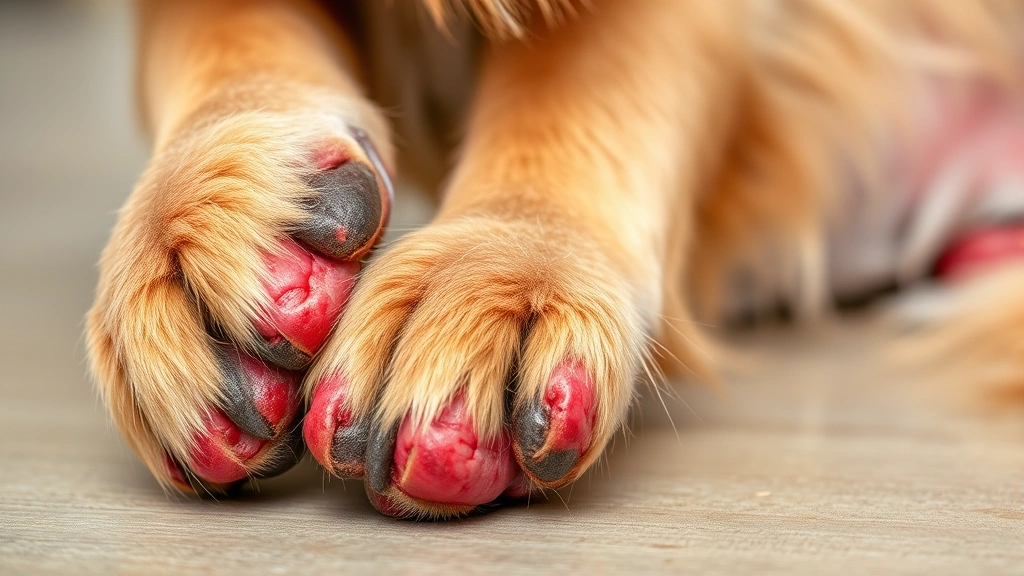
Yes, dogs absolutely can have eczema, and it’s more common than many pet owners realize. Canine eczema, often referred to as atopic dermatitis or allergic dermatitis, affects a significant portion of the dog population and can cause considerable discomfort. If you’ve noticed your furry friend scratching excessively, developing red patches, or showing signs of skin irritation, eczema could be the culprit. Understanding this condition is essential for providing proper care and relief.
Eczema in dogs isn’t just a minor inconvenience—it can significantly impact your pet’s quality of life, leading to secondary infections, hair loss, and behavioral changes. The good news is that with proper diagnosis and treatment from a veterinarian, most dogs with eczema can find relief and live comfortably. This comprehensive guide explores everything you need to know about canine eczema, from recognition to management strategies.
What Is Canine Eczema?
Canine eczema is an inflammatory skin condition characterized by itching, redness, and irritation. The term “eczema” in veterinary medicine typically refers to atopic dermatitis, which is an allergic response affecting the skin. Unlike acute skin conditions that appear suddenly, eczema is often chronic, meaning it persists over time and may require ongoing management.
The condition involves the immune system overreacting to environmental or dietary triggers, causing inflammation in the skin layers. This inflammation disrupts the skin barrier, making it more susceptible to moisture loss and bacterial infections. Dogs with eczema experience genuine discomfort, and the constant itching can lead to self-trauma through excessive licking and scratching.
It’s important to distinguish eczema from other skin conditions. While eczema is primarily inflammatory and allergic in nature, other canine skin issues might be fungal (like ringworm), parasitic (like mange), or infectious. A veterinarian can help determine whether your dog’s symptoms are truly eczema or another condition requiring different treatment approaches.
According to the American Kennel Club, certain breeds show higher predisposition to allergic skin conditions. Understanding your dog’s breed history and genetic background can provide valuable context when discussing eczema risk with your veterinarian.

Common Causes and Risk Factors
Multiple factors can trigger or contribute to eczema development in dogs. Identifying the underlying cause is crucial for effective long-term management and prevention. Here are the primary culprits:
- Environmental Allergens: Pollen, dust mites, mold, and grass are common environmental triggers that can cause allergic reactions in susceptible dogs. Seasonal patterns often emerge, with symptoms worsening during specific times of year.
- Food Allergies: Certain proteins and ingredients can trigger eczema in allergic dogs. Common culprits include beef, chicken, wheat, and dairy products. Food allergies may develop at any point in a dog’s life.
- Genetic Predisposition: Some breeds, including Labrador Retrievers, Golden Retrievers, Bulldogs, and West Highland White Terriers, have higher genetic predisposition to eczema and other allergic conditions.
- Parasites: Fleas and other parasites can trigger allergic reactions and secondary eczema-like symptoms, even in dogs not classically allergic.
- Contact Allergens: Certain materials, cleaning products, or substances your dog encounters directly can trigger skin reactions.
- Stress and Anxiety: Psychological stress can exacerbate existing eczema or trigger flare-ups in predisposed dogs.
- Secondary Infections: Bacterial or yeast infections can develop on already compromised skin, worsening inflammation.
Understanding your individual dog’s triggers is essential. Keep a symptom diary noting when flare-ups occur, what your dog ate, environmental conditions, and activities. This information helps veterinarians identify patterns and pinpoint specific causes.
Recognizing Eczema Symptoms
Early recognition of eczema symptoms allows for prompt treatment and prevents complications. Dogs with eczema typically display several characteristic signs:
- Excessive Scratching and Licking: The most obvious symptom, often focused on paws, ears, face, and belly. Dogs may scratch so intensely they cause wounds.
- Red or Inflamed Skin: Affected areas appear noticeably red, warm, and swollen. This inflammation is often most visible on the paws, ears, and underbelly.
- Dry, Flaky Skin: Eczema disrupts the skin barrier, leading to dryness and visible flaking or dandruff.
- Hair Loss: Chronic scratching and licking cause hair loss, creating bald patches or thinned coat areas.
- Odor: Secondary bacterial or yeast infections create distinctive, often unpleasant odors from affected skin.
- Thickened or Darkened Skin: Chronic eczema can cause skin to thicken and darken, particularly in areas of repeated irritation.
- Ear Infections: Dogs with eczema frequently develop ear infections due to inflammation in the ear canal.
- Behavioral Changes: Discomfort from itching can lead to restlessness, sleep disturbances, and irritability.
Symptoms may be seasonal, appearing during high pollen seasons or year-round depending on the trigger. Some dogs experience acute flare-ups while others have chronic, persistent symptoms.
If your dog also shows signs of digestive issues, you might want to explore what to give a dog for an upset stomach, as food allergies can manifest both in skin and digestive symptoms. Similarly, understanding can dogs have brown rice might help if you’re adjusting your dog’s diet for allergy management.
Diagnosis Process
Proper diagnosis is essential before beginning treatment. Your veterinarian will use several diagnostic approaches to confirm eczema and rule out other conditions:
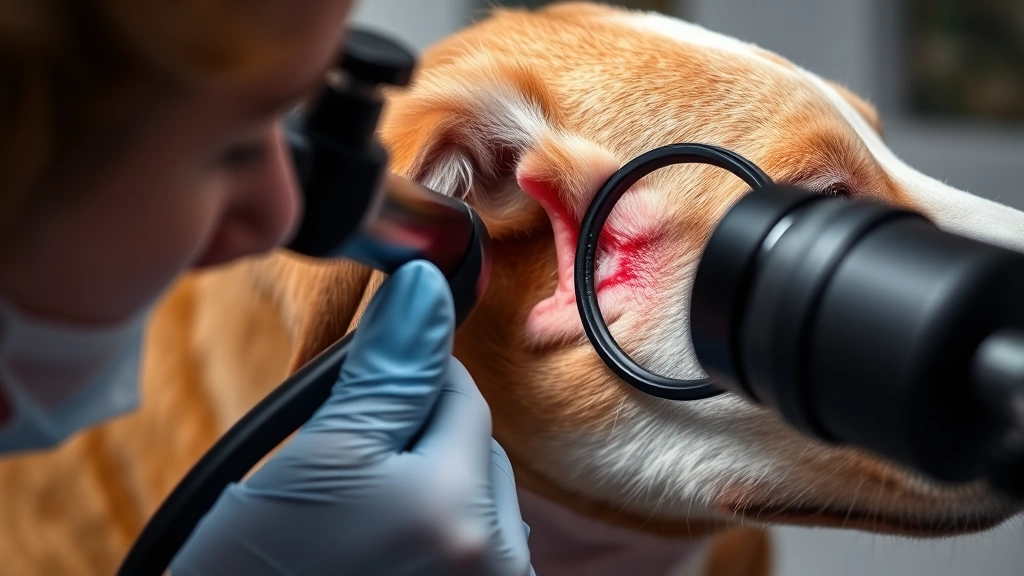
Physical Examination: Your vet will carefully examine your dog’s skin, looking for characteristic signs of eczema such as inflammation, hair loss, and affected areas. They’ll also check for signs of parasites or secondary infections.
Medical History: Detailed information about symptom onset, seasonality, previous treatments, and your dog’s overall health helps establish the diagnosis. Mention any recent diet changes, new environments, or stressful events.
Skin Scrapings and Cultures: Your veterinarian may take skin samples to rule out fungal infections (like ringworm) or parasitic mites. These samples are examined under a microscope or sent to a laboratory.
Elimination Diet Trial: If food allergies are suspected, your vet may recommend an elimination diet where your dog eats a limited ingredient diet for 8-12 weeks to identify problematic foods.
Allergy Testing: Intradermal allergy testing or blood tests (serum allergy tests) can identify specific environmental allergens triggering your dog’s eczema. These tests help guide immunotherapy if needed.
Patch Testing: Less common but sometimes used, patch testing can identify contact allergens by applying suspected irritants to the skin.
The ASPCA provides valuable resources about common dog skin problems and when to seek veterinary care. Your veterinarian might also reference resources from veterinary dermatology specialists for complex cases.
Treatment Options
Eczema treatment is typically multifaceted, addressing both immediate symptoms and underlying causes. Your veterinarian will recommend a customized treatment plan based on your dog’s specific situation:
Topical Treatments: Medicated shampoos, conditioners, and sprays containing ingredients like hydrocortisone, salicylic acid, or chlorhexidine provide direct relief and reduce inflammation. Bathing frequency may increase during flare-ups, but excessive bathing can worsen dryness, so follow your vet’s recommendations carefully.
Oral Medications: Corticosteroids like prednisone reduce inflammation and itching quickly, making them useful for acute flare-ups. Antihistamines such as cetirizine or diphenhydramine provide relief for allergic reactions. Newer medications like oclacitinib (Apoquel) and cyclosporine specifically target itch signals in the nervous system.
Antibiotics and Antifungals: If secondary bacterial or yeast infections develop, your vet will prescribe appropriate medications. These infections are common with eczema due to the compromised skin barrier.
Immunotherapy: Allergy shots (hyposensitization) gradually desensitize your dog’s immune system to specific allergens. This long-term approach requires commitment but can significantly reduce symptoms in responsive dogs.
Dietary Management: Switching to hypoallergenic or limited-ingredient diets can dramatically improve symptoms if food allergies are the primary trigger. Novel protein sources or hydrolyzed protein diets may be recommended.
Supplements and Omega-3 Fatty Acids: Fish oil and other omega-3 supplements have anti-inflammatory properties and support skin barrier function. Many veterinarians recommend these as part of comprehensive eczema management.
Moisturizers and Skin Barrier Support: Specialized moisturizers, ceramide-containing products, and humectants help restore skin barrier function and reduce water loss. Regular application prevents flare-ups.
For dogs with concurrent digestive sensitivities, you might also explore can you give dogs Pepto if digestive issues accompany skin problems, though this should always be discussed with your veterinarian first.
Prevention Strategies
While you cannot always prevent eczema entirely, especially in genetically predisposed dogs, several strategies minimize flare-ups and severity:
- Maintain Consistent Flea Prevention: Year-round flea prevention eliminates parasitic triggers. Even one flea bite can trigger allergic reactions in sensitive dogs.
- Regular Grooming: Frequent brushing removes allergens from the coat and improves skin health. Use hypoallergenic shampoos during bathing.
- Control Environmental Allergens: Use air purifiers, wash bedding frequently, and vacuum regularly to reduce dust mites and pollen exposure.
- Manage Stress: Provide adequate exercise, mental stimulation, and a calm environment to minimize stress-related flare-ups.
- Monitor Diet Carefully: Once you identify food triggers, eliminate them completely from your dog’s diet. Read ingredient labels meticulously.
- Maintain Skin Health: Regular application of recommended moisturizers and supplements keeps skin barrier function optimal.
- Avoid Irritating Products: Use gentle, fragrance-free shampoos and avoid harsh cleaning products that contact your dog’s skin.
- Regular Veterinary Check-ups: Schedule regular appointments to monitor skin health and catch problems early.
If you’re adjusting your dog’s diet for allergy management, understanding is canned tuna good for dogs helps ensure you’re not reintroducing allergens through treats or food toppers.
When to Contact Your Vet
Certain situations require prompt veterinary attention:
- Sudden onset of severe itching or skin lesions
- Signs of secondary infection (pus, crusting, odor, worsening inflammation)
- Ear infections accompanying skin symptoms
- Hair loss that progresses rapidly
- Signs of pain or self-trauma from excessive scratching
- Lack of improvement after starting treatment
- New or worsening symptoms despite ongoing management
- Behavioral changes suggesting significant discomfort
Don’t wait for symptoms to resolve independently. Early intervention prevents complications and improves treatment outcomes significantly. Your veterinarian can also rule out other conditions mimicking eczema symptoms.
For dogs experiencing related digestive issues alongside skin problems, consult your vet about what to give dog for constipation if digestive symptoms occur, as these might indicate food sensitivities.
Frequently Asked Questions
Is canine eczema contagious?
No, eczema itself is not contagious between dogs. However, if secondary bacterial or yeast infections develop, these can potentially spread to other pets. Always practice good hygiene and consult your vet about infection risks.
Can eczema be cured permanently?
Most cases of eczema cannot be completely cured but can be effectively managed. The goal is to control symptoms, identify and minimize triggers, and maintain skin health. Some dogs experience improvement with age or through successful allergen identification.
How long does it take to see improvement with treatment?
Topical treatments may provide relief within days, while oral medications typically show results within 1-2 weeks. Long-term treatments like immunotherapy require months to show full effectiveness. Elimination diets need 8-12 weeks to demonstrate results.
Can I use human eczema treatments on my dog?
Never use human medications or treatments on your dog without veterinary approval. Many human products contain ingredients toxic to dogs or can worsen canine eczema. Always follow your vet’s specific recommendations.
What’s the difference between eczema and mange?
Eczema is an allergic inflammatory condition, while mange is caused by parasitic mites. Mange typically progresses more rapidly and has different microscopic findings. Your vet can distinguish between these through diagnostic testing.
Do certain dog foods help with eczema?
Limited-ingredient diets, novel protein diets, and hypoallergenic formulations often help dogs with food-triggered eczema. High-quality foods with balanced omega-3 and omega-6 fatty acids support skin health. Work with your vet to identify the best diet for your dog.
Is eczema painful for dogs?
Yes, eczema causes genuine discomfort and itching. Dogs may experience pain if secondary infections develop or if skin becomes severely damaged from scratching. This is why prompt treatment is important for your dog’s wellbeing.
Can stress cause eczema in dogs?
While stress doesn’t directly cause eczema, it can trigger or worsen flare-ups in predisposed dogs. Managing your dog’s stress through exercise, mental stimulation, and a calm environment helps prevent stress-related exacerbations.





