
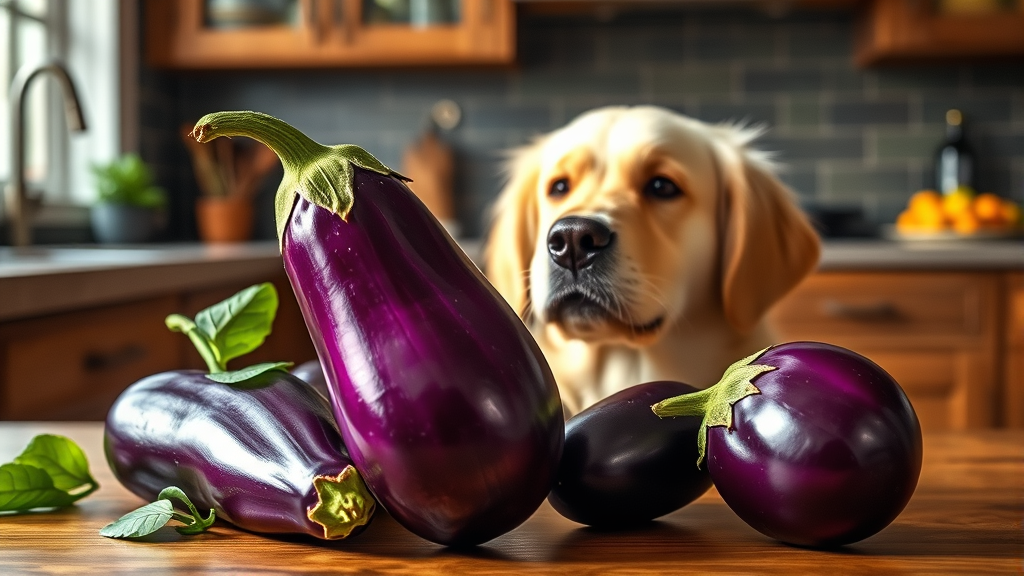
As a responsible dog owner, you’ve likely found yourself wondering about the safety of various human foods for your furry companion. Eggplant, also known as aubergine, is a popular vegetable that appears in many cuisines worldwide. But can dogs safely enjoy this purple vegetable? The answer isn’t as straightforward as you might think.
While eggplant isn’t toxic to dogs in the same way that chocolate or grapes are, there are important considerations to keep in mind before sharing this nightshade vegetable with your pet. Understanding the potential benefits and risks will help you make informed decisions about your dog’s diet and ensure their continued health and wellbeing.
Is Eggplant Safe for Dogs?
The short answer is that eggplant is generally safe for dogs when prepared properly and given in moderation. Unlike some vegetables that are completely off-limits to our canine companions, eggplant falls into a gray area where careful consideration is required. The key lies in understanding that while eggplant isn’t inherently toxic, it belongs to the nightshade family, which contains compounds that can be problematic for some dogs.
Most healthy adult dogs can tolerate small amounts of cooked eggplant without experiencing adverse effects. However, this doesn’t mean it should become a regular part of their diet. The American Kennel Club notes that while eggplant isn’t toxic, it’s not particularly beneficial for dogs either and should be offered sparingly.
When considering whether to give your dog eggplant, it’s essential to start with very small amounts and monitor for any adverse reactions. Some dogs may be more sensitive than others, and individual tolerance can vary significantly. If you’re exploring what vegetables are safe for your pet, you might also wonder about other nightshade vegetables like whether can dogs eat tomato or similar plants.

Understanding Nightshade Vegetables
Eggplant belongs to the Solanaceae family, commonly known as nightshades, which includes tomatoes, potatoes, peppers, and tobacco. These plants contain natural compounds called alkaloids, particularly solanine and glycoalkaloids, which serve as the plant’s natural defense mechanism against pests and diseases. While these compounds are generally present in low concentrations in the edible parts of the plant, they can still cause issues for sensitive individuals, including dogs.
The concentration of these alkaloids is typically highest in the green parts of the plant, including leaves, stems, and unripe fruits. In eggplant, the purple skin and flesh contain much lower levels, but they’re still present. The National Center for Biotechnology Information has documented that solanine toxicity can cause gastrointestinal upset, neurological symptoms, and other health issues in both humans and animals.
Dogs with arthritis or inflammatory conditions may be particularly sensitive to nightshade vegetables. Some veterinarians and pet nutritionists suggest that nightshades might exacerbate inflammatory conditions, though scientific evidence specifically regarding dogs is limited. If your dog has existing health conditions, it’s especially important to consult with your veterinarian before introducing new foods.
Nutritional Value of Eggplant for Dogs
From a nutritional standpoint, eggplant offers some benefits but isn’t particularly nutrient-dense compared to other vegetables that are safer for dogs. Eggplant is low in calories and contains dietary fiber, which can aid in digestion. It also provides small amounts of vitamins and minerals, including vitamin K, vitamin C, potassium, and manganese.
However, dogs have different nutritional needs than humans, and their digestive systems are optimized for processing meat rather than plant matter. While the fiber in eggplant might provide some digestive benefits, dogs can obtain better nutrition from vegetables that are more suitable for their digestive systems and don’t carry the potential risks associated with nightshades.
The antioxidants present in eggplant, particularly nasunin found in the purple skin, have been studied for their potential health benefits in humans. However, there’s limited research on whether these compounds provide similar benefits to dogs, and the potential risks may outweigh any nutritional advantages for canine consumption.
Potential Risks and Side Effects
While serious eggplant toxicity in dogs is rare, several potential risks should be considered. The most common side effects include gastrointestinal upset, such as vomiting, diarrhea, and stomach discomfort. These symptoms typically occur when dogs consume large quantities or are particularly sensitive to nightshade alkaloids.
Some dogs may experience allergic reactions to eggplant, which can manifest as skin irritation, itching, or digestive issues. Signs of an allergic reaction might include excessive scratching, red or inflamed skin, swelling, or changes in behavior. If you notice any of these symptoms after your dog consumes eggplant, discontinue feeding it immediately and consult your veterinarian.
Dogs with kidney problems should avoid eggplant entirely, as it contains oxalates that can contribute to kidney stone formation. Additionally, the solanine content, while generally low in ripe eggplant, can still cause problems for sensitive dogs. The ASPCA Animal Poison Control provides comprehensive information about plant toxicity and recommends caution with nightshade vegetables.
How to Safely Prepare Eggplant for Dogs
If you decide to offer your dog a small taste of eggplant, proper preparation is crucial for minimizing risks. Always choose ripe, purple eggplant and avoid any green or unripe portions, as these contain higher concentrations of harmful alkaloids. Remove all stems, leaves, and any green parts before preparation.
Cook the eggplant thoroughly before offering it to your dog. Raw eggplant is more difficult to digest and contains higher levels of potentially problematic compounds. Boiling, steaming, or baking are the safest cooking methods. Avoid adding any seasonings, oils, garlic, onions, or other ingredients that could be harmful to dogs. Plain, cooked eggplant is the only safe option.
Start with a very small piece – no larger than a few small cubes – and monitor your dog closely for any adverse reactions over the next 24-48 hours. If your dog tolerates this small amount without problems, you could occasionally offer similar small portions, but eggplant should never become a regular part of their diet.
Safe Vegetable Alternatives
Given the potential risks associated with eggplant, many safer vegetable alternatives can provide better nutritional benefits for your dog. Carrots, green beans, broccoli, and sweet potatoes are excellent choices that most dogs enjoy and can digest easily. These vegetables provide essential vitamins, minerals, and fiber without the concerns associated with nightshade plants.
If you’re specifically interested in purple vegetables for their antioxidant content, consider blueberries or purple cabbage, both of which are safer options for dogs. When exploring other nightshade alternatives, you might wonder are tomatoes bad for dogs or investigate safer options altogether.
Pumpkin is another excellent vegetable choice that provides digestive benefits and is generally well-tolerated by most dogs. Unlike nightshade vegetables, pumpkin is actively recommended by many veterinarians for dogs with digestive issues. The American Veterinary Medical Association provides guidelines for safe pet nutrition and emphasizes the importance of maintaining a balanced diet appropriate for your pet’s species.
When to Consult Your Veterinarian
Before introducing any new food to your dog’s diet, including eggplant, it’s wise to consult with your veterinarian, especially if your dog has existing health conditions, food allergies, or sensitivities. Dogs with arthritis, kidney problems, or digestive issues should definitely avoid nightshade vegetables unless specifically approved by their veterinarian.
If your dog accidentally consumes a large amount of eggplant or shows any signs of distress after eating it, contact your veterinarian immediately. Symptoms that warrant immediate veterinary attention include persistent vomiting, diarrhea, lethargy, difficulty breathing, swelling, or any behavioral changes.
Your veterinarian can provide personalized advice based on your dog’s individual health status, age, size, and dietary needs. They can also recommend safer alternatives that might satisfy your desire to share healthy foods with your pet while ensuring their safety and wellbeing.
Remember that dogs have evolved as carnivores, and while they can digest some plant matter, their primary nutritional needs are best met through high-quality commercial dog foods formulated specifically for their species. Treats and additions to their diet should never exceed 10% of their total caloric intake.
Frequently Asked Questions
Can puppies eat eggplant?
Puppies should not be given eggplant. Their digestive systems are more sensitive than adult dogs, and they’re more susceptible to the effects of solanine and other alkaloids found in nightshade vegetables. Stick to puppy-appropriate foods and treats recommended by your veterinarian. If you’re curious about other vegetables, you might also ask whether can dogs eat peppers, another nightshade family member.
What should I do if my dog ate a lot of eggplant?
If your dog consumed a large quantity of eggplant, monitor them closely for signs of gastrointestinal upset, including vomiting, diarrhea, or lethargy. Contact your veterinarian for guidance, especially if symptoms develop. Provide plenty of fresh water and avoid giving any additional food until you’ve spoken with a professional. The Pet Poison Helpline is also available for emergency consultations.
Are all parts of the eggplant plant dangerous for dogs?
Yes, the green parts of the eggplant plant, including leaves, stems, and unripe fruit, contain higher concentrations of toxic alkaloids and should never be given to dogs. Even ripe eggplant flesh should only be offered in small amounts and properly cooked. Always remove all green portions before preparation.
Can cooked eggplant in prepared dishes be given to dogs?
No, eggplant prepared in human dishes is typically not safe for dogs. Most recipes contain garlic, onions, oils, spices, and other ingredients that can be harmful to dogs. Only plain, cooked eggplant without any additives should be considered, and even then, only in very small amounts.
How much eggplant is safe for a dog to eat?
If you choose to give your dog eggplant, limit it to a few small cubes as an occasional treat. The amount should be proportional to your dog’s size – smaller dogs should receive even less. Remember that treats should never exceed 10% of your dog’s daily caloric intake, and eggplant offers minimal nutritional benefits compared to safer alternatives.
Are there dogs that should never eat eggplant?
Dogs with kidney problems, arthritis, inflammatory conditions, or known sensitivities to nightshade vegetables should avoid eggplant completely. Senior dogs and those with compromised immune systems may also be more susceptible to adverse effects. When in doubt, exploring whether can dogs eat potatoes or other nightshade alternatives might help you understand the broader family risks.
What are the signs of solanine poisoning in dogs?
Signs of solanine poisoning include vomiting, diarrhea, drooling, difficulty breathing, confusion, weakness, and in severe cases, neurological symptoms. If you suspect solanine poisoning, contact your veterinarian or emergency animal hospital immediately. The Humane Society provides additional guidance on recognizing and responding to pet poisoning emergencies.





