
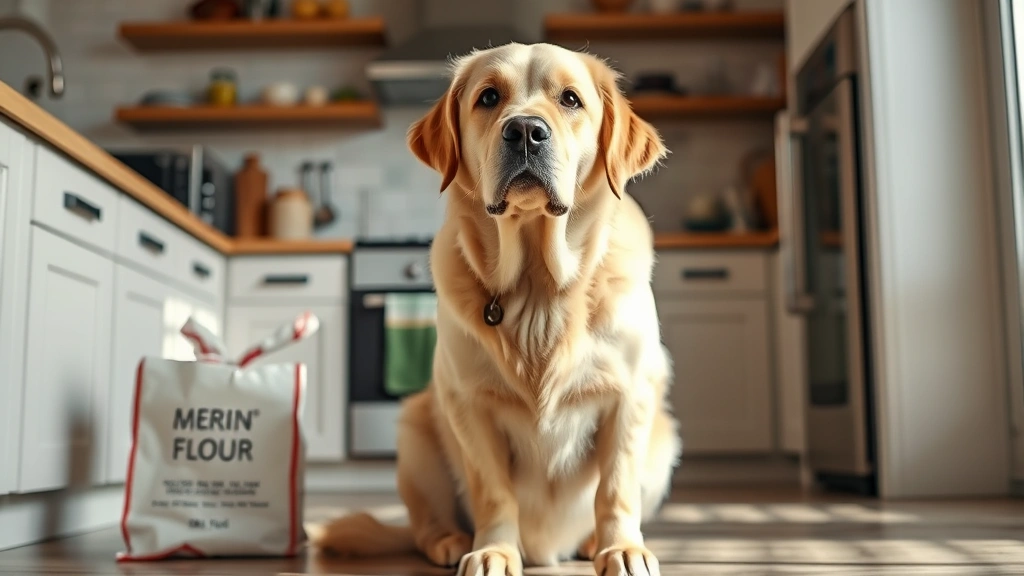
Can Dogs Have Flour? A Pet Safety Guide
Picture this: you’re baking your favorite chocolate chip cookies, flour is flying everywhere, and your pup is staring up at you with those irresistible puppy-dog eyes. Naturally, you wonder—is plain flour safe for dogs? The short answer is yes, plain flour is generally safe for dogs in small amounts, but there’s a lot more to unpack about how flour fits into your furry friend’s diet and what precautions you should take.
As a pet parent, understanding what human foods are safe for your dog is crucial. While flour itself isn’t toxic, the context matters enormously. Whether it’s baked into bread your dog might snag from the counter or mixed into homemade treats, knowing the facts helps you make informed decisions about your pup’s nutrition and safety.
In this comprehensive guide, we’ll explore everything you need to know about dogs and flour, from plain white flour to specialty varieties, potential risks, and practical tips for keeping your four-legged friend safe in the kitchen.
Is Plain Flour Safe for Dogs?
Plain, all-purpose flour is generally considered safe for dogs when consumed in moderation. Unlike some human foods that are genuinely toxic to canines, regular wheat flour doesn’t contain compounds that will poison your pup. In fact, many commercial dog foods and treats contain flour as a binding agent and carbohydrate source.
However, “safe” doesn’t necessarily mean “beneficial.” Dogs are primarily carnivores and thrive on protein-rich diets. Flour is essentially empty calories for your furry companion—it provides carbohydrates and some fiber, but lacks the essential amino acids and nutrients dogs need. A small amount accidentally ingested won’t cause harm, but flour shouldn’t be a staple in your dog’s diet.
The key is understanding the difference between something being non-toxic and something being nutritionally appropriate. Your dog’s digestive system can handle small quantities of plain flour, but their nutritional needs are best met through proper dog food and healthy treats specifically formulated for canine health.
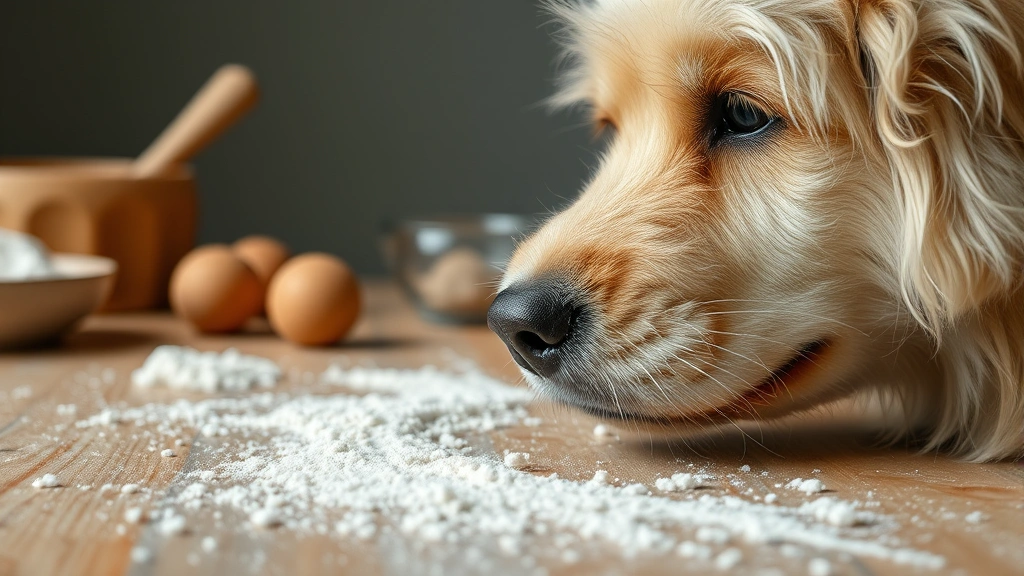
Different Types of Flour and Dogs
Not all flour is created equal, and some varieties present more concerns than others for your beloved pet.
All-Purpose Flour
Standard all-purpose flour is the safest option if your dog accidentally consumes it. It’s simply ground wheat with no added ingredients that would harm your pup. A small amount mixed into homemade dog treats is generally fine, though it offers minimal nutritional value.
Whole Wheat Flour
Whole wheat flour contains the entire wheat kernel, including the bran and germ, making it slightly more nutritious than refined flour. Dogs can tolerate this variety, and it actually provides a bit more fiber and nutrients. Some premium dog foods include whole wheat flour as an ingredient.
Self-Rising Flour
This is where you need to be cautious. Self-rising flour contains added salt and leavening agents like baking powder and baking soda. The extra sodium isn’t ideal for dogs, and depending on the quantity consumed, could potentially cause issues. This flour should definitely be kept away from curious canines.
Specialty Flours
Almond flour, coconut flour, and other specialty varieties have different compositions. While small amounts of most specialty flours aren’t toxic, some—like xylitol-containing products—can be dangerous. Always check ingredient labels carefully.
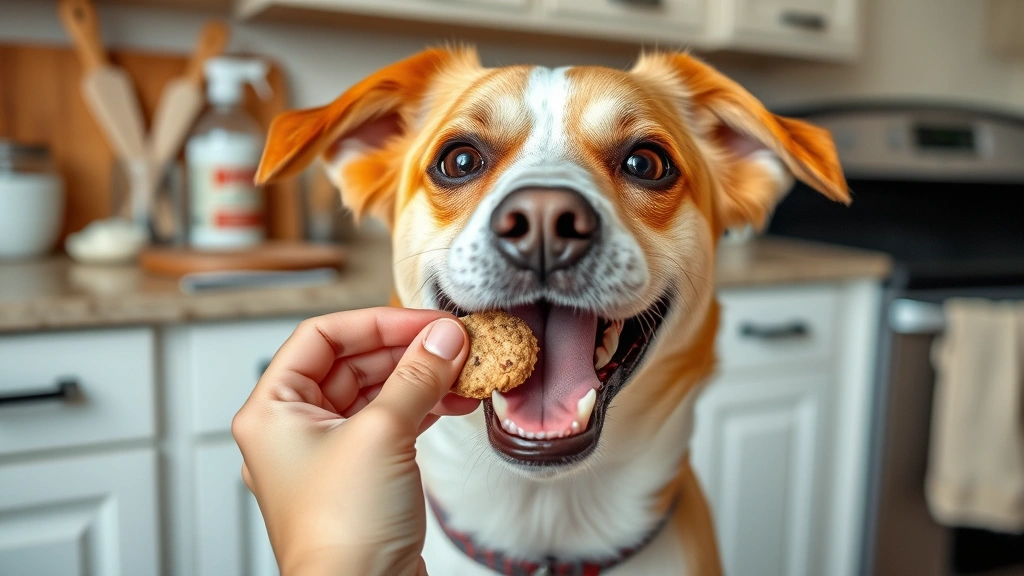
Potential Risks and Concerns
While plain flour itself isn’t dangerous, several flour-related scenarios could pose problems for your dog.
Choking Hazard
Dry flour can create a choking risk, particularly for enthusiastic eaters. If your dog inhales a large amount of flour powder, it could irritate their airways or cause discomfort. This is one reason to never let your pup directly access bags of flour or baking ingredients.
Digestive Upset
Dogs with sensitive stomachs might experience digestive issues from consuming flour. If your pup already struggles with diarrhea or other digestive concerns, introducing flour could exacerbate the problem. Plain boiled chicken or prescribed dog food is always a safer choice.
Allergies and Sensitivities
Some dogs have wheat allergies or sensitivities. While this is less common than people think, if your dog has been diagnosed with a grain allergy, flour is absolutely off-limits. Always consult your veterinarian if you suspect food allergies.
Contamination Risks
The real danger often comes from what’s mixed with the flour. When you’re wondering about whether dogs can eat cake, the concern isn’t the flour—it’s the sugar, chocolate, or other ingredients. Similarly, cookies often contain problematic ingredients beyond just flour, and pancakes might be loaded with sugar and butter.
Yeast Concerns
If your dog consumes raw bread dough containing yeast, that’s a genuine emergency. Raw yeast dough can expand in the stomach and cause bloating, or the yeast can produce ethanol. This is why understanding whether dogs can have yeast is so important for any baker with a curious pup.
Safe Flour Alternatives for Dogs
If you’re looking to create homemade dog treats without traditional flour, several alternatives are safer and more nutritious for your canine companion.
Peanut Butter and Pumpkin Treats
Many dog treat recipes use pumpkin puree as a base instead of flour. Pumpkin is nutritious, fiber-rich, and most dogs absolutely love it. Combined with peanut butter (xylitol-free, of course), it creates a delicious and healthy treat.
Oat-Based Options
Ground oats provide a similar binding function to flour while offering more nutritional value. Oats contain beta-glucans and antioxidants that actually benefit your dog’s health. They’re also generally easier on sensitive digestive systems.
Sweet Potato Flour
Sweet potato flour is nutrient-dense and provides natural sweetness without added sugars. It’s an excellent choice for dogs with grain sensitivities and offers vitamins and minerals that support overall health.
Coconut Flour
While coconut flour is different from wheat flour, small amounts are safe for most dogs. It’s high in fiber and has antimicrobial properties. However, it absorbs more liquid than traditional flour, so recipes need adjustment.
Simply Skip the Flour
Many nutritious dog treats don’t require any flour at all. Frozen banana slices, carrot sticks, apple pieces (without seeds), and plain cooked chicken make excellent treats that are both safe and genuinely beneficial for your pup.
Homemade Dog Treats with Flour
If you want to make homemade dog treats that include flour, here are some simple, safe recipes your pup will enjoy.
Basic Peanut Butter and Flour Biscuits
Ingredients:
- 1 cup whole wheat flour
- 1/2 cup peanut butter (xylitol-free)
- 1 egg
- 1/4 cup water
Instructions: Mix all ingredients until a dough forms. Roll out to 1/4-inch thickness, cut into shapes, and bake at 350°F for 12-15 minutes until golden. These treats are much safer than store-bought versions because you control every ingredient.
Banana and Oat Flour Treats
Ingredients:
- 1 cup ground oats
- 1/2 cup mashed banana
- 1/4 cup peanut butter (xylitol-free)
- 1 egg
Instructions: Combine ingredients, drop spoonfuls onto a baking sheet, and bake at 350°F for 10-12 minutes. The banana adds natural sweetness and digestive benefits.
Pumpkin and Cinnamon Bites
Ingredients:
- 1 cup pumpkin puree
- 1/2 cup whole wheat flour
- 1/4 teaspoon cinnamon (optional, but dogs usually love it)
- 1 egg
Instructions: Mix ingredients, pipe into small portions, and bake at 325°F for 20 minutes. These treats are particularly great for dogs with digestive issues.
Important reminder: Always introduce new treats gradually and in moderation. Even homemade treats should comprise no more than 10% of your dog’s daily caloric intake.
What to Do If Your Dog Eats Flour
Accidents happen. Your dog might sneak into the pantry or grab a handful of flour from the counter. Here’s how to respond.
Small Amounts of Plain Flour
If your dog consumed a small amount of plain flour, simply monitor them. You likely won’t see any symptoms. Keep an eye out for mild digestive upset like softer stools or temporary loss of appetite, but these are usually self-limiting.
Large Quantities
If your dog ate a significant amount of flour, watch for signs of digestive discomfort. Bloating, vomiting, or constipation could develop. Offer water and stick to their normal diet. Contact your vet if symptoms develop or persist.
Flour with Problematic Ingredients
If the flour was part of something containing chocolate, raisins, macadamia nuts, or xylitol, this is an emergency. Contact your veterinarian or the ASPCA Animal Poison Control Center immediately with details about what your dog consumed.
Raw Dough Containing Yeast
This genuinely requires emergency veterinary care. Raw yeast dough can expand in the stomach and potentially cause gastric dilatation-volvulus (GDV), a life-threatening condition. Seek immediate veterinary attention if you suspect your dog consumed raw dough.
Frequently Asked Questions
Is flour toxic to dogs?
No, plain flour is not toxic to dogs. It’s safe in small amounts, though it offers minimal nutritional value. The concern comes from what flour is mixed with, not the flour itself.
Can dogs eat flour-based foods?
Dogs can eat many flour-based foods in moderation. Plain bread is safe for dogs in small quantities, though it’s mostly empty calories. Always avoid flour-based foods containing chocolate, xylitol, raisins, or excessive salt and sugar.
What’s the difference between whole wheat and white flour for dogs?
Whole wheat flour contains more fiber and nutrients than white flour, making it slightly more beneficial for dogs. However, neither should be a dietary staple for your pup.
Can puppies have flour?
Puppies can have small amounts of plain flour, but their developing digestive systems are more sensitive. It’s better to stick with puppy-formulated foods and treats specifically designed for their nutritional needs.
Is self-rising flour safe for dogs?
Self-rising flour contains added salt and leavening agents, making it less ideal than plain flour. While a tiny amount won’t cause harm, plain flour is the safer choice if you’re baking for your pup.
What should I do if my dog ate raw bread dough?
Raw dough containing yeast is dangerous. Contact your veterinarian or Pet Poison Helpline immediately, as this requires emergency treatment to prevent potentially fatal complications.
Are there grain-free flour alternatives safe for dogs?
Yes, several grain-free alternatives are safe, including pumpkin puree, sweet potato, and ground oats. However, recent research suggests grain-free diets may carry risks for some dogs, so consult your veterinarian before making dietary changes.
Can dogs with allergies eat flour?
Dogs with wheat allergies should avoid flour. If your dog has grain sensitivities, consult your vet about appropriate treat options and dietary management.





