

Can Dogs Eat Ginger Snaps? Vet Advice on Safety & Risks
Your dog gives you those irresistible puppy-dog eyes while you’re enjoying a crispy ginger snap cookie, and naturally, you wonder if sharing a bite is safe. The short answer: ginger snaps are not recommended for dogs, though the ginger itself isn’t the main culprit. Most commercial ginger snaps contain ingredients that pose genuine health risks to your furry friend, from excessive sugar and spices to potentially toxic additives. Understanding what makes these cookies problematic helps you make informed decisions about your dog’s treats and keep them healthy and happy.
Before you assume all ginger-based foods are off-limits, it’s important to distinguish between pure ginger (which has some potential benefits in small amounts) and processed ginger snaps laden with questionable ingredients. This guide breaks down exactly what vets recommend, which ingredients to watch for, and what safer alternatives exist for your beloved companion.
Ginger Snap Ingredient Breakdown: What’s Really in These Cookies?
Ginger snaps typically contain flour, sugar, butter, molasses, ginger, baking soda, cinnamon, and cloves. While ginger itself appears relatively benign, the combination of other ingredients creates problems for dogs. Molasses, a primary ingredient in ginger snaps, contains high levels of sugar and can cause rapid blood sugar spikes. The flour may be wheat-based, which some dogs struggle to digest, particularly those with sensitivities.
Commercial varieties often include artificial sweeteners like xylitol, which is extremely toxic to dogs even in small quantities. Just one gram of xylitol can cause severe liver damage and hypoglycemia in a 10-pound dog. Always check ingredient labels carefully, as xylitol may be listed under different names. Some premium or “healthier” ginger snap brands are actually more dangerous because they substitute sugar with xylitol.
Other concerning additives include vanilla extract (contains alcohol), nutmeg (toxic in large amounts), and various preservatives that irritate canine digestive systems. Store-bought ginger snaps are engineered for human taste preferences and shelf stability, not canine nutritional needs or safety.
Sugar Content & Dental Health: The Sweet Problem
A single ginger snap cookie contains approximately 3-5 grams of sugar, depending on brand and size. This might seem minimal, but dogs have no dietary requirement for sugar and metabolize it differently than humans. Excessive sugar consumption in dogs leads to obesity, diabetes, and dental disease—the same health consequences seen in people.
The American Veterinary Dental College emphasizes that sugar promotes bacterial growth in the mouth, contributing to plaque and tartar buildup. Dogs already suffer from dental disease at alarming rates; adding sugary treats accelerates this process. Regular ginger snap consumption could necessitate expensive dental cleanings under anesthesia.
Beyond dental problems, sugar feeds harmful gut bacteria and can trigger or exacerbate behavioral issues by causing energy crashes and mood swings. Dogs with existing diabetes should absolutely never consume ginger snaps, as they can destabilize blood sugar levels dangerously.
Spices & Toxic Ingredients: Separating Fact from Fiction
Ginger itself is actually not toxic to dogs in small quantities. In fact, some veterinarians suggest tiny amounts of fresh ginger may help with nausea or joint inflammation. However, the processed ginger in commercial cookies is concentrated, heavily spiced, and combined with other problematic ingredients.
Cinnamon, another key ingredient, is non-toxic but can irritate the mouth and throat if consumed in quantity. Cloves, however, contain eugenol—a compound toxic to dogs. Cloves can cause gastrointestinal upset, liver damage, and central nervous system depression. Many ginger snap recipes include cloves specifically for their warm, spiced flavor profile.
Nutmeg appears in some ginger snap varieties and poses genuine toxicity concerns. It contains myristicin, which can cause hallucinations, tremors, seizures, and vomiting in dogs. The ASPCA Animal Poison Control Center lists nutmeg as a substance requiring immediate veterinary attention if ingested in significant amounts.
If your dog accidentally ate a single ginger snap, monitor them for signs of distress, but don’t panic. The risk escalates with repeated consumption or if the cookie contains xylitol or excessive nutmeg.
Digestive Effects on Dogs: What Happens Inside
Dogs have shorter digestive tracts than humans and lack certain enzymes needed to break down processed foods efficiently. When a dog consumes ginger snaps, several digestive complications can occur. Pancreatitis, inflammation of the pancreas, can be triggered by high-fat, high-sugar foods. This is a serious, potentially life-threatening condition requiring emergency veterinary care.
The spices in ginger snaps can irritate the gastrointestinal lining, causing vomiting, diarrhea, and abdominal pain. Dogs with sensitive stomachs or existing digestive issues are particularly vulnerable. Some dogs may experience constipation if they consume multiple cookies and don’t drink enough water afterward.
Additionally, ginger snaps provide minimal nutritional value while taking up space in your dog’s daily caloric intake. Since dogs need balanced nutrition with appropriate protein, fat, and micronutrients, treats like ginger snaps crowd out more beneficial options. If your dog is always hungry, feeding them empty-calorie treats makes the problem worse rather than better.
Puppies are especially susceptible to digestive upset from unusual foods, as their systems are still developing. Senior dogs and those with compromised immune systems should also avoid ginger snaps entirely.
Safe Treat Alternatives: What Your Dog Can Actually Enjoy
The good news: plenty of delicious, dog-safe treats exist that satisfy your desire to spoil your pup without health risks. Fresh ginger (in tiny amounts, about 1/4 teaspoon for a medium dog) can be offered occasionally and may provide anti-inflammatory benefits. Always introduce new foods gradually and consult your vet first.
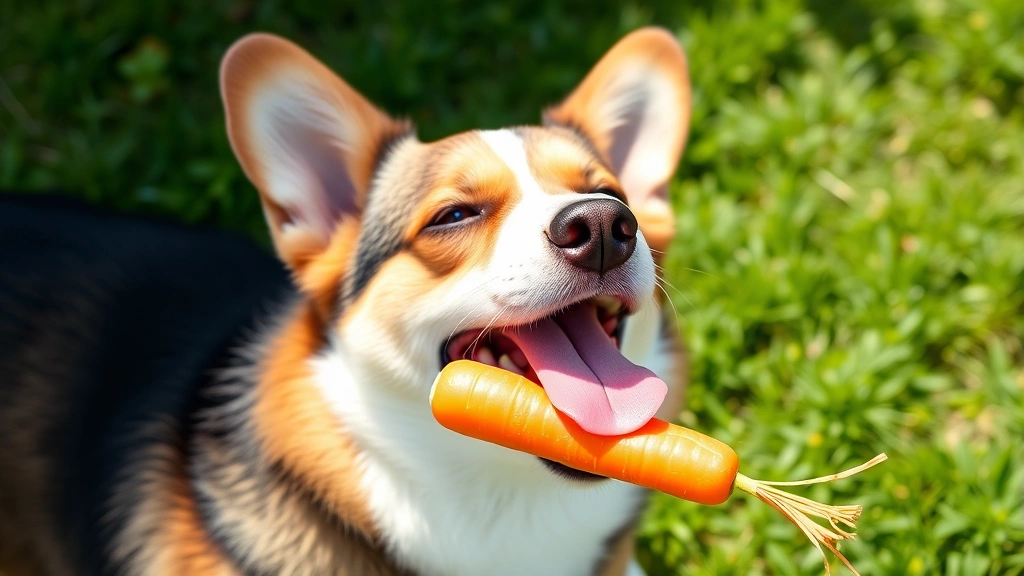
Carrot sticks are crunchy, low-calorie, and excellent for dental health. Apples (without seeds) provide natural sweetness. Pumpkin puree aids digestion and offers satisfying flavor. Frozen blueberries work as refreshing treats and contain antioxidants. Plain peanut butter (xylitol-free) is beloved by most dogs and provides healthy fats.
For dogs that love the spiced cookie experience, consider making homemade dog treats using dog-safe ingredients: oat flour, unsweetened applesauce, a tiny pinch of cinnamon (optional), and a touch of peanut butter. These provide the warm, comforting flavors without the harmful additives.
Commercial dog treats labeled as “natural” or “organic” are safer choices than human snacks, though you should still read labels carefully. Look for treats with recognizable, whole-food ingredients and minimal added sugar. Your veterinarian can recommend brands they trust for your specific dog’s age, size, and health status.
When to Contact Your Vet: Recognizing Serious Symptoms
If your dog consumed ginger snaps, watch for these warning signs over the next 24-48 hours:
- Persistent vomiting or diarrhea lasting more than a few hours
- Abdominal pain (whining, hunching, restlessness)
- Lethargy or unusual behavior (confusion, disorientation)
- Tremors or seizures (especially if nutmeg was present)
- Excessive drooling or difficulty swallowing
- Loss of appetite for more than one meal
- Jaundice (yellowing of eyes or gums)
Contact your vet immediately if your dog exhibits any of these symptoms, or call the ASPCA Poison Control hotline at (888) 426-4435 for guidance. Have the ginger snap package available so you can provide ingredient information. If xylitol is present, this becomes an emergency requiring immediate veterinary intervention, as xylitol-induced hypoglycemia can be fatal without prompt treatment.
For minor cases where your dog ate a single ginger snap with no serious ingredients, home monitoring is usually sufficient. Withhold food for 4-6 hours, then offer bland options like boiled chicken and white rice. Ensure constant access to fresh water. However, when in doubt, call your vet—it’s always better to be cautious.
If you suspect your dog has chronic digestive issues from repeated treat mistakes, discuss dietary management strategies with your veterinarian.

Frequently Asked Questions
Can dogs eat plain ginger?
Yes, in very small amounts. A piece of fresh ginger about the size of a pea (1/4 teaspoon) occasionally may help with nausea or inflammation. However, ginger is spicy and can irritate some dogs’ mouths and stomachs. Always introduce it gradually and monitor your dog’s reaction. Never give ginger to dogs taking blood thinners without veterinary approval.
Are homemade ginger snaps safer for dogs?
Homemade versions without xylitol, nutmeg, or cloves are technically safer than store-bought, but they’re still not ideal. Homemade ginger snaps would still contain sugar and spices that don’t benefit dogs nutritionally. If you want to make dog treats at home, use recipes specifically designed for canine diets rather than adapting human cookie recipes.
What if my dog ate one ginger snap accidentally?
One ginger snap is unlikely to cause serious harm, especially if it doesn’t contain xylitol. Monitor your dog for 24 hours for signs of digestive upset, vomiting, or unusual behavior. Most dogs will be fine, but watch for symptoms. If your dog seems completely normal after 24 hours, they’ve likely suffered no lasting effects.
Can puppies have ginger snaps?
Absolutely not. Puppies have delicate, developing digestive systems and are more susceptible to toxicity from spices and additives. Puppies also need carefully balanced nutrition to grow properly, and ginger snaps provide only empty calories. Stick to puppy-specific treats and training rewards approved by your vet.
Do ginger snaps actually help with dog digestion?
Despite the name, ginger snaps don’t provide digestive benefits. While fresh ginger has some anti-inflammatory properties, commercial ginger snaps contain so much sugar and other problematic ingredients that any potential benefits are completely negated. If your dog has digestive issues, work with your vet on appropriate dietary solutions rather than trying home remedies with human food.
Are there dog treats that taste like ginger snaps?
Some specialty dog treat companies create spiced dog biscuits with minimal sugar and dog-safe ingredients. These are rare and typically more expensive than regular dog treats, but they exist. Check pet specialty stores or online retailers that focus on premium, health-conscious dog products. Your vet may have recommendations.





