

Can Dogs Eat Goldfish Crackers? Safety Tips for Pet Parents
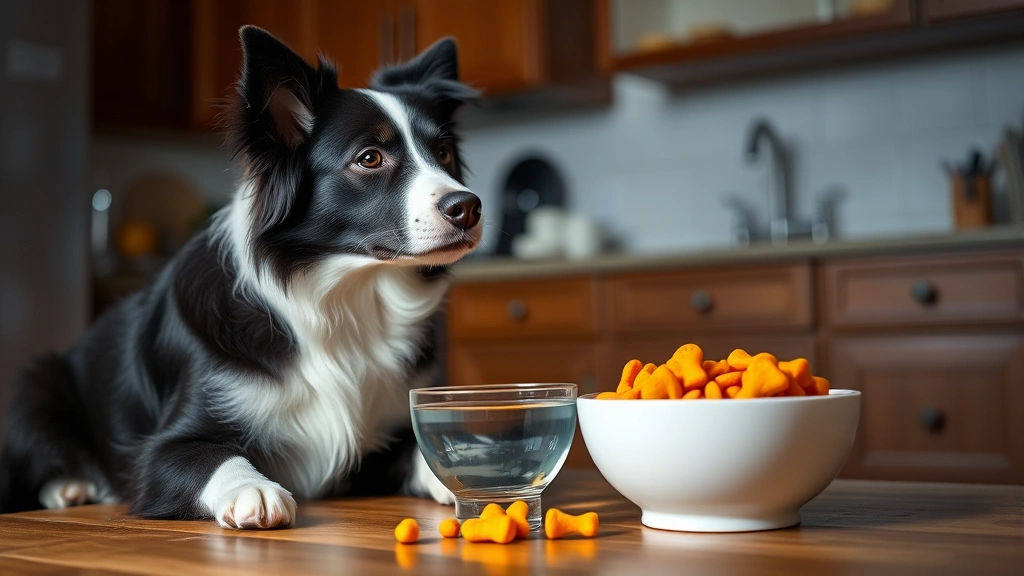
Your pup gives you those irresistible puppy-dog eyes as you munch on a handful of Goldfish crackers, and naturally, you wonder: can dogs have goldfish crackers too? It’s one of those questions that pops up when you’re snacking and your furry best friend decides your food looks infinitely more interesting than their kibble. The good news? We’ve got the complete scoop on whether these cheesy little snacks are safe for your canine companion, plus some practical tips to keep your dog healthy and happy.
As pet parents, we want to share everything with our dogs—our homes, our beds, and apparently, our snacks. But not all human foods are created equal when it comes to our four-legged friends. Goldfish crackers might seem harmless, but there are several factors you should consider before tossing one to your pup. Let’s dive into the nitty-gritty of this common snack question and explore what you need to know to make the best choices for your dog’s diet.
This guide will walk you through everything from ingredient analysis to portion control, helping you understand whether the occasional Goldfish cracker is a no-go or an occasional treat your dog can enjoy. We’ll also explore some safer alternatives and answer the questions you’re probably already asking yourself.
Are Goldfish Crackers Safe for Dogs?
The short answer: yes, one or two Goldfish crackers won’t harm your dog, but they shouldn’t become a regular snacking habit. These cheddar-flavored treats are technically non-toxic to dogs, meaning they won’t cause immediate poisoning. However, “non-toxic” doesn’t automatically mean “healthy” or “recommended.” Think of it like this—just because something won’t hurt your dog doesn’t mean it’s ideal for their nutritional needs.
When you compare Goldfish crackers to other snack options, they fall into the “occasional treat” category at best. They’re highly processed, loaded with salt, and offer virtually no nutritional benefit to your canine companion. Your dog’s digestive system is designed to process whole foods and quality dog food, not salty snack crackers. If you’re going to share human food with your pup, there are definitely better options available.
According to the American Kennel Club, treats should make up no more than 10% of your dog’s daily caloric intake, with the remaining 90% coming from balanced, complete dog food. This guideline helps ensure your dog gets all the essential nutrients they need without developing unhealthy eating habits or weight problems.

Breaking Down the Ingredients
Let’s talk specifics. A typical serving of Goldfish crackers contains enriched wheat flour, vegetable oil, salt, and cheddar cheese powder. While none of these ingredients are inherently toxic to dogs, they’re not exactly what you’d serve a pup at a fancy dinner party either. The enriched wheat flour provides minimal nutritional value, especially since most commercial dog foods already contain proper grain formulations designed for canine digestion.
The cheddar cheese powder is where things get interesting. Dogs can eat cheese in moderation, though some are lactose intolerant. However, the amount of cheese flavoring in Goldfish crackers is minimal and combined with excessive salt, making them a poor choice as a cheese source. If you want to give your dog cheese, a small cube of real cheddar would be a far superior option. For more information about specific human foods your dog might encounter, check out our guide on can dogs eat Cheerios, which covers similar snack safety concerns.
The vegetable oil used in Goldfish crackers is another consideration. While not harmful in tiny amounts, these oils are calorie-dense and can contribute to weight gain, especially if your dog is already getting adequate fat from their regular diet. Dogs need healthy fats for skin and coat health, but these should come from quality sources like fish oil or chicken fat in their primary food.
The Sodium Problem
Here’s the biggest red flag with Goldfish crackers: sodium content. A single serving (about 55 crackers or roughly 30 grams) contains approximately 250 milligrams of sodium. For context, most adult dogs should consume no more than 100-200 milligrams of sodium per day, depending on their size and health status. Even one small handful of Goldfish crackers could represent a significant portion of your dog’s daily sodium allowance.
Excess sodium in dogs can lead to serious health consequences, including increased thirst, urinary issues, and in severe cases, sodium ion poisoning. Dogs with existing health conditions like heart disease, kidney disease, or hypertension are particularly vulnerable to high-sodium foods. If your dog has any of these conditions, Goldfish crackers are absolutely off-limits.
The ASPCA recommends that pet parents be especially cautious with processed human snacks, particularly those high in sodium. Your dog’s kidneys work hard to regulate sodium levels, and consistently consuming salty snacks puts unnecessary strain on these vital organs. Over time, this can contribute to chronic kidney disease and other complications.
Artificial Additives and Dyes
Many commercial Goldfish crackers contain artificial preservatives, colors, and flavoring agents. While the FDA considers these additives safe for human consumption, the research on their effects on dogs is less conclusive. Some dogs may experience sensitivities to artificial dyes like tartrazine (Yellow 5) or sunset yellow (Yellow 6), which can manifest as itching, digestive upset, or behavioral changes.
Additionally, the artificial flavoring used to create that distinctive “cheesy” taste isn’t necessary for your dog’s diet. Dogs don’t need complex flavor profiles to be satisfied—they’re perfectly happy with plain, whole foods. By offering Goldfish crackers, you’re potentially exposing your dog to additives without any corresponding nutritional benefit.
If you’re looking for similar snack options that are safer, our comprehensive guide on can dogs eat crackers explores various cracker types and their safety profiles. You might also be interested in learning about can dogs eat pretzels, which shares similar concerns about salt content.
Portion Control and Moderation
If you’ve already given your dog a Goldfish cracker or two and you’re panicking, take a deep breath. One or two crackers won’t cause harm. The danger lies in making it a habit. If your dog accidentally gets into a bag of Goldfish crackers, monitor them for any signs of digestive upset, but don’t expect a medical emergency.
However, establishing good snacking habits is crucial for long-term dog health. Every time you offer a treat—whether it’s a Goldfish cracker or something healthier—you’re reinforcing that behavior. Dogs learn quickly, and if they discover that begging gets them salty snacks, they’ll keep begging. This can lead to excessive calorie consumption and unhealthy weight gain.
Instead of offering processed snacks, consider the broader picture of how much food you should feed your dog. Proper portion control of their regular meals, combined with healthy treat choices, creates the foundation for optimal canine health. Treats should be exciting and special—which is exactly why you should save them for genuinely nutritious options.
Potential Digestive Issues
Dogs have different digestive systems than humans, and what might be a harmless snack for you could cause stomach upset in your pup. The high salt and fat content of Goldfish crackers can trigger various digestive problems, particularly in dogs with sensitive stomachs. Some dogs might experience mild diarrhea, constipation, or general digestive discomfort after consuming these crackers.
If your dog has a history of digestive sensitivity or has recently dealt with gastrointestinal issues, Goldfish crackers are definitely not recommended. Even small amounts could trigger a reaction. If your dog experiences diarrhea after eating something questionable, check out our guide on what to feed a dog with diarrhea for recovery strategies.
Pancreatitis is another potential concern with fatty, salty snacks. Dogs with a history of pancreatitis should avoid Goldfish crackers entirely, as the fat content and sodium could trigger a painful flare-up. Always consult with your veterinarian if your dog has any pre-existing digestive conditions before introducing new foods.
Safer Snack Alternatives
Now that we’ve established that Goldfish crackers aren’t ideal, let’s talk about what IS great for your dog. There are countless healthy, dog-friendly snack options that will make your pup just as happy without the sodium and additives. Here are some excellent alternatives:
- Carrots: Raw or cooked, carrots are low in calories, high in fiber, and naturally crunchy. They’re also great for dental health.
- Apple slices: Remove the seeds and offer plain apple slices. They’re refreshing, low-calorie, and packed with vitamins.
- Plain chicken: Cooked, unseasoned chicken is protein-rich and absolutely delicious to dogs.
- Sweet potato: Baked or boiled sweet potato provides natural sweetness and valuable nutrients.
- Watermelon: Remove seeds and offer seedless watermelon on hot days for hydration without calories.
- Plain pumpkin: Great for digestive health and naturally sweet.
- Green beans: Low-calorie and safe, making them perfect for dogs watching their weight.
If you want to replicate that “cheesy” flavor your dog might enjoy, consider offering a tiny piece of real cheese as an occasional treat. A small cube of cheddar, mozzarella, or string cheese occasionally is far superior to processed cheese powder in crackers. You could also explore treats specifically formulated for dogs that use real cheese and wholesome ingredients.
For dogs who love crunchy textures like Goldfish crackers provide, consider dog-specific biscuits made with whole grains and no artificial additives. Many premium dog treat brands offer crunchy options that satisfy that textural craving while providing actual nutritional value. If your dog enjoys peanut butter-flavored treats, learn more about can dogs have peanut butter in various forms.
When to Call Your Vet
While one or two Goldfish crackers won’t send you on an emergency vet trip, you should know the warning signs that indicate a problem. If your dog consumes a large quantity of Goldfish crackers—like an entire bag—contact your veterinarian or ASPCA Animal Poison Control Center for guidance.
Watch for these symptoms that warrant veterinary attention:
- Severe vomiting or retching
- Diarrhea lasting more than a few hours
- Abdominal pain or bloating
- Lethargy or unusual behavior
- Loss of appetite
- Excessive thirst or urination
- Difficulty breathing
- Seizures or collapse
Keep in mind that even if symptoms aren’t severe, it’s always better to err on the side of caution. Your veterinarian knows your dog’s health history and can provide personalized guidance. Don’t hesitate to call if you’re concerned—that’s what they’re there for.
Frequently Asked Questions
Can puppies eat Goldfish crackers?
Puppies should definitely avoid Goldfish crackers. Their developing digestive systems are even more sensitive than adult dogs’, and their caloric needs are different. Puppies require specific nutrition for growth, and processed snacks can interfere with proper development. Stick to puppy-specific treats and foods formulated for their life stage.
Are Goldfish crackers toxic to dogs?
No, Goldfish crackers are not toxic to dogs. However, “non-toxic” doesn’t mean safe or healthy. The high sodium content and lack of nutritional value make them an unsuitable regular snack, even though one or two crackers won’t cause poisoning.
What if my dog ate a whole bag of Goldfish crackers?
If your dog consumed a large quantity, contact your veterinarian immediately. Depending on your dog’s size and the amount consumed, excessive sodium intake could cause serious issues. Your vet may recommend monitoring or treatment depending on the situation.
Are there dog-safe crackers I can offer instead?
Yes! Look for dog treats specifically formulated as crackers or biscuits, made with whole grains and without artificial additives. You can also make homemade dog treats using dog-safe ingredients like peanut butter (xylitol-free), pumpkin, and oats.
Can dogs have flavored crackers like pizza or ranch Goldfish?
Absolutely not. Flavored varieties contain even more salt, artificial flavoring, and potentially harmful ingredients. Stick to plain snacks if you’re going to offer human food at all, and ideally, choose dog-specific alternatives instead.
How often can I give my dog treats?
Treats should comprise no more than 10% of your dog’s daily caloric intake. For most dogs, this means one or two treats per day, with the rest coming from balanced dog food. Consult your veterinarian about specific treat recommendations for your dog’s size and health status.
What’s the best way to discourage my dog from begging for human food?
The most effective strategy is consistency. Never give your dog human food from the table, and ask family members and guests to do the same. Offer appropriate dog treats or praise instead when your dog exhibits good behavior. Dogs learn quickly what behaviors get rewarded, so be intentional about what you reinforce.





