
Can Dogs Have Grape Jelly? Expert Insights on Safety and Risks
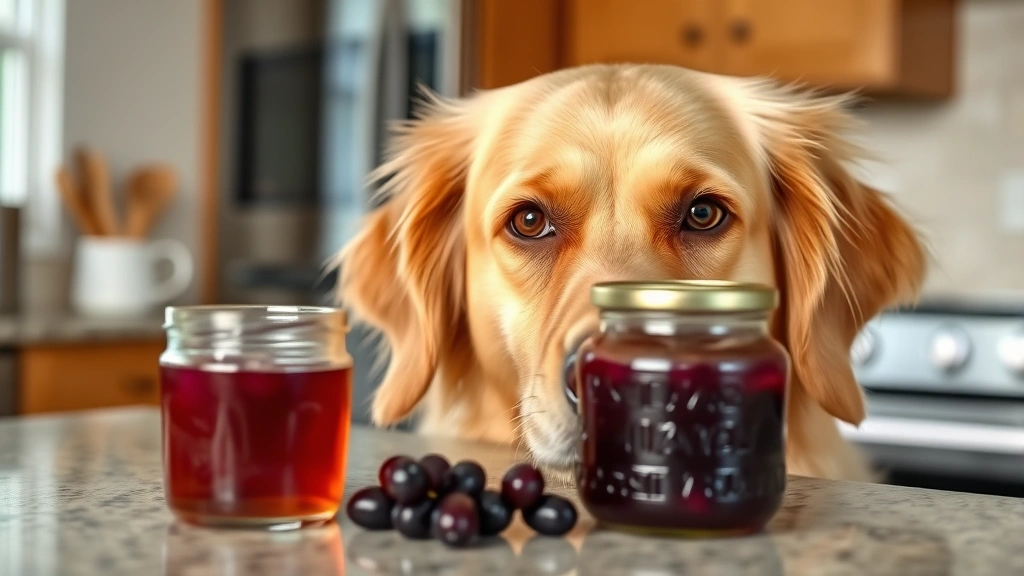
Grape jelly is a pantry staple in many households, but if you’re a dog owner, you’ve likely wondered whether it’s safe to share this sweet treat with your furry friend. The short answer is no—dogs should not have grape jelly, and understanding why is crucial for your pet’s health and safety. While a tiny lick might not cause immediate harm, grape jelly contains concentrated grape juice, which poses serious toxicity risks to dogs.
The danger lies not just in the grapes themselves, but in how jelly products are formulated. Grape jelly contains high sugar content, artificial additives, and most critically, the toxic compounds found in grapes and raisins. This comprehensive guide explores the science behind grape toxicity in dogs, what symptoms to watch for, and safer alternatives that won’t put your beloved companion at risk.
Why Are Grapes Toxic to Dogs?
The toxicity of grapes to dogs remains one of veterinary medicine’s most perplexing mysteries. Despite decades of research, scientists haven’t definitively identified the exact compound responsible for grape poisoning in canines. However, the danger is undeniable and well-documented across veterinary literature.
According to the ASPCA Animal Poison Control Center, grapes have caused serious kidney failure in dogs, with some cases resulting in fatality. The toxic response appears to be dose-dependent and highly individual—meaning some dogs may show severe reactions to small amounts while others might tolerate larger quantities without immediate symptoms. This unpredictability is precisely why veterinarians recommend complete avoidance.
Current research suggests the toxin could be related to tartaric acid, mycotoxins, or salicylates present in grapes. What’s particularly concerning is that the toxicity affects the kidneys specifically, potentially causing acute kidney injury (AKI). The kidneys are vital organs responsible for filtering waste and regulating hydration, so any compromise to their function can be life-threatening.
The risk isn’t limited to fresh grapes alone. Dried grapes (raisins), grape juice, grape seeds, and products containing concentrated grape ingredients all pose the same threat. This is why understanding proper dog nutrition includes knowing which foods are absolutely off-limits.
Grape Jelly Specifics: Concentration and Risk
Grape jelly presents a particularly deceptive hazard because it concentrates grape juice into a small, sweet package. A single tablespoon of grape jelly contains far more grape content than a few whole grapes, making it exponentially more dangerous. Additionally, commercial grape jellies contain ingredients that compound the risk:
- High sugar content: Excessive sugar contributes to obesity, diabetes, and dental problems in dogs
- Artificial sweeteners: Products sweetened with xylitol are extremely toxic to dogs, causing rapid insulin release and severe hypoglycemia
- Additives and preservatives: Many commercial jellies contain ingredients that can trigger digestive upset or allergic reactions
- Concentrated grape solids: The jelling process concentrates the potentially toxic compounds present in grapes
Even “natural” or “organic” grape jellies carry the same risks. The processing method doesn’t eliminate the toxic compounds; if anything, the concentration process may increase their potency. Some homemade grape jellies might seem safer, but they still contain the problematic grape juice base.
If your dog accidentally consumed grape jelly, the amount matters significantly. A single lick from a jar is less concerning than a spoonful, but any ingestion warrants caution and observation. The challenge is that kidney damage may not manifest immediately—some dogs develop symptoms within 24-72 hours, while others might show delayed reactions.
Symptoms of Grape Toxicity in Dogs
Recognizing the early signs of grape toxicity is essential for prompt veterinary intervention. Symptoms typically appear within 6-24 hours of ingestion, though some dogs may show delayed responses. Watch for these warning signs:
Early symptoms:
- Vomiting or retching
- Diarrhea (often containing grape material)
- Loss of appetite
- Lethargy or unusual tiredness
- Abdominal pain or discomfort
- Excessive drooling
Advanced symptoms (indicating kidney damage):
- Decreased urination or inability to urinate
- Increased thirst
- Dehydration (dry gums, loss of skin elasticity)
- Bad breath or oral ulcers
- Tremors or seizures (in severe cases)
- Weakness or collapse
The progression from gastrointestinal symptoms to kidney failure can happen rapidly. Some dogs experience fulminant kidney failure, where organ function deteriorates dramatically within days. This is why any suspected grape ingestion requires immediate veterinary attention, even if your dog seems fine initially.
What to Do If Your Dog Eats Grape Jelly
Immediate steps:
- Contact your veterinarian or emergency veterinary clinic immediately—don’t wait to see if symptoms develop
- Note the time of ingestion and approximate amount consumed
- Save the jelly container so you can tell your vet the exact product and ingredients
- Don’t induce vomiting unless specifically instructed by your vet
- Monitor your dog closely for any symptoms
- Keep your dog calm and restrict exercise
- Ensure fresh water is available
Your veterinarian will likely recommend blood work and urinalysis to assess kidney function. These tests can reveal early signs of kidney damage even before symptoms appear. Treatment may include IV fluids, supportive care, and close monitoring. Early intervention significantly improves outcomes, which is why seeking help immediately matters more than waiting to see if your dog develops symptoms.
The ASPCA Poison Control is also available 24/7 to provide guidance. They charge a consultation fee but offer professional toxicology expertise.
Safe Treat Alternatives for Your Dog
Your dog doesn’t need grape jelly to enjoy sweet, delicious treats. Plenty of dog-safe options satisfy that desire for something special:
Fruit-based treats:
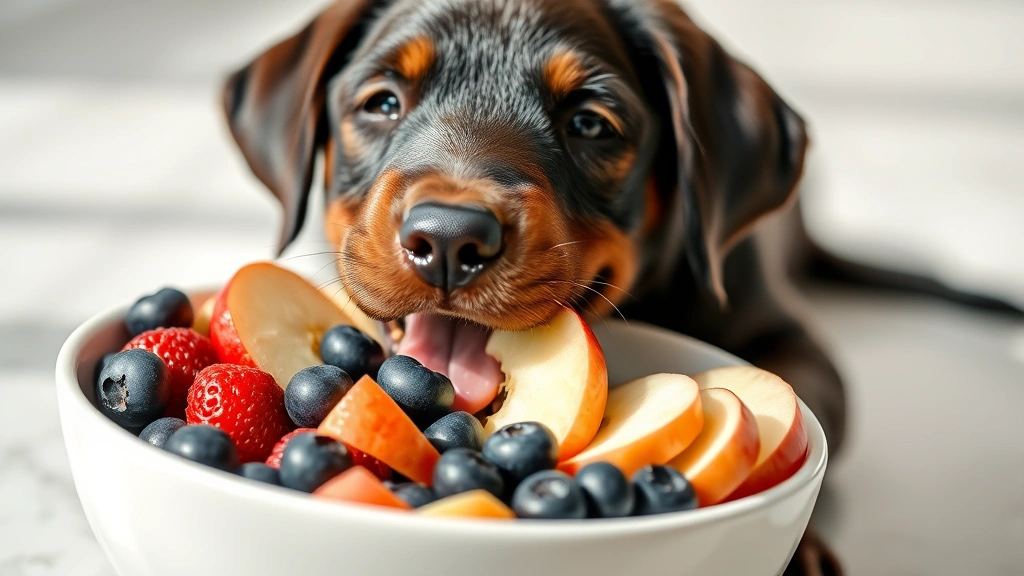
- Apple slices (remove seeds)
- Bananas (in moderation)
- Blueberries
- Watermelon (seedless)
- Pumpkin puree
- Strawberries
Protein-based options:
- Plain cooked chicken
- Unsalted peanut butter (verify no xylitol)
- Eggs
- Plain Greek yogurt
When considering what foods are appropriate for your dog, remember that treats should comprise no more than 10% of daily caloric intake. This helps maintain proper nutrition and prevents obesity-related health issues.
You can also make homemade treats using dog-safe ingredients. Many recipes combine peanut butter, banana, and oats for a naturally sweet treat that’s completely safe. These homemade options give you complete control over ingredients and sugar content.
Prevention and Household Safety
The best approach to grape jelly safety is prevention. Keep all grape products—including jelly, juice, fresh grapes, and raisins—stored securely where your dog cannot access them:
- Store jelly in high cabinets or locked containers
- Keep the pantry door closed and secure
- Don’t leave food on counters or tables within reach
- Dispose of grape products in a trash can with a secure lid
- Educate family members and guests about the dangers
- Be cautious during picnics or outdoor gatherings where grapes might be served
- Check dog treat labels for hidden grape ingredients
If you have concerns about digestive issues in your dog, discuss dietary management with your veterinarian rather than experimenting with human foods. Dogs have different nutritional requirements than humans, and what seems harmless might cause problems.
Training your dog to avoid human food entirely is also valuable. Teaching a reliable “leave it” command can prevent accidental ingestion of dangerous items. Positive reinforcement training works well—reward your dog for ignoring food on the ground or table.
FAQ
Is a tiny taste of grape jelly dangerous for dogs?
Even small amounts carry risk. While a single lick might not cause severe toxicity, there’s no safe threshold established for grape products in dogs. The safest approach is complete avoidance. If your dog licked a small amount, monitor closely and contact your vet if any symptoms develop.
Can some dogs tolerate grapes better than others?
Individual variation exists, but this doesn’t make grapes safe. Some dogs may not show immediate symptoms, but kidney damage can still occur. The unpredictability is precisely why vets recommend avoiding grapes entirely rather than testing your individual dog’s tolerance.
What about seedless grapes or white grapes?
All grape varieties are toxic to dogs, regardless of seed content or color. The toxic compound isn’t related to seeds specifically, so removing seeds doesn’t eliminate the danger.
Is grape jelly safer than fresh grapes?
No. If anything, grape jelly is more dangerous due to concentration and added ingredients. A small amount of jelly contains more grape content than several whole grapes.
How quickly should I seek veterinary help?
Immediately. Don’t wait for symptoms to develop. Early treatment provides the best chance of preventing kidney damage. Contact your vet or emergency clinic right away if ingestion occurred.
Can dogs recover from grape toxicity?
Recovery depends on the amount ingested, time elapsed before treatment, and individual factors. Early intervention with supportive care improves outcomes significantly. Some dogs recover fully with treatment, while others may develop chronic kidney issues.
What if my dog ate grape jelly weeks ago with no symptoms?
Contact your veterinarian for blood work and urinalysis. Kidney damage may be occurring without obvious symptoms. Early detection allows for preventive care and monitoring to slow any progression.
Are there grape jelly brands that are safer?
No brand of grape jelly is safe for dogs. Even premium, organic, or natural varieties contain concentrated grape juice and pose the same toxicity risk. The manufacturing source doesn’t change the fundamental danger.
Can I use alternative ingredients like pumpkin for similar treats?
Absolutely. Pumpkin puree is safe, nutritious, and can be mixed into treats or served plain. It’s also beneficial for digestive health, making it superior to grape jelly for your dog’s wellbeing.
What should I do if multiple dogs ingested grape jelly?
Contact your veterinarian immediately for each dog. Even if they ingested the same amount, individual responses vary. Each dog needs individual assessment and monitoring.
Final Thoughts: The question “Can dogs have grape jelly?” has a definitive answer: no. The risks far outweigh any potential enjoyment your dog might get from this treat. With so many safe, delicious alternatives available, there’s simply no reason to expose your dog to grape toxicity. By understanding the dangers and taking preventive measures, you’re protecting your dog’s kidneys and overall health. When in doubt about any food, consult your veterinarian—they’re your best resource for keeping your furry friend safe and healthy.





