

Is Green Tea Safe for Dogs? Vet Insights
Many pet owners enjoy their morning cup of green tea and wonder if they can share this healthy beverage with their canine companions. While green tea offers numerous health benefits for humans, the question of whether can dogs have green tea requires careful consideration. The answer isn’t a simple yes or no—it depends on several factors including the amount consumed, your dog’s age and health status, and how the tea is prepared.
As a responsible dog owner, understanding what beverages and foods are safe for your furry friend is essential. Green tea contains compounds that can affect dogs differently than they affect humans, and some of these components may pose health risks. This comprehensive guide explores the science behind green tea consumption in dogs, potential side effects, and expert veterinary recommendations to keep your pet safe and healthy.
What’s in Green Tea That Affects Dogs
Green tea is made from the leaves of the Camellia sinensis plant and contains various bioactive compounds. While these compounds offer health benefits to humans, dogs metabolize substances differently, making some ingredients potentially problematic. The primary concern with green tea for dogs involves its stimulant properties and chemical composition.
The main active compounds in green tea include caffeine, theobromine, catechins, and polyphenols. While catechins and polyphenols are antioxidants beneficial to human health, the caffeine and theobromine content poses the greatest risk to dogs. These methylxanthines are naturally occurring alkaloids that affect the central nervous system and cardiovascular system in ways that can be harmful to canines.
Unlike humans, dogs lack certain liver enzymes that efficiently break down these compounds. This metabolic difference means that even small amounts of caffeine or theobromine can accumulate in a dog’s system and cause adverse effects. The concentration of these substances in green tea varies depending on brewing time and the quality of the leaves used.
Caffeine Content and Canine Sensitivity
Caffeine is a central nervous system stimulant that affects dogs much more severely than it affects humans. A typical 8-ounce cup of green tea contains approximately 25-50 milligrams of caffeine, which might seem minimal, but dogs have much lower tolerance thresholds. According to the ASPCA Animal Poison Control Center, caffeine toxicity in dogs can occur at doses as low as 20 milligrams per kilogram of body weight.
For a small dog weighing just 10 pounds (approximately 4.5 kilograms), consuming a full cup of green tea could potentially deliver a concerning dose of caffeine. Even smaller amounts can cause noticeable symptoms in sensitive individuals. The effects depend on your dog’s size, age, overall health, and individual sensitivity to stimulants.
Caffeine works by blocking adenosine receptors in the brain, which normally promote relaxation and sleep. In dogs, this can lead to hyperactivity, restlessness, and difficulty settling down. The stimulant effect can be particularly problematic for dogs with pre-existing heart conditions or anxiety issues.
Older dogs may be more sensitive to caffeine’s effects due to age-related changes in metabolism and organ function. Puppies are also at higher risk because their bodies are still developing and their ability to process toxins is limited. If you have a senior dog or a puppy, it’s especially important to keep all caffeinated beverages completely out of reach.
Theobromine: Another Concern
Beyond caffeine, green tea contains theobromine, another methylxanthine alkaloid. Theobromine is perhaps more famous as the compound that makes chocolate toxic to dogs, but it’s present in green tea as well. While the concentration in green tea is much lower than in chocolate, it still contributes to the overall stimulant effect.
Theobromine affects dogs similarly to caffeine but can have a longer half-life in their bodies, meaning it stays in their system longer. This extended presence means that even modest amounts can accumulate if your dog has repeated exposure. The combination of caffeine and theobromine in green tea creates a synergistic effect that amplifies the potential for adverse reactions.
The toxic threshold for theobromine in dogs is approximately 20 milligrams per kilogram of body weight, similar to caffeine. For perspective, milk chocolate contains about 2-10 mg/oz of theobromine, while dark chocolate contains 10-35 mg/oz. A cup of green tea typically contains only trace amounts of theobromine, but it’s still worth considering in the overall picture of your dog’s dietary safety.
Signs Your Dog Has Consumed Green Tea
If your dog has accidentally consumed green tea, knowing what symptoms to watch for is crucial. Early recognition of poisoning signs allows you to seek veterinary care promptly, which significantly improves outcomes. Symptoms typically appear within 30 minutes to several hours after consumption, depending on the amount ingested and your dog’s individual factors.
Common signs of caffeine or theobromine toxicity include:
- Restlessness and hyperactivity
- Rapid or irregular heartbeat (tachycardia)
- Tremors or muscle twitching
- Excessive panting or difficulty breathing
- Vomiting or diarrhea
- Increased urination
- Drooling or excessive salivation
- Dilated pupils
- Seizures in severe cases
- Collapse or loss of consciousness
The severity of symptoms depends on the dose consumed. A small amount might cause mild restlessness, while a larger quantity could trigger more serious cardiovascular and neurological effects. Some dogs may experience gastrointestinal upset similar to what you’d see with digestive issues, including vomiting and diarrhea.
If you suspect your dog has consumed green tea, don’t wait for symptoms to develop—contact your veterinarian or poison control immediately. Having information about the amount consumed and the time of ingestion will help your vet provide appropriate treatment.
Safe Hydration Alternatives for Dogs
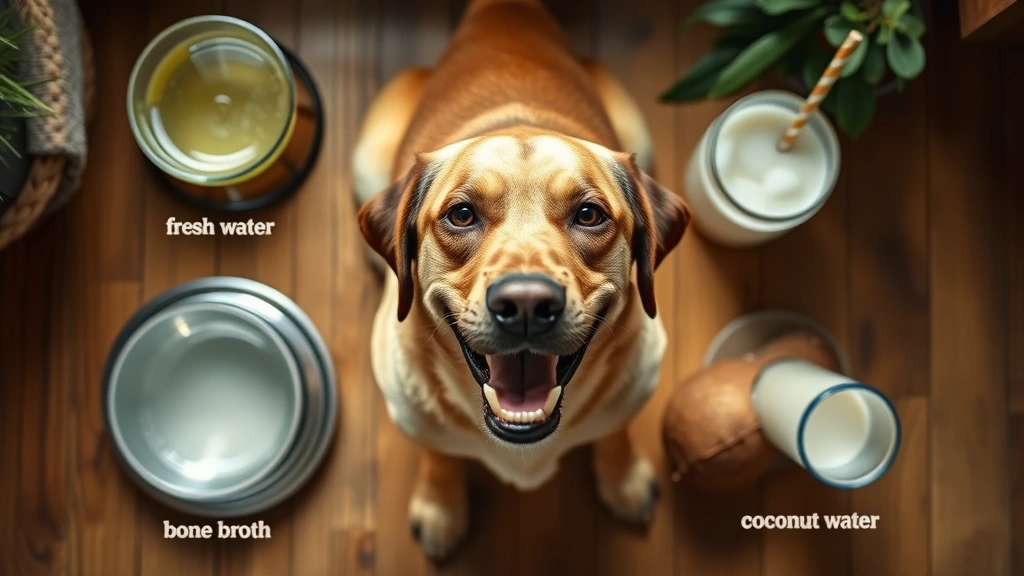
The best approach to keep your dog safe is to avoid green tea entirely and focus on appropriate hydration options. Dogs have different nutritional needs than humans, and their beverages should reflect this reality. Plain, fresh water is always the gold standard for canine hydration and should be available at all times.
Safe alternatives to green tea for dogs include:
- Plain water: The most important beverage for dogs, supporting all bodily functions
- Dog-safe broths: Low-sodium chicken or beef broth without onions or garlic
- Coconut water: In small amounts, unsweetened and without added sugars
- Bone broth: Specially prepared for dogs, offering joint and digestive benefits
- Pumpkin water: Plain pumpkin puree mixed with water for digestive support
If you’re interested in providing your dog with antioxidant benefits similar to what green tea offers humans, consider dog-safe alternatives. Certain fruits like blueberries and apples (without seeds) contain beneficial antioxidants and can be given as occasional treats. Always introduce new foods gradually and in appropriate portions for your dog’s size.
When it comes to treating digestive upset, consult your veterinarian before offering any home remedies. They can recommend safe, proven options rather than experimenting with human beverages that might cause additional problems.
What Veterinarians Recommend
Veterinary professionals are unanimous in their recommendation: green tea should not be given to dogs intentionally. The American Veterinary Medical Association and the American Kennel Club both caution against offering caffeinated beverages to pets. Veterinarians understand that while one small sip might not cause serious harm in a large dog, the risk simply isn’t worth taking.
Dr. Jennifer Coates, a veterinary advisor for the ASPCA, emphasizes that dogs don’t need any beverages other than water. While humans enjoy tea for its flavor and social aspects, dogs have no comparable needs or desires. They cannot appreciate the taste complexity that makes green tea appealing to people, so there’s no benefit to offering it.
Veterinarians recommend maintaining a pet-safe environment by keeping all caffeinated beverages out of your dog’s reach. This includes not just green tea, but also coffee, black tea, energy drinks, and caffeinated sodas. Establishing this practice prevents accidental poisoning and teaches household members the importance of pet safety.
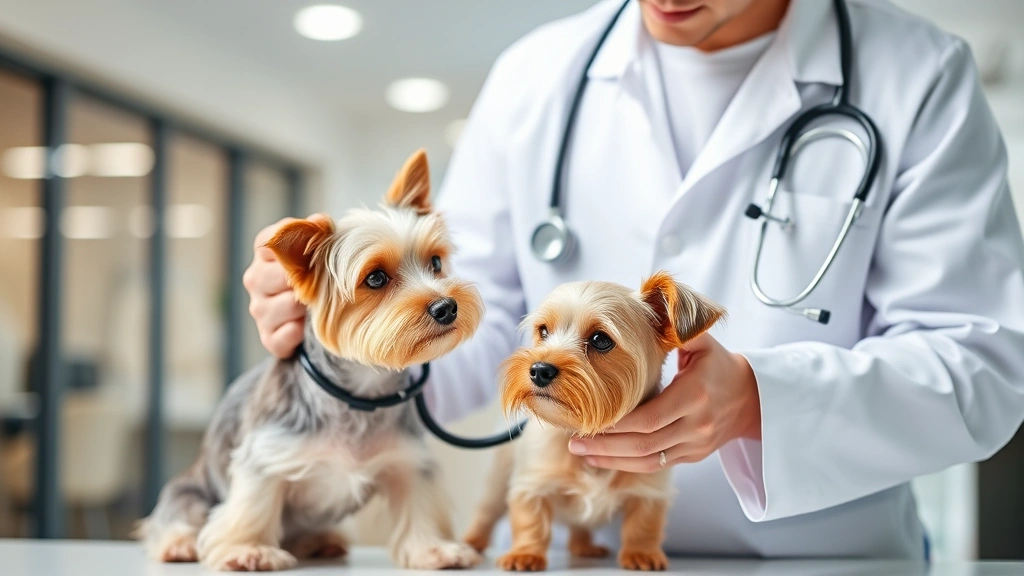
If your dog has consumed green tea, veterinarians typically recommend contacting poison control or seeking immediate veterinary care. Treatment depends on the amount consumed and your dog’s symptoms. In some cases, vets may induce vomiting if the ingestion was recent, or provide supportive care including IV fluids, medications to control heart rate, and monitoring for complications.
Regular veterinary check-ups provide opportunities to discuss your dog’s diet and any questions about specific foods or beverages. Your veterinarian can provide personalized recommendations based on your individual dog’s health status, age, and any pre-existing conditions that might make them more susceptible to caffeine sensitivity.





