
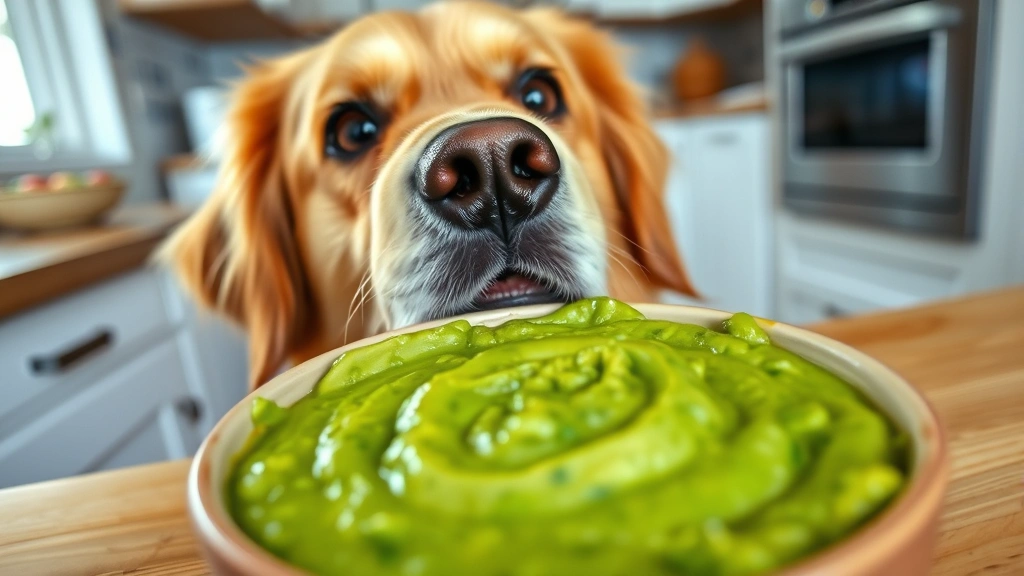
Can Dogs Have Guacamole? What You Need to Know
As a responsible dog owner, you want to share everything with your furry companion, including the foods you enjoy. However, not all human foods are safe for dogs, and guacamole is one treat you should keep far away from your pet’s bowl. This creamy dip, beloved by humans at parties and gatherings, poses significant health risks to dogs due to its primary ingredient: avocado. Understanding why guacamole is dangerous and what to do if your dog accidentally consumes it is crucial for every pet parent.
Guacamole combines avocado with various other ingredients like garlic, onions, salt, and lime juice, creating a flavor explosion for human taste buds. Unfortunately, this combination makes it even more hazardous for dogs than plain avocado alone. The toxicity levels and additional harmful components in guacamole make it one of the most important foods to keep out of your dog’s reach. According to the ASPCA, guacamole and dogs don’t mix, and pet owners should be especially vigilant during social gatherings when this dip is commonly served.
In this comprehensive guide, we’ll explore the dangers of guacamole for dogs, explain why avocado is toxic to canines, discuss the symptoms of poisoning, and provide guidance on what steps to take if your dog ingests this dangerous food. By the end of this article, you’ll have all the information needed to protect your beloved pet from this common household hazard.
Table of Contents
- Why Is Guacamole Dangerous for Dogs?
- Understanding Avocado Toxicity in Dogs
- Additional Harmful Ingredients in Guacamole
- Symptoms of Guacamole Poisoning
- What to Do If Your Dog Eats Guacamole
- Safe Treat Alternatives for Your Dog
- Frequently Asked Questions
Why Is Guacamole Dangerous for Dogs?
Guacamole presents multiple dangers to dogs that extend beyond just the avocado base. When you understand the full composition of this popular dip, it becomes clear why veterinarians universally recommend keeping it away from pets. The primary concern is the avocado fruit itself, which contains a compound called persin that is toxic to dogs. However, the danger doesn’t stop there—most guacamole recipes include several additional ingredients that are individually harmful to canine health.
The toxicity of guacamole is dose-dependent, meaning the amount your dog consumes matters significantly. A small taste may cause mild symptoms, while a larger quantity could result in serious health complications. This is why even well-meaning guests who think they’re giving your dog “just a little bite” can cause problems. Additionally, the fat content in guacamole is extremely high, which can lead to pancreatitis in dogs, a potentially life-threatening inflammation of the pancreas.
When considering whether are avocados good for dogs, the answer is definitively no. The combination of persin, high fat content, and often harmful additives makes avocado-based products unsuitable for canine consumption. Pet owners must understand that guacamole is not a safe food choice, regardless of how much their dog begs for a taste.
Understanding Avocado Toxicity in Dogs
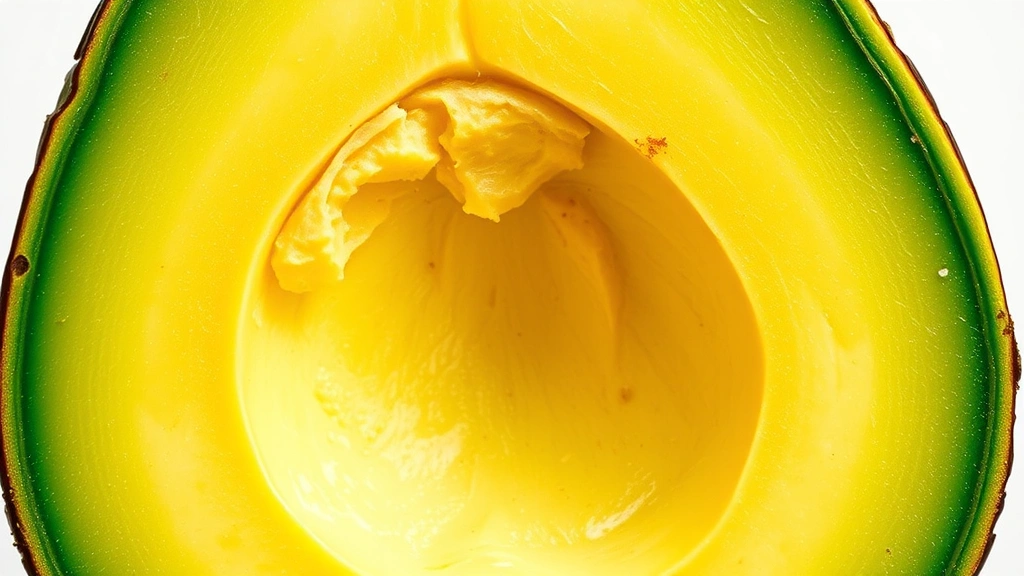
The main reason guacamole is dangerous lies in its primary ingredient: avocado. Avocados contain persin, a fungicidal toxin that can cause various health problems in dogs. This compound is found in the fruit, seed, leaves, and bark of the avocado plant, making all parts potentially hazardous. According to the American Kennel Club’s guide on whether dogs can eat avocado, the toxicity level depends on the dog’s size and the amount ingested.
The highest concentration of persin is found in the avocado seed and the area immediately surrounding it. However, the flesh of the avocado also contains this toxic compound, though in lower concentrations. When avocados are processed into guacamole, the entire fruit is blended together, distributing persin throughout the dip. This means every spoonful of guacamole contains the toxin, making the risk consistent and significant.
Different dog breeds and sizes have varying susceptibilities to avocado toxicity. Small dogs are at higher risk because the same amount of persin represents a larger dose relative to their body weight. Larger breeds may tolerate small amounts better, but this should never be used as justification for allowing them to consume guacamole. When learning about can dogs eat avocado, it’s important to recognize that guacamole is an even more dangerous form since it combines avocado with other toxic ingredients.
Additional Harmful Ingredients in Guacamole
Beyond the avocado base, most guacamole recipes contain several other ingredients that are harmful or toxic to dogs. Understanding these additional hazards helps illustrate why guacamole is particularly dangerous compared to plain avocado alone. Many common guacamole ingredients can cause serious health issues in dogs, from gastrointestinal upset to more severe toxicity.
Garlic and Onions: These ingredients are toxic to dogs because they contain thiosulfates, which damage red blood cells and can lead to hemolytic anemia. Garlic is approximately five times more toxic than onions. Whether raw, cooked, powdered, or in juice form, these alliums pose a serious threat. Many guacamole recipes call for garlic, either fresh or powdered, making them doubly dangerous.
Salt: While a small amount of salt isn’t necessarily toxic, guacamole often contains excessive salt levels that can cause sodium ion poisoning in dogs. This condition leads to excessive thirst, vomiting, diarrhea, and in severe cases, seizures and neurological problems. Dogs require significantly less sodium than humans, making salty foods particularly hazardous.
Lime Juice: The citric acid in lime juice can cause gastrointestinal irritation in dogs. While not as immediately toxic as some ingredients, it can contribute to overall digestive upset and discomfort. Some dogs are more sensitive to citrus than others, but it’s best to avoid it entirely.
According to Pet Poison Helpline’s information on avocado toxicity, the combination of these ingredients significantly increases the danger posed by guacamole. Additionally, if your dog consumes can dogs have avocado oil, they face similar risks, though guacamole presents a more acute multi-ingredient danger.
Symptoms of Guacamole Poisoning
If your dog has consumed guacamole, knowing the signs of poisoning can help you seek veterinary care quickly. Symptoms may appear within hours or develop over several hours, depending on the amount consumed and your dog’s individual sensitivity. Being able to recognize these warning signs is crucial for protecting your pet’s health.
Early Symptoms: The first signs of guacamole poisoning often include gastrointestinal distress. Your dog may experience vomiting, diarrhea, or lack of appetite. They might seem uncomfortable or restless, panting more than usual or showing signs of abdominal discomfort. Some dogs become lethargic and withdraw from normal activities.
Moderate Symptoms: As toxicity progresses, you may notice difficulty breathing, increased heart rate, or tremors. Your dog might experience weakness, especially in the hind legs. They may drool excessively or have difficulty swallowing. Some dogs develop difficulty breathing or chest pain, which are signs of potential cardiac involvement.
Severe Symptoms: In serious cases, guacamole poisoning can lead to collapse, seizures, or severe respiratory distress. If your dog shows any of these symptoms, immediate emergency veterinary care is essential. The combination of persin toxicity, pancreatitis from high fat content, and potential poisoning from garlic or onions can create a medical emergency.
According to the Humane Society’s guide on foods poisonous to pets, the severity of symptoms depends on several factors including the dog’s size, age, health status, and the amount of guacamole consumed. Puppies and senior dogs are at increased risk for severe reactions.

What to Do If Your Dog Eats Guacamole
Despite your best efforts, accidents happen, and your dog might manage to sneak a bite of guacamole. Knowing the proper steps to take can make a significant difference in the outcome. Quick action is essential when dealing with potential guacamole poisoning.
Step One: Stop Access Immediately: Prevent your dog from consuming any more guacamole. Remove the bowl and any accessible guacamole from the area. If your dog is still eating when you discover them, gently but firmly redirect them away from the food.
Step Two: Note the Amount: Try to estimate how much guacamole your dog consumed. This information will be valuable for your veterinarian when determining treatment. Also note the time of ingestion, as this affects how treatment progresses.
Step Three: Contact Your Veterinarian: Call your vet immediately with the information you’ve gathered. Describe what your dog ate, how much, and when. Your veterinarian can assess the risk level and advise whether your dog needs to be seen. For after-hours emergencies, contact an emergency veterinary clinic or Cornell University’s information on avocado toxicity provides guidance on emergency situations.
Step Four: Monitor Your Dog: Watch for symptoms of poisoning. Keep a log of any changes in behavior, appetite, bathroom habits, or physical symptoms. This information helps your veterinarian determine if treatment is necessary.
Step Five: Follow Veterinary Guidance: Your vet may recommend inducing vomiting if the ingestion occurred recently, or they might recommend supportive care and monitoring. Never induce vomiting without veterinary guidance, as this can sometimes cause additional harm. When researching can dogs eat guacamole, veterinary sources consistently recommend contacting professionals immediately rather than attempting home remedies.
Treatment for guacamole poisoning is primarily supportive, focusing on managing symptoms and allowing the dog’s body to process and eliminate the toxins. Your veterinarian may recommend IV fluids, medications to control vomiting, and close monitoring. In cases where pancreatitis develops from the high fat content, additional specialized care may be necessary.
Safe Treat Alternatives for Your Dog
Now that you understand why guacamole is dangerous, you might be wondering what safe treat alternatives you can offer your dog. There are plenty of nutritious and delicious options that won’t put your pet’s health at risk. These alternatives provide variety and satisfaction without the dangers associated with human foods like guacamole.
Fruits and Vegetables: Many fruits and vegetables are safe for dogs and provide excellent nutritional benefits. Apples (without seeds), bananas, blueberries, carrots, green beans, and sweet potatoes are all dog-friendly options. These provide fiber, vitamins, and natural sweetness that dogs enjoy.
Protein-Based Treats: Plain cooked chicken, turkey, or beef makes an excellent treat. You can offer these plain or mixed with safe vegetables. Plain cooked eggs are also nutritious and dogs typically love them. When considering alternatives to can dogs have avocado oil or guacamole-based treats, protein options provide better nutrition anyway.
Commercial Dog Treats: High-quality commercial dog treats are formulated to meet canine nutritional needs and safety standards. Look for products with minimal additives and recognizable ingredients. Many brands offer various flavors and textures to keep your dog interested.
Peanut Butter: Plain, unsalted peanut butter (without xylitol) is safe and delicious for most dogs. A small spoonful or a small amount spread on a treat makes a rewarding snack. Many dogs find peanut butter irresistible.
Frozen Treats: Create homemade frozen treats by mixing plain yogurt with dog-safe fruits like blueberries. You can freeze the mixture in ice cube trays for refreshing summertime treats. These provide hydration and nutrition while satisfying your dog’s desire for something special.
Frequently Asked Questions
Is a small amount of guacamole really dangerous for dogs?
Yes, even small amounts of guacamole pose health risks. The toxicity of avocado’s persin compound is dose-dependent, but there’s no truly “safe” amount. For small dogs, even a few bites can cause problems. The risk increases significantly with larger quantities. When asking can dogs eat guacamole, the answer is always no, regardless of quantity.
What’s the difference between plain avocado and guacamole for dogs?
Both are dangerous, but guacamole is worse because it combines avocado with additional toxic ingredients like garlic, onions, and excessive salt. While plain avocado is harmful due to persin content, guacamole multiplies the dangers. This is why can dogs have guacamole warrants an especially firm no compared to plain avocado.
My dog ate guacamole and seems fine. Should I still call the vet?
Yes, contact your veterinarian even if your dog appears fine. Symptoms may not appear immediately and could develop hours later. Your vet can assess the risk based on your dog’s size and the amount consumed. Early intervention can prevent complications from developing.
Are some dog breeds more susceptible to guacamole poisoning?
Small dog breeds are at higher risk because guacamole’s toxic compounds represent a larger dose relative to their body weight. However, all dogs are susceptible to persin toxicity and the additional harmful ingredients. Puppies and senior dogs also face increased risk due to less developed or declining organ function.
Can avocado oil be given to dogs as a supplement?
This is debatable and should only be done under veterinary supervision. While some sources suggest minimal amounts of avocado oil might be tolerable, it’s safer to avoid it entirely. The risks outweigh any potential benefits, especially when so many proven safe supplements exist for dogs.
What should I do at parties when guacamole is served?
Keep guacamole and any foods containing it away from your dog’s reach. Inform guests that your dog cannot have guacamole or any foods containing avocado, garlic, or onions. Provide your dog with their own safe treats so they don’t feel left out during social gatherings. Consider keeping your dog in a separate room during parties if necessary to prevent accidental ingestion.
Are there any health benefits of avocado for dogs that might justify small amounts?
No. While avocados contain some beneficial nutrients like potassium and healthy fats, these same nutrients can be obtained from many other safe sources. The risks of persin toxicity and pancreatitis far outweigh any potential nutritional benefits. According to the American Veterinary Medical Association’s household hazards guide, avocado should be completely avoided in dog diets.
What if my dog has eaten guacamole before and seemed fine?
Just because your dog appeared fine after a previous exposure doesn’t mean they’re safe to consume guacamole. Toxicity can be cumulative, and individual reactions vary. Your dog might have gotten lucky with a small amount or have higher natural tolerance, but this doesn’t mean they won’t have problems with future exposures. Continued exposure increases the risk of serious complications.
Pet owners should understand that guacamole is never a safe choice for dogs, regardless of past experiences. The potential for serious health complications makes it essential to prevent any access to this popular human food. By staying informed about the dangers and keeping dangerous foods out of reach, you can ensure your beloved companion enjoys a long, healthy life. For more comprehensive information, refer to resources like PetMD’s article on whether dogs can eat guacamole and VCA Animal Hospitals’ guide on foods to avoid.





