

When it comes to treating our beloved canine companions, many dog owners find themselves wondering about the safety of various food items, particularly when it comes to bones. Ham bones, often leftover from holiday meals or family dinners, might seem like a natural and enticing treat for dogs. However, the question “can dogs have ham bones” requires a much more complex answer than a simple yes or no.
The relationship between dogs and bones is deeply rooted in their evolutionary history, but modern food preparation and processing have created new safety concerns that every responsible pet owner should understand. While our four-legged friends may show enthusiastic interest in ham bones, these seemingly innocent treats can pose serious health risks that far outweigh any potential benefits.
The Hidden Dangers of Ham Bones for Dogs
Ham bones present multiple hazards that make them unsuitable for canine consumption. Unlike the bones that wild dogs and wolves might encounter in nature, ham bones have been processed, cooked, and often cured with various chemicals and seasonings that can be harmful to dogs. The cooking process fundamentally changes the bone structure, making them brittle and prone to splintering.
When dogs chew on cooked ham bones, the bones can break into sharp fragments that pose serious risks to the digestive system. These splinters can cause lacerations in the mouth, throat, and throughout the digestive tract. Additionally, ham bones are typically high in fat and sodium, both of which can lead to digestive upset and more serious health complications in dogs.
The size of ham bones also presents choking hazards, particularly for smaller dogs. Even larger dogs can struggle with bone fragments that become lodged in their throat or digestive system. The American Kennel Club strongly advises against giving cooked bones of any kind to dogs due to these inherent risks.
Cooked vs. Raw Bones: Understanding the Difference
The distinction between cooked and raw bones is crucial for dog owners to understand. While can dogs eat bones remains a debated topic, veterinarians universally agree that cooked bones should never be given to dogs. The cooking process removes moisture from bones and alters their chemical structure, making them brittle and likely to splinter.
Raw bones, while still controversial, are generally considered safer than cooked bones because they retain their natural flexibility and are less likely to splinter. However, even raw ham bones carry risks due to their size, hardness, and the potential for bacterial contamination. The curing process used for ham also introduces additional chemicals and excessive sodium that can be harmful to dogs regardless of whether the bone is cooked or raw.
Many pet owners don’t realize that even seemingly harmless bones like can dogs eat chicken bones pose similar risks when cooked. The safest approach is to avoid giving any type of cooked bone to dogs, including ham bones from holiday meals or leftover dinners.
Specific Health Risks and Complications
Ham bones can cause a wide range of health complications in dogs, some of which can be life-threatening. Gastrointestinal obstruction is one of the most serious risks, occurring when bone fragments become lodged in the stomach or intestines. This condition requires immediate surgical intervention and can be fatal if not treated promptly.
Pancreatitis is another significant concern associated with ham bones. The high fat content in ham can trigger this painful inflammatory condition, which can range from mild to severe. Dogs with pancreatitis may experience vomiting, diarrhea, loss of appetite, and abdominal pain. Chronic pancreatitis can lead to diabetes and other long-term health issues.
The excessive sodium content in ham bones can also cause sodium ion poisoning, particularly in smaller dogs. Symptoms include vomiting, diarrhea, excessive thirst, difficulty walking, and in severe cases, seizures. This is particularly concerning since many processed meats like ham contain additional preservatives and seasonings that can be toxic to dogs, which is why questions about is ham bad for dogs are so important for pet owners to understand.
Dental damage is another often-overlooked risk. Ham bones are extremely hard and can cause tooth fractures, especially in dogs that are aggressive chewers. Broken teeth are painful and typically require veterinary dental procedures to address properly. The American Veterinary Medical Association has documented numerous cases of dental injuries related to inappropriate bone consumption in dogs.
Emergency Warning Signs to Watch For
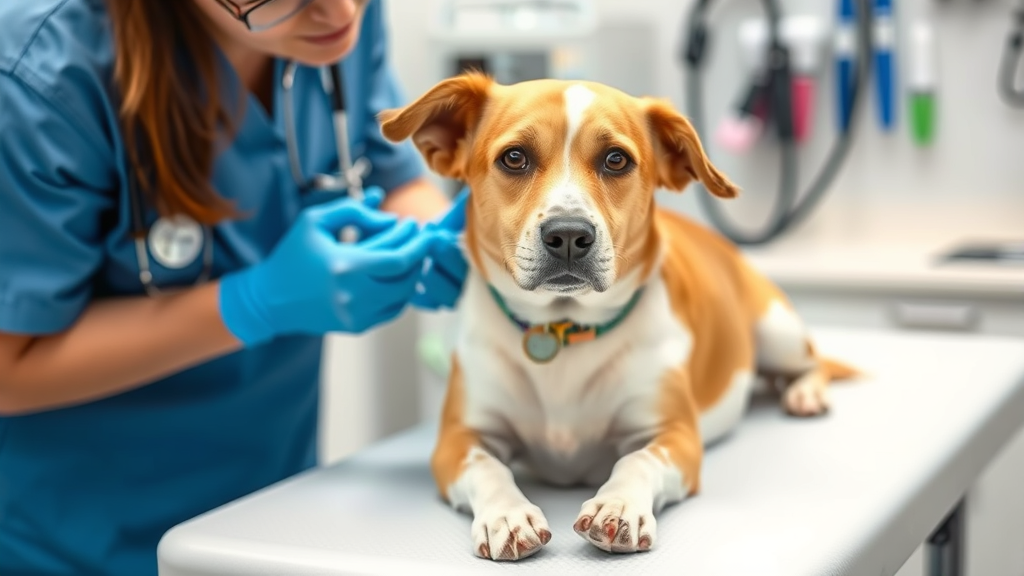
If your dog has consumed a ham bone, it’s crucial to monitor them closely for signs of complications. Immediate symptoms to watch for include difficulty swallowing, excessive drooling, pawing at the mouth, or visible distress while trying to eat or drink. These signs may indicate that bone fragments are lodged in the mouth or throat.
Gastrointestinal symptoms can develop within hours or may take several days to appear. Watch for persistent vomiting, inability to keep food or water down, loss of appetite, lethargy, and changes in bowel movements. Straining to defecate, producing small amounts of stool, or complete absence of bowel movements can indicate intestinal obstruction.
More severe symptoms that require immediate veterinary attention include difficulty breathing, pale gums, weakness, collapse, or signs of severe abdominal pain such as a hunched posture or reluctance to move. In extreme cases, pet owners may need to know how to induce vomiting in dogs, though this should only be done under veterinary guidance.
If you suspect your dog has consumed ham bones and is showing any concerning symptoms, contact your veterinarian immediately. Time is critical in many bone-related emergencies, and early intervention can prevent more serious complications. The ASPCA Animal Poison Control Center also provides 24/7 assistance for pet emergencies.
Safe Bone Alternatives for Your Dog
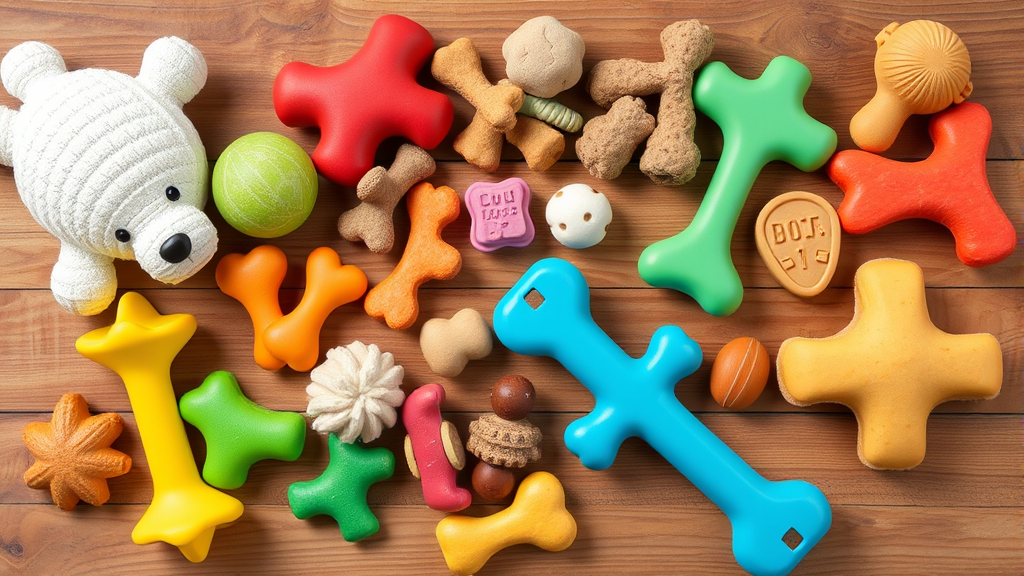
Fortunately, there are many safe alternatives to ham bones that can satisfy your dog’s natural urge to chew while providing entertainment and dental benefits. Commercial dog bones made from compressed rawhide alternatives, natural antlers, or specially designed synthetic bones are much safer options that won’t splinter or cause digestive issues.
Bully sticks, made from dried bull pizzle, are an excellent natural chewing option that most dogs find irresistible. They’re digestible, long-lasting, and don’t pose the splintering risks associated with cooked bones. Similarly, dried sweet potato chews or dehydrated fish skins provide satisfying chewing experiences without the dangers.
For dogs that enjoy the taste of meat, consider offering small pieces of cooked, unseasoned chicken, turkey, or beef as treats instead of bones. Many pet owners wonder about alternatives like can dogs eat ground beef or other meat options that can be safely prepared for canine consumption. Always ensure any meat treats are cooked thoroughly and free from seasonings, onions, or garlic.
Puzzle toys and treat-dispensing toys can also satisfy your dog’s need for mental stimulation and prolonged chewing without any safety risks. These alternatives not only keep dogs occupied but also provide cognitive enrichment that contributes to their overall well-being.
Prevention and Safety Tips
Preventing bone-related incidents starts with education and proper food storage. Always dispose of ham bones and other cooked bones in secure garbage containers that your dog cannot access. Many dogs are skilled at retrieving items from trash cans, so consider using dog-proof containers or keeping garbage in areas your pet cannot reach.
During holiday meals or family gatherings, inform all guests about the dangers of feeding bones to your dog. Well-meaning visitors may not understand the risks and might offer bones as treats. Establish clear rules about what foods guests can and cannot share with your pets.
If you’re concerned about other processed meat products, it’s worth understanding that items like can dogs eat bacon and can dogs have bacon carry similar risks due to high fat and sodium content, even without bones involved.
Create a safe environment by puppy-proofing your home and removing potential hazards before they become problems. This includes securing garbage cans, storing food properly, and being mindful of what items might be within your dog’s reach. The Humane Society provides comprehensive guidelines for creating pet-safe environments.
Regular veterinary checkups are also essential for maintaining your dog’s health and catching potential issues early. Discuss your dog’s diet and treat preferences with your veterinarian, who can provide personalized recommendations based on your pet’s size, age, and health status.
Frequently Asked Questions
Can dogs eat raw ham bones safely?
While raw ham bones are less likely to splinter than cooked ones, they still pose significant risks including choking, dental damage, and digestive obstruction. The curing process used for ham also introduces excessive sodium and chemicals that can be harmful to dogs. It’s best to avoid giving ham bones to dogs in any form.
What should I do if my dog already ate a ham bone?
Monitor your dog closely for signs of distress including vomiting, difficulty swallowing, loss of appetite, or changes in bowel movements. Contact your veterinarian immediately if you notice any concerning symptoms. Even if your dog seems fine initially, complications can develop hours or days later.
Are there any safe bones I can give my dog?
Raw, appropriately-sized bones from reputable sources may be safer than cooked bones, but they still carry risks. Consult with your veterinarian about safe chewing alternatives such as commercial dog bones, bully sticks, or specially designed synthetic chew toys that provide similar benefits without the dangers.
How long does it take for symptoms to appear after eating a ham bone?
Symptoms can appear immediately if a bone fragment causes choking or mouth injury, but intestinal complications may take 12-72 hours to develop. Some dogs may not show symptoms for several days, which is why continuous monitoring is essential even if your dog initially appears fine.
Can small pieces of ham bone cause problems?
Yes, even small bone fragments can cause serious problems including choking, intestinal punctures, or blockages. The size of the bone piece doesn’t necessarily correlate with the severity of potential complications. Any amount of cooked bone consumption should be taken seriously.
Why do dogs love bones so much if they’re dangerous?
Dogs have a natural instinct to chew and gnaw on bones, inherited from their wild ancestors. This behavior helps clean teeth, exercises jaw muscles, and provides mental stimulation. However, the bones wild dogs consume are typically fresh, raw bones from their prey, not the processed, cooked bones found in human food.
What are the signs of intestinal blockage in dogs?
Signs of intestinal blockage include persistent vomiting, inability to keep food or water down, loss of appetite, lethargy, straining to defecate with little or no result, abdominal pain (hunched posture), and bloating. This is a medical emergency requiring immediate veterinary attention and often surgical intervention.





