

Can Dogs Have Hazelnuts? Safety and Health Guide
If you’re a dog parent who loves snacking on hazelnuts, you’ve probably wondered whether your furry best friend can join in on the nutty fun. It’s a question that deserves a thoughtful answer, especially when it comes to keeping your pup safe and healthy. The short answer? Dogs can technically eat hazelnuts in very small quantities, but they’re not recommended as a regular treat. Let’s dive deeper into what you need to know about hazelnuts and your canine companion.
Hazelnuts are delicious for us humans—packed with healthy fats, fiber, and antioxidants. But our dogs’ digestive systems are wired differently than ours. What’s safe and nutritious for you might be problematic for your pooch. Understanding the risks and benefits of hazelnuts for dogs will help you make informed decisions about what goes into your dog’s bowl and what stays off-limits.
In this comprehensive guide, we’ll explore everything from the nutritional content of hazelnuts to the potential health risks, choking hazards, and safer nut alternatives your dog can enjoy. Whether you accidentally dropped a hazelnut on the floor or you’re considering adding it to your dog’s diet intentionally, you’ll find all the answers you need right here.
Are Hazelnuts Safe for Dogs?
The answer to whether dogs can have hazelnuts is nuanced. Hazelnuts themselves are not toxic to dogs, which is the good news. However, that doesn’t automatically make them a safe or recommended treat for your canine friend. According to the ASPCA’s pet poison control resources, hazelnuts are not listed among the toxic foods for dogs, but they do come with several concerns that pet owners should understand.
The key issue is that hazelnuts are high in fat and relatively difficult for dogs to digest. While a single hazelnut won’t cause an emergency trip to the vet for most healthy adult dogs, regular consumption or eating several hazelnuts at once could lead to digestive upset. Additionally, the size and shape of hazelnuts present a choking risk, particularly for smaller breeds or dogs who don’t chew their food thoroughly.
If you’re looking to understand more about the broader category of nuts and seeds, it’s worth checking out our guide on can dogs eat nuts and seeds for a complete overview. That resource covers the spectrum of nut safety for dogs and will give you context for why hazelnuts fall into a gray area.
Nutritional Content of Hazelnuts
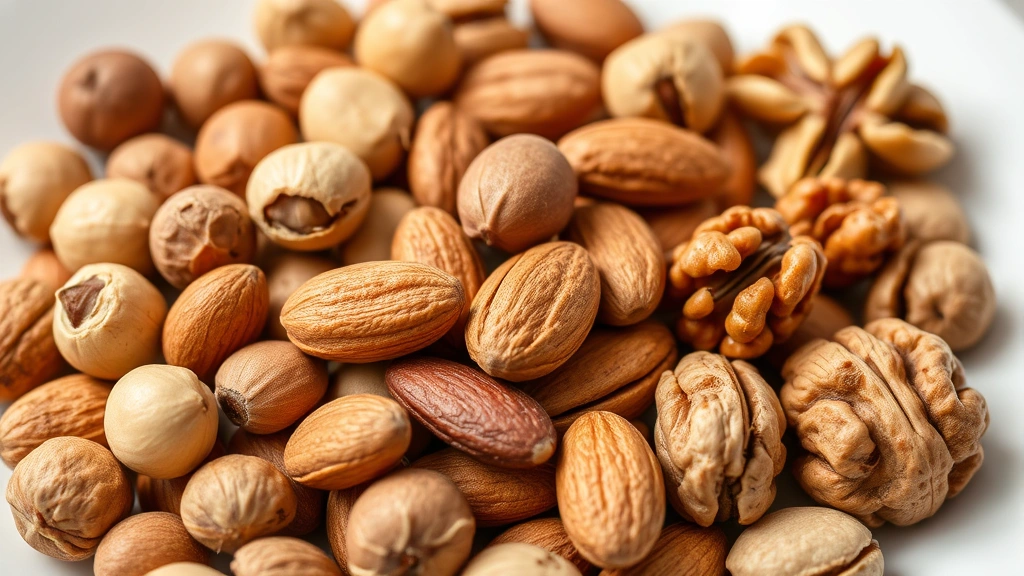
Hazelnuts are nutritionally dense—they contain monounsaturated fats, fiber, vitamin E, manganese, and copper. For humans, these are beneficial nutrients that support heart health and provide antioxidant protection. But here’s where things get tricky for dogs: the fat content that makes hazelnuts healthy for us can be problematic for our pets.
A single ounce of hazelnuts contains about 17 grams of fat. For a 20-pound dog, this represents a significant portion of their daily caloric and fat intake. Too much fat can lead to pancreatitis, a serious inflammatory condition of the pancreas that causes abdominal pain, vomiting, and diarrhea. Dogs with existing weight problems or those prone to gastrointestinal issues are especially vulnerable to complications from high-fat foods.
The fiber content in hazelnuts, while beneficial in small amounts, can also cause digestive upset if a dog consumes too many. This is particularly true for dogs with sensitive stomachs or those not accustomed to high-fiber foods. If you’re interested in learning more about what nuts your dog can safely eat, our article on what nuts can dogs eat provides detailed nutritional breakdowns of various nut options.
Choking Hazard and Digestive Issues
One of the most significant concerns with hazelnuts for dogs is the choking hazard they present. Hazelnuts are hard, round, and roughly the size of a marble—the perfect dimensions to lodge in a dog’s throat. This risk is especially acute for:
- Small breed dogs like Chihuahuas, Pomeranians, and Yorkshire Terriers
- Puppies who are still learning to chew properly
- Senior dogs with dental problems or difficulty chewing
- Dogs who gulp their food without thorough mastication
- Brachycephalic breeds (flat-faced dogs) like Bulldogs and Pugs with compromised airways
Even if a hazelnut doesn’t cause complete airway obstruction, it could get stuck in the esophagus or cause blockages further down the digestive tract. Intestinal blockages are serious medical emergencies that often require surgery.
Beyond choking risks, hazelnuts can cause general digestive upset. Dogs might experience vomiting, diarrhea, or constipation after eating hazelnuts. If your dog develops diarrhea after consuming hazelnuts or other rich foods, check out our guide on what to feed a dog with diarrhea for dietary management strategies.

Toxicity and Health Risks
While hazelnuts themselves are non-toxic, the situation becomes complicated when we consider how hazelnuts are typically prepared and packaged for human consumption. Roasted and salted hazelnuts pose additional risks to dogs. Excess salt can lead to sodium ion poisoning, causing excessive thirst, urination, and in severe cases, seizures and neurological issues.
Additionally, hazelnuts are often sold with their shells intact or as part of chocolate-covered treats. Chocolate is toxic to dogs and can cause serious health problems ranging from mild upset stomach to seizures and heart arrhythmias, depending on the type and amount consumed. The hard shells also present additional choking and blockage risks.
Some commercial hazelnut products contain xylitol, an artificial sweetener that is extremely toxic to dogs. Even small amounts of xylitol can cause a rapid drop in blood sugar (hypoglycemia) and liver damage. If you’re ever unsure about whether a hazelnut product contains xylitol, it’s safest to keep it completely away from your dog.
For comparison, if you’re wondering about other nuts in your pantry, our articles on can dogs have cashews and can dogs eat pecans provide detailed safety information on specific nut varieties. The American Kennel Club’s guide to dangerous foods for dogs is also an excellent resource for understanding which foods to avoid.
Safer Nut Alternatives for Dogs
If you want to give your dog a nutty treat, there are safer options than hazelnuts. Some nuts are genuinely dog-friendly when given in appropriate quantities. Plain, unsalted peanuts (in moderation) are generally safe for most dogs, though peanut butter—while beloved by many pups—should be given sparingly due to its high fat content.
Other relatively safe nut options include:
- Almonds (in very small amounts) – Still a choking risk and high in fat, but less problematic than hazelnuts
- Walnuts (limited amounts) – Can be difficult to digest and may cause GI upset
- Macadamia nuts (avoid completely) – These are toxic to dogs and can cause weakness, vomiting, and hyperthermia
Rather than relying on nuts as treats, consider these dog-safe alternatives that provide similar satisfaction:
- Carrots – Low-calorie, crunchy, and great for dental health
- Apples (without seeds) – Sweet, refreshing, and full of fiber
- Green beans – Low-calorie and nutrient-dense
- Blueberries – Packed with antioxidants and perfectly portioned
- Plain pumpkin – If you’re curious about pumpkin as a dog treat, our article on can dogs eat pumpkin explores its benefits in detail
These alternatives provide the satisfaction of a treat without the risks associated with hazelnuts or other problematic nuts. They’re also much easier on your dog’s digestive system and won’t contribute to unwanted weight gain.
What to Do If Your Dog Eats Hazelnuts
Don’t panic if your dog accidentally ate one or two hazelnuts. Most healthy adult dogs can tolerate a small quantity without serious consequences. However, here’s what you should do:
Immediate steps:
- Remain calm—stress won’t help your dog
- Observe your dog closely for the next 24-48 hours
- Monitor for signs of choking, vomiting, diarrhea, lethargy, or abdominal pain
- Ensure your dog has access to plenty of fresh water
- Don’t induce vomiting unless specifically instructed by your veterinarian
When to contact your veterinarian:
- If your dog ate a large quantity of hazelnuts (more than a handful for a small dog)
- If your dog ate chocolate-covered or salted hazelnuts
- If your dog shows signs of choking or difficulty breathing
- If your dog vomits, has diarrhea, or shows signs of abdominal pain
- If your dog consumed hazelnuts with shells or unknown ingredients
- If your dog’s symptoms persist for more than a few hours
Contact your veterinarian or the Pet Poison Helpline if you’re concerned about your dog’s health after hazelnut consumption. They can provide guidance specific to your dog’s size, age, and health status. In cases of potential blockage or severe symptoms, your vet may recommend X-rays or other diagnostic tests.
Frequently Asked Questions
Can puppies eat hazelnuts?
No, puppies should definitely avoid hazelnuts. Their digestive systems are still developing, and they’re more prone to choking hazards. The high fat content can also cause diarrhea and other GI issues in young dogs. Stick to puppy-appropriate treats formulated for their age and developmental stage.
What about hazelnut butter or hazelnut oil?
Hazelnut butter and oil are even more concentrated sources of fat than whole hazelnuts, making them inappropriate for dogs. A single tablespoon of hazelnut butter contains more fat than a dog should consume in a day. Additionally, these products often contain added sugars and salt that aren’t suitable for canine diets.
Are roasted hazelnuts safer than raw hazelnuts?
Neither roasted nor raw hazelnuts are recommended for dogs. Roasting doesn’t make them safer—in fact, roasted hazelnuts often have added salt, which can be harmful. Raw hazelnuts still pose choking risks and digestive issues.
Can I give my dog hazelnut shells?
Absolutely not. Hazelnut shells are hard, can splinter, and present serious choking and blockage risks. Even if your dog somehow manages to crack open a hazelnut shell, the shell fragments can cause internal injuries or intestinal obstruction.
My dog ate a hazelnut chocolate spread—is this an emergency?
This depends on the amount consumed and the chocolate content. If your dog ate a small amount (lick or two), it’s likely not an emergency, but monitor closely for symptoms. If your dog consumed a significant quantity, contact your veterinarian or poison control immediately, as chocolate toxicity combined with high fat content is a serious concern.
Are there any health benefits to giving hazelnuts to dogs?
While hazelnuts contain beneficial compounds like antioxidants and healthy fats, dogs don’t need these from hazelnuts specifically. Their nutritional needs are best met through a balanced commercial dog food or veterinarian-approved supplements. The risks of giving hazelnuts to dogs far outweigh any potential benefits.
How many hazelnuts would be toxic to a dog?
There isn’t a specific number that’s universally toxic, as it depends on the dog’s size, age, and overall health. However, even a few hazelnuts can cause problems in small dogs or puppies. For a 50-pound adult dog, one or two hazelnuts might cause minor digestive upset, while the same amount could be dangerous for a 10-pound Chihuahua.
What’s the difference between hazelnuts and other tree nuts?
Hazelnuts are particularly risky because of their size, hardness, and high fat content. Some tree nuts like almonds and walnuts pose similar risks, while others like macadamia nuts are actually toxic. The best approach is to avoid giving your dog any tree nuts unless specifically approved by your veterinarian.
Can dogs with pancreatitis eat hazelnuts?
Absolutely not. Dogs with a history of pancreatitis or pancreatitis-prone breeds should never eat hazelnuts. The high fat content is a major trigger for pancreatitis flare-ups, which can be life-threatening. If your dog has pancreatitis, work with your vet to maintain a low-fat diet.





