

As devoted pet parents, we often wonder about the similarities between human and canine health conditions. One question that frequently arises is whether dogs can develop hemorrhoids, a painful condition that affects millions of humans worldwide. Understanding the anatomical differences between humans and dogs is crucial for proper pet care and recognizing when professional veterinary attention is needed.
While the short answer is that dogs do not get hemorrhoids in the traditional sense that humans do, there are several anal and rectal conditions that can cause similar symptoms. This comprehensive guide will explore the anatomical reasons why hemorrhoids are rare in dogs, identify conditions that mimic hemorrhoid symptoms, and provide essential information about maintaining your dog’s digestive health.
Understanding Canine Anal Anatomy
The fundamental reason why dogs rarely develop hemorrhoids lies in their unique anatomical structure. Unlike humans, who walk upright and experience gravitational pressure on their rectal veins, dogs maintain a quadrupedal posture that naturally reduces pressure on the anal region. The canine rectum and anus are positioned horizontally, which allows for better blood flow and reduced venous congestion.
Dogs possess specialized anal sacs, also known as scent glands, located on either side of the anus at approximately the 4 o’clock and 8 o’clock positions. These glands serve important functions in canine communication and territory marking. The presence of these structures, along with the different muscular arrangement around the anal sphincter, creates a distinct anatomical environment compared to humans.
The blood vessel arrangement in dogs also differs significantly from humans. While humans have a complex network of hemorrhoidal veins that can become enlarged and inflamed, dogs have a more streamlined vascular system in the anal region that is less prone to the swelling and inflammation characteristic of hemorrhoids.
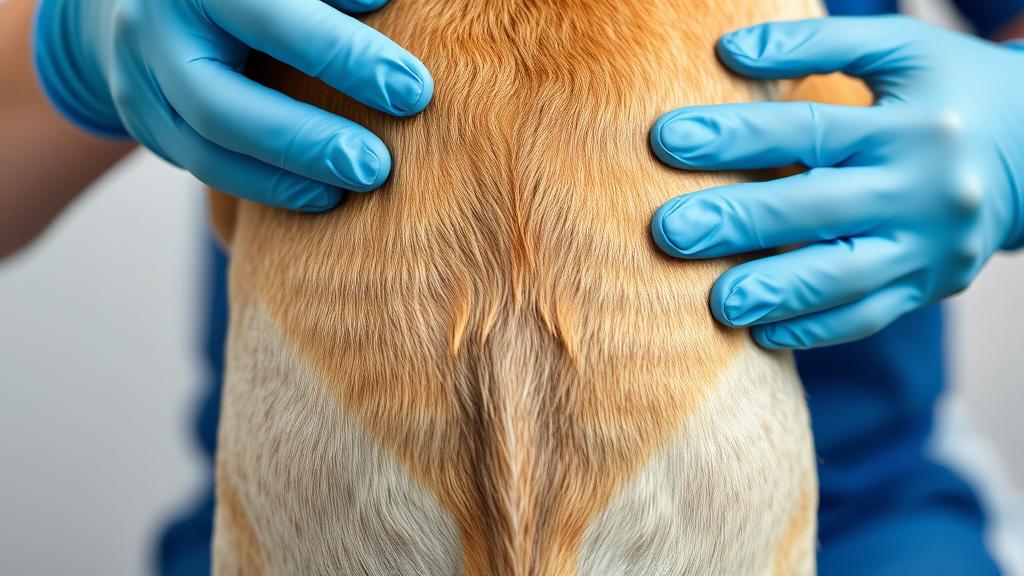
What Are Hemorrhoids and Why Dogs Don’t Get Them
Hemorrhoids, medically known as piles, are swollen and inflamed veins in the rectum and anus that result from increased pressure in the lower rectum. In humans, this condition can be caused by straining during bowel movements, sitting for long periods, chronic constipation, or pregnancy. The National Institute of Diabetes and Digestive and Kidney Diseases provides comprehensive information about hemorrhoid development in humans.
The primary factors that contribute to hemorrhoid development in humans are largely absent in dogs. The upright posture of humans creates significant gravitational pressure on the rectal veins, while dogs’ horizontal positioning eliminates this risk factor. Additionally, dogs typically have more regular bowel movements and are less likely to experience the chronic straining that contributes to hemorrhoid formation.
However, it’s important to note that while true hemorrhoids are extremely rare in dogs, some veterinary literature suggests that dogs can occasionally develop similar vascular conditions under specific circumstances. These cases are typically associated with chronic digestive issues or anatomical abnormalities, and they remain exceptionally uncommon in clinical practice.
Conditions That Mimic Hemorrhoid Symptoms
Although dogs don’t commonly get hemorrhoids, several conditions can produce similar symptoms that concerned pet owners might mistake for hemorrhoidal issues. Understanding these conditions is crucial for proper identification and treatment.
Rectal prolapse is one of the most serious conditions that can resemble hemorrhoids. This occurs when part of the rectum protrudes through the anal opening, appearing as a red, swollen mass. Unlike hemorrhoids, rectal prolapse requires immediate veterinary attention and can be life-threatening if left untreated. The American Veterinary Medical Association emphasizes the importance of prompt veterinary care for such conditions.
Perianal tumors, particularly common in older intact male dogs, can also create swelling and discomfort around the anal area. These growths can vary in size and appearance, sometimes mimicking the swollen appearance of hemorrhoids. Early detection and treatment are essential for the best outcomes.
If you notice why is my dog pooping blood, this could indicate various anal or rectal conditions that require veterinary evaluation. Blood in the stool should never be ignored and may signal anything from minor anal irritation to more serious underlying conditions.
Anal Gland Issues in Dogs
The most common anal area problems in dogs involve their anal glands or sacs. These small, grape-sized glands can become impacted, infected, or abscessed, causing significant discomfort and symptoms that might be mistaken for hemorrhoids.
Anal gland impaction occurs when the thick, oily secretion cannot be expelled naturally during defecation. This leads to swelling, discomfort, and the characteristic “scooting” behavior where dogs drag their rear end across the floor. Without proper treatment, impacted anal glands can progress to infection or even rupture.
Signs of anal gland problems include excessive licking of the anal area, a strong fishy odor, swelling around the anus, and difficulty sitting comfortably. Some dogs may also show signs of pain when defecating or having their hindquarters touched. Regular anal gland expression by a veterinarian or professional groomer can prevent these issues in prone dogs.
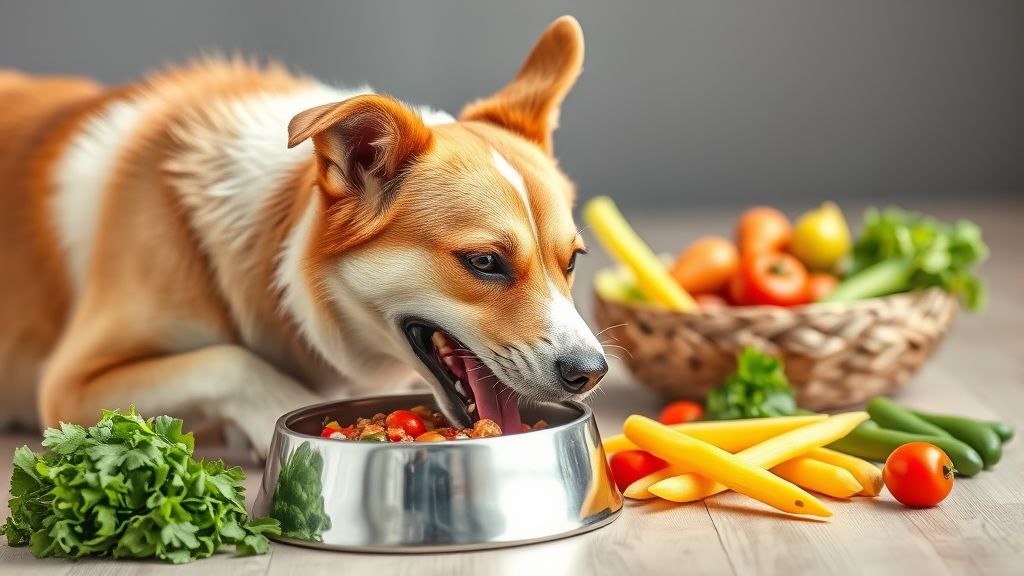
Maintaining Your Dog’s Digestive Health
Preventing anal and rectal problems in dogs largely centers around maintaining optimal digestive health. A balanced diet rich in fiber helps ensure regular, well-formed bowel movements that naturally express the anal glands and prevent digestive issues.
Constipation can contribute to anal area problems in dogs, just as it does with hemorrhoids in humans. Understanding how to help a constipated dog and knowing what to give dogs for constipation can prevent complications that might affect the anal region.
On the opposite end of the spectrum, chronic diarrhea can also cause anal irritation and inflammation. Learning how to stop diarrhea in dogs and understanding what to feed a dog with diarrhea helps maintain anal health by preventing irritation from frequent, loose stools.
Regular exercise is equally important for digestive health. Physical activity stimulates natural bowel movements and helps maintain healthy weight, reducing pressure on the abdominal and anal regions. The American Kennel Club provides excellent guidelines for appropriate exercise routines for different breeds and ages.
When to Seek Veterinary Care
Recognizing when anal area symptoms require professional veterinary attention is crucial for your dog’s health and comfort. Immediate veterinary care is necessary if you observe a protruding mass from the anal opening, excessive bleeding, signs of severe pain, or inability to defecate.
Other concerning symptoms include persistent scooting despite anal gland expression, swelling that doesn’t resolve within 24-48 hours, changes in stool consistency lasting more than a few days, or any unusual lumps or growths in the anal area. The ASPCA provides valuable guidance on emergency veterinary situations.
Sometimes, what appears to be a minor anal issue can indicate more serious underlying conditions. Inflammatory bowel disease, food allergies, or even certain cancers can manifest with anal area symptoms. Early intervention typically leads to better outcomes and more treatment options.
It’s also worth noting that some skin conditions, such as understanding what causes hot spots on dogs, can affect the anal region and create irritation or inflammation that might be confused with hemorrhoidal symptoms.
Prevention and Management Strategies
Preventing anal area problems in dogs involves a comprehensive approach to health and hygiene. Regular grooming, including keeping the anal area clean and trimmed, helps prevent the accumulation of debris and bacteria that can lead to infections or irritation.
Diet plays a crucial role in prevention. High-quality dog food with appropriate fiber content supports healthy digestion and regular bowel movements. Avoiding table scraps and foods that can cause digestive upset helps maintain anal health. The FDA’s Center for Veterinary Medicine offers guidance on selecting appropriate pet foods.
For dogs prone to anal gland issues, regular professional expression may be necessary. However, this should only be performed by trained professionals, as improper technique can cause injury or worsen existing problems. Some veterinarians recommend dietary supplements or prescription diets specifically formulated to support anal gland health.
Weight management is another critical factor. Overweight dogs are more prone to various health issues, including digestive problems that can affect anal health. Regular veterinary check-ups help monitor your dog’s overall health and catch potential issues early.
Frequently Asked Questions
Can dogs actually get hemorrhoids like humans do?
While extremely rare, dogs can occasionally develop conditions similar to hemorrhoids, but their anatomical structure and quadrupedal posture make true hemorrhoids much less likely than in humans. Most symptoms that appear hemorrhoid-like in dogs are actually caused by other conditions such as anal gland problems, rectal prolapse, or perianal tumors.
What should I do if I see a red, swollen area around my dog’s anus?
Any red, swollen area around your dog’s anus warrants veterinary examination. This could indicate several conditions including impacted anal glands, infection, rectal prolapse, or tumors. Don’t attempt to treat this at home, as proper diagnosis requires professional evaluation and potentially specialized treatment.
How often should my dog’s anal glands be expressed?
Most dogs naturally express their anal glands during normal bowel movements and don’t require manual expression. However, some dogs with recurrent anal gland issues may need professional expression every 4-8 weeks. Your veterinarian can determine if your dog needs regular anal gland maintenance based on their individual health history.
Are certain dog breeds more prone to anal area problems?
Yes, smaller dog breeds tend to have more frequent anal gland issues due to their anatomy and the consistency of their stool. Breeds like Chihuahuas, Poodles, and Cocker Spaniels are more commonly affected. Additionally, older intact male dogs are more prone to perianal tumors, while any breed can develop rectal prolapse under certain circumstances.
What are the signs that my dog might have an anal area problem?
Common signs include scooting or dragging the rear end on the ground, excessive licking of the anal area, a strong fishy odor, visible swelling or discharge around the anus, difficulty or pain when defecating, and changes in bowel movement consistency. Any of these symptoms should prompt a veterinary consultation.
Can diet changes help prevent anal problems in dogs?
Yes, maintaining a high-quality diet with appropriate fiber content can significantly help prevent anal area problems. Proper nutrition supports regular, well-formed bowel movements that naturally express anal glands. Avoiding foods that cause digestive upset and maintaining consistent feeding schedules also contribute to anal health.
Is it safe to treat my dog’s anal area problems at home?
While maintaining good hygiene is important, most anal area problems require professional veterinary care for proper diagnosis and treatment. Attempting to express anal glands or treat swelling without proper training can cause injury or worsen the condition. Always consult with a veterinarian before attempting any home treatments for anal area issues.





