
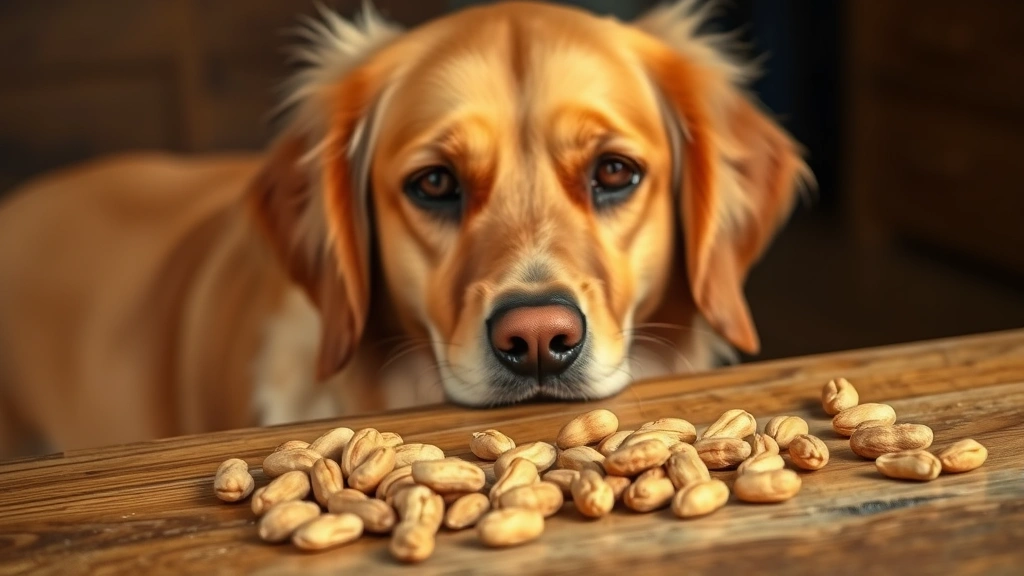
Can Dogs Eat Honey Roasted Peanuts? Vet Advice
If you’re snacking on honey roasted peanuts and your furry friend gives you those irresistible puppy dog eyes, you might be wondering whether it’s safe to share. While plain peanuts can be a nutritious treat for dogs in moderation, honey roasted varieties come with several concerns that pet owners should understand before offering them to their canine companions.
The question of whether dogs can have honey roasted peanuts isn’t a simple yes or no answer. Several factors come into play, including the specific ingredients used in the roasting process, your dog’s individual health status, and the quantity consumed. This guide will help you navigate the risks and benefits, so you can make informed decisions about your dog’s diet.
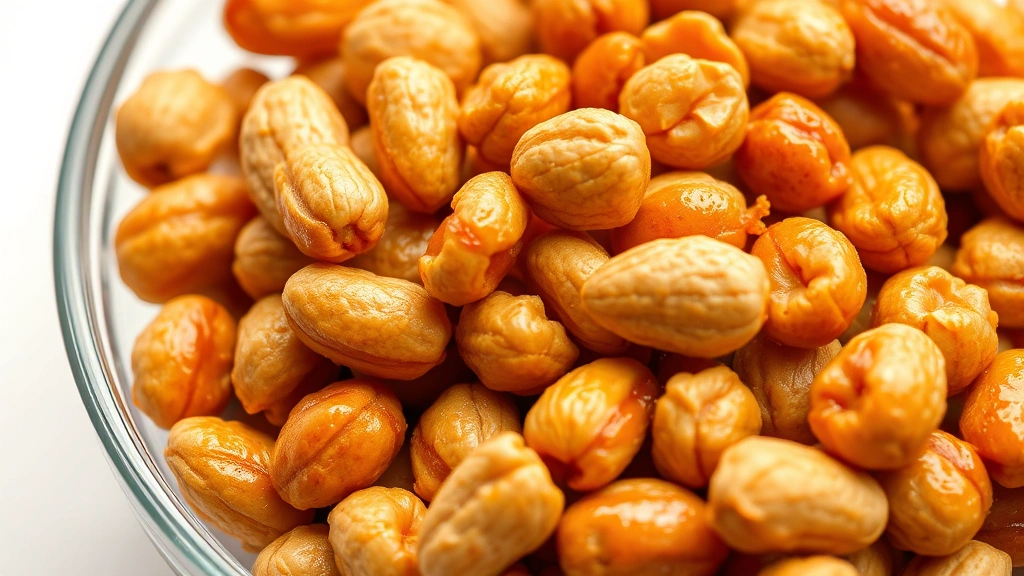
Are Honey Roasted Peanuts Safe for Dogs?
The short answer is: honey roasted peanuts are not recommended for dogs, and they should be avoided whenever possible. While a single honey roasted peanut is unlikely to cause serious harm to a large dog, the combination of ingredients and processing methods makes them far from an ideal treat choice. The risks outweigh any potential benefits, especially when safer alternatives exist.
Plain, unsalted peanuts can occasionally be given to dogs as a treat, but the honey roasting process introduces multiple problematic components. The honey coating, excessive salt content, and potential additives create a snack that doesn’t align with canine nutritional needs. Pet owners who want to share peanuts with their dogs should opt for raw, unsalted varieties instead.
According to the American Kennel Club, while peanuts themselves aren’t toxic, the processing and seasoning matter significantly. The AKC recommends consulting with your veterinarian before introducing any new human foods to your dog’s diet.

Why Honey Is Problematic for Dogs
Honey is a natural sweetener that humans enjoy for its health benefits, but dogs process sugar differently than we do. While honey isn’t toxic to dogs in small quantities, it poses several concerns when included in treats like honey roasted peanuts.
Sugar content and obesity risks: Honey is approximately 80% sugar by weight. Dogs don’t require added sugars in their diet, and excessive sugar consumption can lead to weight gain, dental problems, and increased risk of diabetes. Even small amounts of honey in snacks add unnecessary calories to your dog’s daily intake without providing nutritional value.
Blood sugar spikes: The rapid absorption of honey’s sugars can cause blood sugar spikes, which is particularly concerning for dogs with diabetes or those prone to pancreatic issues. Senior dogs and certain breeds are especially vulnerable to these fluctuations.
Botulism risk: While extremely rare, honey can contain botulism spores that are harmless to adult dogs but potentially dangerous for puppies under one year old. This is another reason to avoid honey-containing products for young dogs entirely.
If your dog accidentally consumed honey roasted peanuts and you’re concerned about digestive upset, check our guide on what to do if your dog has diarrhea for management strategies.
Salt and Roasting Concerns
Beyond the honey coating, the roasting process and salt content present additional problems for canine health. Honey roasted peanuts typically contain significant amounts of added salt, which can be harmful to dogs.
Sodium toxicity: Dogs require far less sodium than humans. The American ASPCA notes that excessive salt intake can lead to hypernatremia (sodium ion poisoning), causing symptoms like excessive thirst, vomiting, diarrhea, and neurological issues. While a single peanut won’t cause poisoning, regular consumption of salty snacks increases risk.
High blood pressure: Dogs with existing heart conditions or hypertension are particularly vulnerable to salt-induced complications. Excessive sodium can exacerbate these conditions and potentially trigger serious cardiovascular events.
Kidney stress: The kidneys must work harder to process and eliminate excess sodium. Dogs with pre-existing kidney disease or senior dogs with declining renal function should absolutely avoid salty treats.
The roasting process itself, while not inherently dangerous, can destroy some nutrients and concentrate flavoring compounds that may upset sensitive digestive systems.
The Xylitol Danger
Perhaps the most critical concern with some honey roasted peanut products is the potential presence of xylitol, an artificial sweetener. This is a medical emergency situation that every dog owner must understand.
Why xylitol is deadly: Xylitol is highly toxic to dogs, even in small quantities. Just 0.1 grams per kilogram of body weight can cause severe hypoglycemia (dangerously low blood sugar), and higher doses can cause acute liver failure. A single honey roasted peanut containing xylitol could potentially be life-threatening to a small dog.
Checking labels: Not all honey roasted peanuts contain xylitol, but many commercial brands do. Before giving any peanut product to your dog, carefully read the ingredient list. If you see xylitol listed anywhere, do not give it to your dog under any circumstances.
Symptoms of xylitol poisoning: If your dog accidentally consumed peanuts containing xylitol, watch for vomiting, lethargy, loss of coordination, seizures, and collapse. These symptoms can appear within 10-30 minutes of ingestion. This is a veterinary emergency—contact your vet or emergency animal hospital immediately.
According to the ASPCA Animal Poison Control Center, xylitol poisoning requires immediate treatment, which may include IV fluids, glucose monitoring, and hepatoprotective medications.
Nutritional Value for Dogs
While plain peanuts do contain some nutrients that could theoretically benefit dogs, honey roasted varieties negate these benefits through processing and additives.
What plain peanuts offer: Unsalted, raw peanuts contain protein, healthy fats, vitamin E, and magnesium. In appropriate quantities, these nutrients can support coat health, muscle maintenance, and overall wellness. However, dogs get complete nutrition from quality commercial dog food, making peanuts an optional supplement rather than a nutritional necessity.
What honey roasting removes: The roasting process at high temperatures can denature some proteins and damage heat-sensitive vitamins. The added honey and salt further diminish nutritional value while adding empty calories and sodium.
Caloric considerations: A single honey roasted peanut contains approximately 5-7 calories. For a 10-pound dog requiring about 400 calories daily, treats should comprise no more than 10% of daily intake (40 calories). This means just 5-8 honey roasted peanuts would constitute an entire day’s treat allowance—a poor use of those calories.
For dogs with specific health conditions, the nutritional profile of honey roasted peanuts becomes even more problematic. Dogs prone to pancreatitis shouldn’t consume high-fat foods, and the fat content in peanuts can trigger flare-ups in susceptible individuals.
Safe Peanut Alternatives
If you want to share peanut-based treats with your dog, several safer options exist:
- Raw, unsalted peanuts: Plain peanuts in moderation (just 2-3 for small dogs, up to 10 for large dogs) are acceptable occasional treats. Remove the shell to prevent choking hazards.
- Natural peanut butter: Look for varieties with no added sugar or xylitol. A small spoonful (about 1 teaspoon for small dogs, 1 tablespoon for large dogs) can be frozen in an ice cube for a refreshing treat.
- Dog-specific peanut treats: Commercial treats formulated for dogs have appropriate salt and sugar levels. Check labels to ensure they’re nutritionally balanced.
Beyond peanut products, consider these healthier treat alternatives:
- Carrots (raw or cooked)
- Apple slices (without seeds)
- Watermelon (seedless)
- Plain cooked chicken
- Green beans
- Blueberries
These options provide nutrients without the risks associated with processed human snacks. They’re also lower in calories, making them excellent for weight management.
Signs Your Dog Ate Honey Roasted Peanuts
If your dog managed to steal some honey roasted peanuts, knowing what to watch for can help you determine whether veterinary care is needed. Symptoms vary depending on the quantity consumed and whether xylitol was present.
Immediate symptoms (within 1-4 hours): Vomiting, diarrhea, excessive drooling, abdominal discomfort, and lethargy may indicate digestive upset. These symptoms are often mild if only a small quantity was consumed.
Delayed symptoms (4+ hours): If xylitol was present, symptoms may include trembling, loss of coordination, weakness, seizures, and collapse. These indicate a medical emergency requiring immediate veterinary intervention.
If your dog experiences vomiting or throwing up undigested food after consuming honey roasted peanuts, contact your veterinarian. While occasional vomiting might resolve on its own, persistent symptoms warrant professional evaluation.
What to tell your vet: Have the peanut container or packaging available when you call. Information about the ingredient list, quantity consumed, and time of ingestion helps your vet assess risk and determine appropriate treatment. If xylitol appears in the ingredients, this is a medical emergency.
For dogs showing neurological symptoms or severe distress, don’t wait—go directly to an emergency veterinary clinic. Time is critical in cases of potential xylitol poisoning.
FAQ
Can dogs eat one honey roasted peanut?
A single honey roasted peanut is unlikely to cause serious harm to a large, healthy dog, but it’s still not recommended. The real concern is xylitol content, which can be dangerous even in tiny amounts for small dogs. It’s better to avoid them entirely than to take any risk.
Is honey toxic to dogs?
Honey isn’t toxic to adult dogs in small quantities, but it’s not beneficial either. It’s pure sugar with no nutritional value for dogs, and it can contribute to obesity, dental disease, and blood sugar problems. The botulism risk, though rare, is another reason to avoid it, especially for puppies.
What should I do if my dog ate honey roasted peanuts with xylitol?
This is a veterinary emergency. Contact your vet or emergency animal hospital immediately. Xylitol can cause life-threatening hypoglycemia and liver damage. Have the packaging available and be prepared to provide the quantity consumed and time of ingestion. Treatment may require IV fluids and glucose monitoring.
Can dogs eat regular roasted peanuts?
Regular roasted peanuts (unsalted) are safer than honey roasted varieties, though they’re still not ideal. The roasting process concentrates salt, so they’re not as good as raw, unsalted peanuts. If you choose to give roasted peanuts, ensure they’re unsalted and offer them very sparingly—just occasional treats, not regular snacks.
How many peanuts can a dog safely eat?
For unsalted, raw peanuts: small dogs (under 20 lbs) should have no more than 2-3 peanuts occasionally; medium dogs (20-60 lbs) can have up to 5-8 peanuts; large dogs (over 60 lbs) might tolerate up to 10 peanuts. These should be rare treats, not daily additions. Always remove shells to prevent choking.
Are peanut allergies common in dogs?
Peanut allergies are relatively uncommon in dogs compared to chicken or beef allergies, but they do occur. If your dog has never eaten peanuts before, introduce them cautiously and watch for signs of allergic reaction: itching, skin rashes, swelling, vomiting, or diarrhea. When in doubt, consult your veterinarian before introducing new foods.
What’s the safest way to give my dog peanuts?
The safest approach is raw, unsalted peanuts in very small quantities (1-2 for small dogs, 3-5 for medium dogs, up to 10 for large dogs) as occasional treats. Remove shells completely. Better yet, choose dog-specific treats or whole foods like carrots or green beans, which offer nutritional value without the risks.





