

Can Dogs Have Jelly? Safety Tips and Alternatives
Ah, the age-old question that pops up whenever your pup gives you those irresistible puppy-dog eyes while you’re enjoying a wobbly spoonful of jelly. We get it—sharing treats with our furry best friends feels like the ultimate bonding experience. But before you let Fido lick that jellyspoon, let’s talk about whether jelly is actually safe for dogs and what you should know before offering any to your four-legged companion.
The short answer? It’s complicated. Some jellies are perfectly fine for dogs, while others could spell trouble for your pooch’s health. The devil, as always, is in the details. Whether it’s the ingredients, the sweeteners, or the portion size, there’s quite a bit to unpack here. So grab a treat (for you or your dog), and let’s dive into everything you need to know about dogs and jelly.
If you’re anything like most dog parents, you want to make informed decisions about what lands in your pup’s food bowl. That’s exactly why we’re breaking down the safety concerns, the red flags to watch for, and the best alternatives that’ll keep your dog happy and healthy. Let’s get started!
Is Jelly Safe for Dogs?
The straightforward answer is: it depends. Plain, unsweetened jelly made from gelatin and water is generally safe for dogs in small amounts. However, most commercial jellies contain added sugars, artificial sweeteners, and other ingredients that aren’t ideal for your pup’s digestive system.
Plain gelatin itself is actually derived from collagen found in animal bones and connective tissues, making it a natural protein source. Many dog owners even use gelatin for joint health and coat quality. The real concern arises when jelly contains added ingredients that could harm your dog.
Before offering any jelly to your canine companion, you need to check the ingredient list carefully. This is where things get tricky, and understanding what’s in that jar becomes absolutely crucial for your dog’s wellbeing.
Types of Jelly and Their Safety
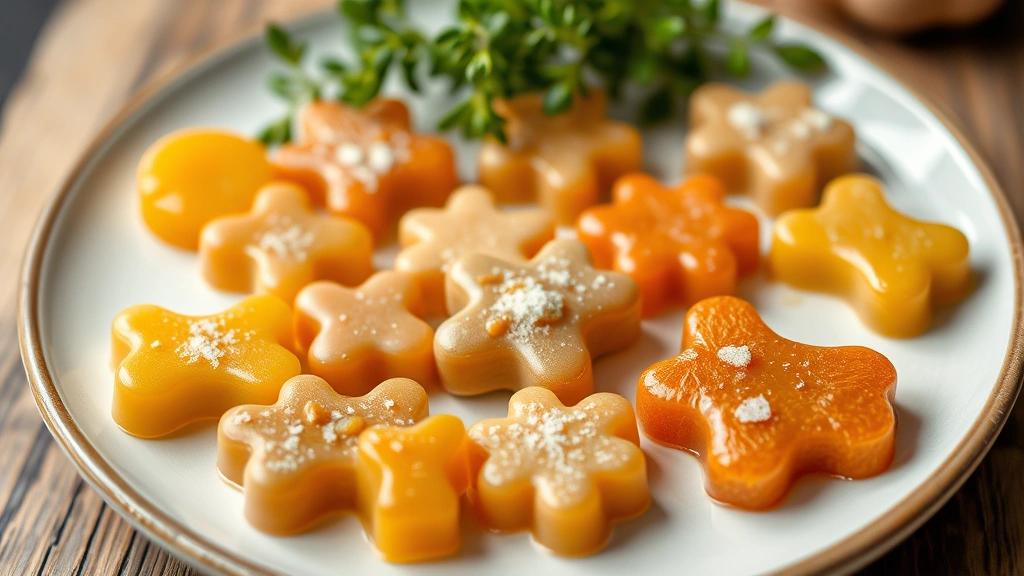
Plain Gelatin Jelly: This is the safest option for dogs. It’s simply gelatin and water, sometimes with a bit of natural flavoring. You can offer small amounts as an occasional treat without worry. Many dogs actually enjoy the texture, and it won’t upset their stomachs in moderation.
Fruit Jellies: Jellies made with fruit juice can be okay, depending on the fruit used. Some fruits are dog-friendly, while others are toxic. For instance, jellies made from apple or cranberry juice are generally fine, but those containing grapes or raisins are absolutely off-limits. Always verify the fruit content before sharing.
Sugary Commercial Jellies: The brightly colored jellies you find in most grocery stores are loaded with sugar and artificial colors. While a tiny taste won’t cause immediate harm, regular consumption can lead to weight gain, dental problems, and digestive issues in dogs.
If you’re curious about the gelatin component itself, you might want to explore whether dogs can eat gelatin more broadly. Gelatin on its own is quite different from the commercial jelly products lining supermarket shelves.
Dangerous Ingredients in Jelly
This is where you need to put on your detective hat and become a label reader. Several ingredients commonly found in jelly products pose serious risks to your dog’s health.
Xylitol: This artificial sweetener is extremely toxic to dogs and can cause severe liver damage and hypoglycemia. Even small amounts can be dangerous. If your jelly contains xylitol, keep it far away from your pup. For a comprehensive understanding of this threat, check out our guide on why xylitol is dangerous for dogs.
High Sugar Content: While not immediately toxic, excessive sugar consumption can lead to obesity, diabetes, and dental disease in dogs. Dogs and sugar don’t mix well, especially when it’s a regular occurrence. Their bodies aren’t designed to process refined sugars the way ours are.
Artificial Colors and Dyes: Bright reds, blues, and yellows in commercial jellies often come from artificial colorants. While the occasional exposure isn’t catastrophic, these chemicals provide no nutritional benefit and some dogs may have sensitivities to them.
Pectin and Other Thickeners: Most jellies use pectin as a gelling agent, which is generally safe for dogs. However, some specialty jellies might use other thickening agents worth investigating.
Citric Acid: Found in many fruit jellies, citric acid can cause digestive upset in dogs, especially in larger quantities. Your dog’s stomach is more sensitive than yours, so what’s fine for you might cause problems for them.
Signs of Jelly Toxicity in Dogs
If your dog has consumed jelly containing harmful ingredients, watch for these warning signs:
- Vomiting and Diarrhea: The most common reactions to unsuitable foods. If this persists, contact your vet immediately.
- Lethargy: Your normally energetic pup seems unusually tired and uninterested in play.
- Loss of Appetite: Your dog refuses their regular meals or treats.
- Excessive Drooling: A sign of nausea or digestive distress.
- Abdominal Pain: Your dog may whimper, assume a play-bow position, or seem uncomfortable when moving.
- Trembling or Seizures: These are serious signs, especially if xylitol was ingested. Seek emergency veterinary care immediately.
If you’re noticing concerning symptoms, our article on why dogs throw up might provide additional insights. However, persistent symptoms always warrant a call to your veterinarian.
How Much Jelly Can Dogs Safely Eat?
The golden rule is: moderation is key. If you’re offering plain, unsweetened jelly to your dog, a small spoonful occasionally won’t cause harm. Think of it as an occasional treat, not a regular snack.
For small dogs (under 20 pounds), a teaspoon or two of plain jelly is the maximum. Medium-sized dogs (20-60 pounds) can handle up to a tablespoon, while larger breeds might tolerate slightly more. But honestly, there’s no nutritional benefit to feeding your dog jelly, so less is definitely more here.
Never make jelly a dietary staple. Dogs require a balanced diet of quality protein, healthy fats, and essential nutrients that jelly simply doesn’t provide. If you’re concerned about your dog’s dietary needs, consult with a veterinary nutritionist.
The portion size also depends on your dog’s overall diet. If your pup is already consuming treats that day, skip the jelly altogether. And if your dog has underlying health conditions like diabetes or obesity, jelly—especially sweetened varieties—should be avoided entirely.
Healthy Jelly Alternatives for Dogs
Want to give your dog something special without the risks? Plenty of alternatives deliver better nutrition and fewer concerns. Here are some dog-approved options:
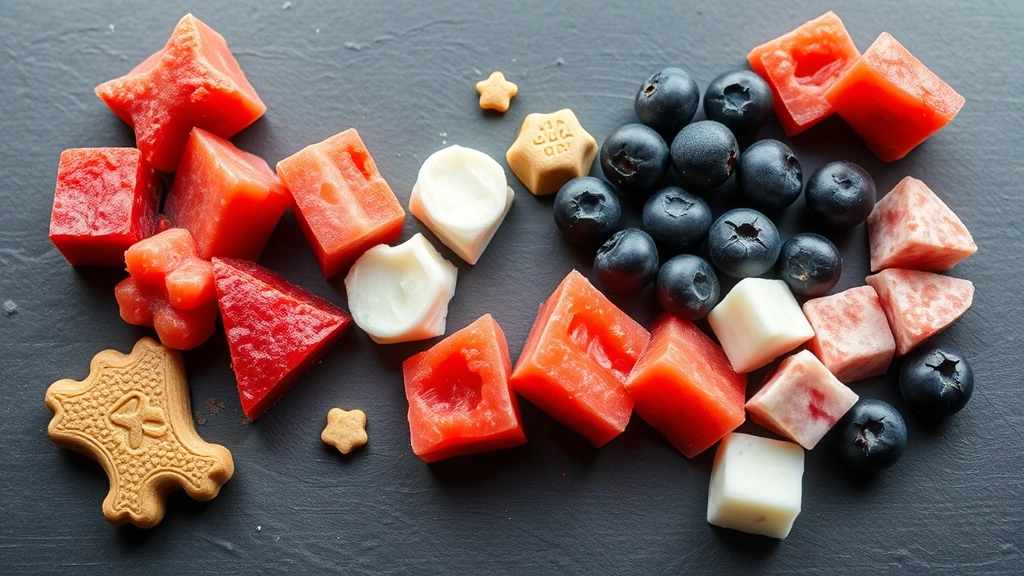
Frozen Fruits: Watermelon, blueberries, and apple slices (without seeds) make refreshing treats, especially on hot days. They have a similar cool, refreshing quality to jelly but with actual nutritional value.
Plain Yogurt: Unsweetened, plain yogurt contains probiotics that support digestive health. Freeze it in ice cube trays for a fun treat your dog will love.
Bone Broth: This savory alternative provides collagen and minerals. You can freeze it for a longer-lasting treat that’s genuinely beneficial for your dog’s joints and digestion.
Pumpkin Puree: Plain canned pumpkin (not pie filling) is excellent for digestive health. It’s also great if your dog is dealing with digestive issues. Learn more about remedies for upset stomachs that include pumpkin.
Dog-Specific Treats: Commercially available dog treats are formulated with your pup’s nutritional needs in mind. They’re the safest choice when you want something special.
Homemade Dog-Friendly Jelly Recipes
If you want to give your dog something that resembles jelly but is actually healthy, try making homemade versions at home. Here are a few simple recipes:
Simple Gelatin Treat:
- Mix unflavored gelatin with low-sodium beef or chicken broth (ensure it contains no onions or garlic)
- Let it set in the refrigerator for 2-3 hours
- Cut into small cubes and serve as treats
- Store in an airtight container for up to five days
Fruit and Gelatin Pops:
- Combine unflavored gelatin with unsweetened apple juice or carrot juice
- Pour into ice cube trays with small pieces of dog-safe fruit
- Freeze until solid
- Pop out and serve as cooling treats on warm days
Pumpkin Gelatin Cubes:
- Mix unflavored gelatin with plain pumpkin puree
- Add a small amount of water to reach the right consistency
- Pour into a shallow pan and refrigerate until firm
- Cut into small cubes and offer as occasional treats
These homemade options give you complete control over ingredients and ensure your dog gets something tasty without hidden dangers. Plus, your pup gets the added benefit of knowing exactly what they’re consuming.
According to the American Kennel Club’s nutrition guidelines, treats should comprise no more than 10% of your dog’s daily caloric intake. Whether it’s jelly or any other treat, keeping this principle in mind ensures your dog maintains optimal health.
Frequently Asked Questions
Can dogs eat Jello specifically?
Yes, plain Jello without artificial sweeteners or excessive sugar is generally safe for dogs in small amounts. However, most commercial Jello products contain high sugar content and artificial colors. If you want to offer Jello to your dog, opt for plain gelatin varieties and check the ingredient list carefully. For more details, check our comprehensive guide on whether dogs can eat Jello.
What if my dog ate jelly with xylitol?
This is a medical emergency. Xylitol can cause severe liver damage and dangerously low blood sugar in dogs. Contact your veterinarian or an emergency animal poison control center immediately. Have the jelly container handy so you can provide information about the amount consumed. The ASPCA Animal Poison Control Center is available 24/7 for guidance.
Is unflavored gelatin safe for dogs?
Absolutely. Plain, unflavored gelatin is safe for dogs and can even be beneficial for joint health. It’s the added ingredients in commercial jelly products that create concerns. You can use unflavored gelatin as a base for homemade dog treats with complete confidence.
Can jelly cause digestive problems in dogs?
Yes, especially if it contains high sugar, artificial sweeteners, or citric acid. These ingredients can upset a dog’s stomach and lead to vomiting or diarrhea. Dogs have sensitive digestive systems different from humans, so what seems mild to us might cause significant upset for them.
Are there any health benefits to giving dogs jelly?
Plain gelatin does contain collagen, which supports joint health and coat quality. However, you’d get the same benefits (and more) from dedicated joint supplements or bone broth. There’s no compelling reason to use jelly as a health supplement when better options exist.
What’s the difference between jelly and gelatin for dogs?
Gelatin is the protein-based ingredient that makes jelly gel. Pure gelatin is safe for dogs, but commercial jelly products add sugars, flavors, and other ingredients that make them less ideal. To understand this distinction better, explore our article on whether dogs can eat gelatin.
Can I give my dog sugar-free jelly?
Sugar-free jelly might seem like a good alternative, but check the sweetener used. If it contains xylitol, absolutely not—that’s toxic. If it uses other sweeteners like sorbitol, it’s safer but might still cause digestive upset. Your best bet is plain gelatin-based treats without any sweetener.
How do I know if commercial jelly is safe for my dog?
Read the ingredient list carefully. Look for: unflavored gelatin, water, and minimal additives. Avoid anything with xylitol, high sugar content, artificial colors, or citric acid. When in doubt, contact the manufacturer or ask your veterinarian. Better safe than sorry when it comes to your pup’s health.





