Can Dogs Eat Jif Peanut Butter? Safety Tips for Pet Parents
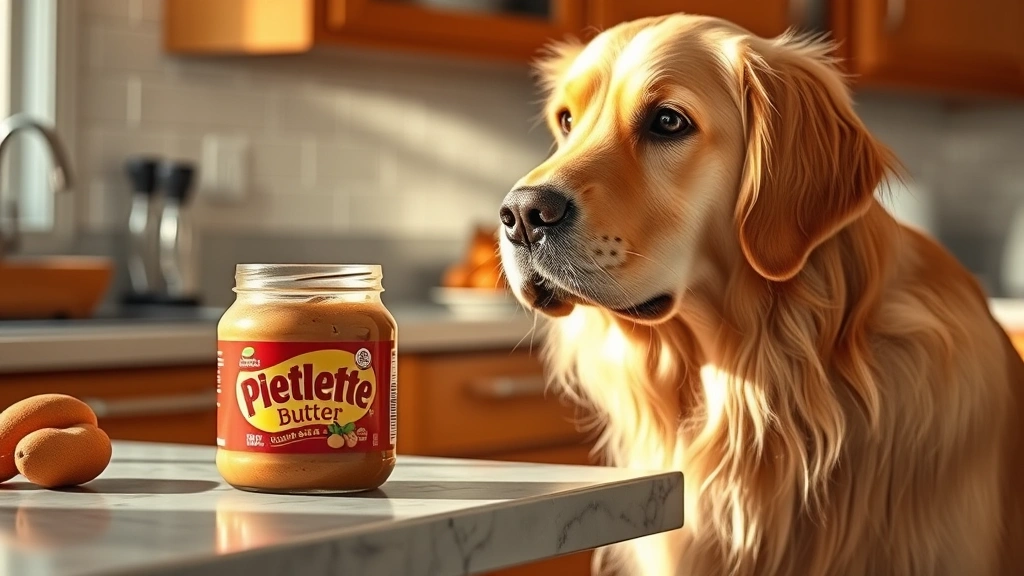
Ah, the eternal question that plagues dog owners everywhere: can my furry best friend enjoy a lick of my peanut butter sandwich? If you’ve ever caught your pup eyeing your Jif peanut butter with those irresistible puppy-dog eyes, you’re definitely not alone. Peanut butter is one of the most beloved treats for dogs, and honestly, who can blame them? It’s creamy, delicious, and smells absolutely divine to our canine companions.
But here’s where responsible pet parenthood comes in. Not all peanut butter is created equal, and some varieties can actually pose serious health risks to your beloved dog. Jif, one of the most popular peanut butter brands in America, requires careful consideration before you hand it over to Fido. The good news? With the right knowledge and precautions, you can safely share this tasty treat with your furry friend.
In this comprehensive guide, we’ll dive deep into the world of Jif peanut butter and dogs, exploring what makes certain brands safe or unsafe, how much is appropriate, and what warning signs to watch for. Let’s get started on keeping your pup happy and healthy!
Jif Peanut Butter Overview: What’s Inside?
Jif peanut butter has been a staple in American households since 1958, and it’s easy to understand why. The creamy spread is smooth, affordable, and widely available at virtually every grocery store. But what exactly goes into that jar? Understanding the ingredient list is crucial for determining whether it’s safe for your dog.
The primary ingredient in Jif is roasted peanuts, which are generally safe for dogs in moderation. However, Jif also contains added sugar, hydrogenated vegetable oil, and salt—ingredients that aren’t ideal for our canine companions. The brand offers several varieties, including creamy, chunky, and reduced-fat options, each with slightly different nutritional profiles.
Most standard Jif peanut butter products don’t contain xylitol, which is excellent news. However, it’s absolutely critical that you verify this by checking the label every single time you purchase a jar, as formulations can change. Some specialty or reduced-sugar varieties might contain this dangerous sweetener, so vigilance is essential.
When considering whether to share peanut butter with your dog, understanding these ingredients helps you make an informed decision. The key is moderation and selecting the right product for your furry friend.
Safety Concerns with Jif Peanut Butter
While plain peanut butter itself isn’t toxic to dogs, Jif’s specific formulation raises several legitimate health concerns. Let’s break down what makes this particular brand potentially problematic for your pup.
First, there’s the sugar content. A typical serving of Jif contains about 1 gram of sugar per tablespoon, which might not sound like much, but it adds up quickly. Dogs don’t need added sugars in their diet, and excessive sugar consumption can lead to weight gain, dental problems, and even diabetes. This is especially concerning for smaller breeds or dogs already prone to obesity.
Second, the hydrogenated vegetable oils in Jif are a source of unhealthy fats. While dogs do need fat in their diet, the type matters significantly. Hydrogenated oils can contribute to inflammation and aren’t nutritionally ideal. Additionally, the salt content in Jif is higher than what dogs naturally require, and excessive sodium can lead to increased thirst, urination, and potential kidney issues in sensitive dogs.
Before giving your dog any peanut butter product, it’s important to understand whether peanut butter is bad for dogs in general. The answer is nuanced—it depends on the product, portion size, and your individual dog’s health status.
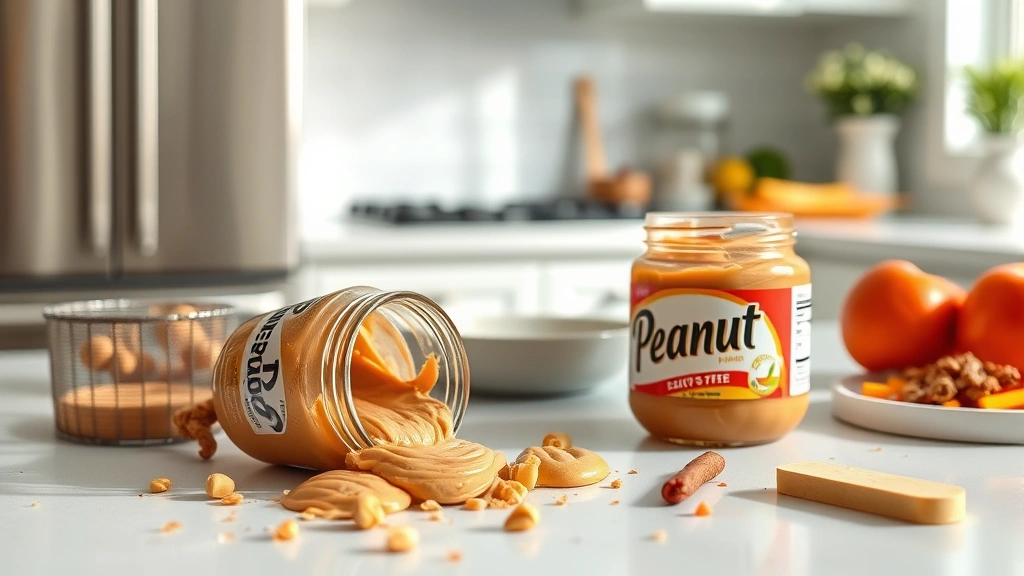
The Xylitol Danger: Why This Matters
Now, let’s talk about the elephant in the room: xylitol. This artificial sweetener is toxic to dogs and can cause serious, life-threatening complications. While most Jif products don’t contain xylitol, some newer formulations or specialty varieties might, making it absolutely imperative to check labels carefully.
Xylitol is metabolized differently in dogs than in humans. When dogs consume xylitol, it causes a rapid release of insulin, leading to severe hypoglycemia (low blood sugar). This can result in seizures, liver failure, and even death if not treated immediately. Even small amounts can be dangerous—as little as 0.1 grams per kilogram of body weight can cause hypoglycemia in dogs.
The symptoms of xylitol poisoning appear quickly, often within 15-30 minutes of ingestion. You might notice vomiting, loss of coordination, tremors, seizures, or collapse. If you suspect your dog has consumed anything containing xylitol, contact your veterinarian or ASPCA Animal Poison Control immediately.
To stay safe regarding whether dogs can eat xylitol, the simple answer is: absolutely not, under any circumstances. Always read ingredient labels thoroughly, and when in doubt, contact the manufacturer directly to confirm whether their product contains this dangerous sweetener.
Safe Serving Guidelines for Jif Peanut Butter
So, can your dog have Jif peanut butter? The answer is yes, but with significant caveats and strict portion control. If you’ve verified that your specific jar doesn’t contain xylitol and you’re comfortable with the added sugar and salt content, here’s how to serve it safely.
Portion Control is Key: The general rule of thumb is that treats should make up no more than 10% of your dog’s daily caloric intake. For a typical 50-pound dog, this means peanut butter should be limited to about a teaspoon or two per day, maximum. For smaller dogs, even less is appropriate.
Frequency Matters: Offer Jif peanut butter as an occasional treat, not a daily staple. Once or twice a week is reasonable for most healthy adult dogs. Puppies, senior dogs, and those with existing health conditions should have even more limited access.
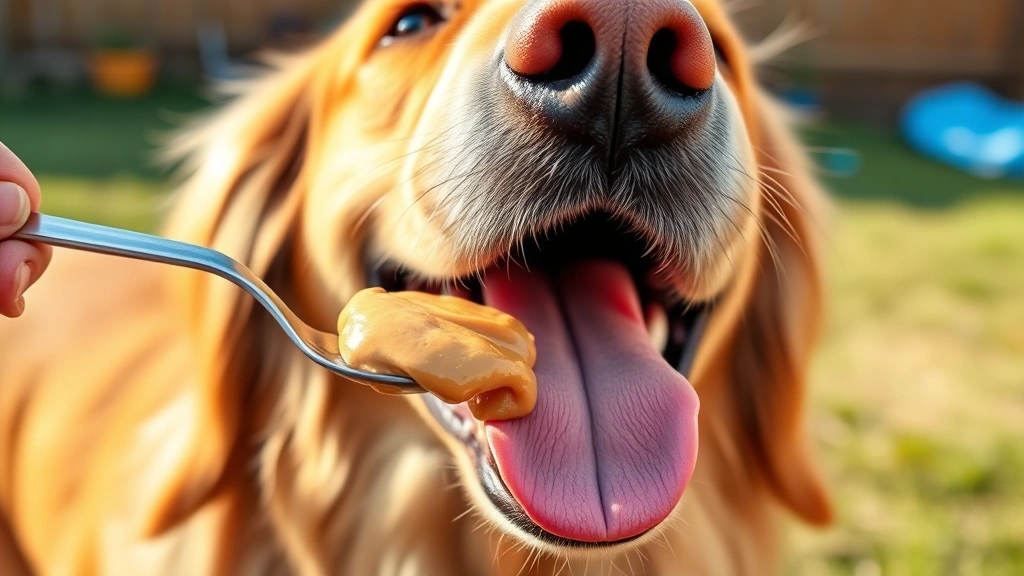
Preparation Tips: Never give your dog peanut butter straight from the jar with a spoon they’ve already used—hygiene matters! Instead, put a small amount on a separate spoon or mix it with their regular food. You can also freeze small amounts in ice cube trays for a refreshing treat on warm days.
Understanding how much food you should feed your dog helps you calculate appropriate treat portions. Remember that peanut butter is calorie-dense, so it should fit within their overall daily caloric needs.
For dogs with specific health conditions like pancreatitis, obesity, or diabetes, consult your veterinarian before offering any peanut butter product. The high fat content can trigger pancreatitis in susceptible dogs, and the sugar isn’t ideal for diabetic pups.

Healthier Alternatives to Jif Peanut Butter
If you’re concerned about Jif’s ingredient list or want to offer your dog a healthier option, several alternatives exist that provide similar satisfaction with better nutritional profiles.
Natural Peanut Butter: Look for brands with just one ingredient: peanuts. Natural peanut butter contains no added sugar, salt, or hydrogenated oils. Brands like Justin’s or simple store-brand natural peanut butter are excellent choices. Just ensure there’s no xylitol lurking in the ingredient list.
Dog-Specific Peanut Butter: Several companies now produce peanut butter specifically formulated for dogs, with no added sugars, salts, or harmful ingredients. These are typically the safest option and worth the slightly higher price point.
If you’re interested in exploring other nut butter options, almond butter for dogs is another possibility, though it should also be given in moderation and with the same safety precautions.
Homemade Options: Making your own peanut butter is surprisingly simple. Blend roasted peanuts in a food processor until creamy—no added ingredients needed. You control exactly what goes into it, making it the ultimate healthy treat option.
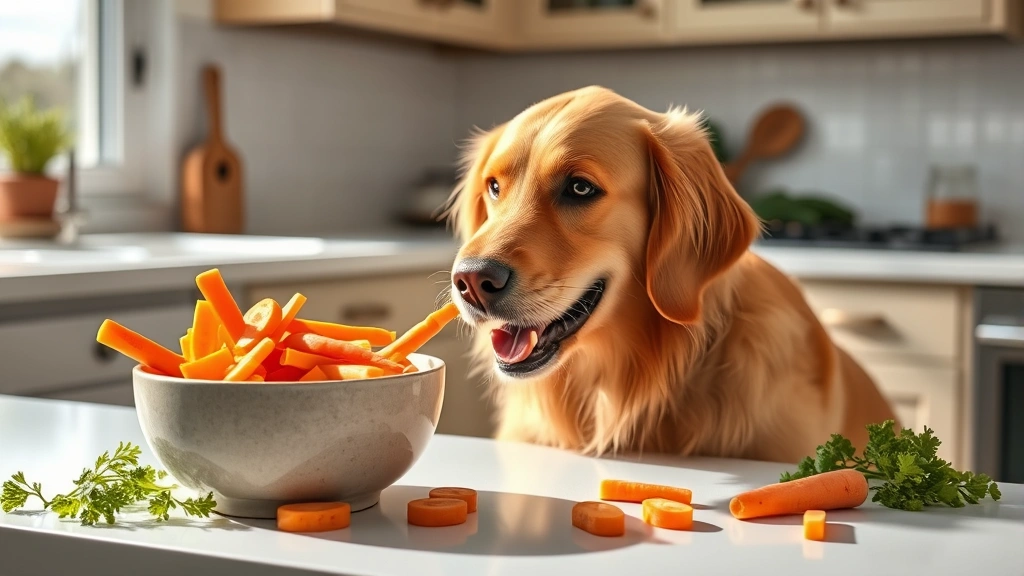
Other Treat Alternatives: Consider rotating different treats to provide variety. Carrots, apples, green beans, and pumpkin are all dog-safe and nutritious. Rotating treats prevents boredom and ensures your dog gets a varied nutrient profile.
What to Do If Your Dog Eats Jif Peanut Butter Unexpectedly
Despite your best efforts to keep peanut butter secure, accidents happen. Maybe your dog got into the pantry, or perhaps you didn’t realize someone else in the family gave them a spoonful. Here’s what you need to do.
Step 1: Don’t Panic A small amount of regular Jif peanut butter without xylitol is unlikely to cause serious harm, though it’s not ideal. Take a deep breath and assess the situation calmly.
Step 2: Determine the Amount Try to figure out how much your dog consumed. Was it a lick, a tablespoon, or more? Also, identify which specific Jif product they ate—different varieties have different formulations.
Step 3: Check the Label Immediately retrieve the jar and check the ingredient list for xylitol. If xylitol is present or you’re unsure, this is a medical emergency. Contact your veterinarian or ASPCA Poison Control Center right away.
Step 4: Monitor Your Dog Watch for any unusual symptoms over the next few hours. These might include vomiting, diarrhea, lethargy, or trembling. If your dog shows any concerning signs, contact your vet immediately.
Step 5: Contact Your Vet if Concerned When in doubt, it’s always better to call your veterinarian. They can assess your dog’s individual risk factors and recommend whether monitoring at home or a veterinary visit is necessary.
If your dog has consumed something truly dangerous like chocolate, you’ll want to follow similar emergency protocols. Learn more about what to do if your dog eats chocolate to be prepared for various food-related emergencies.
Frequently Asked Questions
Is Jif peanut butter safe for dogs?
Standard Jif peanut butter without xylitol is safe for dogs in very small amounts, though it’s not the healthiest choice due to added sugar, salt, and hydrogenated oils. Always check the label for xylitol before offering any to your dog. If xylitol is present, it’s absolutely not safe and constitutes a medical emergency if ingested.
Can dogs have creamy Jif peanut butter?
Creamy Jif is safe for dogs in moderation (assuming no xylitol), though it’s not nutritionally ideal. The smooth texture actually makes it easier to portion control compared to chunky varieties. Stick to teaspoon-sized amounts as occasional treats.
What about Jif reduced-fat peanut butter?
Reduced-fat Jif is actually a bigger concern because reduced-fat products often contain more sugar and other additives to maintain flavor. Additionally, some reduced-fat peanut butter brands have included xylitol as a sweetener. Always verify the ingredient list before purchasing.
How often can I give my dog Jif peanut butter?
Limit Jif peanut butter to occasional treats—no more than once or twice per week. Given the added sugar and salt content, it shouldn’t be a regular part of your dog’s diet. For dogs with health issues, consult your veterinarian before offering any.
What are symptoms of peanut butter toxicity in dogs?
If your dog consumed peanut butter containing xylitol, watch for rapid onset of vomiting, loss of coordination, tremors, seizures, or collapse within 15-30 minutes. These are medical emergencies requiring immediate veterinary attention. Regular peanut butter toxicity is rare, though excessive consumption could cause pancreatitis in susceptible dogs.
Are there dog-safe peanut butter brands?
Yes! Natural peanut butter brands with just one ingredient (peanuts) are excellent choices. Additionally, specialty dog treat companies produce peanut butter specifically formulated for canine consumption. These alternatives are typically healthier than Jif and worth seeking out.
Can puppies have Jif peanut butter?
Puppies should avoid Jif peanut butter due to their developing digestive systems and the product’s high sugar and salt content. If you want to introduce peanut butter to a puppy, consult your veterinarian first and choose a natural, unsweetened variety in minimal amounts.
What should I do if my dog accidentally ate a large amount of Jif?
First, check the label for xylitol. If xylitol is present, contact your veterinarian or ASPCA Poison Control immediately. If there’s no xylitol, monitor your dog closely for signs of pancreatitis or digestive upset over the next 24-48 hours, and contact your vet if any concerning symptoms develop.