
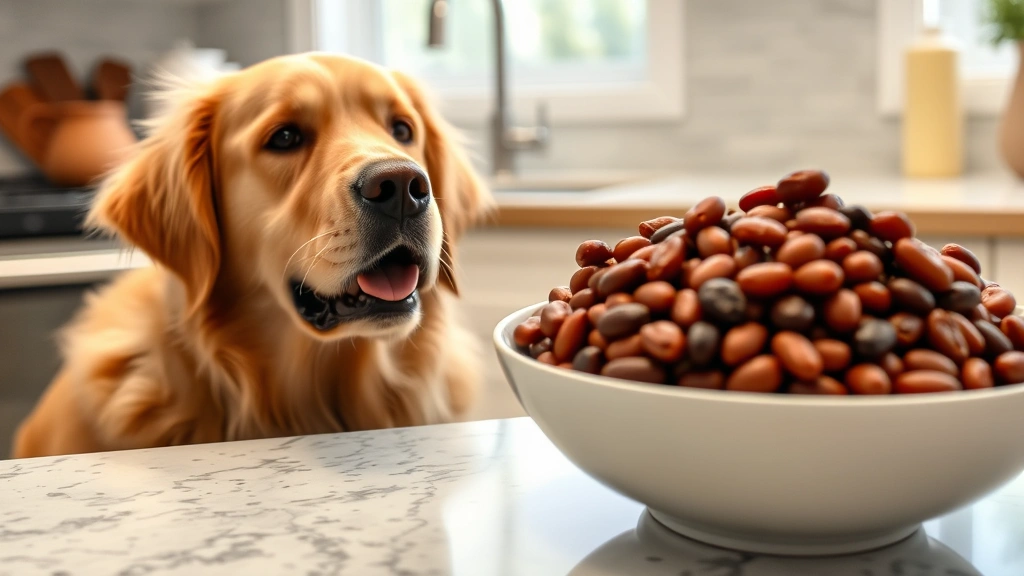
As a loving dog owner, you’ve probably found yourself wondering about the safety of various human foods for your furry companion. When it comes to kidney beans, this question becomes particularly important since these legumes are a common ingredient in many household meals. Understanding what foods are safe for dogs can help you make informed decisions about their diet and avoid potentially dangerous situations.
Kidney beans present a complex case in canine nutrition. While beans in general can offer some nutritional benefits to dogs, kidney beans specifically require careful consideration due to their unique properties and potential risks. This comprehensive guide will explore everything you need to know about feeding kidney beans to your dog, including the potential dangers, safe alternatives, and proper preparation methods if you choose to include them in your pet’s diet.
Understanding Kidney Beans and Their Properties
Kidney beans, scientifically known as Phaseolus vulgaris, are a popular legume variety characterized by their distinctive kidney shape and deep red color. These beans are packed with protein, fiber, folate, and various minerals, making them a nutritious choice for human consumption. However, their suitability for canine diets requires careful examination.
In their raw or undercooked state, kidney beans contain high levels of naturally occurring compounds called lectins, specifically phytohaemagglutinin (PHA). These compounds serve as the plant’s natural defense mechanism against pests and diseases. While cooking significantly reduces lectin levels, improper preparation can leave dangerous concentrations that pose serious health risks to both humans and dogs.
The American Kennel Club emphasizes the importance of understanding which human foods are safe for dogs, as their digestive systems process certain compounds differently than humans do. This difference in metabolism makes some foods that are perfectly safe for us potentially harmful to our canine companions.
Safety Concerns: Why Kidney Beans Can Be Dangerous
The primary concern with feeding kidney beans to dogs stems from their lectin content, particularly when the beans are raw, soaked but uncooked, or inadequately cooked. These conditions create an environment where toxic levels of lectins remain active, potentially causing severe digestive distress and other health complications in dogs.
Dogs have more sensitive digestive systems than humans, making them more susceptible to the effects of lectins. Even small amounts of improperly prepared kidney beans can trigger symptoms ranging from mild gastrointestinal upset to severe poisoning. The concentration of lectins is highest in raw kidney beans, with levels that can be 4-5 times higher than in other bean varieties.
Additionally, can dogs eat beans is a broader question that encompasses various legume types, each with their own safety profiles. While some beans are generally safe when properly prepared, kidney beans require extra caution due to their particularly high lectin content.
The Lectin Problem: Understanding Phytohaemagglutinin
Phytohaemagglutinin (PHA) is the specific type of lectin found in kidney beans that poses the greatest risk to dogs. This protein binds to carbohydrates and can cause red blood cells to clump together, leading to serious health complications. The Centers for Disease Control and Prevention has documented cases of lectin poisoning from kidney beans in humans, and the effects can be even more severe in dogs due to their smaller size and different metabolism.
The toxic effects of PHA occur because this lectin resists digestion and can damage the intestinal wall, leading to increased permeability and inflammation. This damage allows toxins and undigested food particles to enter the bloodstream, potentially causing systemic reactions. In dogs, this can manifest as severe vomiting, diarrhea, and in extreme cases, more serious complications affecting multiple organ systems.
Research from veterinary toxicology studies indicates that dogs may be more sensitive to lectin poisoning than humans due to their shorter digestive tract and faster metabolism. This means that even smaller amounts of improperly prepared kidney beans could potentially cause significant health issues in canine companions.
Recognizing Signs of Bean Poisoning in Dogs
If your dog has consumed raw or undercooked kidney beans, it’s crucial to recognize the early signs of lectin poisoning. Symptoms typically appear within 1-3 hours of ingestion and can escalate quickly. The most common initial signs include excessive drooling, nausea, and restlessness, followed by more severe symptoms.
Gastrointestinal symptoms are usually the first to appear and may include severe vomiting, explosive diarrhea, and abdominal pain. Dogs may exhibit signs of discomfort such as hunching their back, reluctance to move, or whimpering. Dehydration can occur rapidly due to fluid loss from vomiting and diarrhea, leading to lethargy, dry gums, and reduced skin elasticity.
More severe cases may progress to include fever, difficulty breathing, and signs of shock. If you notice any of these symptoms after your dog has consumed kidney beans, seek immediate veterinary attention. The ASPCA Animal Poison Control Center provides 24/7 emergency consultation for pet poisoning cases and can offer guidance on immediate care steps.
Safe Preparation Methods for Kidney Beans
If you decide to include kidney beans in your dog’s diet, proper preparation is absolutely essential to reduce lectin levels to safe amounts. The preparation process must be thorough and follow specific steps to ensure the beans are safe for canine consumption.
Begin by soaking dried kidney beans in water for at least 8-12 hours, then drain and rinse them thoroughly. This soaking process helps to remove some surface lectins and prepares the beans for cooking. However, soaking alone is insufficient to make the beans safe – they must be properly cooked afterward.
The cooking process is critical and involves boiling the beans at a rolling boil for at least 30 minutes. Some veterinary nutritionists recommend even longer cooking times of 45-60 minutes to ensure complete lectin deactivation. Slow cooking or cooking at temperatures below boiling may actually increase lectin concentration, making the beans more dangerous rather than safer.
After cooking, the beans should be soft and easily mashed. Allow them to cool completely before offering small amounts to your dog. Never add seasonings, salt, garlic, onions, or other flavor enhancers, as these can be toxic to dogs even in small amounts.
Nutritional Value and Benefits
When properly prepared, kidney beans can offer certain nutritional benefits to dogs, though they should never constitute a significant portion of their diet. These legumes are rich in plant-based protein, containing all essential amino acids, though not in the optimal ratios for canine nutrition. They also provide dietary fiber, which can support digestive health in moderate amounts.
Kidney beans contain folate, iron, potassium, and magnesium – minerals that support various bodily functions including red blood cell formation, muscle function, and nervous system health. The fiber content can help with weight management and promote feelings of fullness, which may be beneficial for overweight dogs when used as part of a controlled diet plan.
However, it’s important to note that dogs are primarily carnivorous and derive most of their nutritional needs from animal-based proteins. According to veterinary nutritionists at UC Davis School of Veterinary Medicine, plant proteins should only supplement, not replace, high-quality animal proteins in a dog’s diet.
Safer Bean Alternatives for Dogs
Given the risks associated with kidney beans, many pet owners prefer to explore safer legume alternatives that provide similar nutritional benefits without the high lectin content. Green beans are an excellent choice, offering vitamins A, C, and K, plus fiber, with minimal preparation requirements and virtually no toxicity concerns.
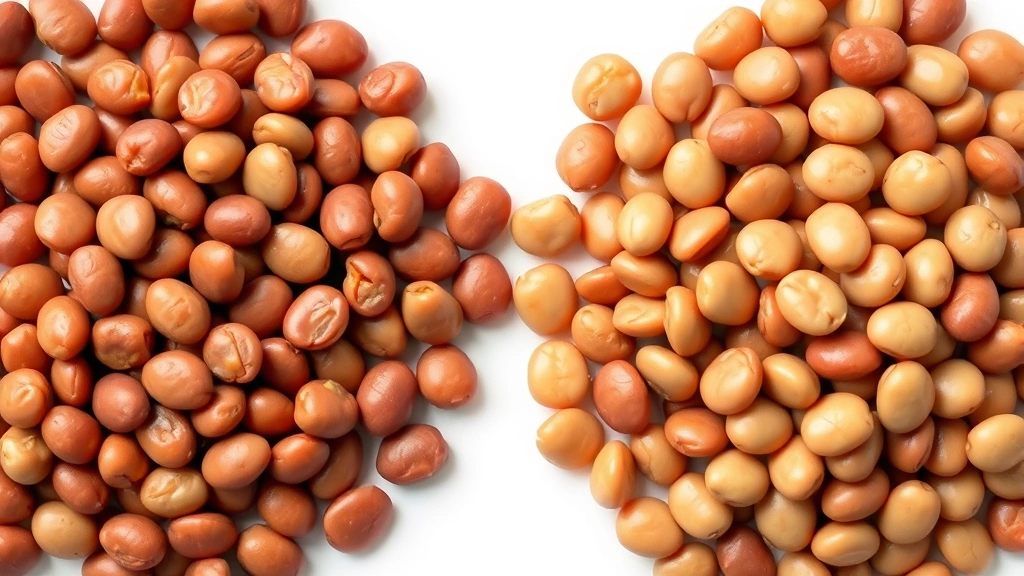
When considering can dogs eat red beans, it’s worth noting that red kidney beans pose the same risks as their darker counterparts due to similar lectin levels. However, other bean varieties like black beans, navy beans, and pinto beans generally contain lower lectin levels and may be safer options when properly cooked.
Lima beans, when thoroughly cooked, can also be a safer alternative, though they should still be prepared carefully and offered in moderation. Similarly, questions about can dogs have refried beans arise frequently, but commercial refried beans often contain added sodium, spices, and preservatives that make them unsuitable for dogs, regardless of the bean type used.
Lentils and split peas are other legume options that tend to have lower lectin levels and are generally easier to digest. These alternatives can provide similar nutritional benefits while posing fewer risks to your dog’s health.
Feeding Guidelines and Portion Control
If you choose to feed properly prepared kidney beans to your dog, strict portion control is essential. Beans should never make up more than 10% of your dog’s total daily caloric intake, and for most dogs, much smaller amounts are appropriate. Start with just a few beans to test your dog’s tolerance and watch for any adverse reactions.
For small dogs (under 20 pounds), limit kidney bean portions to 1-2 tablespoons per week. Medium dogs (20-60 pounds) can have up to 1/4 cup weekly, while large dogs (over 60 pounds) might tolerate up to 1/3 cup per week. These amounts should be divided into smaller portions rather than given all at once.
Consider your dog’s overall diet when adding any new food. If your dog is already receiving a complete and balanced commercial diet, additional foods should be treats or supplements rather than meal replacements. Dogs with sensitive stomachs, food allergies, or digestive issues should avoid kidney beans entirely, as should puppies under six months of age whose digestive systems are still developing.
Always introduce new foods gradually over several days, mixing small amounts with your dog’s regular food. This approach helps identify any food sensitivities and reduces the risk of digestive upset. Monitor your dog closely for 24-48 hours after introducing kidney beans for any signs of gastrointestinal distress or allergic reactions.
The topic of can dogs eat baked beans is related but distinct, as commercial baked beans typically contain high levels of sugar, salt, and potentially toxic ingredients like onions or garlic, making them inappropriate for dogs regardless of proper preparation.
Frequently Asked Questions
Can dogs eat raw kidney beans?
No, dogs should never eat raw kidney beans. Raw kidney beans contain extremely high levels of lectins, particularly phytohaemagglutinin, which can cause severe poisoning in dogs. Even small amounts can lead to serious gastrointestinal distress, vomiting, diarrhea, and potentially life-threatening complications. Always cook kidney beans thoroughly before considering them for your dog.
How should I prepare kidney beans for my dog?
If you choose to feed kidney beans to your dog, soak them for 8-12 hours, then boil them at a rolling boil for at least 30-45 minutes until they’re completely soft. Never use slow cookers or low-temperature cooking methods, as these can actually increase toxin levels. Allow the beans to cool completely and serve plain without any seasonings, salt, or additives.
What are the signs of kidney bean poisoning in dogs?
Signs of lectin poisoning from kidney beans include severe vomiting, explosive diarrhea, excessive drooling, abdominal pain, lethargy, and dehydration. Symptoms typically appear within 1-3 hours of ingestion. More severe cases may include fever, difficulty breathing, and signs of shock. If you suspect your dog has consumed raw or undercooked kidney beans, contact your veterinarian immediately.
Are canned kidney beans safe for dogs?
Canned kidney beans are generally safer than raw beans since they’ve been cooked during the canning process, which reduces lectin levels. However, canned beans often contain high levels of sodium and preservatives that aren’t healthy for dogs. If using canned beans, rinse them thoroughly to remove excess sodium and offer only small amounts as an occasional treat.
What bean alternatives are safer for dogs?
Safer alternatives include green beans, which are low in lectins and highly nutritious, black beans and navy beans (when properly cooked), and lentils or split peas. These options provide similar nutritional benefits with lower risk profiles. Always cook legumes thoroughly and introduce them gradually to your dog’s diet.
How much kidney beans can I give my dog?
If properly prepared, kidney beans should make up no more than 10% of your dog’s daily calories. For small dogs, limit to 1-2 tablespoons weekly; medium dogs can have up to 1/4 cup weekly; and large dogs might tolerate up to 1/3 cup weekly. Always start with smaller amounts to test tolerance and divide portions throughout the week rather than giving all at once.
Should puppies eat kidney beans?
Puppies under six months should not eat kidney beans or other legumes, as their digestive systems are still developing and more sensitive to potential toxins. Even for older puppies, it’s best to avoid kidney beans and stick to puppy-appropriate foods that meet their specific nutritional needs for growth and development.





