

As a responsible dog owner, you’ve likely wondered about giving your furry friend lamb bones, especially when you see those eager eyes watching you prepare dinner. The question “can dogs have lamb bones” is more complex than a simple yes or no answer, and understanding the nuances could be the difference between a happy, healthy pup and an emergency vet visit.
Lamb bones present a unique set of considerations that differ from other types of bones. While dogs have been chewing on bones for thousands of years, modern pet ownership requires us to be more cautious about what we offer our canine companions. The safety of lamb bones depends on several factors including the bone’s size, preparation method, and your dog’s individual characteristics.
Types of Lamb Bones and Their Safety Levels
Not all lamb bones are created equal when it comes to canine safety. Understanding the different types and their associated risks is crucial for making informed decisions about can dogs eat lamb bones. Raw lamb bones are generally considered safer than cooked ones, as cooking makes bones brittle and prone to splintering.
Raw lamb leg bones, particularly the larger marrow bones, are often considered the safest option for medium to large dogs. These bones are dense enough to withstand chewing without breaking into dangerous fragments. However, lamb rib bones and smaller bones should be avoided entirely, as they can easily splinter and cause choking or internal injuries.
Lamb shoulder bones fall into a middle category – they’re larger than rib bones but not as robust as leg bones. The American Kennel Club emphasizes that supervision is essential regardless of the bone type you choose to offer your dog.
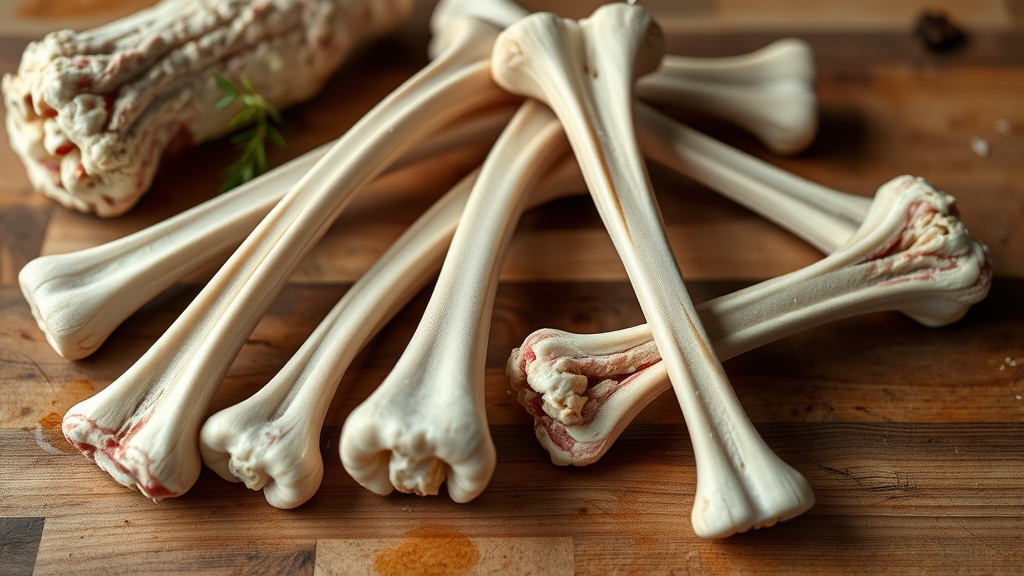
Ground lamb bones, often found in raw dog food diets, present a different consideration altogether. When properly ground, these bones provide calcium and phosphorus without the choking hazards associated with whole bones. Many veterinary nutritionists consider ground bones safer than whole bones for most dogs.
Risks and Dangers of Lamb Bones
The primary concern with lamb bones, like other animal bones, is the risk of splintering. When bones break into sharp fragments, they can cause severe damage to a dog’s mouth, throat, esophagus, stomach, or intestines. This is particularly true for cooked lamb bones, which should never be given to dogs under any circumstances.
Choking represents another significant risk, especially for smaller dogs or those who tend to gulp their food quickly. Even appropriately sized bones can become lodged in a dog’s throat if they attempt to swallow large pieces. The American Veterinary Medical Association warns that bones can also cause tooth fractures, particularly in aggressive chewers.
Gastrointestinal blockages are perhaps the most serious concern when considering can dogs eat bones of any type. Large pieces of bone that are swallowed can become impacted in the intestines, requiring emergency surgery to remove. Additionally, consuming too much bone can lead to constipation or, conversely, diarrhea and upset stomach.
Bacterial contamination presents another risk factor that many pet owners overlook. Raw lamb bones can harbor harmful bacteria such as Salmonella or E. coli, which can cause serious illness in both dogs and their human family members. Proper handling and storage of raw bones is essential to minimize this risk.
Safe Alternatives to Lamb Bones
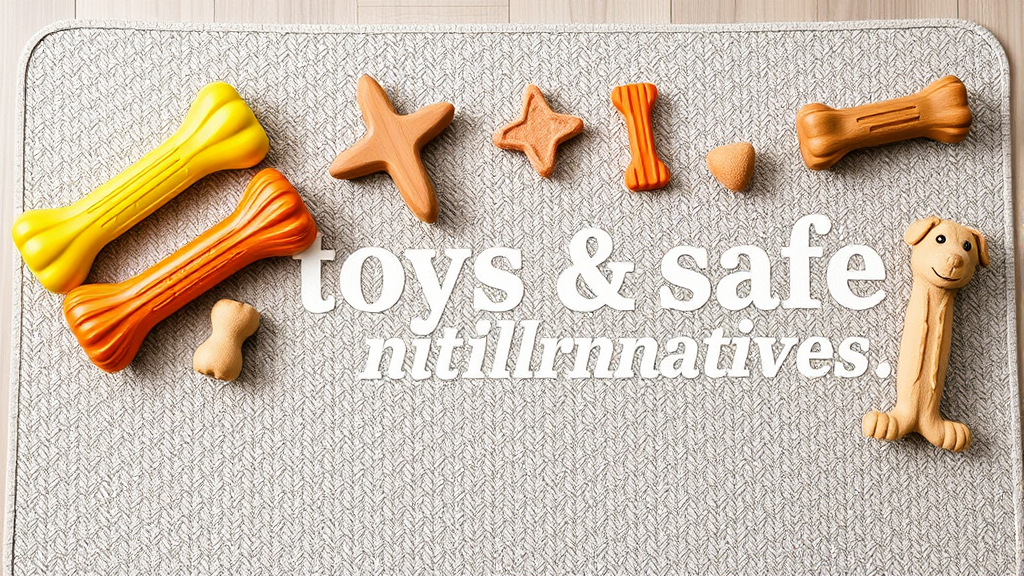
For dog owners concerned about the risks associated with lamb bones, numerous safer alternatives can satisfy your pet’s natural chewing instincts. Commercial dog bones made from compressed rawhide alternatives, antlers, or specially designed synthetic materials often provide similar satisfaction without the safety concerns.
Frozen Kong toys stuffed with dog-safe treats offer mental stimulation and chewing satisfaction while being completely safe. Many veterinarians recommend these as excellent alternatives to natural bones. Similarly, rope toys and specially designed dental chews can help maintain oral health without the risks associated with real bones.
If you’re determined to provide natural chewing options, consider that can dogs eat chicken bones presents similar risks to lamb bones. However, some pet owners find success with recreational bones specifically sold for dogs, which are typically larger, raw bones that are less likely to splinter.
The U.S. Food and Drug Administration suggests that pet owners consider the individual dog’s chewing style, size, and health status when selecting any chewing item, whether natural or synthetic.
Proper Preparation Guidelines
If you decide to offer lamb bones to your dog despite the risks, proper preparation and supervision are absolutely essential. Never give your dog cooked lamb bones of any kind, as the cooking process makes them brittle and dangerous. Raw bones should be fresh and obtained from reputable sources to minimize bacterial contamination risks.
Size selection is crucial – the bone should be large enough that your dog cannot swallow it whole, but not so large that it could cause jaw strain. As a general rule, the bone should be larger than your dog’s mouth when measured from the back molars. Always supervise your dog when they’re chewing on any bone, and remove the bone once it becomes small enough to swallow.
Refrigerate unused portions promptly and discard any bone that has been left out for more than a few hours. Unlike processed dog treats, raw bones can spoil quickly and become breeding grounds for harmful bacteria. Many veterinarians recommend limiting bone-chewing sessions to 15-20 minutes to prevent overconsumption and digestive upset.
Before introducing lamb bones, consider your dog’s history with other types of bones. If you’ve had issues with can dogs have chicken bones or other bone types, lamb bones are likely not appropriate for your pet.
Warning Signs and When to Call the Vet
Recognizing the warning signs of bone-related complications can be lifesaving for your dog. Immediate veterinary attention is required if your dog shows signs of choking, including pawing at the mouth, excessive drooling, gagging, or difficulty breathing. These symptoms indicate a potential airway obstruction that requires emergency intervention.
Gastrointestinal symptoms such as vomiting, especially if blood is present, warrant immediate veterinary care. Similarly, if your dog appears to be straining to defecate, shows signs of constipation lasting more than 24 hours, or has bloody stools, bone fragments may be causing internal damage or blockage.
Behavioral changes can also indicate problems. If your normally active dog becomes lethargic, refuses food, or shows signs of abdominal pain such as hunched posture or reluctance to move, these could be signs of internal injury or blockage. The ASPCA Animal Poison Control Center emphasizes that early intervention significantly improves outcomes in bone-related emergencies.
Even seemingly minor symptoms like persistent bad breath, difficulty chewing, or favoring one side of the mouth could indicate tooth damage from bone chewing. Regular dental examinations become even more important for dogs who regularly chew bones.
Breed and Size Considerations
Different dog breeds and sizes require different approaches to bone safety. Large breed dogs like German Shepherds, Labrador Retrievers, and Great Danes may be better candidates for appropriately sized lamb bones due to their jaw strength and size. However, even large dogs can experience complications, so supervision remains essential.
Small breed dogs, including Chihuahuas, Yorkshire Terriers, and other toy breeds, should generally avoid lamb bones entirely. Their smaller jaws and throats make them more susceptible to choking, and their delicate digestive systems are more prone to blockages. For these dogs, the risks almost always outweigh any potential benefits.
Brachycephalic breeds (dogs with flat faces) such as Bulldogs, Pugs, and Boston Terriers face additional risks due to their compromised airways. These breeds are already prone to breathing difficulties, making any choking risk particularly dangerous. Similar considerations apply when evaluating can dogs have ham bones or other bone types.
Age is another crucial factor to consider. Puppies with developing teeth and elderly dogs with potentially weakened dental structure may be more prone to tooth damage from bone chewing. Senior dogs may also have slower digestion, increasing the risk of complications from bone consumption.
Individual chewing styles matter significantly as well. Some dogs are gentle, methodical chewers who work on bones slowly and carefully. Others are aggressive chewers who attack bones with vigor, making them more likely to break off and swallow large pieces. Understanding your dog’s chewing personality is crucial for making safe decisions about bone provision.
Dogs with a history of gastrointestinal sensitivities, food allergies, or previous bone-related incidents should probably avoid lamb bones entirely. The same caution applies to dogs who have shown problems with can dogs eat turkey bones or other bone types in the past.
Frequently Asked Questions
Can puppies have lamb bones?
Puppies should not be given lamb bones, especially those under six months of age. Their developing teeth and jaws are not equipped to handle the hardness of bones, and their smaller size increases choking and blockage risks. Puppy-specific chew toys are much safer alternatives for teething relief.
Are cooked lamb bones ever safe for dogs?
No, cooked lamb bones should never be given to dogs under any circumstances. The cooking process makes bones brittle and prone to splintering, creating serious risks of choking, mouth injuries, and internal damage. This applies to all cooking methods including baking, boiling, grilling, or frying.
How long can I let my dog chew on a lamb bone?
Supervised chewing sessions should be limited to 15-20 minutes to prevent overconsumption and digestive upset. Always remove the bone when it becomes small enough for your dog to swallow whole, and never leave your dog unattended with any bone.
What should I do if my dog swallows a large piece of lamb bone?
Contact your veterinarian immediately if your dog swallows a large piece of lamb bone. Do not attempt to induce vomiting unless specifically instructed by a veterinary professional, as this could cause additional damage. Monitor for signs of distress and seek emergency care if symptoms develop.
Are there any dogs that should never have lamb bones?
Yes, several categories of dogs should avoid lamb bones entirely: small breed dogs, brachycephalic breeds, puppies under six months, senior dogs with dental issues, dogs with sensitive stomachs, and any dog with a history of bone-related complications. When in doubt, consult your veterinarian.
Can lamb bones help clean my dog’s teeth?
While some proponents claim that raw bones can help clean teeth, the Veterinary Oral Health Council recommends safer alternatives specifically designed for dental health. The risks of tooth fractures and other complications from bones often outweigh any potential dental benefits.
How do lamb bones compare to other types of bones in terms of safety?
Lamb bones present similar risks to other animal bones, with cooked bones being universally dangerous regardless of the animal source. Raw lamb bones may be slightly safer than some poultry bones due to their density, but all bones carry inherent risks. Questions about can dogs eat pork chop bones or can dogs have pork rib bones involve similar safety considerations and risks.





