

Your dog gives you those irresistible puppy eyes while you’re making a salad, and suddenly you’re wondering: can dogs have lettuce? The short answer is yes—lettuce is safe for dogs in moderation. But before you start tossing leafy greens into your pup’s bowl, there’s more you need to know about portion sizes, nutritional value, and whether lettuce actually benefits your furry friend.
I’ve been working with dogs for over a decade, and I can tell you that lettuce is one of those foods that sits in a weird middle ground. It won’t poison your dog, but it’s also not exactly a superfood. Let’s break down everything you need to know about feeding lettuce to dogs—the real talk version.
Is Lettuce Safe for Dogs?
Yes, lettuce is safe for dogs. It’s non-toxic, won’t cause an allergic reaction in most dogs, and won’t damage their digestive system when given appropriately. The ASPCA confirms that lettuce is not toxic to dogs, making it a low-risk treat option.
Here’s the reality though: just because something is safe doesn’t mean it’s beneficial. Lettuce is mostly water—about 95% of it. Your dog’s body is already optimized to get water from their regular food and drinking bowl. Feeding lettuce won’t hurt them, but it also won’t revolutionize their health.
The key word here is moderation. Lettuce should never replace a balanced diet formulated specifically for dogs. Think of it like how you might snack on celery—it’s fine, it’s healthy-ish, but it’s not a meal.
According to the American Kennel Club, lettuce is safe for dogs and can be offered as an occasional treat. They recommend keeping treats (including vegetables) to no more than 10% of your dog’s daily calorie intake.
Pro Tip: If you’re looking to add vegetables to your dog’s diet for health reasons, focus on nutrient-dense options instead. Lettuce is basically flavored water, so there are better choices available.
Nutritional Value: What Lettuce Actually Offers
Let’s talk nutrition because this is where lettuce’s reputation gets a reality check. A cup of raw lettuce contains roughly:
- 5 calories
- 1 gram of fiber
- 0.5 grams of protein
- Small amounts of vitamins A and K
- Trace minerals like potassium and manganese
For a medium-sized dog eating 1,000-1,500 calories per day, a few lettuce leaves contribute almost nothing nutritionally. You’d need to feed your dog an unrealistic amount of lettuce to make any meaningful nutritional impact.
The fiber content is the most interesting part. Fiber can help with digestive health, but again, the amount in lettuce is minimal. If your dog needs more fiber, you’re better off talking to your vet about options like pumpkin puree, which is fiber-rich and actually palatable to most dogs.
Vitamin K in lettuce is good for blood clotting, but dogs on certain medications (like warfarin) should avoid high-vitamin-K foods. If your dog is on any blood-thinning medications, check with your vet before introducing lettuce regularly.
The real value of lettuce for dogs isn’t nutritional—it’s behavioral. Some dogs enjoy the crunch, the novelty, and the low-calorie snack aspect, especially if they’re on a weight management diet. For overweight dogs, lettuce can be a filler snack that adds volume without adding calories.
Types of Lettuce and Which Ones Are Best
Not all lettuce is created equal. Here’s what you need to know about different varieties:
- Iceberg Lettuce: This is the most common type and the safest option. It’s basically water with minimal nutritional value, so there’s virtually no risk. It’s also the blandest, so some dogs might not be interested.
- Romaine Lettuce: Slightly more nutritious than iceberg with a bit more fiber and vitamins. Still safe and probably the best choice if you want to offer lettuce regularly.
- Leaf Lettuce (Red and Green): More tender and flavorful than iceberg. Dogs often prefer these, and they have a bit more nutritional content. Still safe in moderation.
- Butter Lettuce: Soft and mild. Safe for dogs but offers minimal nutrition.
- Kale and Spinach: These are technically not lettuce, but they’re often grouped with salad greens. While safe in small amounts, they contain compounds called oxalates that can interfere with calcium absorption if fed in excess. Stick to occasional small amounts.
The safest bet? Stick with romaine or leaf lettuce. They’re more nutritious than iceberg, and dogs tend to enjoy them more. Avoid any lettuce that’s been treated with pesticides or heavy dressings.
Safety Warning: Never feed your dog lettuce that’s been sitting in a vinegar-based dressing or covered in garlic. Both garlic and onions are toxic to dogs, and vinegar can upset their stomach.
How to Serve Lettuce to Your Dog Safely
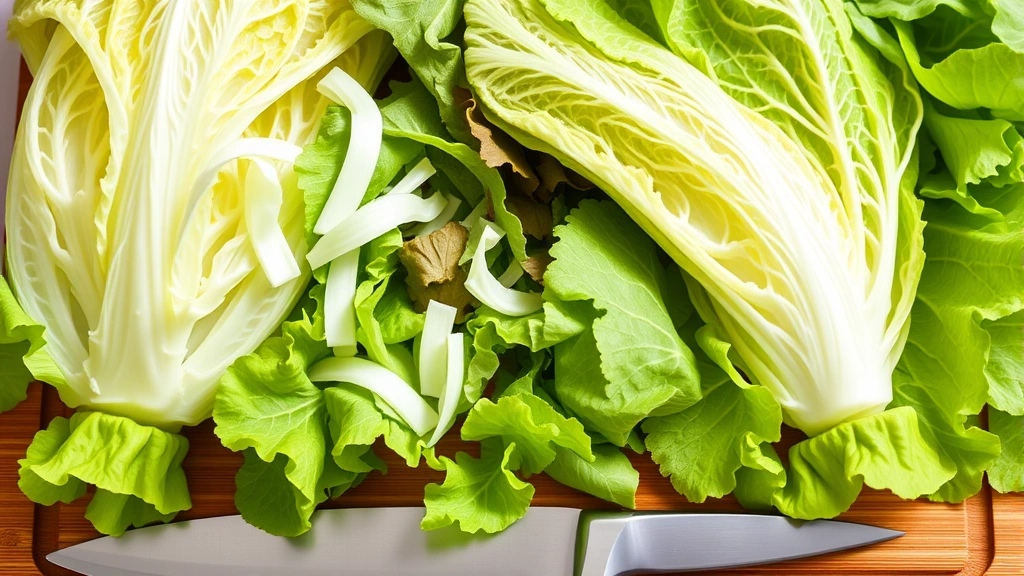
Preparation matters more than you might think. Here’s how to do it right:
- Wash thoroughly: Rinse the lettuce under running water to remove any pesticide residue or bacteria. Lettuce is often grown in soil and can harbor E. coli or Salmonella.
- Dry completely: Wet lettuce is harder for dogs to chew and can cause choking. Pat it dry with a paper towel.
- Remove the stem: The thick center stem can be a choking hazard for smaller dogs. Cut it out or tear the lettuce into manageable pieces.
- Chop into appropriate sizes: For small dogs, tear lettuce into small pieces. For larger dogs, you can offer bigger chunks, but they should still be able to swallow them easily.
- Serve plain: No dressing, no seasoning, no additions. Just plain lettuce.
- Mix with regular food (optional): Some dogs are more interested in lettuce if it’s mixed in with their kibble or wet food. This also helps with portion control.
Never serve iceberg lettuce as a meal replacement or primary treat. It should be a supplementary snack only.
Portion Sizes: How Much Is Too Much?
This is where most dog owners go wrong. They think because lettuce is low-calorie, they can feed unlimited amounts. That’s not quite right.
The 10% rule is your guide: treats (including vegetables) should make up no more than 10% of your dog’s daily calorie intake. The remaining 90% should come from a balanced, complete dog food.
Here’s what that looks like in practice:
- Small dogs (under 20 lbs): A small handful of lettuce leaves per day, maybe 1-2 ounces maximum.
- Medium dogs (20-50 lbs): A medium handful of lettuce, roughly 2-4 ounces per day.
- Large dogs (over 50 lbs): Up to one cup of lettuce per day, but this should still be occasional, not daily.
A helpful way to think about portions: if your dog’s treat portion of lettuce could fit in your closed fist, you’re probably in the right range.
For more guidance on overall feeding amounts, check out our article on how many cups of food to feed your dog. Proper overall nutrition is the foundation.
Pro Tip: If you’re using lettuce as a low-calorie treat for weight management, count it toward your dog’s daily calorie total. Even though it’s mostly water, those calories still add up.
Potential Risks and When to Avoid Lettuce
While lettuce is generally safe, there are specific situations where you should avoid it or be extra cautious:
- Choking hazard: Dogs who gulp without chewing are at risk. If your dog has a habit of swallowing treats whole, skip the lettuce and choose softer options.
- Digestive sensitivity: Some dogs have sensitive stomachs and might develop loose stools from the sudden introduction of raw vegetables. Start with tiny amounts and monitor their digestion.
- Intestinal blockage: Unlikely with lettuce specifically (it’s mostly water), but if your dog has a history of eating non-food items or has had intestinal blockages, be cautious with any new food.
- Medication interactions: Dogs on blood-thinning medications should avoid high-vitamin-K foods. Talk to your vet about lettuce if your dog is on warfarin or similar drugs.
- Dental disease: Lettuce won’t clean teeth like crunchy kibble might. If your dog has significant dental disease, soft foods might be a better choice.
- Puppies and senior dogs: Young puppies have sensitive digestive systems—wait until they’re at least 6 months old before introducing raw vegetables. Senior dogs might have trouble chewing raw lettuce; consider lightly steaming it.
The bottom line: lettuce is low-risk, but it’s not risk-free. Know your individual dog.
Better Vegetable Alternatives for Dogs
If you want to add vegetables to your dog’s diet for health reasons, there are better options than lettuce. Check out our comprehensive guide on what fruits and vegetables dogs can eat for a full breakdown.
Here are some top picks that offer more nutritional bang for your buck:
- Carrots: Crunchy, naturally sweet, and packed with beta-carotene. Plus, chewing on carrots is good for dental health. Raw or cooked both work.
- Pumpkin: High in fiber and beta-carotene. Great for digestive health. We’ve got a detailed guide on pumpkin puree portions for dogs.
- Green beans: Low-calorie, nutrient-dense, and most dogs find them more interesting than lettuce.
- Broccoli: High in vitamin C and fiber. Serve in small amounts (no more than 10% of daily calories) because large amounts can cause digestive upset.
- Sweet potato: Rich in vitamins and fiber. More caloric than lettuce, so adjust portions accordingly.
- Blueberries: Antioxidant powerhouses. Serve as occasional treats.
If you’re interested in adding whole foods to your dog’s diet, also check out whether dogs can eat beans and rice. These can be part of a balanced home-cooked diet when prepared correctly.
The key difference between these options and lettuce is that they actually offer meaningful nutrition. They’re worth the effort to prepare and serve.
Before making any major changes to your dog’s diet, talk to your veterinarian. They can assess your individual dog’s health status and recommend what’s best. Some dogs have specific dietary needs or restrictions that make certain vegetables better or worse choices.
Frequently Asked Questions
Can puppies eat lettuce?
– Puppies can have lettuce once they’re eating solid food consistently (around 6-8 weeks), but it’s not necessary or particularly beneficial. Puppies need nutrient-dense food to support growth. Stick with their formulated puppy food and save vegetables as occasional treats once they’re older. Always introduce new foods slowly to avoid digestive upset.
Is raw lettuce better than cooked lettuce for dogs?
– Raw lettuce is fine and is actually what most dogs prefer due to the crunch. Cooking lettuce removes most of its already-minimal nutritional value and makes it mushy, which some dogs find less interesting. If your dog has difficulty chewing or swallowing, you could lightly steam lettuce to soften it, but raw is the better choice overall.
Can dogs eat lettuce every day?
– While lettuce is safe daily, there’s no real benefit to feeding it that frequently. It’s basically water with minimal nutrition. If your dog enjoys it and you want to include it daily, keep portions tiny (a small handful) and make sure it doesn’t displace more nutritious foods. Most veterinarians would recommend saving it for occasional treats instead.
What should I do if my dog ate a large amount of lettuce?
– Don’t panic. Lettuce is non-toxic, so eating a large amount won’t poison your dog. You might see loose stools or mild digestive upset due to the sudden increase in fiber and water content, but this usually resolves on its own within 24 hours. Monitor your dog’s bathroom habits and appetite. If diarrhea lasts more than a day or your dog seems lethargic, contact your vet. If you suspect your dog ate something toxic, call the ASPCA Animal Poison Control Center at (888) 426-4435.
Can dogs with kidney disease eat lettuce?
– Dogs with kidney disease can eat small amounts of lettuce, but it’s not particularly beneficial for them. The high water content might actually be counterproductive if your vet is restricting fluid intake. Always check with your veterinarian before introducing any new foods to a dog with kidney disease or other chronic conditions. Your vet might recommend specific dietary modifications based on your dog’s lab values and condition severity.
Is lettuce good for dogs’ digestion?
– Lettuce contains minimal fiber (about 1 gram per cup), so it’s not an effective digestive aid. If your dog needs help with digestion, better options include pumpkin puree, sweet potato, or green beans—all higher in fiber. Some dogs might benefit from the water content in lettuce for hydration, but they should be getting adequate water from their regular diet and water bowl already.

Can lettuce cause gas or bloating in dogs?
– Lettuce is unlikely to cause gas because it’s mostly water and low in fermentable fibers. However, introducing any new food suddenly can cause digestive upset in sensitive dogs. If your dog experiences bloating, gas, or diarrhea after eating lettuce, they might have a sensitive stomach. Stop offering it and talk to your vet about better alternatives.
What’s the difference between lettuce and other leafy greens like kale?
– Lettuce is primarily water with minimal nutrition. Kale and spinach are more nutrient-dense but contain oxalates that can interfere with calcium absorption if fed in large amounts. Both are safe in moderation, but kale and spinach require more careful portion control. Lettuce is the safer option for frequent feeding because there’s almost no risk of overdoing it nutritionally.





