

As a dog owner, you’ve likely experienced those pleading eyes staring at you while you enjoy a sweet treat. Marshmallows, with their fluffy texture and sweet taste, are a common campfire and household snack that might tempt you to share with your furry friend. However, before you toss that marshmallow to your eager pup, it’s crucial to understand the potential risks and benefits involved.
The question “can dogs have marshmallows” is more complex than a simple yes or no answer. While marshmallows aren’t technically toxic to dogs like chocolate or grapes, they present several health concerns that responsible pet owners should carefully consider. From artificial sweeteners that can be deadly to digestive issues and long-term health impacts, marshmallows pose unique challenges for canine consumption.
Understanding Marshmallow Ingredients and Their Impact on Dogs
Traditional marshmallows contain several ingredients that can be problematic for dogs. The primary components include sugar, corn syrup, gelatin, and various artificial additives. Sugar, while not toxic, provides empty calories that can contribute to obesity and dental problems in dogs. Corn syrup offers similar concerns, providing excessive sweetness without nutritional value.
Gelatin, derived from animal collagen, is generally safe for dogs and might even provide some joint health benefits. However, the processing and additional ingredients in commercial marshmallows negate any potential benefits. Many marshmallows also contain artificial colors, flavors, and preservatives that can cause digestive upset or allergic reactions in sensitive dogs.
The texture of marshmallows presents another concern. Their sticky, chewy consistency can pose a choking hazard, especially for smaller dogs or those who tend to gulp their food quickly. Additionally, the high sugar content can lead to gastrointestinal distress, including diarrhea, vomiting, and stomach upset.
Health Risks Associated with Dogs Eating Marshmallows
Regular consumption of marshmallows can lead to several serious health issues in dogs. Obesity is perhaps the most common long-term consequence, as marshmallows are calorie-dense with no nutritional value. A single large marshmallow contains approximately 25 calories, which might seem insignificant but can quickly add up, especially for smaller breeds.
Dental health is another major concern. The sticky sugar in marshmallows adheres to teeth, promoting bacterial growth and leading to tooth decay, gum disease, and bad breath. Unlike humans, dogs don’t brush their teeth regularly, making them more susceptible to sugar-related dental problems.
Digestive issues are immediate concerns when dogs consume marshmallows. The high sugar content can disrupt the natural balance of gut bacteria, leading to diarrhea, gas, and stomach discomfort. Some dogs may experience more severe reactions, including pancreatitis, a potentially life-threatening inflammation of the pancreas triggered by high-fat or high-sugar foods.
Just as pet owners question whether dogs can eat cheese or other human foods, marshmallows fall into the category of treats that should be avoided due to their potential for causing digestive upset and long-term health problems.
The Xylitol Danger: A Deadly Sweetener
Perhaps the most serious concern regarding marshmallows and dogs is the potential presence of xylitol, an artificial sweetener that is extremely toxic to canines. While not all marshmallows contain xylitol, sugar-free varieties often do, and this sweetener can be fatal to dogs even in small amounts.
Xylitol causes a rapid release of insulin in dogs, leading to severe hypoglycemia (low blood sugar) within 10-60 minutes of consumption. Symptoms include vomiting, loss of coordination, weakness, and collapse. Without immediate veterinary treatment, xylitol poisoning can result in liver failure and death.
The FDA warns that xylitol is particularly dangerous because dogs absorb it much more rapidly than humans, and the insulin response is much more dramatic. Even products labeled as “natural” or “healthy” may contain this deadly sweetener, making it crucial to read ingredient labels carefully.
This risk extends beyond marshmallows to many sugar-free products, making it essential for dog owners to be vigilant about all artificial sweeteners in their homes. The same caution applies when considering whether dogs can eat coconut products or other processed foods that might contain hidden sweeteners.
Safe and Healthy Alternatives to Marshmallows
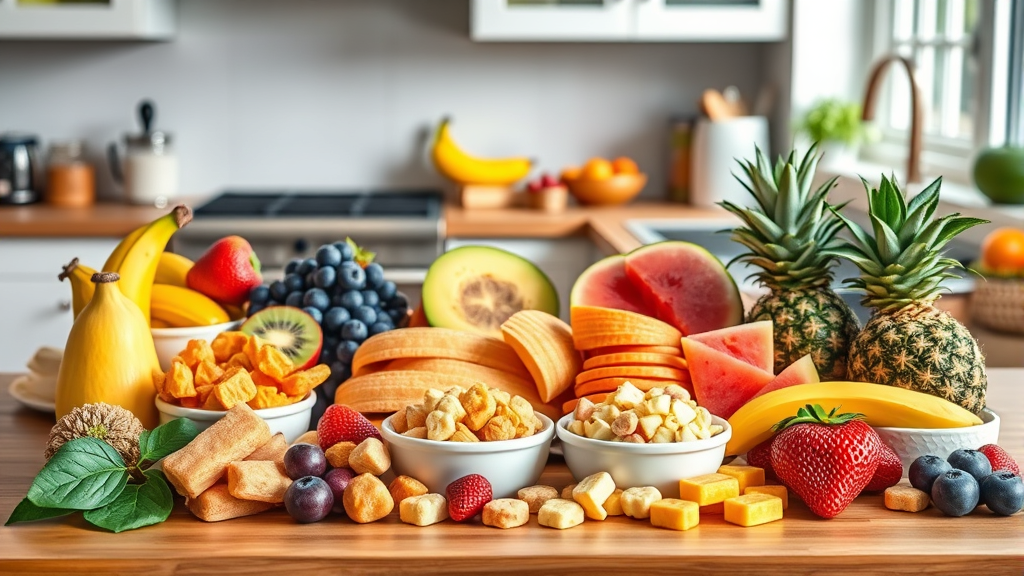
Fortunately, there are many safe and healthy alternatives to marshmallows that can satisfy your dog’s desire for treats without compromising their health. Fresh fruits make excellent natural sweet treats, with options like apple slices (without seeds), banana pieces, and blueberries providing vitamins and antioxidants along with natural sweetness.
Commercial dog treats specifically formulated for canine nutrition offer another safe option. Look for treats with limited ingredients, no artificial sweeteners, and appropriate sizing for your dog’s breed. Many pet stores now offer “birthday cake” flavored treats or other sweet options designed specifically for dogs.
Homemade alternatives can be both fun and healthy. Simple recipes using dog-safe ingredients like peanut butter (xylitol-free), oats, and pumpkin can create treats that satisfy your dog’s sweet tooth while providing nutritional benefits. Frozen treats made with plain yogurt and fruit can be particularly refreshing during warm weather.
The American Kennel Club provides extensive guidance on human foods that are safe for dogs, helping owners make informed decisions about treats and snacks. Remember that moderation is key even with safe alternatives, as treats should comprise no more than 10% of your dog’s daily caloric intake.
What to Do if Your Dog Eats Marshmallows
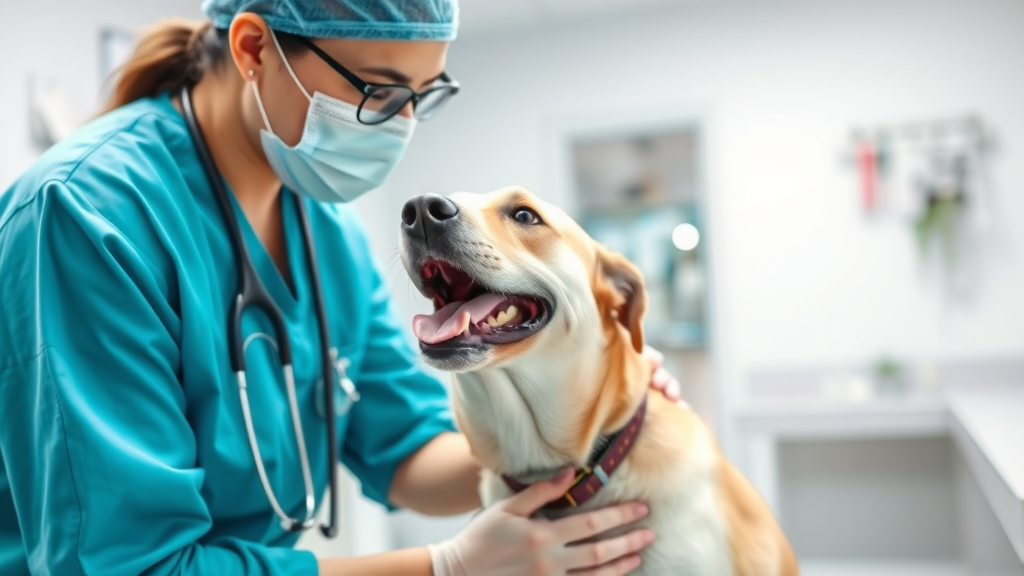
If your dog has consumed marshmallows, your response should depend on several factors: the quantity consumed, the size of your dog, the type of marshmallows, and whether they contained xylitol. For small amounts of regular marshmallows consumed by a large dog, monitoring for digestive upset may be sufficient.
However, if your dog consumed sugar-free marshmallows or you’re unsure about the ingredients, contact your veterinarian or emergency animal hospital immediately. Time is critical with xylitol poisoning, and early intervention can save your dog’s life. Don’t wait for symptoms to appear, as they may not manifest until significant damage has occurred.
Monitor your dog closely for signs of distress, including vomiting, diarrhea, lethargy, loss of appetite, or unusual behavior. Keep a sample of the marshmallow packaging to provide ingredient information to your veterinarian. Document the time of consumption and estimated quantity to help guide treatment decisions.
The ASPCA Animal Poison Control Center operates 24/7 and can provide immediate guidance for pet poisoning emergencies. While there may be a consultation fee, this service can provide life-saving advice when you can’t immediately reach your regular veterinarian.
Prevention and Training Tips
Prevention is always better than treatment when it comes to keeping your dog safe from harmful foods. Start by securing all marshmallows and other potentially dangerous treats in closed cabinets or containers that your dog cannot access. This is particularly important during camping trips or gatherings where marshmallows might be more readily available.
Training your dog to “leave it” or “drop it” can be invaluable in preventing accidental consumption of harmful foods. Practice these commands regularly with various objects and reward compliance with appropriate dog treats. Consistency and positive reinforcement will help establish these important safety behaviors.
Educate family members and guests about foods that are dangerous for dogs. Create a list of dog-safe and unsafe foods to post in your kitchen, and ensure everyone understands the importance of not feeding table scraps to your pet. This education extends to other questionable foods like whether dogs can drink milk or consume other dairy products.
Consider creating designated dog-treat areas in your home and establishing rules about when and where dogs can receive treats. This helps prevent accidental feeding of inappropriate foods and maintains structure around your dog’s diet. Regular meal schedules and appropriate portion sizes can also reduce your dog’s tendency to beg for human food.
Frequently Asked Questions
Can dogs eat just one marshmallow safely?
While a single regular marshmallow is unlikely to cause serious harm to a large dog, it’s still not recommended. Even one marshmallow provides empty calories and sugar that can contribute to dental problems and digestive upset. The risk increases significantly if the marshmallow contains xylitol or if your dog is small, diabetic, or has existing health issues.
What should I do if my dog ate sugar-free marshmallows?
Contact your veterinarian or emergency animal hospital immediately. Sugar-free marshmallows often contain xylitol, which is extremely toxic to dogs and can be fatal. Don’t wait for symptoms to appear, as xylitol poisoning requires immediate medical intervention. Bring the marshmallow packaging to help identify specific ingredients and guide treatment.
Are there any marshmallows that are safe for dogs?
No commercially available marshmallows are truly safe or beneficial for dogs. All contain high amounts of sugar and artificial ingredients that can cause health problems. Instead of looking for “safe” marshmallows, focus on dog-specific treats or natural alternatives like small pieces of fruit that provide nutritional value along with sweetness.
How do marshmallows compare to other human foods dogs shouldn’t eat?
Marshmallows fall into a middle category of concern – not immediately toxic like chocolate or grapes, but not safe either. They’re similar to other high-sugar human foods in terms of health risks. The danger level increases dramatically if they contain xylitol. Like questions about whether dogs can have cashews or dogs can eat bacon, the answer involves considering multiple risk factors.
Can marshmallows cause choking in dogs?
Yes, marshmallows can pose a choking hazard, especially for smaller dogs or those who eat quickly. Their sticky, chewy texture can become lodged in a dog’s throat or wrap around teeth. Additionally, large marshmallows can expand when wet, potentially causing intestinal blockage if swallowed whole.
What are the signs of xylitol poisoning in dogs?
Signs of xylitol poisoning typically appear within 10-60 minutes and include vomiting, loss of coordination, weakness, lethargy, and collapse. In severe cases, dogs may experience seizures or fall into a coma. The American Veterinary Medical Association emphasizes that immediate veterinary treatment is crucial for survival.
How can I satisfy my dog’s sweet tooth safely?
Dogs don’t actually need sweet treats, but you can safely indulge them with small pieces of dog-safe fruits like blueberries, apple slices (without seeds), or banana. Commercial dog treats designed to taste sweet, frozen treats made with plain yogurt and fruit, or homemade treats using dog-safe ingredients like peanut butter and oats are all better alternatives to marshmallows.





