
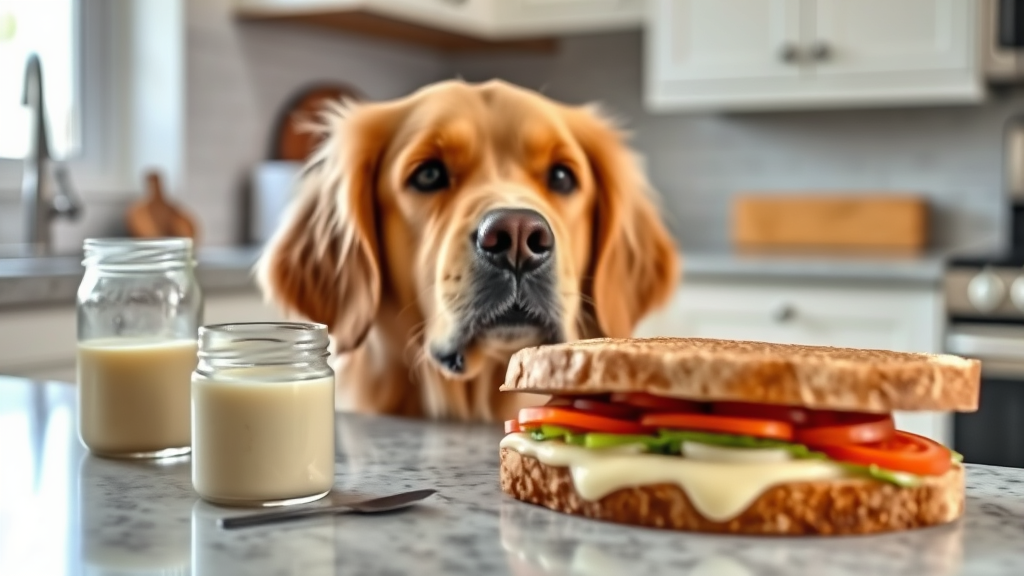
As a loving dog parent, you’ve probably found yourself wondering about the safety of various human foods for your furry friend. One common question that arises, especially during sandwich-making or meal preparation, is whether mayonnaise is safe for dogs to consume. While that creamy, tangy condiment might be a staple in your kitchen, understanding its impact on your canine companion’s health is crucial for responsible pet ownership.
The short answer is that while mayonnaise isn’t toxic to dogs, it’s not recommended as a regular treat due to its high fat content and potential health risks. Many commercial mayonnaises contain ingredients that could cause digestive upset or contribute to long-term health issues in dogs. Let’s dive deeper into the specifics of mayonnaise and its effects on our four-legged family members.
What Is Mayonnaise and Its Main Ingredients
Mayonnaise is an emulsified condiment typically made from egg yolks, oil, vinegar or lemon juice, and various seasonings. The FDA regulates mayonnaise composition, requiring it to contain at least 65% vegetable oil by weight. Commercial varieties often include additional ingredients like sugar, salt, preservatives, and flavor enhancers.
The creamy texture and rich taste come from the emulsification process, where egg yolks act as a natural emulsifier to bind oil and acidic components together. Understanding these basic ingredients is essential when evaluating whether mayonnaise is appropriate for your dog’s diet, as each component can affect your pet differently.
Different brands may use varying types of oils, from soybean and canola to olive oil, and some premium versions include additional herbs, spices, or preservatives that could impact your dog’s digestive system.
Can Dogs Safely Eat Mayonnaise?
While mayonnaise isn’t inherently toxic to dogs like chocolate or grapes, it’s not considered safe for regular consumption. The primary concern lies in its extremely high fat content, which can range from 70-80% of the total product. Dogs have different dietary requirements than humans, and their digestive systems aren’t designed to process such high-fat foods efficiently.
Occasional tiny amounts of plain mayonnaise are unlikely to cause immediate harm to most healthy dogs, but even small quantities can trigger digestive upset in sensitive pets. The American Veterinary Medical Association emphasizes the importance of maintaining appropriate nutritional balance in pet diets, which high-fat condiments like mayonnaise can disrupt.
Some dogs may be more susceptible to mayonnaise-related issues due to pre-existing conditions, age, or breed-specific sensitivities. Smaller dogs are particularly at risk because even tiny amounts represent a larger percentage of their daily caloric intake.
Potential Health Risks of Mayonnaise for Dogs
The high fat content in mayonnaise poses several serious health risks for dogs. Pancreatitis, an inflammation of the pancreas, is one of the most concerning potential consequences. This painful condition can range from mild discomfort to life-threatening complications requiring immediate veterinary intervention.
Obesity is another significant risk, as mayonnaise is extremely calorie-dense. Just one tablespoon contains approximately 90-100 calories, which could represent 10-20% of a small dog’s daily caloric needs. Regular consumption of high-fat foods like mayonnaise can contribute to rapid weight gain and associated health problems including diabetes, joint issues, and cardiovascular disease.
Gastrointestinal upset is common when dogs consume mayonnaise, manifesting as diarrhea, vomiting, excessive gas, or stomach pain. Some dogs may experience these symptoms within hours of consumption, while others might show delayed reactions. The American Kennel Club provides comprehensive guidance on safe foods for dogs and emphasizes avoiding high-fat human foods.
Breaking Down Mayonnaise Ingredients
Let’s examine each component of mayonnaise and its potential impact on dogs. Egg yolks, while generally safe for dogs when cooked, can pose salmonella risks in raw form. However, since you might wonder about can dogs eat eggs in general, it’s worth noting that properly prepared eggs can be beneficial for dogs.
The oils used in mayonnaise vary significantly between brands. While some dogs can tolerate small amounts of certain oils like can dogs have olive oil, the concentration and type matter greatly. Many commercial mayonnaises use soybean or canola oil, which aren’t harmful in minimal quantities but become problematic due to the volume present.
Vinegar and lemon juice, the acidic components, can cause stomach irritation in dogs, especially those with sensitive digestive systems. Salt content varies among brands but even moderate amounts can be excessive for dogs, potentially leading to sodium ion poisoning in severe cases.
Preservatives and additives in commercial mayonnaise present additional concerns. Ingredients like EDTA, natural flavors, and various stabilizers haven’t been extensively studied for their effects on dogs, making it safer to avoid these compounds altogether.
Safe Portions and Frequency Guidelines
If your dog accidentally consumes mayonnaise or you’re considering offering a tiny taste, understanding safe portions is crucial. For healthy adult dogs weighing over 20 pounds, a small lick or taste (less than 1/4 teaspoon) is unlikely to cause immediate problems, though it’s still not recommended.
Smaller dogs, puppies, senior dogs, or those with health conditions should avoid mayonnaise entirely. Their systems are more sensitive to dietary changes and high-fat foods, making even minimal amounts potentially problematic. Never offer mayonnaise to dogs with known pancreatitis, diabetes, or obesity issues.
Frequency matters as much as portion size. Even if a single small taste doesn’t cause obvious issues, repeated exposure to high-fat foods can lead to cumulative health problems. The Humane Society recommends keeping human food treats to less than 10% of your dog’s total daily calories, and mayonnaise should represent far less than this if offered at all.
Always monitor your dog closely after any mayonnaise consumption, regardless of the amount. Individual dogs react differently, and what seems harmless for one pet could cause significant distress for another.
Healthier Alternatives to Mayonnaise
Instead of mayonnaise, consider dog-friendly alternatives that can add flavor and moisture to your pet’s meals without the associated risks. Plain, cooked can dogs eat scrambled eggs prepared without oil, salt, or seasonings can provide similar richness with better nutritional value.
Small amounts of plain Greek yogurt (without artificial sweeteners) can offer probiotics and protein while adding creamy texture to dog food. However, ensure your dog isn’t lactose intolerant before introducing any dairy products. Bone broth, when prepared without onions, garlic, or excessive salt, provides moisture and flavor enhancement.
For dogs who enjoy the tangy aspect of mayonnaise, a tiny amount of plain pumpkin puree (not pie filling) can add interesting flavor while providing beneficial fiber and nutrients. Some pet stores also offer dog-specific condiments designed to be safe and nutritious for canine consumption.
When preparing food for your dog, focus on simple, whole ingredients rather than processed condiments. Fresh herbs like parsley (in moderation) or a small amount of coconut oil can enhance meals without the risks associated with mayonnaise.
Warning Signs After Consumption
If your dog has consumed mayonnaise, monitoring for adverse reactions is essential. Immediate symptoms to watch for include vomiting, diarrhea, excessive drooling, restlessness, or signs of abdominal pain such as hunching, whining, or reluctance to move.
Delayed symptoms might appear within 12-48 hours and could include lethargy, loss of appetite, continued digestive upset, or behavioral changes. More serious signs requiring immediate veterinary attention include severe vomiting or diarrhea, signs of dehydration, difficulty breathing, or collapse.
Unlike other condiments you might wonder about, such as whether can dogs eat mustard or can dogs eat ketchup, mayonnaise reactions are typically related to fat content rather than toxic ingredients, but this doesn’t make them less serious.
Keep a record of what and how much your dog consumed, along with the timeline of any symptoms. This information will be valuable if veterinary consultation becomes necessary. The ASPCA Animal Poison Control Center provides 24/7 guidance for pet poisoning emergencies.
Remember that some dogs may not show immediate symptoms but could develop problems hours or days later, particularly if they consumed a significant amount or have underlying health conditions.
Frequently Asked Questions
Is it okay if my dog licked mayonnaise off my sandwich?
A small lick of mayonnaise is unlikely to cause serious harm to most healthy dogs, but monitor them for any digestive upset over the next 24-48 hours. Watch for symptoms like vomiting, diarrhea, or unusual lethargy. If your dog shows any concerning signs or if they consumed a larger amount, contact your veterinarian for guidance.
Can I give my dog homemade mayonnaise instead of store-bought?
Homemade mayonnaise is not safer for dogs than commercial versions. In fact, it may pose additional risks due to raw eggs, which could contain salmonella bacteria. The high fat content remains the primary concern regardless of whether the mayonnaise is homemade or store-bought. It’s best to avoid giving dogs any type of mayonnaise.
What should I do if my dog ate a large amount of mayonnaise?
If your dog consumed a significant amount of mayonnaise, contact your veterinarian immediately or call an animal poison control hotline. Large quantities can trigger pancreatitis or severe digestive upset. Don’t induce vomiting unless specifically instructed by a veterinary professional, as this could worsen the situation in some cases.
Are there any dog breeds that are more sensitive to mayonnaise?
While all dogs should avoid mayonnaise, some breeds are more susceptible to pancreatitis and dietary sensitivities. Breeds like Miniature Schnauzers, Yorkshire Terriers, and Cocker Spaniels have higher predispositions to pancreatitis. Additionally, smaller breeds are at greater risk because even small amounts represent a larger percentage of their daily caloric needs.
Can mayonnaise cause long-term health problems in dogs?
Regular consumption of mayonnaise can contribute to obesity, pancreatitis, and other health issues in dogs. Even occasional treats with high-fat foods can accumulate over time, leading to weight gain and associated problems like diabetes, joint issues, and heart disease. The National Center for Biotechnology Information has published research on dietary fat’s impact on canine health, emphasizing moderation in fat intake.
Is light or low-fat mayonnaise safer for dogs?
Light or low-fat mayonnaise is still not recommended for dogs. While these products contain less fat, they often include additional artificial ingredients, sweeteners, or preservatives that could be harmful to dogs. Some low-fat versions contain xylitol, an artificial sweetener that is extremely toxic to dogs and can cause life-threatening hypoglycemia.
What about mayonnaise-based foods like potato salad or coleslaw?
Foods containing mayonnaise, such as potato salad, coleslaw, or chicken salad, are even more dangerous for dogs than plain mayonnaise. These dishes often contain additional harmful ingredients like onions, garlic, grapes, or excessive salt. Many also include seasonings and preservatives that can be toxic to dogs. Never share these mayonnaise-based foods with your pet, and be especially careful about can dogs have avocado oil if the dish contains avocado-based ingredients.





