

Can Dogs Have Oat Milk? Safety and Benefits Explained
If you’re scrolling through your local coffee shop’s menu or restocking your kitchen pantry, you’ve probably noticed oat milk everywhere. It’s creamy, it’s trendy, and it’s become a staple for millions of people looking for dairy alternatives. But here’s the question that’s probably crossed your mind while watching your furry best friend’s eyes light up as you sip your oat milk latte: can dogs have oat milk too?
The short answer is yes—most dogs can safely enjoy oat milk in moderation. However, there’s a lot more to this story. While oat milk is generally considered a safer alternative than regular dairy milk for many pups, it’s not quite the miracle drink some pet parents might hope for. Understanding the nuances between oat milk and other options, knowing what to watch for, and learning how to introduce it properly can help you make the best decision for your canine companion.
Whether you’re considering oat milk as an occasional treat, a topper for your dog’s food, or simply out of curiosity about what your pup can and cannot consume, this comprehensive guide will walk you through everything you need to know about oat milk and your dog’s health.
What Is Oat Milk?
Before we dive into whether your dog can have oat milk, let’s talk about what it actually is. Oat milk is a plant-based beverage made by blending oats with water and then straining out the solids. The result is a creamy, milk-like liquid that’s become increasingly popular as a dairy alternative for humans. Unlike regular milk, which comes from cows and contains lactose, oat milk is naturally lactose-free and vegan-friendly.
The typical composition of oat milk includes water, oats, and often a variety of additives. Many commercial oat milk brands include thickeners like gellan gum or guar gum to achieve that creamy texture, plus added vitamins and minerals like calcium and vitamin D to match the nutritional profile of dairy milk. Some brands also add sweeteners, flavoring agents, or oils to enhance taste and shelf stability.
When you look at the ingredient list on your favorite oat milk carton, you might see things like “oat flour,” “tapioca starch,” or “sunflower lecithin.” These ingredients are generally recognized as safe for dogs, but the devil is in the details—especially when it comes to added sugars and certain additives that we’ll explore later in this article.
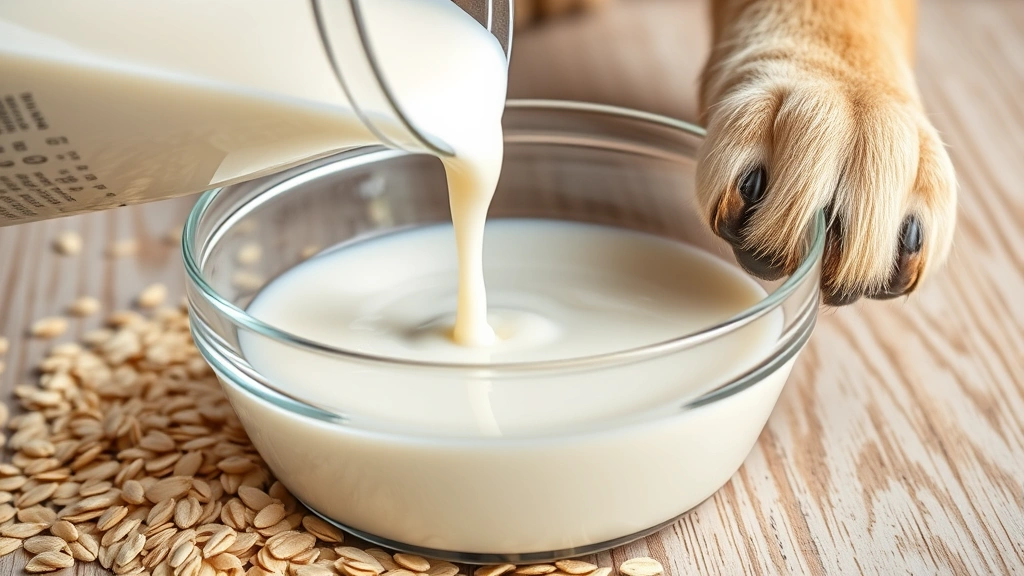
Is Oat Milk Safe for Dogs?
The good news for dog owners is that oat milk is generally considered safe for most dogs when given occasionally and in small quantities. Unlike regular cow’s milk, which many adult dogs struggle to digest due to lactose intolerance, oat milk doesn’t contain lactose, making it a more digestible option for your furry friend. In fact, oat milk is often recommended as a gentler alternative when you’re exploring what your dog can consume.
However, “safe” doesn’t automatically mean “beneficial” or “necessary.” Dogs don’t actually need milk or milk alternatives in their diet at all. A complete and balanced dog food should provide all the nutrients your pup requires to thrive. Oat milk is best viewed as an occasional treat rather than a dietary staple.
To understand why oat milk is safer than regular milk, it’s helpful to compare it with traditional dairy. When considering whether dogs can drink milk, veterinarians often express concern about lactose content. Adult dogs lack sufficient lactase enzymes to properly break down lactose, which can lead to digestive upset. Oat milk sidesteps this issue entirely. Additionally, almond milk and other plant-based alternatives present their own set of considerations that we’ll explore further.
The safety profile of oat milk also depends on whether your dog has any underlying health conditions or dietary sensitivities. Dogs with pancreatitis, obesity, or certain digestive issues might need to avoid oat milk due to its caloric content or other factors. This is why consulting with your veterinarian before introducing any new food or beverage is always a smart move.

Potential Benefits of Oat Milk
While oat milk isn’t a nutritional powerhouse for dogs, it does offer some potential benefits when served appropriately. Let’s break down what oat milk might provide for your canine companion.
Digestibility and Lactose-Free Nature
The most significant benefit of oat milk is that it’s lactose-free. If your dog has demonstrated sensitivity to regular dairy products, oat milk provides a way to occasionally offer a creamy treat without triggering digestive distress. Some dogs enjoy the taste and texture, making it a fun addition to their occasional treats.
Nutritional Content
Plain, unsweetened oat milk contains oats, which are a whole grain rich in fiber and various nutrients. Oats provide beta-glucans, a type of soluble fiber that may support digestive health and immune function. Many commercial oat milk products are fortified with vitamins and minerals like calcium and vitamin D, though these additions aren’t necessarily beneficial for dogs consuming it in small quantities.
Hydration Support
Since oat milk is primarily water, offering a small amount to your dog can contribute to their overall daily water intake. This can be particularly useful for dogs that don’t drink enough water throughout the day, though plain water is always the preferred choice.
Palatability for Picky Eaters
Some dogs are notoriously finicky eaters. A small amount of oat milk drizzled over their regular food or used to moisten kibble might encourage a picky pup to eat their meals. This can be especially helpful for senior dogs or those recovering from illness.
Risks and Concerns
While oat milk is generally safe for dogs, there are several important considerations and potential risks you should be aware of before making it a regular part of your dog’s routine.
Added Sugars and Sweeteners
This is perhaps the most critical concern. Many commercial oat milk brands contain added sugars to improve taste and palatability. Some even contain artificial sweeteners like xylitol, which is highly toxic to dogs. Even one small amount of xylitol can cause severe hypoglycemia and liver damage in dogs. Always check the ingredient label carefully before giving any oat milk to your dog. Look for products labeled “unsweetened” to avoid hidden sugars.
Additives and Thickeners
Commercial oat milk often contains additives like guar gum, gellan gum, and carrageenan to achieve the right texture. While these are generally recognized as safe for dogs in small quantities, they can cause digestive upset in sensitive individuals. Some dogs might experience mild gastrointestinal distress, including diarrhea or vomiting, when first exposed to these additives.
Caloric Content
Oat milk contains calories—typically around 30-40 calories per 100ml depending on the brand. For small dogs or those prone to weight gain, these calories can add up quickly. If you’re offering oat milk as a treat, you should account for these calories within your dog’s daily caloric intake to prevent unintended weight gain.
Potential Allergies
While oat allergies are relatively uncommon in dogs, they can occur. Additionally, some oat milk products are processed in facilities that also handle wheat, nuts, and other allergens. If your dog has known grain sensitivities or allergies, oat milk might not be the best choice, even if oats themselves aren’t the problem.
Nutritional Imbalance
Oat milk lacks the complete amino acid profile that dogs need. If a dog consumed oat milk as a significant portion of their diet, it could potentially lead to nutritional imbalances. However, as an occasional treat in small quantities, this isn’t a practical concern.
Oat Milk vs. Other Milk Alternatives
To help you make an informed decision about oat milk, let’s compare it with other options your dog might encounter. Understanding how dogs can have milk in different forms helps contextualize oat milk’s place in your dog’s diet.
Oat Milk vs. Regular Cow’s Milk
Regular dairy milk contains lactose, which many adult dogs cannot properly digest. While puppies produce lactase enzymes to digest their mother’s milk, most adult dogs experience a decline in lactase production, leading to lactose intolerance. Oat milk sidesteps this issue entirely. However, regular milk does provide more bioavailable calcium and protein. For dogs without lactose intolerance, small amounts of regular milk are safe, but oat milk is a safer choice for lactose-sensitive pups.
Oat Milk vs. Almond Milk
When comparing options, whether dogs can drink almond milk is a common question. Almond milk contains more fat and protein than oat milk but is also higher in calories. Like oat milk, it’s lactose-free and generally safe for dogs when unsweetened. The choice between the two often comes down to which brand has fewer additives and which your dog tolerates better.
Oat Milk vs. Coconut Milk
Coconut milk is higher in fat than oat milk, which can be problematic for dogs with pancreatitis or obesity concerns. While small amounts are generally safe, oat milk is typically the better choice for most dogs due to its lower fat content.
Oat Milk vs. Dairy Alternatives Like Yogurt
If you’re interested in dairy products for your dog, whether dogs can have yogurt is worth exploring. Plain, unsweetened yogurt contains beneficial probiotics and is often better tolerated by dogs than regular milk due to lower lactose content. However, yogurt provides more protein and beneficial bacteria than oat milk. The choice depends on your dog’s specific needs and preferences.
How to Serve Oat Milk to Your Dog
Choosing the Right Product
If you’ve decided to offer oat milk to your dog, the first step is selecting an appropriate product. Look for oat milk that is:
- Unsweetened – Avoid any product with added sugars or artificial sweeteners, especially xylitol
- Free from additives – While not always possible, fewer additives mean fewer potential triggers for digestive upset
- Minimally processed – Simple ingredients like oats and water are ideal
- Certified safe – Check for any recalls or safety issues associated with the brand
Portion Guidelines
When introducing oat milk to your dog, start with very small amounts—think a tablespoon or two for a medium-sized dog. This allows you to monitor for any adverse reactions. If your dog tolerates it well after 24-48 hours, you can occasionally offer small amounts as a treat. For most dogs, oat milk should comprise no more than 10% of their daily caloric intake, and many veterinarians recommend keeping it to less than 5%.
Introduction Method
There are several ways to introduce oat milk to your dog:
- As a standalone treat – Offer a small amount in a bowl and allow your dog to lap it up
- Mixed with food – Add a small amount to their regular kibble or wet food to enhance palatability
- As a frozen treat – Mix unsweetened oat milk with dog-safe fruits or vegetables and freeze in ice cube trays for a refreshing summer treat
- In homemade dog treats – Use oat milk as a base for homemade dog biscuits or treats (ensure all ingredients are dog-safe)
Monitoring Your Dog’s Response
After introducing oat milk, watch for any signs of digestive upset, including diarrhea, vomiting, excessive gas, or changes in appetite. Most dogs tolerate oat milk well, but individual responses vary. If you notice any negative reactions, discontinue use and consult your veterinarian. Keep track of how much oat milk your dog consumes and ensure it’s not replacing more nutritious foods or water in their diet.
Understanding whether lactose intolerance is common in dogs can help you determine if oat milk is a good fit for your specific dog. If your dog has confirmed lactose intolerance, oat milk is an excellent occasional treat. If your dog has no issues with dairy, regular milk or yogurt might provide better nutritional value.
For additional nutritional guidance, the Association of American Feed Control Officials (AAFCO) provides standards for pet food nutrition. Additionally, consulting resources from the American Kennel Club (AKC) can provide breed-specific dietary considerations. The ASPCA also maintains helpful information about pet nutrition and safety.
While oat milk can be a fun occasional treat, remember that what dogs can eat should always be evaluated on a case-by-case basis. Every dog is unique, and what works wonderfully for one pup might not be ideal for another.
Frequently Asked Questions
Is oat milk toxic to dogs?
No, oat milk itself is not toxic to dogs. However, some commercial oat milk products contain xylitol or other artificial sweeteners that are toxic to dogs. Always read the ingredient label carefully before giving any oat milk to your dog, and choose only unsweetened varieties.
Can puppies have oat milk?
Puppies can technically have small amounts of unsweetened oat milk, but it’s not recommended as a regular part of their diet. Puppies require specific nutrients to support growth and development, and oat milk doesn’t provide a complete nutritional profile. Mother’s milk or a high-quality puppy formula is best for young dogs. Consult your veterinarian before introducing any new foods to puppies.
How much oat milk can I give my dog?
For most dogs, oat milk should be an occasional treat given in small amounts. A tablespoon or two for a medium-sized dog is appropriate. Oat milk should comprise no more than 10% of your dog’s daily caloric intake. Always consult your veterinarian about appropriate portion sizes for your specific dog.
Can oat milk cause diarrhea in dogs?
Yes, oat milk can cause diarrhea in some dogs, especially if they have a sensitive stomach or are not accustomed to the additives commonly found in commercial oat milk products. Start with very small amounts and monitor your dog’s digestive response. If diarrhea occurs, discontinue use and consult your veterinarian.
What should I do if my dog accidentally drinks a lot of oat milk?
If your dog accidentally consumes a large quantity of unsweetened oat milk, monitor them for signs of digestive upset like vomiting or diarrhea. If the oat milk contained xylitol or other sweeteners, contact your veterinarian or poison control immediately, as xylitol can be life-threatening. For unsweetened oat milk, most dogs will be fine, though they might experience mild stomach upset. Contact your vet if you notice concerning symptoms.
Is homemade oat milk safer than store-bought?
Homemade oat milk, made simply from oats and water, is an excellent option if you want to avoid commercial additives. However, it won’t have added vitamins and minerals like store-bought varieties. Homemade oat milk should still be given in small amounts as an occasional treat. The primary advantage is knowing exactly what ingredients are in it.
Can dogs with pancreatitis have oat milk?
Dogs with pancreatitis should avoid oat milk, as it contains fat and calories that can trigger or worsen pancreatitis symptoms. Always consult your veterinarian before introducing any new foods to dogs with pre-existing health conditions.
Is oat milk better than water for dogs?
No, water is always the best choice for hydrating your dog. While oat milk can contribute to daily water intake, it also contains calories and potential additives that water doesn’t. Water should remain your dog’s primary source of hydration. Oat milk is best reserved for occasional treats.





