

Many pet owners find themselves wondering about the safety of sharing various vegetables with their canine companions. When it comes to okra, this unique green pod vegetable raises important questions about canine nutrition and safety. Understanding whether dogs can safely consume okra requires careful consideration of its nutritional profile, potential benefits, and possible risks.
Okra, scientifically known as Abelmoschus esculentus, is a flowering plant valued for its edible seed pods. This vegetable is packed with vitamins, minerals, and fiber, making it a nutritious addition to human diets. However, what’s beneficial for humans isn’t always suitable for our four-legged friends, making it essential to examine okra’s compatibility with canine digestive systems and overall health.
Nutritional Profile of Okra
Okra contains numerous vitamins and minerals that contribute to its nutritional value. This green vegetable is rich in vitamin C, vitamin K, and folate, while also providing significant amounts of magnesium, potassium, and dietary fiber. The USDA FoodData Central database shows that okra contains antioxidants like beta-carotene and lutein, which support overall health in humans.
The vegetable’s high fiber content, approximately 3 grams per 100 grams of okra, can aid in digestive health. Additionally, okra contains mucilage, a gel-like substance that gives the vegetable its characteristic slimy texture when cooked. This compound has been studied for its potential benefits in managing blood sugar levels and supporting digestive health.
From a caloric standpoint, okra is relatively low in calories, containing about 33 calories per 100 grams. This makes it an attractive option for weight management in both humans and potentially in dogs. The vegetable also contains small amounts of protein and virtually no fat, contributing to its overall nutritional appeal.

Safety Considerations for Dogs
When considering can dogs eat okra, several safety factors must be evaluated. Generally, okra is considered safe for dogs when prepared and served appropriately. The vegetable doesn’t contain any compounds that are inherently toxic to canines, unlike some other foods that pose serious health risks.
However, the preparation method significantly impacts safety. Raw okra can be difficult for dogs to digest and may cause gastrointestinal upset in some animals. The tough, fibrous texture of raw okra pods can also present a choking hazard, particularly for smaller dogs. Additionally, the seeds within okra pods, while not toxic, can be challenging for some dogs to process.
Seasoning and cooking methods present another consideration. Okra prepared with garlic, onions, excessive salt, or other seasonings commonly used in human cooking can be harmful to dogs. The American Society for the Prevention of Cruelty to Animals (ASPCA) emphasizes the importance of avoiding these additives when sharing human foods with pets.
Potential Health Benefits
When properly prepared and served in moderation, okra can offer several health benefits for dogs. The high fiber content supports healthy digestion and can help regulate bowel movements. This benefit is particularly valuable for dogs experiencing mild digestive issues or those prone to constipation.
The antioxidants present in okra, including vitamin C and beta-carotene, may contribute to immune system support and cellular health. These compounds help combat free radicals and oxidative stress, potentially supporting overall wellness in dogs. However, it’s important to note that dogs produce their own vitamin C, so supplementation through diet is less critical than it is for humans.
Okra’s potassium content supports heart health and proper muscle function. The magnesium present in the vegetable contributes to bone health and various metabolic processes. These minerals work together to support overall physiological function, though they should be considered as part of a balanced diet rather than primary sources of nutrition.
Similar to how dogs can eat broccoli for additional nutrients, okra can serve as an occasional nutritious treat. The low calorie content makes it suitable for dogs on weight management programs, provided it’s incorporated thoughtfully into their overall caloric intake.
Safe Preparation Methods
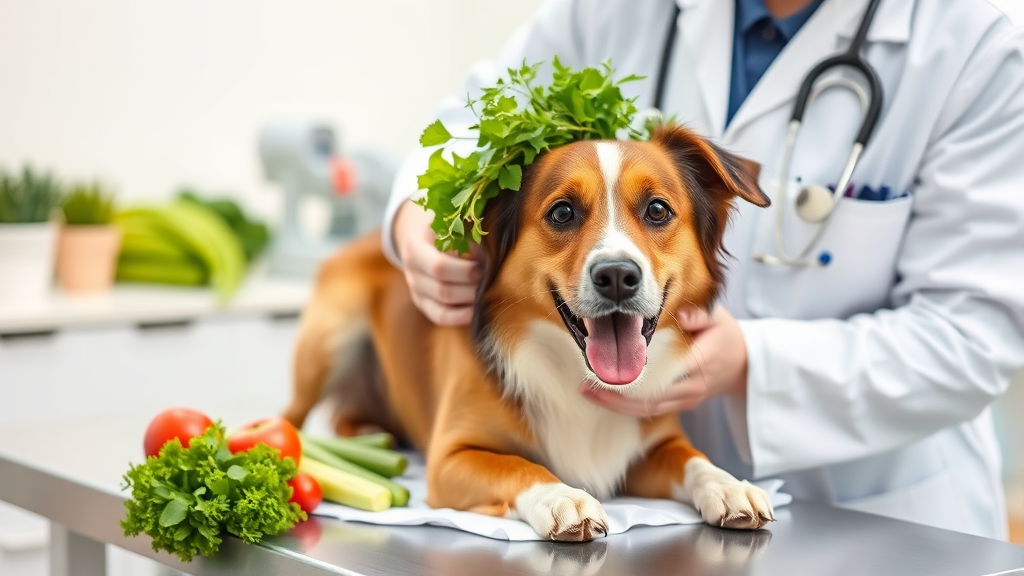
Proper preparation is crucial when serving okra to dogs. The safest method involves thoroughly washing fresh okra pods and removing both ends, including the stem and tip. Cutting the okra into small, manageable pieces reduces choking risk and makes digestion easier for dogs of all sizes.
Steaming or boiling okra until tender represents the ideal cooking method for dogs. These techniques soften the vegetable’s fibrous texture without adding harmful fats or seasonings. Cooking times typically range from 10-15 minutes, depending on the size of the pieces. The okra should be soft enough to pierce easily with a fork but not mushy.
Avoid frying, sautéing with oils, or adding any seasonings, spices, or sauces. Plain, cooked okra provides the safest option for canine consumption. Allow the cooked okra to cool completely before serving to prevent burns or thermal injury to your dog’s mouth and throat.
Some pet owners prefer to puree cooked okra, especially for smaller dogs or those with dental issues. This preparation method eliminates choking hazards and can be easier to digest. The puree can be mixed with your dog’s regular food or served as a standalone treat.
Serving Size and Frequency Guidelines
Moderation remains key when introducing okra into your dog’s diet. For most dogs, okra should comprise no more than 10% of their daily caloric intake, following the general rule for treats and supplemental foods recommended by veterinary nutritionists.
Small dogs (under 25 pounds) should receive no more than 1-2 small pieces of cooked okra per serving, while medium dogs (25-60 pounds) can safely consume 2-4 pieces. Large dogs (over 60 pounds) may have up to 4-6 pieces per serving. These portions should be offered no more than 2-3 times per week to prevent digestive upset.
Start with even smaller portions when first introducing okra to gauge your dog’s tolerance and reaction. Some dogs may experience mild gastrointestinal upset when trying new foods, even safe ones. Monitor your pet for any changes in appetite, bowel movements, or behavior after introducing okra.
The American Veterinary Medical Association recommends consulting with your veterinarian before making significant dietary changes or introducing new foods, especially for dogs with existing health conditions or dietary sensitivities.
Alternative Vegetable Options
While okra can be a safe occasional treat, numerous other vegetables offer similar or superior nutritional benefits for dogs. Dogs can eat cauliflower as another low-calorie, nutrient-rich option that’s often easier to prepare and digest.
Zucchini for dogs provides excellent hydration and fiber content while being naturally low in calories. Similarly, squash varieties offer beta-carotene and fiber in easily digestible forms that many dogs find palatable.
Green vegetables like Brussels sprouts provide similar nutritional benefits but may be more readily available and familiar to pet owners. Carrots remain one of the most popular and safest vegetable treats for dogs, offering crunch, nutrients, and natural teeth-cleaning properties.
For dogs who enjoy variety in their vegetable treats, asparagus and collard greens can provide different textures and nutritional profiles while maintaining safety when properly prepared.
Warning Signs to Watch For
Despite okra’s general safety for dogs, pet owners should remain vigilant for potential adverse reactions. Gastrointestinal upset represents the most common concern, manifesting as loose stools, diarrhea, vomiting, or excessive gas. These symptoms typically appear within 6-24 hours of consumption.
Allergic reactions, while rare, can occur with any new food. Signs include itching, hives, facial swelling, or difficulty breathing. These symptoms require immediate veterinary attention. The PetMD database provides comprehensive information about recognizing allergic reactions in dogs.
Choking represents another potential risk, particularly with improperly prepared okra. Signs include pawing at the mouth, excessive drooling, difficulty swallowing, or distressed breathing. If choking is suspected, immediate veterinary intervention is necessary.
Changes in appetite, lethargy, or unusual behavior following okra consumption should prompt consultation with a veterinarian. While these symptoms may not indicate serious problems, they warrant professional evaluation to ensure your dog’s safety and well-being.
Some dogs may experience increased thirst or urination due to okra’s fiber content and natural diuretic properties. While usually harmless, significant changes in drinking or urination patterns should be discussed with your veterinarian.
Frequently Asked Questions
Can dogs eat raw okra safely?
While raw okra isn’t toxic to dogs, it’s not recommended due to its tough, fibrous texture that can be difficult to digest and potentially cause choking. Raw okra may also cause gastrointestinal upset in sensitive dogs. Cooking okra makes it safer and more digestible for canine consumption.
How much okra can I give my dog?
The amount of okra depends on your dog’s size. Small dogs should receive 1-2 small pieces, medium dogs can have 2-4 pieces, and large dogs may consume 4-6 pieces per serving. Okra should not exceed 10% of your dog’s daily caloric intake and should be offered no more than 2-3 times per week.
Are okra seeds dangerous for dogs?
Okra seeds are not toxic to dogs, but they can be difficult to digest and may cause mild gastrointestinal upset in some animals. While not dangerous, removing seeds or choosing younger okra pods with smaller, softer seeds can minimize potential digestive issues.
What’s the best way to prepare okra for dogs?
Steam or boil okra until tender, typically 10-15 minutes, without adding any seasonings, oils, or spices. Cut the okra into small, manageable pieces appropriate for your dog’s size. Allow it to cool completely before serving. Plain, cooked okra is the safest preparation method.
Can okra cause allergic reactions in dogs?
While uncommon, dogs can develop allergic reactions to okra just like any new food. Signs include itching, hives, facial swelling, vomiting, or difficulty breathing. If you notice any of these symptoms after your dog consumes okra, discontinue feeding it immediately and consult your veterinarian.
Is okra better than other vegetables for dogs?
Okra offers nutritional benefits including fiber, vitamins, and antioxidants, but it’s not necessarily superior to other dog-safe vegetables like carrots, green beans, or sweet potatoes. The best vegetable choices depend on your dog’s individual needs, preferences, and any dietary restrictions recommended by your veterinarian.
Should I consult my vet before giving my dog okra?
It’s always wise to consult your veterinarian before introducing new foods, especially if your dog has existing health conditions, food allergies, or dietary restrictions. Your vet can provide personalized advice based on your dog’s specific health needs and current diet. According to the American Kennel Club, professional guidance helps ensure safe dietary additions for your pet.





