
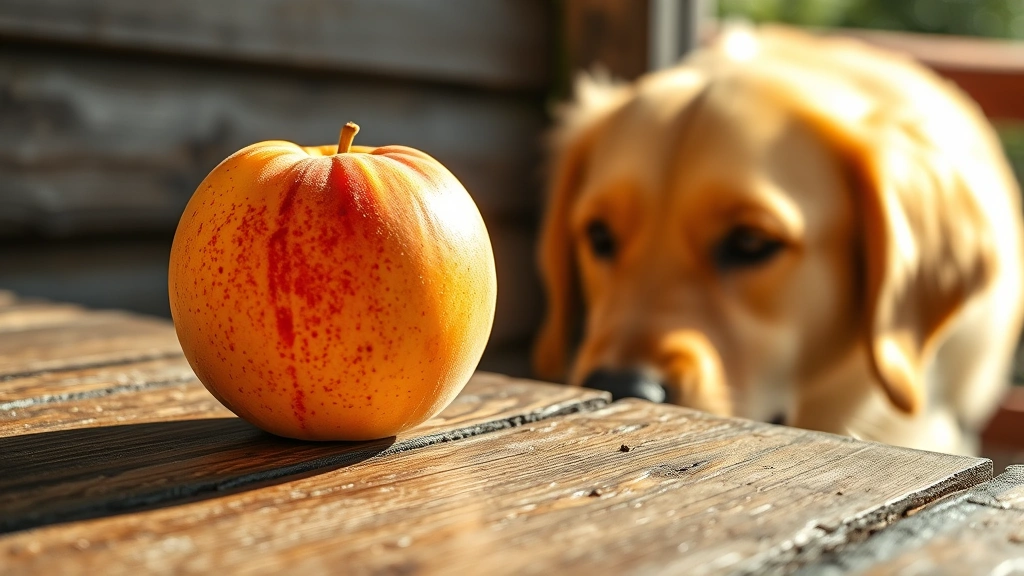
Can Dogs Eat Peaches? What You Need to Know
Ah, peach season—that glorious time of year when fuzzy, golden fruits fill farmers’ markets and backyard trees. If you’re a dog parent who loves sharing your summer treats with your furry best friend, you’ve probably wondered: can dogs eat peaches? The answer is nuanced, and understanding the details can mean the difference between a healthy snack and a trip to the vet.
The good news? Yes, dogs can have peaches, but there’s definitely a “but” attached. While peaches offer some nutritional benefits, they also come with potential risks that every responsible pet owner should understand. Whether you’re planning a summer picnic with your pup or simply want to offer them a refreshing treat on a hot day, this comprehensive guide will walk you through everything you need to know about feeding peaches to your canine companion.
Let’s dig into the juicy details (pun intended) and ensure your dog stays safe while enjoying this seasonal favorite.
Can Dogs Have Peaches?
The straightforward answer is yes—dogs can eat peaches in moderation. However, moderation is the operative word here. Peaches are not toxic to dogs, which means they won’t cause immediate poisoning like some fruits and foods can. That said, they’re not exactly a nutritional powerhouse for your pup either, and there are specific precautions you must take before offering them.
Your dog’s digestive system isn’t designed to process large quantities of fruit. Unlike humans, dogs are primarily carnivorous and don’t require fruits and vegetables to thrive. When you offer peaches or any fruit, think of it as an occasional treat rather than a dietary staple. Most veterinarians recommend that treats—including fruits—should comprise no more than 10% of your dog’s daily caloric intake.
It’s also worth noting that peaches are good for dogs only when prepared correctly. The preparation method matters significantly, and certain parts of the peach must be removed entirely before your dog takes a single bite.
Nutritional Benefits of Peaches for Dogs
While peaches shouldn’t be a dietary staple, they do offer some legitimate nutritional benefits when given appropriately. Understanding what makes peaches worthwhile can help you make informed decisions about your dog’s diet.
Vitamin A and C Content: Peaches contain both vitamin A and vitamin C, which support immune function and eye health in dogs. Vitamin A is particularly important for maintaining your dog’s vision and skin health, while vitamin C acts as an antioxidant.
Fiber for Digestive Health: The flesh of a peach contains dietary fiber, which can support digestive regularity. For dogs with occasional constipation, a small amount of peach flesh might help, though it’s never a substitute for veterinary advice.
Natural Hydration: Peaches are approximately 89% water, making them a hydrating treat on hot summer days. This can be particularly appealing for dogs who don’t drink enough water, though whole water is always preferable.
Low in Calories: A medium peach contains only about 58 calories, making it a relatively low-calorie treat option compared to commercial dog treats. This makes peaches an attractive option for weight-conscious dog parents managing their pup’s figure.
However, here’s where we need to pump the brakes: these benefits are modest at best. If your dog needs more vitamin A, C, or fiber, there are safer and more appropriate options available. Before adding any new foods to your dog’s diet, consult with your veterinarian about whether it aligns with your specific dog’s nutritional needs.
Risks and Concerns
Now we arrive at the critical part—the reasons why you need to be cautious about peaches. Understanding these risks is absolutely essential for keeping your furry friend safe.
The Peach Pit Danger: This cannot be overstated: peach pits are a serious hazard. The pit is a choking risk and can cause intestinal obstruction if swallowed. Additionally, peach pits contain amygdalin, a compound that breaks down into cyanide when digested. While a single pit might not cause severe poisoning in a large dog, it’s a risk that’s simply not worth taking. Always remove the pit completely before offering any peach to your dog.
Cyanide Toxicity: The flesh of the peach itself is safe, but the pit and the leaves of the peach tree contain cyanide compounds. Plums have similar concerns, so it’s worth familiarizing yourself with stone fruit safety in general. Signs of cyanide poisoning include difficulty breathing, dilated pupils, and brick-red gums. If you suspect your dog has consumed a peach pit, contact your veterinarian or ASPCA Animal Poison Control immediately.
Sugar Content: While peaches aren’t loaded with sugar compared to candy or desserts, they do contain natural sugars. For dogs with diabetes, obesity, or other metabolic conditions, even modest sugar intake matters. Always discuss dietary additions with your vet if your dog has any health conditions.
Digestive Upset: Some dogs have sensitive digestive systems that don’t tolerate fruit well. Introducing peaches might cause diarrhea, vomiting, or gastrointestinal discomfort. Always introduce any new food gradually and in small quantities to monitor your dog’s reaction.
Pesticide Residue: If the peaches aren’t organic, they may carry pesticide residue. Thoroughly washing peaches under running water can help reduce this risk, but it doesn’t eliminate it entirely. When possible, choose organic peaches for your dog.

How to Safely Serve Peaches to Your Dog
If you’ve decided that peaches are appropriate for your dog and your veterinarian has given the green light, follow these guidelines to minimize risks:
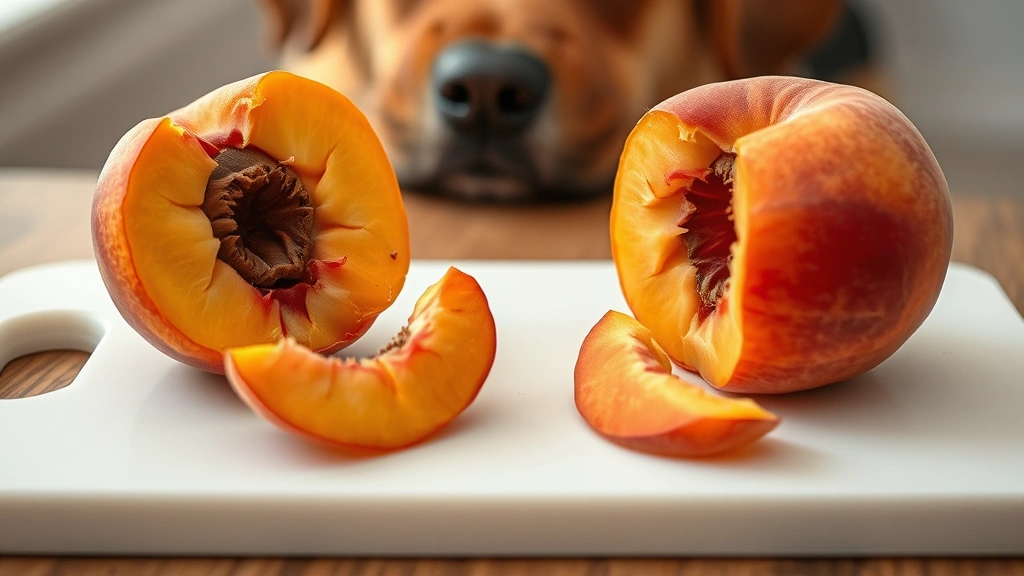
- Remove the Pit Completely: Cut the peach in half and remove the pit entirely. Check carefully to ensure no pit fragments remain embedded in the flesh. This is non-negotiable.
- Wash Thoroughly: Rinse the peach under cool running water to remove dirt and potential pesticide residue.
- Remove the Skin (Optional but Recommended): While peach skin isn’t toxic, it can be difficult for some dogs to digest. Peeling the peach makes it easier on your dog’s digestive system.
- Cut into Appropriate Sizes: Cut the peach into small, bite-sized pieces appropriate for your dog’s size. This reduces choking risk and makes it easier to monitor consumption.
- Start Small: Offer just a small piece on the first occasion and wait 24 hours to monitor for any adverse reactions before offering more.
- Limit Frequency: Treat peaches as an occasional indulgence, not a regular snack. Once or twice a week in small quantities is reasonable for most dogs.
Remember, what fruits are safe for dogs is an important question to research before introducing anything new to your pup’s diet.
Preparation Tips and Best Practices
Going beyond basic safety, here are some additional tips to make peach treats even better for your dog:
Freeze for Summer Refreshment: Cut peaches into small pieces and freeze them. On hot summer days, frozen peach chunks can be a refreshing treat that also helps keep your dog cool. Plus, the frozen texture makes them harder to swallow whole, adding an extra safety layer.
Mix with Dog-Safe Foods: Combine small peach pieces with plain yogurt (xylitol-free) or unsweetened applesauce for a more interesting treat. This also dilutes the sugar content slightly.
Create Homemade Treats: If you’re crafty, you can make dog-friendly peach treats by baking small portions with dog-safe ingredients. Just ensure you’re not adding sugar, artificial sweeteners, or other harmful ingredients.
Monitor Your Individual Dog: Every dog is unique. What works wonderfully for one dog might upset another’s stomach. Pay attention to how your specific dog responds to peaches and adjust accordingly.
Avoid Canned Peaches: Canned peaches often contain added sugars and syrups that aren’t appropriate for dogs. Stick to fresh peaches whenever possible, or if you must use canned, rinse them thoroughly to remove syrup.
Never Offer Peach Jam or Preserves: These products contain added sugars and sometimes xylitol, an artificial sweetener that’s toxic to dogs. Always stick to plain, fresh peaches.
Fruit Alternatives to Consider
If you want to offer your dog fruit treats but are concerned about peaches specifically, several alternatives are safer and easier to prepare:
Apples: Apricots are another option, though like peaches, they require pit removal. Apples (without seeds) are generally easier to serve and widely tolerated.
Bananas: These are soft, easy to portion, and most dogs enjoy them. They’re higher in potassium and lower in water content than peaches.
Blueberries: Small, bite-sized, and packed with antioxidants, blueberries are an excellent fruit choice for dogs. No preparation needed beyond rinsing.
Watermelon: Seedless watermelon is hydrating and low in calories. It’s particularly good for hot days.
Strawberries: Safe and well-tolerated by most dogs, though they should be cut into smaller pieces for safety.
For a comprehensive overview, check out our guide on what fruits are safe for dogs to explore all your options.
According to the American Kennel Club’s guidance on fruit for dogs, moderation and proper preparation are key factors in safe fruit feeding.
Frequently Asked Questions
Can puppies eat peaches?
Puppies have more sensitive digestive systems than adult dogs, so it’s best to avoid offering peaches until they’re at least a year old. Always consult your veterinarian before introducing any new foods to a puppy’s diet. Their nutritional needs are very specific, and fruits aren’t necessary for their development.
What should I do if my dog eats a peach pit?
This is a medical emergency. Contact your veterinarian or Pet Poison Helpline immediately. Don’t wait to see if symptoms develop. Provide information about your dog’s weight and size so they can assess the risk appropriately. The sooner your dog receives attention, the better the outcome.
Can dogs eat dried peaches?
Dried peaches are concentrated in sugars and should be avoided. The drying process removes water but concentrates all the natural sugars, making them inappropriate for dogs. Additionally, dried peaches often come with added sugars or sulfites as preservatives, which aren’t suitable for canine consumption.
How much peach can I give my dog?
For a medium-sized dog (25-50 pounds), a small piece or two once or twice a week is appropriate. For smaller dogs, offer even less—essentially a taste. Large dogs can handle slightly more, but remember that treats should never exceed 10% of daily caloric intake. When in doubt, less is more.
Are there any dog breeds that shouldn’t eat peaches?
While no specific breeds are contraindicated, dogs with certain health conditions shouldn’t have peaches. Dogs with diabetes, obesity, pancreatitis, or sensitive digestive systems should avoid peaches. Always check with your veterinarian if your dog has any chronic health conditions before introducing new foods.
Can peach leaves or trees harm my dog?
Yes. Peach leaves and the tree’s wood contain cyanide compounds. If you have a peach tree in your yard, prevent your dog from chewing on branches or leaves. Ensure your dog doesn’t ingest any part of the tree besides the prepared fruit flesh.
What are signs of peach poisoning in dogs?
Signs of cyanide poisoning from peach pits include difficulty breathing, dilated pupils, brick-red gums, excessive drooling, and tremors. Some dogs might also experience vomiting or diarrhea. If you notice any of these symptoms, seek veterinary care immediately.
Is homemade peach dog treat recipe safe?
Homemade treats can be safe if you use only fresh peach flesh (no pit or skin), avoid added sugars and artificial sweeteners, and include only dog-safe ingredients. However, commercial dog treats are formulated to meet specific nutritional standards. Before making homemade treats, discuss your recipe with your veterinarian to ensure it’s nutritionally appropriate.





