

Your dog’s stomach is upset. They’re not eating. You reach for the Pepto Bismol in your medicine cabinet—it’s worked for you a hundred times. But here’s the real talk: can dogs have Pepto Bismol? The answer is complicated, and it matters more than you think.
The short answer? Only under very specific conditions and almost always under veterinary supervision. Pepto Bismol contains bismuth subsalicylate, an ingredient that can be toxic to dogs in certain situations. Before you give your dog anything from your medicine cabinet, you need to understand what’s actually in it, why it’s risky, and what your vet might recommend instead.
This guide breaks down everything you need to know about Pepto Bismol and dogs—including when it might be safe (rarely), why it’s usually not recommended, and what actually works better for canine digestive upset.
What Is Pepto Bismol and How Does It Work?
Pepto Bismol is a pink suspension most people know for treating heartburn, nausea, and diarrhea in humans. The active ingredient is bismuth subsalicylate—essentially a combination of bismuth (a heavy metal compound) and salicylate (a compound related to aspirin).
In humans, it works by:
- Reducing inflammation in the digestive tract
- Killing some bacteria that cause diarrhea
- Coating the stomach lining to reduce irritation
- Decreasing prostaglandin production (which triggers diarrhea)
Sounds reasonable, right? The problem is that dogs metabolize medications completely differently than humans. Their digestive systems, liver function, and kidney processing are wired differently. What’s safe for you at the dinner table can be genuinely dangerous for your dog.
Why Bismuth Subsalicylate Is Problematic for Dogs
Here’s where things get serious. Bismuth subsalicylate has two major issues for dogs:
1. The Salicylate Problem (It’s Related to Aspirin)
Salicylates are chemically similar to aspirin. In fact, if you’ve ever wondered whether you can give your dog 81mg aspirin, you’re already thinking in the right direction. Dogs are much more sensitive to salicylates than humans are. They can cause:
- Gastrointestinal bleeding and ulceration
- Increased bleeding time (clotting problems)
- Vomiting and abdominal pain
- Salicylate toxicity at doses that seem “small”
The real danger? You might not see symptoms immediately. Chronic use of salicylate-containing products can lead to slow, accumulating damage.
2. The Bismuth Accumulation Issue
Bismuth is a heavy metal. Unlike some medications that pass through the system quickly, bismuth can accumulate in the body over time, especially with repeated dosing. According to ASPCA guidelines, bismuth toxicity can cause neurological symptoms including tremors, weakness, and coordination problems.
Dogs also have different kidney function than humans. Their kidneys process certain compounds differently, which means bismuth clearance isn’t as efficient.
Toxicity Risks: What Can Actually Happen
Let’s be specific about what toxicity looks like, because “toxicity” is an abstract word. Here are the real symptoms you might see:
- Acute (sudden) signs: Vomiting, black/tarry stools (indicating blood), abdominal pain, loss of appetite, lethargy
- Chronic (ongoing) signs: Pale gums (anemia from slow bleeding), weakness, reluctance to move, behavioral changes
- Severe toxicity: Tremors, disorientation, difficulty walking, seizures (rare but possible)
The tricky part? Many of these overlap with the original digestive problem. Your dog has diarrhea, you give Pepto Bismol, and then they seem worse—but is it the original illness or the medication? You won’t know without bloodwork.
Safety Warning: If your dog has any history of bleeding disorders, is on blood thinners, or has a clotting disorder, Pepto Bismol is absolutely contraindicated. The salicylate component increases bleeding risk.
Certain breeds also seem more sensitive. Small breeds and senior dogs metabolize medications more slowly, which increases the risk of accumulation and toxicity.
When Vets Might Consider It (And Why They Usually Don’t)
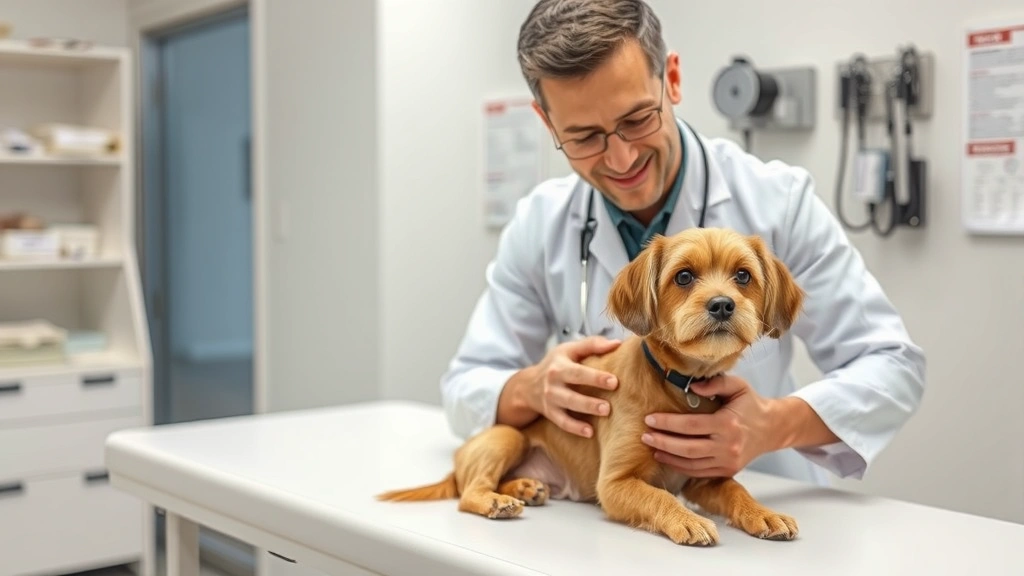
Here’s the honest truth: most modern veterinarians won’t recommend Pepto Bismol for dogs. Period. But there are rare, extremely limited situations where an old-school vet might consider it—and even then, only in specific circumstances:
- Short-term, acute diarrhea in an otherwise healthy adult dog (not a puppy, not a senior, not a breed with known sensitivities)
- Single dose only under direct veterinary instruction
- When safer options aren’t available (which is almost never the case anymore)
- Specific conditions where the vet believes the benefit outweighs the risk
Even in these cases, most vets will recommend something else first. The risk-to-benefit ratio just doesn’t work out. There are too many safer, more effective alternatives available now.
If your vet does recommend it, ask:
- “Why Pepto Bismol specifically?”
- “How many doses?”
- “What are the signs I should watch for?”
- “What’s the backup plan if this doesn’t work or he gets worse?”
A good vet will have clear answers. If they’re vague, get a second opinion.
Safer Alternatives for Canine Digestive Issues
Here’s what actually works for dog diarrhea and digestive upset—and what your vet will probably recommend instead:
Prescription Options (Most Effective)
- Metronidazole (Flagyl): An antibiotic that treats bacterial and parasitic causes of diarrhea. Your vet can prescribe the right dose for your dog’s weight.
- Maropitant (Cerenia): Specifically designed for nausea in dogs. Much safer than Pepto Bismol for vomiting.
- Probiotics (prescription-strength): Formulations like FortiFlora are designed specifically for dogs and help restore healthy gut bacteria.
Over-the-Counter Options (Safer Than Pepto Bismol)
- Slippery elm bark: Coats and soothes the digestive tract without the toxicity risk. Similar to chamomile tea, it’s a gentle, traditional remedy that actually works.
- Pumpkin puree (plain, canned): High in fiber, helps with both diarrhea and constipation. A tablespoon or two mixed into food.
- Bone broth (low-sodium): Hydrating and soothing. You can freeze it in ice cube trays for easy dosing.
- Bland diet (boiled chicken and rice): The classic approach. Not fancy, but it works. Feeds the good bacteria while resting the digestive system.
Supportive Care (Often All That’s Needed)
- Increased water intake (ice cubes if they won’t drink)
- Rest and reduced activity
- Frequent, small meals instead of one large meal
- Removing any new foods or treats
Most cases of acute diarrhea in dogs resolve in 24-48 hours with supportive care alone. You don’t need medication at all—you just need patience.
When to Call Your Vet Instead of Self-Medicating
This is crucial. Not every digestive upset needs medication, but some do need professional evaluation. Call your vet if:
- Diarrhea lasts more than 24 hours or is severe/bloody
- Your dog is vomiting repeatedly and can’t keep water down
- Your dog is a puppy (dehydration risk is much higher)
- Your dog is a senior (underlying conditions are more likely)
- Your dog has pre-existing health conditions (kidney disease, liver disease, bleeding disorders)
- Your dog is on other medications (drug interactions are real)
- Your dog seems lethargic, in pain, or acting “off” beyond just digestive upset
- You see blood in vomit or stool (this is not normal and needs evaluation)
If you’re unsure, call anyway. Most vets have phone lines for quick questions. A 30-second conversation beats guessing with your dog’s health.
Pro Tip: Keep a photo or video of your dog’s symptoms (yes, really—document the vomit or diarrhea) to show your vet. It helps them assess severity and rule out certain causes.
The Dosing Problem: Why Size Matters Less Than You’d Think
“I’ll just give a smaller dose” is the most common reasoning owners use for giving human medications to dogs. It sounds logical. It’s also not how toxicity works.
Toxicity isn’t just about dose per pound of body weight. It’s about:
- Individual sensitivity: Some dogs are just more sensitive to certain compounds (genetic variation)
- Cumulative effects: Bismuth accumulates. One dose might be okay; three doses over a week could be toxic.
- Drug interactions: If your dog is on other medications, Pepto Bismol might interact in unexpected ways
- Underlying conditions: A dog with subclinical kidney disease might not clear bismuth efficiently
- Metabolic rate: Senior dogs and puppies metabolize drugs differently than healthy adults
The math doesn’t work the way it seems to. A 10-pound dog isn’t just a “smaller version” of a 70-pound dog—their organ function, metabolism, and sensitivity thresholds are genuinely different.
This is why veterinary dosing is so specific. Your vet doesn’t just divide the human dose by body weight. They consider all these factors. When you’re dosing from a bottle designed for humans, you’re flying blind.
Frequently Asked Questions
Can I give my dog Pepto Bismol if the diarrhea is really bad?
– No. Bad diarrhea is actually a reason to call your vet, not to self-medicate. Severe diarrhea can indicate parasites, infections, or other conditions that need specific treatment. Pepto Bismol won’t address the underlying cause and could mask a serious problem while potentially causing harm.
What if I only give one dose?
– One dose is lower risk than multiple doses, but it’s still not recommended. Even a single dose carries the risk of adverse reaction, especially if your dog has underlying health issues you’re not aware of. There are safer options available, so why take the chance?
Is the liquid or tablet form safer for dogs?
– Neither is particularly safe. The active ingredient (bismuth subsalicylate) is the same in both forms. The liquid form is easier to dose accurately, but that doesn’t make it safer—just more measurable. If your vet were to recommend it (extremely unlikely), they’d specify which form and exactly how much.
Can dogs have Pepto Bismol if they’re on other medications?
– Probably not. Pepto Bismol can interact with several medications including certain antibiotics, blood thinners, and other GI medications. If your dog is on any regular medication, Pepto Bismol is off-limits without explicit veterinary approval. And honestly, most vets won’t approve it even then.
What about the “dog-safe” versions of Pepto Bismol I’ve seen online?
– Be skeptical. If a product claims to be a “dog-safe Pepto Bismol alternative,” check the active ingredients. If it contains bismuth subsalicylate, it’s not actually safer—it’s the same compound. Look for products specifically formulated for dogs with different active ingredients, or stick with veterinary recommendations.
My dog ate a small amount of Pepto Bismol by accident. Should I panic?
– Take a breath. One accidental dose of Pepto Bismol is unlikely to cause acute toxicity in most dogs. Monitor for vomiting, black stools, lethargy, or abdominal pain over the next 24-48 hours. If you see any of these, call your vet. If your dog seems fine, they probably will be. But don’t give more on purpose.
Why do some older vets still recommend Pepto Bismol?
– Older protocols and newer ones don’t always align immediately. Some vets trained decades ago when options were more limited, and they haven’t updated their recommendations. This doesn’t make them bad vets—it just means it’s worth asking “are there newer options?” If your vet recommends Pepto Bismol, ask them specifically why they prefer it over safer alternatives like metronidazole or probiotics.
Is Pepto Bismol ever used in veterinary medicine?
– Bismuth subsalicylate does exist in some veterinary formulations, but these are specifically dosed and formulated for dogs—they’re not human Pepto Bismol. The concentration, additives, and dosing are completely different. Even if your vet has bismuth-containing products, they wouldn’t recommend the human version.
What should I do if my dog has chronic diarrhea?
– Chronic diarrhea isn’t something to self-treat with Pepto Bismol or any OTC medication. It needs veterinary evaluation. Chronic diarrhea can indicate food allergies, digestive system issues, parasites, or other underlying conditions. Your vet might recommend dietary changes, prescription probiotics, prescription antibiotics, or other targeted treatments based on the cause.

Can puppies have Pepto Bismol?
– No. Puppies are at higher risk for dehydration from diarrhea, and their developing systems are more sensitive to medications. If your puppy has diarrhea, contact your vet immediately. Puppies need professional evaluation, not home remedies.
What if my vet says Pepto Bismol is okay?
– Ask follow-up questions. What dose? For how long? What symptoms should you watch for? What’s the alternative if it doesn’t work? A vet who recommends it should be able to explain their reasoning clearly. If they seem uncertain or evasive, that’s a red flag to get a second opinion.





