
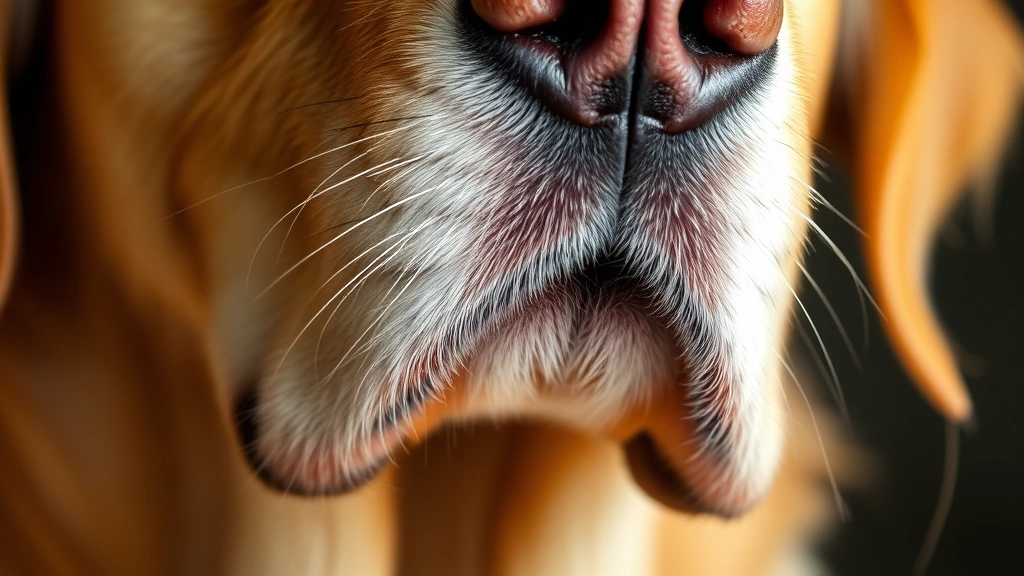
Can Dogs Get Pimples? The Complete Skin Care Guide for Your Furry Friend
If you’ve ever noticed a small bump or pustule on your dog’s skin and wondered, “Does my pup have a pimple?” you’re not alone. Many pet parents are surprised to learn that dogs can get pimples, just like humans do. While it’s not quite the same as teenage acne, our four-legged friends are absolutely susceptible to similar skin conditions that can cause discomfort and concern.
The good news? Understanding what causes these pesky skin issues and how to prevent them is entirely within your reach. In this comprehensive guide, we’ll explore everything you need to know about canine acne, skin health, and practical tips to keep your dog’s coat looking and feeling its absolute best. Whether your pup has already developed some bumps or you’re simply being proactive about their health, you’ve come to the right place.
Your dog’s skin is their largest organ, and it deserves the same attention and care you’d give to any other part of their health. Let’s dive into the fascinating world of canine dermatology and discover how to keep your furry friend comfortable and happy.
Do Dogs Actually Get Pimples?
The short answer is yes—absolutely. When you ask “do dogs get pimples,” you’re touching on a legitimate veterinary concern that affects many canines. Canine acne, as it’s formally known, is a real skin condition that can develop in dogs of any age, though it’s most commonly seen in younger dogs and certain breeds.
Unlike human acne, which is primarily driven by hormonal changes and bacterial growth, canine acne develops somewhat differently. It typically appears as small red bumps, pustules, or blackheads on the skin, particularly around the muzzle, chin, and lip areas. Some dogs may also develop these lesions on other parts of their body, including their chest and belly.
The condition can range from mild to severe, and while it’s not typically life-threatening, it can cause significant discomfort if left untreated. Your dog might experience itching, pain, or secondary infections if they scratch at the affected areas. Understanding the root causes is the first step toward prevention and treatment.
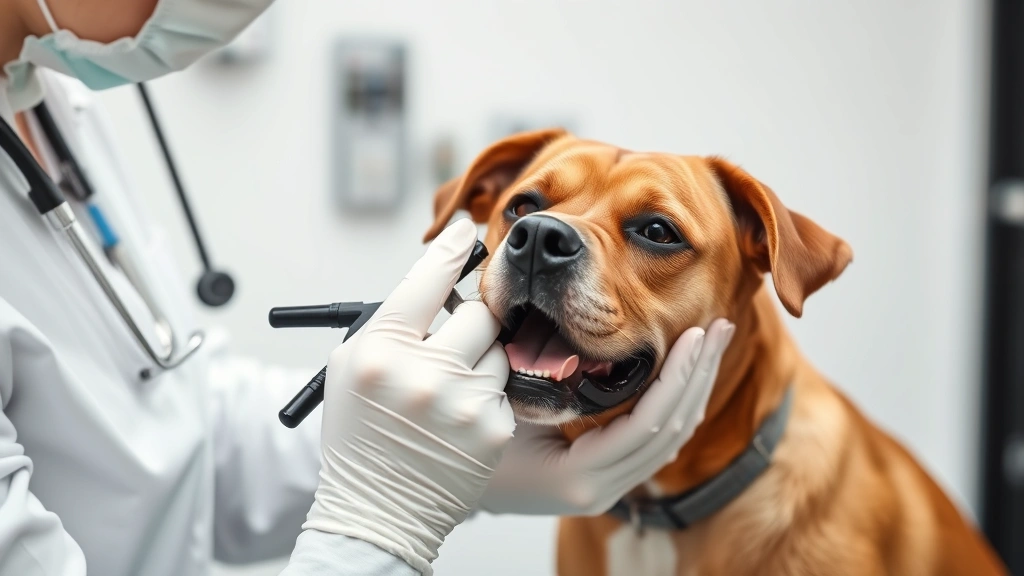
What Causes Pimples in Dogs
Several factors can contribute to the development of pimples in dogs. Understanding these causes will help you take preventative measures and address the problem more effectively.
Poor Hygiene and Dirt Accumulation
One of the most common culprits behind canine acne is simply poor hygiene. Dogs love to play in the dirt, and when they rest their chins on dirty surfaces or don’t get regular baths, bacteria and debris can accumulate on their skin. This buildup can clog pores and lead to infection, resulting in those unwanted bumps.
Bacterial Infections
Staphylococcus bacteria is a frequent offender when it comes to canine skin infections. These bacteria naturally live on the skin but can multiply excessively under certain conditions, particularly when the skin barrier is compromised or when hygiene isn’t optimal.
Allergic Reactions
Dogs can develop allergies to food, environmental factors, or grooming products, and these allergies often manifest as skin problems. When your dog has an allergic reaction, their skin becomes inflamed and more susceptible to secondary bacterial infections that can appear as pimples or pustules.
Hormonal Imbalances
Hormonal fluctuations, particularly in intact (non-spayed or non-neutered) dogs, can trigger skin issues. Sebaceous glands produce more oil during certain hormonal cycles, which can contribute to acne development.
Friction and Irritation
Sometimes, the simple friction from a dog’s collar, bedding, or repeated rubbing of their face against surfaces can cause irritation that leads to pimple formation. This is particularly common in dogs with sensitive skin.

Recognizing Skin Problems in Your Dog
Being able to identify potential skin issues early is crucial for your dog’s health. Here are the signs you should watch for:
- Red or inflamed bumps on the skin, especially around the face and chin
- Blackheads or whiteheads that resemble human acne
- Excessive scratching or licking at specific areas
- Hair loss in patches or around affected areas
- Crusty or scaly patches on the skin
- Odor coming from the skin, which might indicate infection
- Swelling or warmth around affected areas
- Discharge from pustules or lesions
If you notice any of these symptoms, it’s important to examine the area closely and monitor your dog for any changes. While some cases resolve on their own, others may require veterinary intervention. The key is catching problems early before they escalate.
It’s worth noting that what appears to be hot spots on dogs might sometimes be confused with acne, but these are different conditions. Hot spots are typically larger, more painful areas of inflammation that develop rapidly, while acne appears as smaller, individual lesions.
Prevention Strategies for Healthy Skin
The best way to deal with canine acne is to prevent it from happening in the first place. Here are practical strategies you can implement today:
Maintain Regular Bathing Schedule
Bathe your dog every 4-6 weeks using a gentle, dog-specific shampoo. Regular bathing removes dirt, bacteria, and allergens from the skin and coat. Avoid over-bathing, as this can strip natural oils and cause dryness. Use lukewarm water and ensure you rinse thoroughly to remove all soap residue.
Use Quality Grooming Products
Invest in high-quality, hypoallergenic grooming products designed specifically for dogs. Human products can be too harsh and may contain ingredients that irritate canine skin. Look for shampoos and conditioners with natural ingredients like oatmeal, aloe vera, or coconut oil.
Keep Bedding Clean
Wash your dog’s bedding weekly in unscented detergent to prevent bacterial buildup. A clean sleeping area significantly reduces the risk of skin infections and acne development. Consider using bedding made from breathable, hypoallergenic materials.
Proper Nutrition
A balanced diet rich in omega-3 and omega-6 fatty acids supports skin health from the inside out. Look for dog foods with high-quality proteins and healthy fats. Many dermatologists recommend foods that support the skin barrier function.
Regular Veterinary Check-ups
Schedule regular wellness visits with your veterinarian to catch potential skin issues early. Your vet can identify early signs of problems and recommend preventative treatments before they become serious.
Minimize Allergen Exposure
If your dog has known allergies, work with your vet to minimize exposure to trigger foods or environmental factors. This might involve dietary changes or environmental modifications like air filters or specific cleaning products.
Avoid Unnecessary Friction
Ensure your dog’s collar fits properly and isn’t causing irritation. Consider using soft, padded collars if your dog has sensitive skin. Regularly check for any areas where friction might be causing problems.
Treatment Options and Home Remedies
If your dog has already developed pimples, several treatment approaches can help:
Topical Treatments
Your veterinarian might recommend topical antibacterial or antifungal medications. These can be applied directly to affected areas and help reduce infection and inflammation. Some vets also recommend benzoyl peroxide solutions, which help unclog pores and reduce bacteria.
Oral Medications
In cases of more severe acne or widespread infections, oral antibiotics might be necessary. Your vet will prescribe the appropriate medication based on the severity and underlying cause of the condition.
Medicated Shampoos
Medicated shampoos containing ingredients like chlorhexidine or miconazole can help reduce bacterial and fungal populations on the skin. Use these as directed by your veterinarian, typically once or twice weekly.
Warm Compresses
Applying a warm compress to affected areas for 5-10 minutes can help reduce inflammation and promote drainage of pustules. This simple home remedy can provide comfort and may help accelerate healing.
Dietary Supplements
Omega-3 supplements, probiotics, and other immune-supporting supplements may help improve skin health. Always consult with your vet before starting any new supplement regimen to ensure it’s appropriate for your dog.
Dietary Changes
If allergies are contributing to the problem, your vet might recommend an elimination diet to identify trigger foods. Once identified, avoiding these foods can significantly improve skin health.
When to See a Veterinarian
While some cases of mild canine acne can improve with good hygiene and home care, there are definitely situations where professional help is necessary. You should contact your veterinarian if:
- The pimples don’t improve after 2-3 weeks of home care
- The condition worsens or spreads to other areas of the body
- Your dog shows signs of infection, such as discharge, warmth, or swelling
- Your dog is experiencing significant discomfort or itching
- The pimples are accompanied by other symptoms like fever, lethargy, or appetite changes
- Your dog is excessively licking or scratching, causing secondary damage
- You’re unsure whether the bumps are acne or another condition
Your veterinarian can perform a thorough examination, possibly including skin scrapings or cultures, to determine the exact cause of the problem. According to the American Kennel Club, proper diagnosis is essential for effective treatment.
Other Common Skin Conditions
It’s important to recognize that not all skin bumps are acne. Your dog might be experiencing other conditions that require different treatment approaches:
Skin Tags and Other Growths
Dogs can develop skin tags, which are harmless growths that typically appear as small, flesh-colored or pigmented bumps. These are usually not a health concern but should be evaluated by a vet to confirm they’re benign.
Dandruff and Flaking
If your dog has dandruff, this indicates dry or irritated skin that might be related to allergies, dietary deficiencies, or environmental factors. Understanding why your dog has dandruff is the first step toward resolution.
Fungal Infections
Ringworm and other fungal infections can cause circular patches of hair loss and skin irritation. These conditions are contagious to other animals and sometimes to humans, so prompt treatment is essential. The ASPCA provides excellent resources on identifying and treating fungal infections.
Mites and Parasites
Mange and other mite-related conditions can cause significant skin problems. These require specific treatment and professional diagnosis.
Yeast Infections
Dogs with allergies or compromised immune systems are prone to yeast infections, which cause itching, redness, and sometimes a distinctive odor. These require antifungal treatment, either topical or oral.
Frequently Asked Questions
What does canine acne look like?
Canine acne typically appears as small red bumps, pustules, or blackheads on the skin. The lesions are usually concentrated on the muzzle, chin, and lip areas, though they can appear anywhere on the body. Some dogs develop whiteheads that resemble human acne, while others have more inflamed, painful-looking bumps. If you’re unsure whether your dog has acne, take a photo and show it to your veterinarian.
Can I use human acne products on my dog?
No, you should not use human acne products on your dog without veterinary approval. Many human acne treatments contain ingredients like salicylic acid or benzoyl peroxide that can be irritating or toxic to dogs if used incorrectly. Always consult with your vet before applying any treatment to your dog’s skin. Some veterinary-approved acne treatments may contain similar active ingredients but at safe concentrations for canine use.
Is canine acne contagious?
Canine acne itself is not contagious between dogs. However, if the acne is caused by a fungal or parasitic infection, those underlying conditions might be contagious. It’s always best to keep affected dogs separate from other pets until you’ve confirmed the cause with your veterinarian.
How long does it take to treat canine acne?
The timeline for improvement depends on the severity and underlying cause. Mild cases might improve within 2-3 weeks with proper hygiene and home care. More severe cases requiring antibiotics or other medications might take 4-8 weeks to fully resolve. Some dogs with chronic conditions might require ongoing management. Your veterinarian can give you a more specific timeline based on your dog’s individual situation.
Can certain dog breeds be more prone to acne?
Yes, some breeds are more susceptible to acne than others. Short-haired breeds like Boxers, Bulldogs, and Pit Bulls tend to develop acne more frequently, possibly due to their skin structure and tendency to develop bacterial infections. However, any breed can develop acne under the right circumstances.
What’s the difference between acne and hot spots?
Hot spots are larger areas of inflamed, often oozing skin that develop rapidly, usually due to allergies, parasites, or excessive licking. Acne, on the other hand, consists of smaller individual pustules or blackheads. Hot spots are typically more painful and develop more quickly than acne. If you’re unsure which condition your dog has, consult your veterinarian for proper diagnosis.
Can diet affect my dog’s acne?
Absolutely. Diet plays a significant role in skin health. Dogs with food allergies often develop skin issues including acne. Additionally, a diet lacking in proper nutrients, particularly omega-3 and omega-6 fatty acids, can compromise skin health and make acne more likely. According to VCA Animal Hospitals, nutritional support is a key component of dermatological health.
Should I squeeze my dog’s pimples?
No, you should not squeeze your dog’s pimples, even if they look like they’re ready to pop. Squeezing can introduce bacteria, cause further irritation, and potentially lead to infection or scarring. It can also be painful for your dog. If you’re tempted to do this, it’s a sign that the acne needs professional attention.





