
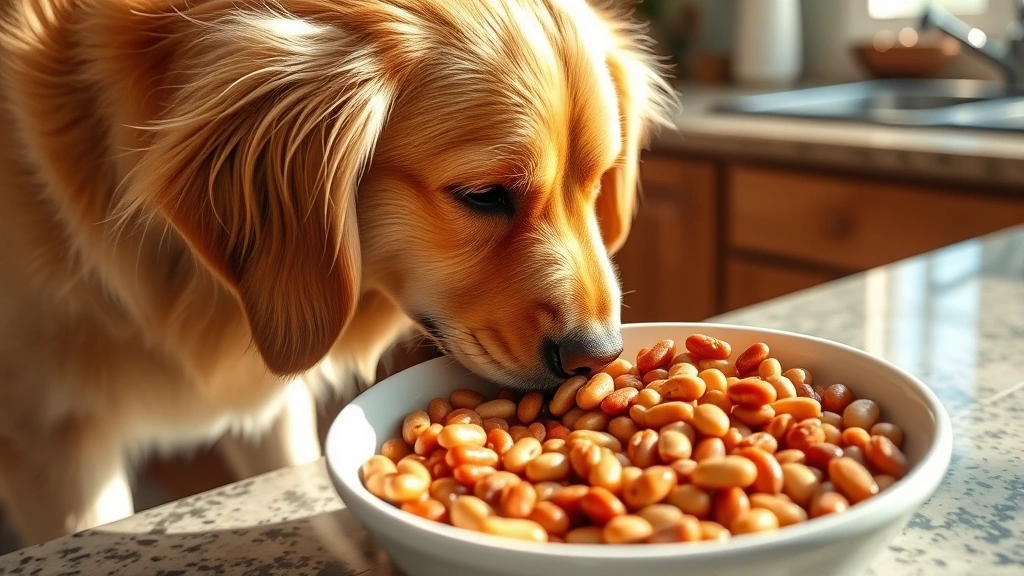
As a dog owner, you want to ensure that every treat or food item you give your furry companion is safe and nutritious. If you’ve ever wondered whether pinto beans are a healthy addition to your dog’s diet, you’re not alone. Many pet owners are curious about incorporating legumes into their dog’s meals, especially when looking for protein-rich alternatives or homemade food options.
Pinto beans are a staple in many human diets around the world, known for their nutritional value and versatility. However, what’s safe for us isn’t always safe for our canine friends. Understanding whether pinto beans are appropriate for dogs requires examining their nutritional profile, potential benefits, and any associated risks.
This comprehensive guide will help you make an informed decision about feeding pinto beans to your dog, based on expert veterinary advice and nutritional science.
Can Dogs Eat Pinto Beans?
Yes, dogs can eat pinto beans in moderation, provided they are prepared correctly. Plain, cooked pinto beans without added seasonings, salt, or other ingredients are generally safe for dogs and can even offer some nutritional benefits. However, there are important caveats and preparation guidelines that pet owners must follow to ensure their dog’s safety.
According to veterinary nutritionists, plain legumes like pinto beans can be incorporated into a dog’s diet as an occasional treat or as part of a balanced meal. The key is understanding proper preparation methods and appropriate portion sizes. Raw pinto beans or those prepared with harmful additives should never be given to dogs, as they can cause digestive upset or other health issues.
Many commercial dog foods include legumes as protein sources, which demonstrates that when prepared appropriately, beans are a viable dietary component for canines. However, homemade preparation requires careful attention to detail to ensure safety.
Nutritional Profile of Pinto Beans
Pinto beans are nutritionally dense legumes that offer several important nutrients. A cup of cooked pinto beans contains approximately:
- Protein: 15 grams
- Fiber: 15 grams
- Carbohydrates: 44 grams
- Fat: Less than 1 gram
- Folate: 294 micrograms
- Iron: 4 milligrams
- Magnesium: 86 milligrams
- Potassium: 717 milligrams
- Antioxidants and phytonutrients
These nutritional components make pinto beans an excellent source of plant-based protein and dietary fiber. For dogs, this means potential benefits in maintaining healthy digestion and providing sustained energy. The fiber content can be particularly beneficial for dogs dealing with constipation, though excessive fiber can cause issues in dogs with sensitive digestive systems.
The mineral content, including iron, magnesium, and potassium, supports various bodily functions in dogs, from bone health to muscle function and heart health. However, it’s important to note that dogs have different nutritional requirements than humans, and they obtain most of their essential nutrients from meat-based proteins.

Potential Health Benefits
When given appropriately, pinto beans may offer several health benefits to your dog:
Digestive Health Support
The dietary fiber in pinto beans can help promote healthy digestion in dogs. Fiber aids in regulating bowel movements and can help maintain a healthy gut microbiome. For dogs experiencing occasional constipation, small amounts of pinto beans might provide relief. However, dogs with sensitive stomachs or inflammatory bowel conditions should approach bean consumption cautiously.
Protein and Amino Acids
Pinto beans provide plant-based protein containing various amino acids. While dogs thrive best on animal-based proteins, pinto beans can serve as a supplementary protein source in a balanced diet. This is particularly useful for dogs on mixed diets that include both commercial dog food and home-prepared meals.
Antioxidant Benefits
Pinto beans contain polyphenols and other antioxidants that help combat free radicals in the body. These compounds may support immune system function and reduce inflammation. As noted by research published in the National Center for Biotechnology Information, legumes are excellent sources of antioxidants that benefit overall health.
Weight Management
The low-fat, high-fiber nature of pinto beans makes them a weight-friendly treat option for dogs that need to maintain a healthy weight. The fiber promotes satiety, helping dogs feel fuller longer without adding excessive calories.
Risks and Concerns
While pinto beans can be safe for dogs, several risks and concerns warrant careful consideration:
Digestive Upset
The high fiber and complex carbohydrate content in pinto beans can cause digestive upset in dogs not accustomed to legumes. Symptoms may include bloating, gas, diarrhea, or vomiting. Dogs with sensitive digestive systems or those with conditions like inflammatory bowel disease should avoid pinto beans or consume them only under veterinary supervision.
Lectins and Antinutrients
Raw or improperly cooked pinto beans contain lectins, which are plant proteins that can damage the digestive tract and cause gastrointestinal distress. Proper cooking eliminates most lectins, making the beans safe for consumption. This is why raw pinto beans should never be given to dogs.
Sodium Content
Canned pinto beans often contain added sodium, which can be problematic for dogs, especially those with heart conditions or hypertension. Always opt for unsalted, cooked pinto beans, or rinse canned beans thoroughly before serving.
Allergic Reactions
Some dogs may have allergies or sensitivities to legumes. Signs of an allergic reaction include itching, swelling, difficulty breathing, or gastrointestinal distress. If your dog has never consumed beans before, introduce them gradually and monitor for any adverse reactions.
Inappropriate Additives
Pinto beans prepared with garlic, onions, spices, or excessive salt are harmful to dogs. Garlic and onions contain compounds toxic to canines, and excessive seasonings can cause digestive upset. Only plain, simply cooked beans are appropriate for dogs. For more information on related bean preparations, check out our guide on can dogs eat refried beans.

How to Prepare Pinto Beans for Dogs
Proper preparation is essential to ensure pinto beans are safe for your dog. Follow these guidelines:
Cooking Method
- Soak dried pinto beans in water for at least 8 hours or overnight
- Drain and rinse the soaked beans thoroughly
- Place beans in a pot with fresh water (no added salt or seasonings)
- Bring to a boil, then reduce heat and simmer for 1-2 hours until beans are soft
- Drain and cool completely before serving
Using Canned Beans
If using canned pinto beans, choose low-sodium or unsalted varieties. Rinse the beans thoroughly under running water to remove additional sodium and any remaining liquid. Drain well before serving.
Storage
Cooked pinto beans can be stored in an airtight container in the refrigerator for up to 5 days or frozen for up to 3 months. Proper storage prevents bacterial growth and maintains nutritional value.
What to Avoid
- Never give raw or undercooked beans
- Avoid beans prepared with garlic, onions, or spices
- Don’t use high-sodium canned beans without rinsing
- Never add salt, butter, or oil
- Avoid beans mixed with other ingredients that may be toxic to dogs
Serving Size Recommendations
When introducing pinto beans to your dog’s diet, moderation is key. The appropriate serving size depends on your dog’s size, age, and overall health status:
Small Dogs (Under 20 lbs)
Start with 1-2 teaspoons of plain, cooked pinto beans as an occasional treat. Monitor your dog for any adverse reactions over the next 24 hours before offering again.
Medium Dogs (20-50 lbs)
Begin with 1-2 tablespoons of plain, cooked pinto beans. If well-tolerated, this can be increased slightly, but beans should not exceed 10% of daily caloric intake.
Large Dogs (Over 50 lbs)
Start with 2-3 tablespoons of plain, cooked pinto beans. Large breed dogs may tolerate slightly larger portions, but again, beans should represent no more than 10% of daily calories.
Pinto beans should be considered treats or dietary supplements, not meal replacements. They should never comprise more than 10% of your dog’s daily caloric intake, as dogs require balanced nutrition from complete and balanced commercial dog foods or properly formulated homemade diets.
If you’re feeding your dog a homemade diet that includes pinto beans, consult with a veterinary nutritionist to ensure the overall diet is nutritionally complete and balanced for your dog’s specific needs.
Other Legumes and Beans
If you’re interested in incorporating legumes into your dog’s diet, several other options are worth considering. Similar to pinto beans, these should be plain and cooked:
Many dog owners wonder about other bean varieties. You might be interested in learning whether dogs can eat baked beans or whether dogs can eat red beans. Additionally, dogs can have kidney beans in moderation, and dogs can have garbanzo beans as well, though all require proper preparation.
Safe Legumes for Dogs
- Black Beans: Similar nutritional profile to pinto beans; safe when plain and cooked
- Chickpeas: High in protein and fiber; suitable for most dogs in small amounts
- Lentils: Excellent protein source; generally well-tolerated by dogs
- Green Beans: Lower in calories and fiber; often recommended as a training treat
- Peas: Small amounts of plain peas are safe and often found in commercial dog foods
Legumes to Avoid
- Raw Beans: All raw beans contain lectins and should never be given to dogs
- Beans with Additives: Avoid any beans prepared with garlic, onions, salt, or spices
- Soy Beans: While not toxic, they’re high in goitrogens and best avoided
Frequently Asked Questions
Are pinto beans toxic to dogs?
Plain, properly cooked pinto beans are not toxic to dogs. However, raw or undercooked beans contain lectins, which can be harmful. Additionally, pinto beans prepared with toxic ingredients like garlic or onions can be dangerous. Always ensure beans are fully cooked and free from additives before offering them to your dog.
How much pinto beans can I give my dog?
Pinto beans should represent no more than 10% of your dog’s daily caloric intake. For small dogs, start with 1-2 teaspoons; for medium dogs, 1-2 tablespoons; and for large dogs, 2-3 tablespoons. Introduce them gradually and monitor for digestive upset before increasing the amount.
Can pinto beans cause gas in dogs?
Yes, the high fiber and complex carbohydrate content in pinto beans can cause gas and bloating, especially in dogs not accustomed to legumes. If your dog experiences excessive gas, reduce the serving size or discontinue feeding pinto beans. Some dogs’ digestive systems handle beans better than others.
Should I give my dog canned or dried pinto beans?
Both can be safe if properly prepared. Dried beans require soaking and thorough cooking to eliminate lectins. Canned beans are convenient but often contain added sodium, so choose low-sodium varieties and rinse thoroughly. Avoid canned beans with added ingredients like garlic or spices.
What should I do if my dog accidentally eats raw pinto beans?
If your dog consumes a small amount of raw pinto beans, monitor them closely for signs of digestive upset, including vomiting, diarrhea, or abdominal pain. Contact your veterinarian if symptoms develop or if your dog consumed a large quantity. In most cases, a few raw beans cause mild to moderate digestive upset that resolves on its own.
Can puppies eat pinto beans?
Puppies have sensitive digestive systems and specific nutritional requirements for growth and development. It’s best to wait until a puppy is at least one year old before introducing pinto beans. Even then, offer them in very small amounts and monitor carefully. Always consult your veterinarian before adding new foods to a puppy’s diet.
Are pinto beans good for dogs with allergies?
Some dogs with food allergies may tolerate legumes, while others may have legume sensitivities. If your dog has known food allergies, consult your veterinarian before introducing pinto beans. Additionally, legume-based dog foods have been investigated in connection with certain health conditions, so veterinary guidance is particularly important for allergic dogs.





