
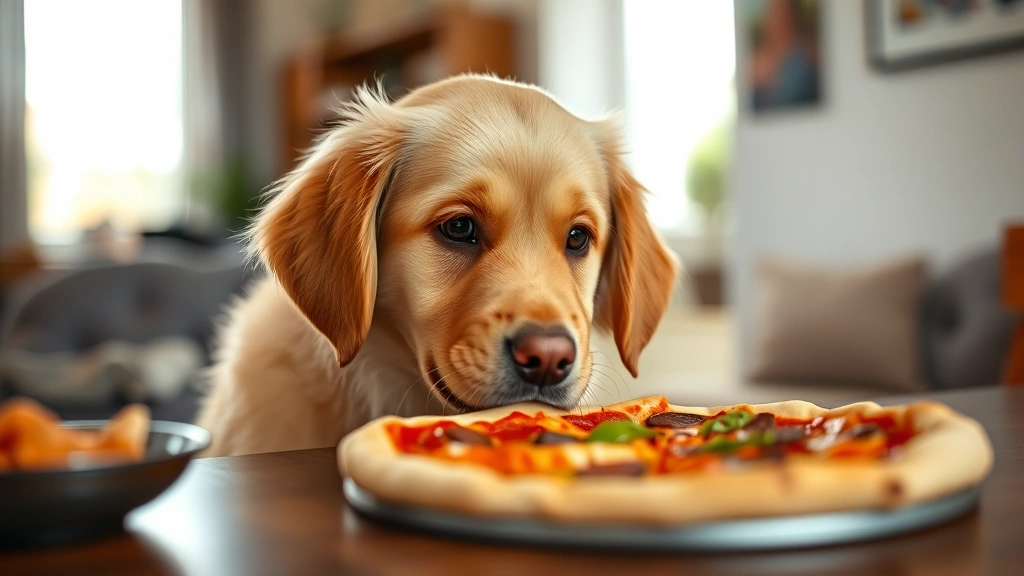
Can Dogs Eat Pizza Crust? Safety Tips for Pet Owners
Pizza night at your house probably looks a little different now that you have a furry friend. As your pup sits there with those irresistible puppy-dog eyes, staring at that delicious pizza crust in your hand, you’re left wondering: can dogs have pizza crust? It’s a question that plagues pet owners everywhere, and honestly, the answer isn’t as straightforward as you might hope.
The truth is, plain pizza crust in small amounts won’t necessarily send your dog to the emergency vet, but it’s definitely not recommended as a regular treat. Pizza crust sits in this gray zone of dog nutrition—not outright toxic, but packed with ingredients that aren’t doing your pup any favors either. Between the refined carbohydrates, potential garlic and onion seasonings, and excessive salt content, pizza crust is more of a “just say no” situation for your canine companion.
In this comprehensive guide, we’ll break down everything you need to know about dogs and pizza crust, including what makes it risky, what to do if your dog sneaks a piece, and better alternatives to keep your furry friend happy and healthy.
Is Pizza Crust Safe for Dogs?
Let’s cut to the chase: plain pizza crust without toppings is technically not toxic to dogs in small quantities. However, “not toxic” doesn’t mean “safe” or “healthy.” There’s a massive difference between something your dog can eat without immediate harm and something you should actually feed your dog.
Most pizza crusts are made from refined flour, water, yeast, salt, and oil—ingredients that don’t provide much nutritional value for your pup. When you factor in the typical seasonings like garlic powder and onion powder that many pizzerias use, things get concerning. Dogs have different digestive systems than humans, and what seems harmless to us can cause real problems for them.
The occasional small piece of plain pizza crust likely won’t cause serious harm to a healthy adult dog, but it’s definitely not something to make a habit of. Think of it like how you wouldn’t let your kid eat only fast food—just because they can digest it doesn’t mean it’s good for them.
Why Pizza Crust Can Be Problematic
Understanding what’s actually in pizza crust helps explain why veterinarians generally advise against it. Let’s break down the main concerns:
Garlic and Onion Content: This is perhaps the biggest red flag. Many pizza places use garlic powder and onion powder in their dough or dust the crust with it. Both garlic and onion are toxic to dogs because they contain compounds called thiosulfates that can damage red blood cells. If you’re wondering about the specifics, check out our detailed guide on why dogs can’t eat garlic. Even small amounts can accumulate in your dog’s system over time.
Excessive Salt: Pizza crust is typically quite salty, which is problematic for dogs. High sodium intake can lead to increased thirst, urination, and in severe cases, sodium ion poisoning. Dogs require far less salt than humans do, and their kidneys are more sensitive to sodium overload.
High Fat Content: The oil used in pizza dough and the fat from cooking can be tough on a dog’s digestive system. Dogs prone to pancreatitis are especially vulnerable to fatty foods, which can trigger painful inflammation.
Refined Carbohydrates: Pizza crust is essentially empty calories for your dog. It provides no essential nutrients and can contribute to weight gain and blood sugar spikes, particularly concerning for diabetic dogs.
Yeast: While the yeast in pizza crust is dead (activated during baking), some dogs have sensitivities to yeast products that can cause digestive upset or contribute to yeast infections.
What to Do If Your Dog Eats Pizza Crust
Don’t panic if your dog managed to snag a piece of pizza crust from the coffee table. In most cases, a small amount of plain pizza crust won’t cause an emergency situation. Here’s what you should do:
- Assess the situation: How much did your dog eat? Was it plain crust or topped pizza? Did it contain garlic, onion, or chocolate? These details matter.
- Monitor for symptoms: Watch your dog for the next 24-48 hours for signs of digestive upset like vomiting, diarrhea, lethargy, or loss of appetite. Garlic toxicity symptoms include weakness, pale gums, and difficulty breathing, though these typically appear after larger quantities.
- Contact your vet if concerned: If your dog ate a significant amount of pizza crust with suspicious seasonings, or if they’re showing any concerning symptoms, give your veterinarian a call. They can provide personalized advice based on your dog’s size, health status, and what was consumed.
- Don’t induce vomiting: Unless specifically instructed by your vet, don’t try to make your dog vomit. This can sometimes cause more harm than good.
- Offer water and monitor digestion: Make sure fresh water is available and keep an eye on their bathroom habits over the next few days.
For more context on how pizza crust compares to other bread products, learn more about dogs eating bread to get a fuller picture of grain-based foods and your pup.
Better Treat Options for Your Pup
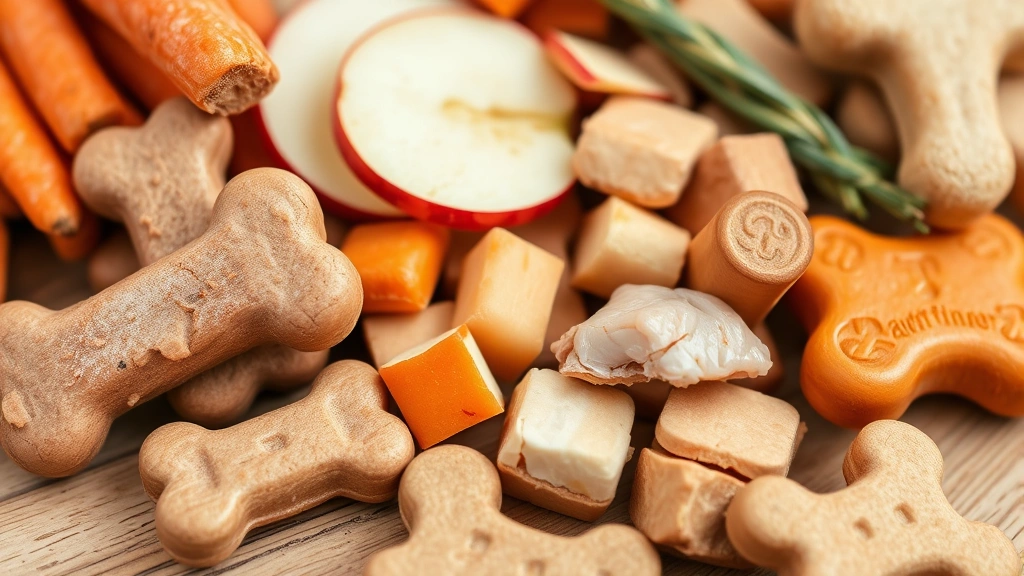
The good news? There are plenty of delicious, actually nutritious options you can share with your furry friend during pizza night. Here are some better alternatives:
Fruits and Vegetables:
- Apple slices (without seeds)
- Banana pieces
- Watermelon (seedless)
- Carrots (great for teeth cleaning)
- Green beans
- Pumpkin puree
Protein-Based Treats:
- Plain cooked chicken breast
- Unsalted, unsweetened peanut butter (check for xylitol)
- Plain cooked turkey
- Plain hard-boiled eggs
Dairy Options: If your dog tolerates dairy well, small amounts of plain dog-safe cheese can be a tasty treat. Just remember that many dogs are lactose intolerant, so introduce gradually and in moderation.
Commercial Dog Treats: Look for treats made with whole ingredients and minimal additives. Many brands now offer healthy, grain-free options that provide actual nutritional value.
The key is choosing treats that contribute positively to your dog’s diet rather than just adding empty calories and potential health risks.

How Pizza Crust Compares to Other Breads
If you’re curious about other bread products, you’re not alone. Many pet owners wonder about the differences between pizza crust and other bread options. Let’s compare:
Plain White Bread: Similar to pizza crust in terms of nutritional value (or lack thereof), plain white bread is also not recommended for dogs. It offers minimal nutrition and can contribute to digestive issues.
Whole Wheat Bread: If you’re wondering whether dogs can eat wheat bread, the answer is that plain whole wheat is slightly better than white bread nutritionally, but it’s still not an ideal treat. It has more fiber and nutrients than refined white flour options.
Sourdough Bread: Many people ask about sourdough for dogs. Plain sourdough without garlic or onion is technically safer than pizza crust because it’s less likely to contain those harmful seasonings, but it’s still not particularly beneficial for your pup.
The pattern here is clear: bread-based products generally aren’t ideal for dogs. While small amounts of plain bread won’t cause harm, there are always better nutritional choices available.
Prevention Tips for Pizza Night
The best approach to the pizza crust question is prevention. Here’s how to keep your dog safe during pizza night:
- Establish boundaries: Train your dog not to beg at the table. Use positive reinforcement to reward them for staying in their dog bed or designated area during meals.
- Use a baby gate: If training isn’t working yet, physically separate your dog from the dining area during pizza night.
- Provide a distraction: Give your dog a puzzle toy filled with treats or a long-lasting chew to keep them occupied while you eat.
- Dispose of leftovers safely: Don’t leave pizza boxes on the floor or counter where curious dogs can access them. Secure all food waste in a closed trash can.
- Inform guests: Make sure visiting friends and family know your rules about not feeding your dog human food. People mean well but sometimes don’t realize the risks.
- Have dog treats ready: Keep dog-friendly treats easily accessible so you can offer your pup something special while you’re enjoying pizza. This makes them feel included without the health risks.
- Know your pizza place: If you’re ordering out, ask about the ingredients in the crust. Some pizzerias use different seasonings than others, and knowing what’s in there helps if your dog does get into some.
If you’re looking for more information about toxic human foods, our guide on what to do if your dog eats chocolate covers another common concern at social gatherings and events.
Frequently Asked Questions
Can dogs digest pizza crust?
Dogs can physically digest pizza crust since it’s made from ingredients their stomachs can break down. However, their digestive systems aren’t optimized for refined carbohydrates and excessive salt. Some dogs may experience mild digestive upset like soft stools or gas after eating pizza crust, while others might not show immediate symptoms.
Is garlic powder in pizza crust dangerous for dogs?
Yes, garlic powder is toxic to dogs. It contains thiosulfates that can damage red blood cells and cause hemolytic anemia. While a tiny amount might not cause immediate problems, garlic toxicity can accumulate over time. Even small repeated exposures can be harmful, so it’s best to avoid pizza crust made with garlic powder entirely.
How much pizza crust is too much for a dog?
According to ASPCA nutrition guidelines, treats should make up no more than 10% of your dog’s daily caloric intake. However, pizza crust shouldn’t really be in that treat category at all. If your dog accidentally eats a small piece, it’s generally okay, but regular pizza crust consumption should be avoided.
What if my dog ate pizza crust with toppings?
This depends entirely on the toppings. Some toppings are more dangerous than others. Pepperoni and sausage are high in fat and salt but not toxic. Onion and garlic toppings are toxic. Chocolate is toxic. If your dog ate pizza with concerning toppings, contact your vet with details about what was consumed and in what quantity.
Can puppies eat pizza crust?
Puppies should definitely avoid pizza crust. Their developing digestive systems are even more sensitive than adult dogs’, and they need nutrient-dense food for proper growth and development. The empty calories and high sodium in pizza crust are particularly problematic for puppies.
Are there any health benefits to feeding dogs pizza crust?
No. Pizza crust offers virtually no nutritional benefits for dogs. It’s primarily refined carbohydrates, salt, and fat—none of which should be dietary staples for your pup. There are countless better treat options that provide actual nutritional value.
What’s the difference between homemade and store-bought pizza crust for dogs?
Homemade pizza crust could potentially be safer if you make it without garlic, onion, or excessive salt. However, it would still be high in carbohydrates and low in nutritional value. If you’re going to make something special for your dog, there are far better options than pizza crust, even homemade versions.





