
Can Dogs Eat Pomegranate Seeds? Safety Insights for Pet Parents
Picture this: You’re enjoying a juicy pomegranate on a sunny afternoon, and your furry best friend gives you those irresistible puppy dog eyes. Before you share a bite, pump the brakes! While pomegranates are nutritional powerhouses for humans, the question of whether dogs can have pomegranate seeds is more complicated than a simple yes or no. As a devoted pet parent, understanding what’s safe for your canine companion is absolutely crucial, and we’re here to break down all the juicy details.
Pomegranates have been celebrated for centuries as a superfood packed with antioxidants, vitamins, and minerals. But here’s the thing: what’s beneficial for humans doesn’t always translate to our four-legged friends. Dogs have different digestive systems, different nutritional needs, and different tolerances for certain foods. The pomegranate situation is a perfect example of this complexity. Let’s dig into whether these ruby-red seeds are friend or foe for your pup.
This comprehensive guide will walk you through everything you need to know about pomegranates and dogs, from the specific risks to safer fruit alternatives your dog will actually enjoy. Whether you’re a first-time dog owner or a seasoned pet parent, you’ll find the answers you’re looking for right here.
Understanding Pomegranates and Their Components
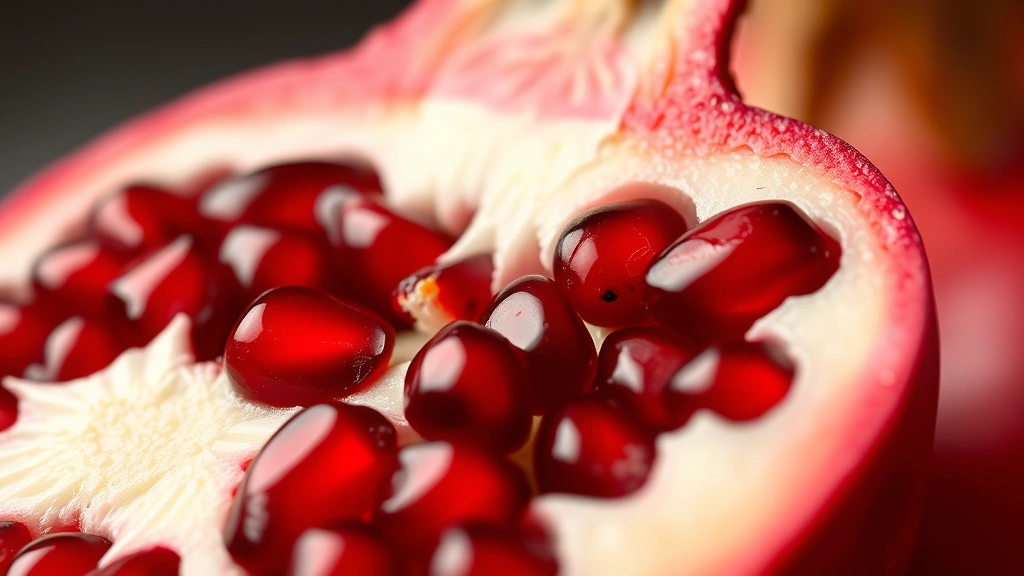
Before we can determine whether pomegranate seeds are safe for dogs, we need to understand what exactly we’re dealing with. A pomegranate is a fascinating fruit with a thick, leathery skin that contains hundreds of seeds surrounded by juice-filled arils. These seeds are what most people consume, and they’re the part that raises concerns for dog owners.
The pomegranate fruit contains several compounds that make it so beneficial for human health. It’s loaded with punicalagins and punicalins, which are powerful polyphenolic compounds with significant antioxidant properties. It also contains ellagic acid, tannins, and various vitamins including vitamin C and potassium. For humans, these components support heart health, reduce inflammation, and boost immune function.
However, the very properties that make pomegranates healthy for humans can pose problems for dogs. The high tannin content, in particular, is something that veterinarians flag when discussing this fruit and canine safety. Tannins are naturally occurring compounds found in many plants, and while small amounts might not cause immediate harm, they can accumulate and cause issues in a dog’s digestive system.
The seeds themselves are small and hard, which presents a choking hazard for dogs, especially smaller breeds or enthusiastic eaters who don’t chew thoroughly. Additionally, the pomegranate juice that surrounds the seeds is highly acidic and concentrated, which can upset a sensitive stomach quickly.

Are Pomegranate Seeds Toxic to Dogs?
Let’s address the million-dollar question directly: are pomegranate seeds actually toxic to dogs? The answer isn’t a straightforward yes or no, which is why this topic generates so much confusion among pet parents.
Pomegranate seeds themselves are not on the official list of foods that are toxic to dogs, according to the ASPCA Animal Poison Control Center. This is important to note. However, “not toxic” doesn’t automatically mean “safe” or “recommended.” There’s a significant difference between these two categories.
The primary concern with pomegranate seeds for dogs isn’t acute poisoning but rather the potential for gastrointestinal upset and complications. The high tannin content can lead to digestive distress, and the seeds’ hard texture poses a real choking and obstruction risk. According to veterinary nutritionists at the Association of American Feed Control Officials, foods that are technically non-toxic can still be problematic for dogs if they cause digestive issues or present physical hazards.
The American Kennel Club provides guidelines on safe treats and fruits for dogs, and pomegranates don’t make their recommended list. This isn’t because they’re poisonous but because the risks outweigh any potential benefits. When you consider that there are numerous other fruits that offer similar nutritional benefits without the associated risks, pomegranates simply aren’t worth the gamble.
Some dogs may eat a small amount of pomegranate seed and experience no ill effects whatsoever. Other dogs might suffer significant digestive upset from even tiny quantities. This variability depends on factors like the dog’s age, size, digestive sensitivity, and overall health status. Older dogs and those with pre-existing digestive conditions are particularly at risk for complications.
Digestive Problems and GI Upset
If a dog does consume pomegranate seeds, the most likely outcome is gastrointestinal distress. This is where the real concern lies for most veterinarians. The digestive upset can manifest in several ways, and understanding these symptoms helps you know when to seek veterinary care.
The high tannin content in pomegranates can cause constipation in dogs. Tannins are astringent compounds that bind to proteins in the digestive tract, potentially slowing down normal digestive processes. Some dogs might experience the opposite problem—diarrhea—as their system tries to process the unfamiliar substance. The concentrated acids in pomegranate juice can irritate the stomach lining, leading to vomiting or nausea.
If your dog is experiencing digestive upset, you might notice symptoms like unusual vomiting patterns, loss of appetite, abdominal discomfort, or behavioral changes indicating pain. These symptoms warrant a call to your veterinarian, especially if they persist for more than a few hours.
The choking risk deserves special mention here. Pomegranate seeds are small and hard, making them a genuine choking hazard, particularly for dogs who bolt their food without proper chewing. If a seed becomes lodged in the throat or esophagus, it could require emergency veterinary intervention. Additionally, if multiple seeds make it to the stomach without being properly digested, they could potentially cause an intestinal blockage, which is a serious medical emergency.

For dogs with existing digestive sensitivities or conditions like inflammatory bowel disease, pancreatitis, or gastric ulcers, pomegranate seeds are particularly risky. The concentrated acids and tannins could trigger a flare-up or worsen existing conditions. If your dog has a history of digestive issues, it’s especially important to avoid pomegranates entirely.
Safer Fruit Alternatives for Your Dog
The good news? There are plenty of delicious, nutritious fruits that are genuinely safe and beneficial for dogs, without any of the pomegranate concerns. These alternatives provide similar nutritional benefits—antioxidants, vitamins, and fiber—without the associated risks.
Berries are fantastic options for dogs. Raspberries are excellent for dogs, offering antioxidants and natural anti-inflammatory properties. Blackberries are another wonderful choice, packed with vitamins and fiber that support digestive health. Cranberries can also be given to dogs, though they’re best offered in moderation due to their tartness.
Blueberries are often called a superfood, and for good reason. They’re low in calories, high in antioxidants, and most dogs find them delicious. You can offer them fresh or frozen, and they make excellent training treats or puzzle toy fillers. Strawberries are another safe option that most dogs enjoy, though they should be given in moderation due to their natural sugar content.
Apples (without seeds) are crunchy and refreshing, making them great for dogs who enjoy texture variety. Bananas are nutrient-dense and help with digestion, though their higher sugar content means they should be an occasional treat. Watermelon is perfect for hot summer days—just remove the seeds and serve seedless varieties to avoid choking hazards.
Pumpkin is technically a fruit and offers exceptional benefits for digestive health. Whether raw or canned (unsweetened), pumpkin can help regulate bowel movements and is often recommended by veterinarians for both constipation and diarrhea. Pears offer a sweet treat with good fiber content, though again, seeds should be removed first.
When introducing any new fruit to your dog’s diet, start with small amounts and observe for any digestive upset. Some dogs have more sensitive stomachs than others, and gradual introduction helps identify potential issues before they become serious problems. Remember that fruits should make up no more than 10% of your dog’s daily caloric intake, with the remaining 90% coming from a balanced, complete dog food.
What to Do If Your Dog Eats Pomegranate
Despite your best efforts to keep pomegranates away from your pup, accidents happen. Maybe your dog got into the fruit bowl while you weren’t looking, or you didn’t realize a friend was sharing their snack. If your dog has eaten pomegranate seeds, here’s what you should do.
First, stay calm. A small amount of pomegranate seed is unlikely to cause a life-threatening emergency. However, you should monitor your dog closely for the next 24-48 hours, watching for any signs of digestive upset or distress. Keep track of eating habits, bowel movements, energy levels, and behavior.
Contact your veterinarian if you’re unsure about the amount your dog consumed or if your dog has pre-existing health conditions. Your vet can provide personalized guidance based on your specific dog’s health profile. If your dog is exhibiting signs of choking, severe vomiting, inability to pass stool, or extreme abdominal pain, seek emergency veterinary care immediately.
If your dog experiences mild digestive upset like loose stools or decreased appetite, you might consider transitioning to bland food temporarily. The guidance on what to feed a dog with diarrhea can be helpful in these situations. Bland chicken and rice, or a prescription digestive diet recommended by your vet, can help settle the stomach while the digestive system recovers.
Keep your dog hydrated, as digestive upset can lead to dehydration. Offer water frequently in small amounts. If symptoms persist beyond 24 hours or worsen, definitely contact your veterinarian. They may want to examine your dog or perform diagnostics to rule out complications like blockages.
Going forward, prevention is key. Store pomegranates in a secure location where your dog can’t access them, even if you have a well-trained pup. Dogs are opportunistic eaters, and even the best-behaved dog might be tempted by food left unattended. Keep the fruit bowl on high shelves, store pomegranates in the refrigerator, and be mindful when eating them yourself—especially around curious dogs.
Frequently Asked Questions
Can dogs eat pomegranate juice?
No, pomegranate juice is not recommended for dogs. The juice is highly concentrated with acids and natural sugars, making it even more likely to cause digestive upset than the seeds themselves. The acidity can irritate the stomach lining and cause vomiting or diarrhea. Additionally, many commercial pomegranate juices contain added sugars or artificial sweeteners, some of which (like xylitol) are toxic to dogs. It’s best to avoid pomegranate juice entirely.
What if my dog ate one pomegranate seed?
A single pomegranate seed is unlikely to cause serious harm to most dogs. Monitor your pup for signs of digestive upset over the next 24 hours. If your dog shows no symptoms and acts normally, there’s likely no cause for concern. However, if your dog is a small breed, a puppy, a senior, or has existing digestive issues, contact your vet for personalized advice.
Are pomegranate leaves safe for dogs?
No, pomegranate leaves should not be given to dogs. They contain tannins and other compounds that could cause digestive upset. Stick to dog-safe treats and fruits instead.
Can pomegranate seeds cause a blockage in dogs?
While a single seed is unlikely to cause a blockage, multiple seeds, especially in smaller dogs, could potentially cause an intestinal obstruction. This is a serious medical emergency requiring immediate veterinary attention. Symptoms include vomiting, inability to defecate, abdominal pain, and lethargy. If you suspect a blockage, don’t wait—seek emergency care right away.
What fruits are safest for dogs to eat regularly?
The safest fruits for regular dog consumption include apples (without seeds), bananas, blueberries, strawberries, and watermelon (without seeds). These fruits are low in toxins, generally well-tolerated by most dogs, and offer nutritional benefits. Always introduce new foods gradually and in moderation, and remember that treats should comprise no more than 10% of your dog’s daily calories.
Should I be worried if my dog ate pomegranate skin?
Pomegranate skin is tough and bitter, and most dogs won’t eat it willingly. However, if your dog does consume pomegranate skin, it’s unlikely to cause serious problems. The skin contains even higher concentrations of tannins than the seeds, so digestive upset is possible. Monitor your dog for vomiting, diarrhea, or constipation, and contact your vet if symptoms develop or persist.
Are there any health benefits to giving dogs pomegranate?
While pomegranates are incredibly healthy for humans, the potential risks for dogs outweigh any potential benefits. There are numerous other fruits and foods that offer similar antioxidants and nutritional benefits without the associated risks. Your dog gets complete nutrition from a quality commercial dog food, and treats should be chosen for safety first, health benefits second.





