
Can Dogs Eat Pork Chops? What You Need to Know
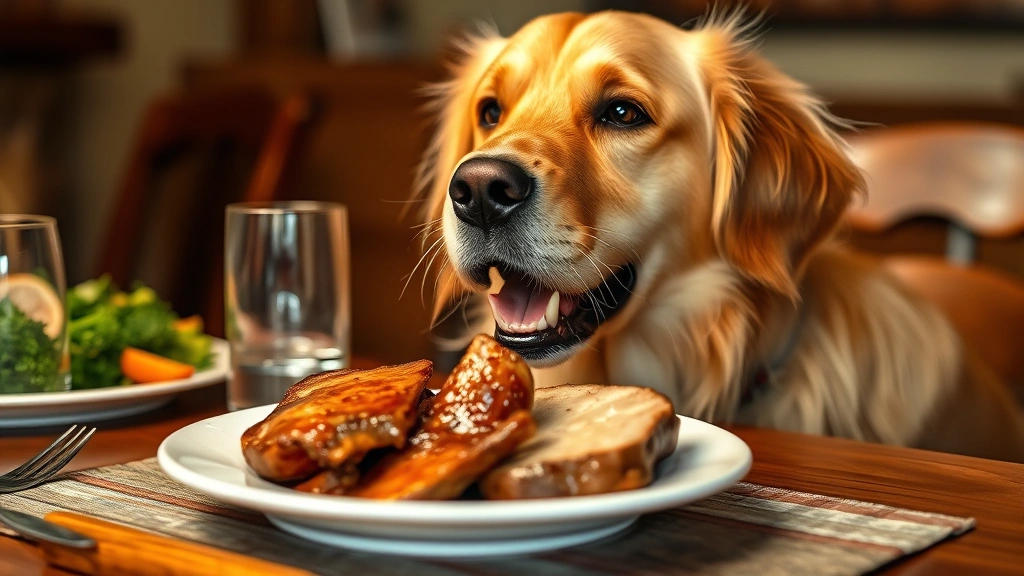
Picture this: you’re sitting down to a delicious dinner of juicy pork chops, and your furry best friend is giving you those irresistible puppy-dog eyes from under the table. It’s a scenario that plays out in countless households, and it raises an important question that many dog owners grapple with—can dogs eat pork chops? The short answer is yes, but with some important caveats that every responsible pet parent should understand.
Pork is actually a legitimate protein source for dogs, and it’s found in many commercial dog foods. However, the way pork chops are prepared for human consumption can make them problematic for our canine companions. The difference between a safe treat and a potential health hazard often comes down to preparation, seasoning, and portion size. In this comprehensive guide, we’ll walk you through everything you need to know about feeding pork chops to your dog, including what’s safe, what’s dangerous, and how to do it right.
Whether you’re wondering if you can share your dinner with your pup or you’re considering pork chops as part of their regular diet, this article will give you the knowledge to make informed decisions about your dog’s nutrition.
Is Pork Safe for Dogs?
The straightforward answer is yes—pork is generally safe for dogs and is actually a nutritious protein source. According to the American Kennel Club, pork is a common ingredient in many commercial dog foods and can provide essential amino acids that support muscle development and maintenance. Your dog’s digestive system is perfectly capable of processing pork, just as it does with chicken, beef, and other meats.
However, context is everything in pet nutrition. The pork chop sitting on your dinner plate isn’t the same as plain, cooked pork that you’d prepare specifically for your dog. Restaurant-quality pork chops and homemade versions prepared for human consumption are typically loaded with seasonings, fats, and other ingredients that may not be ideal for your furry friend. Additionally, concerns about bones in meat add another layer of complexity to this question.
It’s also worth noting that while pork is safe, it’s not necessarily the best choice for every dog. Some dogs have sensitivities to pork, and certain health conditions might make pork a less-than-ideal protein source. If your dog has a history of pancreatitis or digestive issues, consult with your veterinarian before introducing pork into their diet.
Plain Pork Chops: The Safest Option
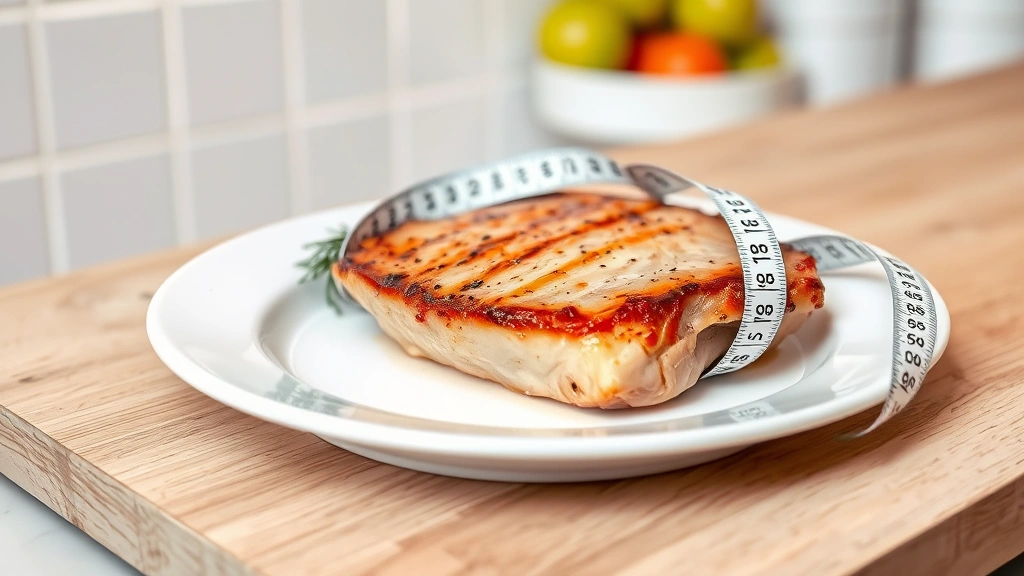
If you want to share pork chops with your dog, plain is the way to go. A pork chop that’s been cooked with absolutely no seasoning, no oil, and no additives is the safest option for your canine companion. This means baking, boiling, or grilling the pork chop with nothing but heat—no salt, no garlic, no onions, and no other flavorings.
When prepared this way, pork chops can actually be a decent occasional treat or supplement to your dog’s regular diet. The meat provides lean protein and several important nutrients, including B vitamins and minerals like zinc and selenium. A small piece of plain, cooked pork chop can be a nice change of pace from their regular kibble.
The key to success is moderation. Pork chops are relatively high in fat, and too much fatty food can lead to digestive upset or contribute to weight gain. As a general rule, treats (including pork chops) should make up no more than 10% of your dog’s daily caloric intake. For most dogs, this means a small piece—think the size of a dice cube or smaller—rather than an entire chop.
Preparation Methods Matter
How you prepare the pork chop makes all the difference between a safe treat and a potential problem. Let’s break down the most common preparation methods and how they affect safety:
Baking: Baking plain pork chops (with no oil, seasoning, or butter) is one of the safest preparation methods. The dry heat cooks the meat thoroughly without adding any problematic ingredients. Once cooled to room temperature, you can offer small pieces to your dog.
Boiling: Boiling pork chops in plain water is another excellent option. This method removes some of the fat from the meat and is particularly good for dogs with sensitive stomachs. Just make sure to let the meat cool before serving.
Grilling: Grilled pork chops can work, but only if they’re grilled plain without any marinades, rubs, or brushings of oil. If you’re grilling for yourself and your dog, cook your dog’s portion separately to avoid cross-contamination with seasonings.
Pan-frying: Avoid cooking pork chops in butter, oil, or any kind of fat if you’re planning to share with your dog. The added fat can cause digestive upset and isn’t necessary for your pup’s health.
Slow cooking: While slow cookers are great for preparing tender meat, they often involve broth, seasonings, and other ingredients that aren’t suitable for dogs. If you use a slow cooker, prepare your dog’s portion in plain water separately.
The Bone Question
One of the most critical considerations when it comes to pork chops and dogs is the question of bones. Many pork chops come with bones attached, and this is where things get tricky. To understand the full picture, you should definitely read about pork chop bones specifically, as well as the broader topic of whether dogs can have pork chop bones.
The general consensus among veterinarians is that cooked bones pose significant risks to dogs. Cooked pork bones become brittle and can splinter, creating sharp fragments that can cause serious injuries to your dog’s mouth, throat, and digestive tract. These splinters can lead to choking, blockages, or punctures in the intestines—all of which are veterinary emergencies.
If you’re serving pork chops to your dog, always remove every trace of bone first. This includes small fragments that might be hidden in the meat. If you’re unsure whether all the bone has been removed, it’s better to err on the side of caution and not share that particular chop. For more information on the broader topic of bones and dogs, consult that comprehensive guide.
Raw bones are a different story and are generally considered safer than cooked bones, but they come with their own set of risks, including bacterial contamination and potential breakage. If you’re interested in giving your dog bones as part of a raw diet, do thorough research and consult with your veterinarian first.
Seasoning and Flavoring Risks
This is where most pork chops become problematic for dogs. The seasonings and flavorings that make pork chops delicious for humans can be dangerous for our canine companions. Let’s look at common culprits:
Garlic and Onions: These are toxic to dogs and can damage their red blood cells, leading to hemolytic anemia. Even small amounts can be harmful, so avoid any pork chops seasoned with garlic powder, onion powder, or fresh garlic and onions.
Salt: While dogs need some sodium in their diet, excessive salt can lead to dehydration and sodium ion toxicity. Most commercial seasonings contain far too much salt for a dog’s needs.
Spices: Common spices like black pepper, cayenne, and paprika can irritate a dog’s digestive system. Some dogs may experience vomiting or diarrhea after consuming heavily spiced foods.
Smoke Flavoring: Smoked pork chops contain compounds that may not be ideal for dogs, and the smoking process can create carcinogenic substances that aren’t beneficial for anyone, including your pup.
Barbecue Sauce and Glazes: These often contain sugar, salt, and sometimes xylitol (a sweetener that’s toxic to dogs). Even a small amount of barbecue sauce can cause problems.
The takeaway: if you can taste the seasoning on the pork chop, it’s not safe for your dog. Plain is always the way to go.
Portion Control Guidelines
Even plain, boneless pork chops should only be given to your dog in moderation. Here’s a practical guide for portion sizes based on your dog’s weight:
- Small dogs (under 25 lbs): A piece no larger than a dice cube, once or twice per week
- Medium dogs (25-50 lbs): A piece about the size of your thumb, once or twice per week
- Large dogs (50-100 lbs): A piece about the size of your index finger, once or twice per week
- Giant dogs (over 100 lbs): A piece about the size of your pinky finger, once or twice per week
Remember that pork chops are high in fat, which can contribute to pancreatitis in dogs. This is especially important if your dog has a history of digestive issues or if they’re overweight. When you give your dog a pork chop treat, reduce their regular food portion that day to maintain consistent caloric intake.
If your dog has never had pork before, start with a very small piece to see how their digestive system responds. Some dogs tolerate new proteins well, while others may experience loose stools or vomiting. If your dog shows any signs of digestive upset, discontinue offering pork and consult your veterinarian.
When Pork Chops Become Dangerous
While plain pork chops in moderation are generally safe, several scenarios can make them dangerous. Understanding these situations will help you keep your dog safe:
High-Fat Content: Fatty pork chops can trigger pancreatitis, a serious inflammatory condition of the pancreas. Dogs with a history of pancreatitis should never be given pork chops. If your dog is experiencing vomiting, abdominal pain, or diarrhea after eating a fatty pork chop, seek veterinary care immediately. For more information on digestive issues, check out our guide on what to feed a dog with diarrhea.
Bones and Splinters: As discussed earlier, cooked pork bones are a serious choking and blockage hazard. Any pork chop with bone fragments should not be given to your dog.
Excessive Seasoning: Heavily seasoned pork chops can cause acute gastroenteritis, characterized by vomiting, diarrhea, and abdominal pain. In severe cases, this can lead to dehydration and electrolyte imbalances.
Allergic Reactions: Some dogs have pork allergies or sensitivities. Signs include itching, skin rashes, ear infections, or gastrointestinal upset. If your dog shows these symptoms after eating pork, avoid it in the future.
Contamination: Pork chops that have been left out at room temperature or aren’t cooked properly can harbor harmful bacteria like salmonella or E. coli. Always ensure pork is cooked thoroughly (internal temperature of 160°F) and served fresh.
Healthier Protein Alternatives
While pork chops can be an occasional treat, there are other protein options that might be better for your dog’s overall health. If you’re looking for variety in your dog’s diet, consider these alternatives:
Chicken: Lean, skinless, boneless chicken breast is an excellent protein source for dogs. It’s lower in fat than pork and less likely to cause digestive issues. Boiled or baked plain chicken is a great treat.
Turkey: Similar to chicken, turkey is a lean protein that most dogs tolerate well. Ground turkey or turkey breast can be a nice addition to your dog’s diet.
Beef: If you’re interested in other red meats, ground beef can be a good option when prepared plain. Lean cuts are preferable to fatty ones.
Fish: Salmon and other fatty fish provide omega-3 fatty acids that support skin and coat health. Just make sure it’s cooked and boneless.
Eggs: Cooked eggs (boiled or scrambled without oil or seasoning) are an excellent protein source and are well-tolerated by most dogs.
These alternatives often provide similar or superior nutritional benefits compared to pork chops, with fewer potential complications. If you’re considering adding new proteins to your dog’s diet, discuss options with your veterinarian to ensure you’re meeting all their nutritional needs.
Frequently Asked Questions
Can dogs eat cooked pork chops?
Yes, dogs can eat plain, cooked pork chops without bones or seasoning. However, they should only be given occasionally and in small portions due to their high fat content. Always remove all bones before serving.
Are pork chop bones safe for dogs?
Cooked pork chop bones are not safe for dogs. They become brittle when cooked and can splinter, causing choking hazards or intestinal blockages. Raw bones carry their own risks and should only be given under veterinary guidance.
What should I do if my dog ate a seasoned pork chop?
If your dog ate a heavily seasoned pork chop, monitor them closely for signs of digestive upset such as vomiting, diarrhea, or abdominal pain. If they show severe symptoms or if the pork chop contained garlic or onions, contact your veterinarian immediately. For guidance on managing digestive issues, refer to our article on what to feed a dog with diarrhea.
How often can I give my dog pork chops?
Plain pork chops should be an occasional treat, no more than once or twice per week, and only in small portions. They should never constitute more than 10% of your dog’s daily caloric intake.
Is pork healthier than chicken for dogs?
Chicken is generally a healthier choice than pork for dogs because it’s leaner and lower in fat. This makes it less likely to cause digestive upset or pancreatitis. However, both can be part of a balanced diet when prepared properly.
Can puppies eat pork chops?
Puppies have more sensitive digestive systems than adult dogs. While plain pork chops are technically safe, puppies are better served by foods specifically formulated for their developmental needs. If you want to give your puppy a pork treat, consult your veterinarian first.
What about bacon and other pork products?
Most other pork products like bacon and sausage are heavily seasoned and fatty, making them less suitable for dogs than plain pork chops. Bacon, in particular, is extremely high in salt and fat and should be avoided.
Can my dog be allergic to pork?
Yes, some dogs can develop allergies or sensitivities to pork. Signs include itching, skin problems, ear infections, or gastrointestinal issues. If you suspect your dog has a pork allergy, eliminate it from their diet and consult your veterinarian about appropriate testing.





