
Can Dogs Eat Potato Chips? Safety Tips Every Dog Owner Should Know
We’ve all been there—you’re sitting on the couch enjoying a crunchy handful of potato chips when your furry best friend gives you those irresistible puppy dog eyes. It’s tempting to share, isn’t it? But before you toss a chip or two to your pup, let’s talk about whether this beloved snack is actually safe for dogs. The short answer? Not really. While a single chip won’t send your dog to the emergency vet, potato chips are far from an ideal treat for your canine companion.
Potato chips might seem harmless since they’re made from potatoes, a vegetable that’s generally safe for dogs. However, the way they’re prepared—loaded with salt, fat, and various seasonings—makes them problematic for your pooch’s health. Understanding the risks associated with potato chips and learning about safer snacking alternatives can help you make informed decisions about what treats to offer your furry friend.
In this comprehensive guide, we’ll explore everything you need to know about dogs and potato chips, including the potential health risks, what to do if your dog accidentally eats them, and some delicious alternatives that will make your pup just as happy without the guilt.
Why Potato Chips Are Problematic for Dogs
When we talk about whether dogs can have potato chips, we need to look at the bigger picture of canine nutrition. Dogs have different dietary requirements than humans, and their digestive systems process food differently. Potato chips, in their standard form, contain several elements that don’t align with what a dog’s body needs.
The primary concerns with potato chips for dogs include excessive sodium, high fat content, and various seasonings that may be harmful. Additionally, the processing method used to create chips—deep frying—introduces compounds that aren’t beneficial for canine health. Unlike whole potatoes, which can be fed to dogs in moderation when properly prepared, commercial potato chips are heavily processed and refined.
Pet nutritionists and veterinarians consistently recommend avoiding potato chips as treats for dogs. The risks far outweigh any potential benefits, especially when there are so many safer alternatives available that your dog will enjoy just as much.
The Salt Problem: Understanding Sodium Toxicity
Salt is one of the biggest culprits when it comes to why dogs shouldn’t eat salty foods like potato chips. A typical serving of potato chips contains significantly more sodium than a dog should consume in a single sitting. While dogs do need some sodium for proper bodily function, the amount found in snack foods is excessive and potentially dangerous.
According to the Association of American Feed Control Officials, adult dogs require only about 0.3% sodium in their diet. A single ounce of potato chips can contain 150-200 mg of sodium, which is substantial for a small to medium-sized dog. For perspective, a 25-pound dog should consume no more than 100-200 mg of sodium per day from all food sources combined.
Excessive salt intake can lead to hypernatremia, a condition where sodium levels in the blood become dangerously high. Symptoms include excessive thirst, vomiting, diarrhea, lethargy, and in severe cases, seizures or kidney damage. Even if your dog doesn’t experience acute symptoms from eating a few chips, regular consumption of salty treats can contribute to long-term health issues including high blood pressure and kidney problems.
Fat Content and Digestive Issues
Beyond the salt concern, potato chips are incredibly high in fat. Most commercial varieties contain 10-15 grams of fat per ounce, which is substantial. When dogs consume excessive amounts of fat, it can lead to several digestive problems and potentially more serious health conditions.
High-fat foods can trigger pancreatitis, an inflammation of the pancreas that’s extremely painful and potentially life-threatening. Dogs with pancreatitis experience severe abdominal pain, vomiting, diarrhea, and loss of appetite. Certain breeds, including Schnauzers and Cocker Spaniels, are genetically predisposed to this condition, making them especially vulnerable to high-fat foods.
Additionally, the high fat content in fried foods like potato chips can contribute to obesity, which is a growing problem among dogs. Obesity in dogs is linked to numerous health issues including diabetes, joint problems, and heart disease. Since potato chips provide little to no nutritional value while being calorie-dense, they’re essentially empty calories that can quickly contribute to weight gain.
Seasonings and Additives to Avoid
While plain, unsalted potato chips are problematic enough, most commercial varieties contain additional seasonings and additives that compound the danger. Flavored chips often contain garlic powder, onion powder, or other ingredients that are toxic to dogs.
Garlic and onion, whether fresh, powdered, or concentrated, contain compounds called thiosulfates that can damage dogs’ red blood cells and cause hemolytic anemia. Even small amounts of these seasonings can be harmful, particularly for smaller dogs. Barbecue-flavored chips, ranch-flavored chips, and salt-and-vinegar varieties all pose additional risks beyond just the base potato chip.
Some chips also contain artificial flavors, preservatives, and other additives that may cause allergic reactions or digestive upset in sensitive dogs. If your dog has food sensitivities or allergies, the risk of negative reactions to flavored chips increases significantly. Learn more about what to give dogs for allergies to understand which foods are safest for dogs with dietary sensitivities.
What to Do If Your Dog Eats Potato Chips
Don’t panic if your dog manages to snag a chip or two from your snack bowl. A small amount of potato chips is unlikely to cause serious harm, especially for larger dogs. However, the response depends on several factors including your dog’s size, the quantity consumed, and the type of chips.
If your dog eats just one or two plain potato chips, monitor them for any signs of digestive upset. Most dogs will be fine with minimal symptoms. However, if your dog consumes a large handful of chips, particularly flavored varieties, you should contact your veterinarian for guidance.
Signs of concern that warrant veterinary attention include vomiting, diarrhea, excessive drooling, lethargy, abdominal pain, or difficulty breathing. These symptoms could indicate a more serious reaction, particularly if your dog ate garlic or onion-flavored chips. Your vet may recommend inducing vomiting or other treatments depending on the situation.
To prevent accidental ingestion, keep chips and other human snacks out of your dog’s reach. Use secure storage containers and be mindful during snack time, especially if you have a particularly persistent or food-motivated pup. Training your dog to leave human food alone is one of the best preventative measures you can take.
Healthy Snack Alternatives for Your Dog
The good news is that there are plenty of delicious, healthy alternatives to potato chips that your dog will love. When you’re looking for appropriate snacks for dogs, you have numerous options that provide nutritional value while keeping your pup’s health in mind.
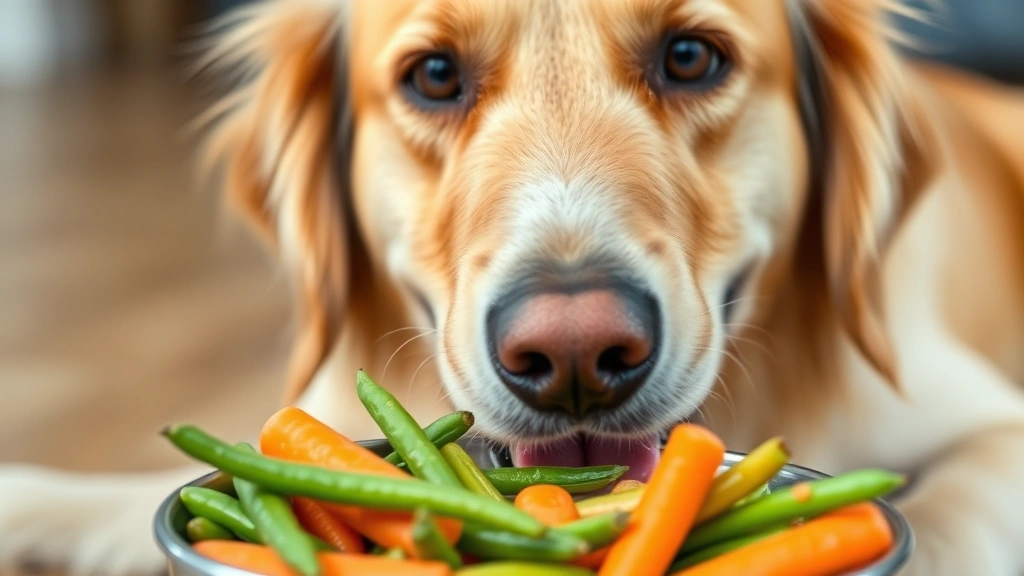
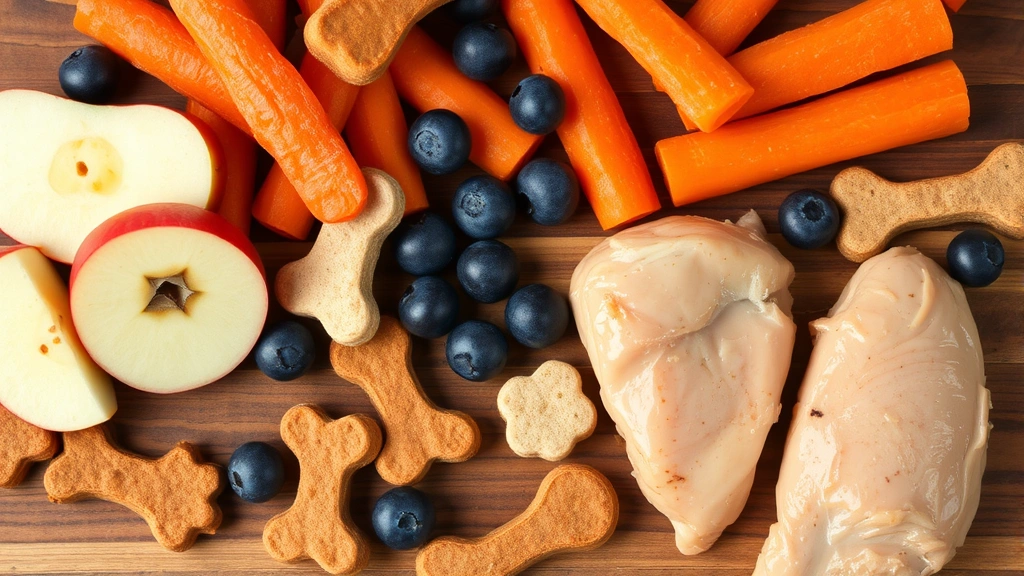
Vegetable-based treats: Carrots, green beans, and sweet potato slices make excellent crunchy treats that are low in calories and high in fiber. Many dogs enjoy the satisfying crunch of raw carrots, which also help clean their teeth naturally. You can even freeze these vegetables for a refreshing treat during hot weather.
Fruit options: Apples (without seeds), bananas, and blueberries are nutritious treats packed with vitamins and antioxidants. Watermelon and cantaloupe are great for hydration, especially in summer. Always remove any seeds or pits before offering fruit to your dog.
Protein-rich treats: Plain cooked chicken, turkey, or beef (without seasoning or bones) provides excellent protein. You can also offer plain, unsalted peanut butter in moderation—just make sure it doesn’t contain xylitol, which is toxic to dogs. Eggs are another great protein source that most dogs enjoy.
Commercial dog treats: Look for treats specifically formulated for dogs that are low in sodium and fat. Many brands offer healthy options made from whole ingredients without artificial additives. Check the ingredient list and nutritional information to ensure you’re choosing quality products.
Homemade options: You can make your own dog treats using simple ingredients like pumpkin, oats, and peanut butter. These homemade treats give you complete control over ingredients and portion sizes, ensuring your dog gets only what’s safe and healthy.
Understanding Proper Portion Control
Regardless of which treats you choose for your dog, portion control is essential for maintaining a healthy weight and balanced diet. Treats should make up no more than 10% of your dog’s daily caloric intake, with the remaining 90% coming from their regular balanced diet. Understanding how much food to feed your dog helps ensure you’re not overfeeding treats.
To calculate appropriate treat portions, first determine your dog’s daily caloric needs based on their age, size, activity level, and metabolism. A veterinarian can help with this calculation, or you can use online calculators designed for dogs. Once you know the total calories, simply calculate 10% and use that as your maximum daily treat allowance.
For example, a 30-pound dog might need approximately 900 calories per day, meaning treats should not exceed 90 calories daily. This helps prevent weight gain and ensures that treats complement rather than replace nutritious meals.
Keep in mind that different treats have different calorie densities. A small carrot has very few calories and can be offered more liberally, while richer treats like peanut butter should be given in smaller portions. Reading labels on commercial treats helps you make informed decisions about portion sizes.
Frequently Asked Questions
Can dogs eat plain, unsalted potato chips?
While plain, unsalted potato chips are better than seasoned varieties, they’re still not ideal for dogs. Even unsalted chips are high in fat and provide no nutritional value. Occasional tiny amounts won’t cause serious harm to most dogs, but they shouldn’t be a regular treat. There are much healthier options available that provide actual nutritional benefits.
What if my dog ate a whole bag of potato chips?
If your dog consumed a large quantity of potato chips, contact your veterinarian immediately. Depending on the dog’s size and the chip variety, this could potentially cause serious issues including pancreatitis or salt toxicity. Your vet may need to examine your dog and potentially provide treatment such as IV fluids or other supportive care.
Are baked potato chips safer than fried chips for dogs?
Baked chips are slightly better than fried varieties since they contain less fat, but they’re still not recommended for dogs. They typically still contain high sodium levels and offer no nutritional advantage. The salt content remains problematic regardless of whether the chips are fried or baked.
Can puppies eat potato chips?
Puppies should definitely avoid potato chips. Their developing bodies are even more sensitive to excessive salt and fat than adult dogs. Additionally, puppies are more prone to pancreatitis when exposed to high-fat foods. Stick to age-appropriate puppy treats and foods specifically formulated for growing dogs.
What about kettle-cooked or specialty potato chips?
Specialty varieties like kettle-cooked chips typically contain even more salt and fat than standard chips, making them worse choices for dogs. Flavored varieties with seasonings pose additional risks. No matter the brand or style, potato chips are best kept away from your dog’s diet entirely.
How can I tell if my dog has salt poisoning?
According to the ASPCA Animal Poison Control Center, signs of salt poisoning in dogs include excessive thirst, vomiting, diarrhea, lethargy, tremors, seizures, and difficulty walking. If you suspect your dog has consumed dangerous amounts of salt, contact your veterinarian or poison control immediately.
Are there any dog breeds that can safely eat potato chips?
No dog breed can safely consume potato chips regularly. While larger dogs might tolerate an occasional chip better than smaller dogs due to their size, all dogs are at risk from the sodium and fat content. Individual dogs may have varying tolerances, but that doesn’t make chips safe—it just means some might not show symptoms immediately.





