
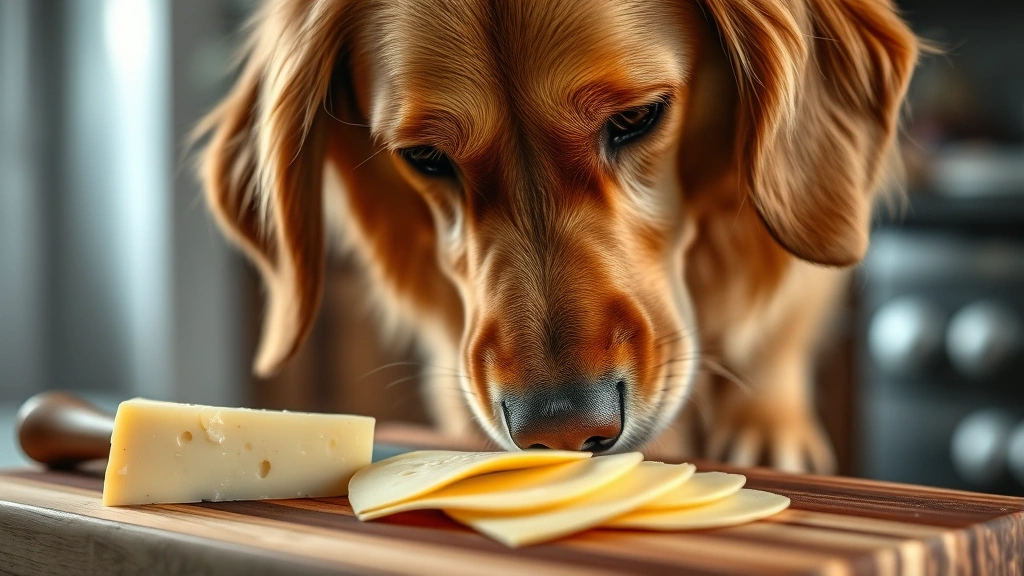
Can Dogs Have Provolone Cheese? A Complete Safety Guide for Pet Owners
Your furry best friend gives you those irresistible puppy dog eyes while you’re slicing up a delicious provolone sandwich, and suddenly you’re wondering: Is it safe to share? As a devoted dog parent, you want to treat your pup to the good stuff, but not at the expense of their health. The question of whether dogs can have provolone cheese isn’t as straightforward as a simple yes or no, and that’s exactly what we’re here to explore today.
Provolone cheese is a semi-hard Italian cheese that’s beloved in kitchens across the globe. It’s tangy, it’s delicious, and it’s found in everything from charcuterie boards to gourmet sandwiches. But just because something is safe for humans doesn’t mean it’s automatically safe for our four-legged companions. Dogs have different digestive systems, different nutritional needs, and different tolerances for certain foods. Understanding these differences is crucial before you hand over even a tiny morsel to your pup.
In this comprehensive guide, we’ll break down everything you need to know about provolone cheese and dogs, including the nutritional aspects, potential health risks, safe serving practices, and when you should definitely skip the cheese altogether. By the end of this article, you’ll have all the information you need to make an informed decision about your dog’s diet.
Is Provolone Cheese Safe for Dogs?
The short answer is: provolone cheese is generally safe for dogs in small amounts, but it comes with several important caveats. Unlike some foods that are toxic to dogs, provolone isn’t poisonous. However, that doesn’t mean it should become a regular part of your dog’s diet or that it’s appropriate for every dog.
When we talk about food safety for dogs, we need to consider multiple factors beyond just whether something is toxic. We need to think about digestive tolerance, caloric content, sodium levels, fat content, and individual health conditions. Provolone checks out on the toxicity front, but it can still cause problems if given irresponsibly.
Most dogs can digest small amounts of provolone without immediate adverse effects, particularly if they’re already accustomed to eating cheese. However, whether dogs can eat cheese depends largely on portion size and frequency. The key to safe cheese consumption for dogs is moderation—and we mean serious moderation. We’re talking about a small cube or thin slice as an occasional treat, not a regular snack.
According to the American Kennel Club, while cheese can be given to dogs, it should only make up a small percentage of their daily caloric intake. Most veterinarians recommend that treats, including cheese, should comprise no more than 10% of a dog’s daily calories. This means that for a small dog, even a small piece of provolone might be pushing it.
Nutritional Content and Composition
Understanding what’s actually in provolone cheese is essential to evaluating its safety for your dog. Let’s break down the nutritional profile of this Italian favorite and see how it stacks up as a canine treat.
A typical serving of provolone cheese (about one ounce) contains approximately:
- Calories: 98-100
- Protein: 7 grams
- Fat: 7-8 grams
- Sodium: 240-250 milligrams
- Calcium: 214 milligrams
- Lactose: Less than 1 gram (most lactose is removed during cheese-making)
The protein content in provolone is actually quite good, and dogs do need protein in their diet. The calcium is also beneficial for bone health. However, the fat content and sodium levels are where concerns begin to arise, especially for dogs with certain health conditions.
One of the most important things to understand is that provolone contains significantly more sodium than many other foods dogs eat. A single ounce of provolone contains about 240 milligrams of sodium, which might not sound like much to us, but for a small dog, this could represent a substantial portion of their daily sodium allowance. The ASPCA notes that excessive sodium intake can lead to serious health issues in dogs.
The fat content is another consideration. While dogs need fat in their diet, provolone’s fat content is quite concentrated. For dogs prone to pancreatitis or those with sensitive digestive systems, this high fat concentration could be problematic.
It’s also worth noting that provolone is made from milk, and while the cheese-making process removes most lactose, trace amounts may remain. This is relevant because whether cheese is good for dogs partly depends on their individual lactose tolerance.
Potential Health Risks and Concerns
While provolone isn’t toxic, several health concerns warrant careful consideration before sharing it with your pup. Let’s explore the potential risks associated with giving provolone cheese to dogs.
Sodium Content and Heart Health: The high sodium content in provolone is perhaps the most significant concern. Dogs with heart conditions, hypertension, or those at risk for kidney disease should absolutely avoid provolone cheese. Even in healthy dogs, excessive sodium intake can contribute to health problems over time. Senior dogs, in particular, are more susceptible to the negative effects of high sodium consumption.
Fat Content and Pancreatitis: Provolone’s fat content is substantial, and for dogs with a history of pancreatitis or those prone to digestive upset, even small amounts could trigger issues. Pancreatitis is a serious inflammatory condition that can be life-threatening if not managed properly. If your dog has ever suffered from pancreatitis, provolone should be completely off-limits.
Weight Management: For dogs that are overweight or on a weight management program, the caloric density of provolone can be problematic. At nearly 100 calories per ounce, a seemingly innocent small piece can represent a significant caloric intake for a small dog. A 10-pound Chihuahua might only need around 300-400 calories per day, meaning that a single ounce of cheese could represent 25% of their daily caloric intake.
Lactose Intolerance: While most lactose is removed during cheese production, some dogs are sensitive enough that even trace amounts can cause digestive distress. Symptoms of lactose intolerance in dogs include diarrhea, vomiting, bloating, and gas. If your dog hasn’t had cheese before, start with an extremely small amount to test their tolerance.
Digestive Upset: Some dogs simply have sensitive digestive systems that don’t handle rich, fatty foods well. Even if they’re not lactose intolerant, the richness of provolone can cause stomach upset, diarrhea, or constipation in sensitive pups.
Choking Hazard: Depending on how you serve it, provolone could potentially pose a choking hazard, particularly for dogs who don’t chew their food thoroughly. Always slice or cut provolone into appropriately sized pieces for your dog’s size.

How to Safely Serve Provolone to Your Dog
If you’ve decided that provolone cheese is appropriate for your dog and your veterinarian has given the green light, here’s how to serve it safely and responsibly.
Check with Your Veterinarian First: Before introducing any new food to your dog’s diet, especially something as rich as provolone, consult with your veterinarian. This is particularly important if your dog has any existing health conditions, is on a special diet, or is taking medications that might interact with dairy products.
Start Small: When introducing provolone for the first time, offer only a tiny piece—about the size of a pea. Watch your dog carefully over the next 24-48 hours for any signs of digestive upset, allergic reaction, or other adverse effects.
Proper Portion Sizes: The appropriate portion of provolone for a dog depends on their size and overall diet:
- Small dogs (under 15 pounds): A piece no larger than a small pea, no more than once per week
- Medium dogs (15-50 pounds): A small cube (about ¼ inch), no more than twice per week
- Large dogs (over 50 pounds): A small piece (about ½ inch cube), no more than twice per week
Remember that these are maximum recommendations, and less is always better when it comes to treats like cheese.
Remove the Rind: While the rind of provolone is technically edible for dogs, it’s harder to digest and poses more of a choking hazard. Always remove the rind before offering any cheese to your dog.
Avoid Flavored Varieties: Some provolone varieties are smoked or have additional flavoring agents added. Stick to plain, unflavored provolone if you’re going to offer it. Avoid any varieties that contain garlic, onion, or other potentially harmful ingredients.
Use as a Training Treat: If you do offer provolone, use it strategically as a high-value training treat rather than a casual snack. This way, you control the amount and frequency more carefully.
Incorporate into Their Regular Diet Allowance: Remember that any cheese you give your dog should be counted as part of their daily caloric intake. If you give your dog a piece of provolone, reduce their regular food or treat portions accordingly to prevent overfeeding.
Cheese Alternatives and Better Options
If you’re looking for ways to give your dog a special treat or use cheese as a training reward, there are better options than provolone. Let’s explore some alternatives that offer similar appeal with fewer health risks.
Other Dog-Friendly Cheeses: When comparing provolone to other cheese options, whether dogs can eat cheddar cheese is a question many pet owners ask. Cheddar actually tends to be slightly lower in sodium than provolone, making it a marginally better choice. Mozzarella is another option that’s lower in sodium and fat than provolone. Swiss cheese is relatively low in lactose and sodium, making it another acceptable choice in moderation.
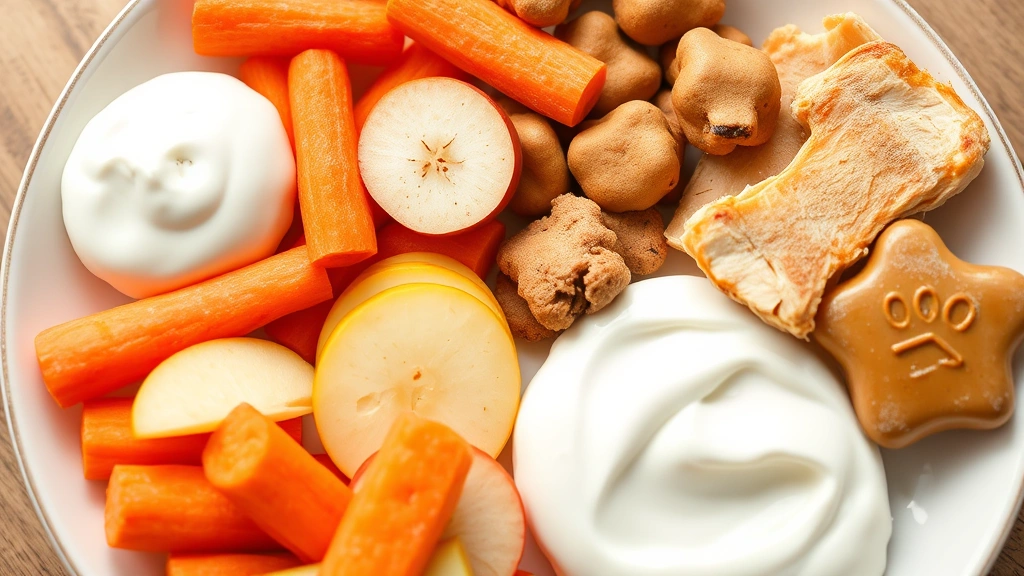
Non-Cheese Treat Alternatives: If you want to move away from cheese entirely, consider these dog-friendly alternatives:
- Plain Peanut Butter: Many dogs love peanut butter, and whether dogs can have peanut butter is generally yes—just make sure it’s xylitol-free. A small spoonful makes an excellent training treat.
- Carrots: Raw or cooked carrots are low in calories, promote dental health, and most dogs enjoy them.
- Apples: A small slice of apple (without seeds) is refreshing and lower in calories than cheese.
- Plain Cooked Chicken: Unseasoned, skinless chicken breast is an excellent protein-rich treat.
- Sweet Potato: Baked or steamed sweet potato provides nutrients and fiber without excessive calories.
- Watermelon: A refreshing, low-calorie treat perfect for warm weather.
Dairy Alternatives: If you want to stick with dairy but avoid cheese, whether dogs can have yogurt is another question worth exploring. Plain, unsweetened yogurt without artificial sweeteners can be a good option for some dogs, offering probiotics and protein with lower sodium than cheese.
Additionally, whether dogs can eat bacon is a question many pet owners have when looking for high-value training treats. While bacon is delicious to dogs, it’s even higher in sodium and fat than provolone, so it should be avoided or used only in the tiniest amounts.
The best approach is to diversify your dog’s treat options. This provides variety, prevents boredom, and reduces the risk of overfeeding any single food item. Consider creating a rotation of different treats throughout the week, ensuring that no single treat dominates their diet.
Frequently Asked Questions
Can all dogs eat provolone cheese?
No, not all dogs should eat provolone. Dogs with heart conditions, kidney disease, pancreatitis history, obesity, or lactose intolerance should avoid it entirely. Additionally, puppies, senior dogs, and dogs with sensitive digestive systems should generally skip provolone. Always consult your veterinarian before introducing new foods to your dog’s diet.
What should I do if my dog ate provolone accidentally?
If your dog consumed a small piece of provolone accidentally, don’t panic. Monitor them for the next 24-48 hours for signs of digestive upset such as diarrhea, vomiting, or unusual behavior. If they ate a large amount or show any concerning symptoms, contact your veterinarian immediately. Most healthy dogs will have no issues from a small accidental exposure.
Is provolone safer than other types of cheese for dogs?
Provolone isn’t particularly safer than other cheeses—it’s roughly comparable to many varieties. Some cheeses like mozzarella and Swiss are actually slightly better choices due to lower sodium content. The key factor isn’t the type of cheese but rather the portion size and frequency of consumption.
Can puppies have provolone cheese?
Puppies should generally avoid provolone. Their digestive systems are still developing, and the high fat and sodium content of provolone can be problematic. Additionally, puppies are more prone to pancreatitis from high-fat foods. Wait until your dog is fully grown and established on a stable diet before considering any cheese treats.
How much provolone is too much?
For most dogs, more than a small piece once or twice per week is too much. A piece smaller than a pea for small dogs and a small cube for larger dogs represents a reasonable maximum. Remember that this should be part of their overall treat allowance, not in addition to their regular meals and other treats.
Are there any health benefits to giving dogs provolone?
While provolone does contain protein and calcium, these nutrients are easily obtained from your dog’s regular food or from better-suited alternatives. The potential health risks of provolone generally outweigh any minor nutritional benefits it might provide. Your dog isn’t missing out on anything essential if you skip the provolone.
What are the signs my dog shouldn’t eat provolone?
Your dog shouldn’t eat provolone if they have a history of pancreatitis, heart disease, kidney disease, obesity, or digestive issues. Additionally, if they’re senior dogs, puppies, or have ever shown signs of lactose intolerance or food sensitivities, provolone should be avoided. When in doubt, consult your veterinarian.
Can I use provolone as a training treat?
Technically, you could use tiny pieces of provolone as a training treat, but there are better options available. High-value treats for training should be small, easy to consume quickly, and appropriate for frequent use. The richness of provolone makes it less ideal for frequent training sessions. Consider using plain cooked chicken, freeze-dried liver, or specialized training treats instead.





