

Can Dogs Have Psoriasis? Vet Insights on Canine Skin Conditions
If you’ve noticed your dog scratching excessively, developing flaky patches, or showing signs of skin irritation, you might wonder if psoriasis could be the culprit. While psoriasis is commonly associated with humans, pet owners often ask: can dogs have psoriasis? The answer is more nuanced than a simple yes or no. Dogs don’t develop true psoriasis in the way humans do, but they can experience similar skin conditions that mimic psoriatic symptoms. Understanding the difference between genuine psoriasis and psoriasis-like dermatological issues in dogs is crucial for proper diagnosis and treatment.
Veterinarians emphasize that misdiagnosis of canine skin conditions is surprisingly common among pet owners attempting self-diagnosis. What appears to be psoriasis might actually be seborrheic dermatitis, allergic reactions, fungal infections, or other inflammatory skin diseases. This comprehensive guide explores what veterinarians know about psoriasis in dogs, how to identify potential skin problems, and when to seek professional help. We’ll examine the science behind canine dermatology and provide evidence-based insights to help you better understand your dog’s skin health.
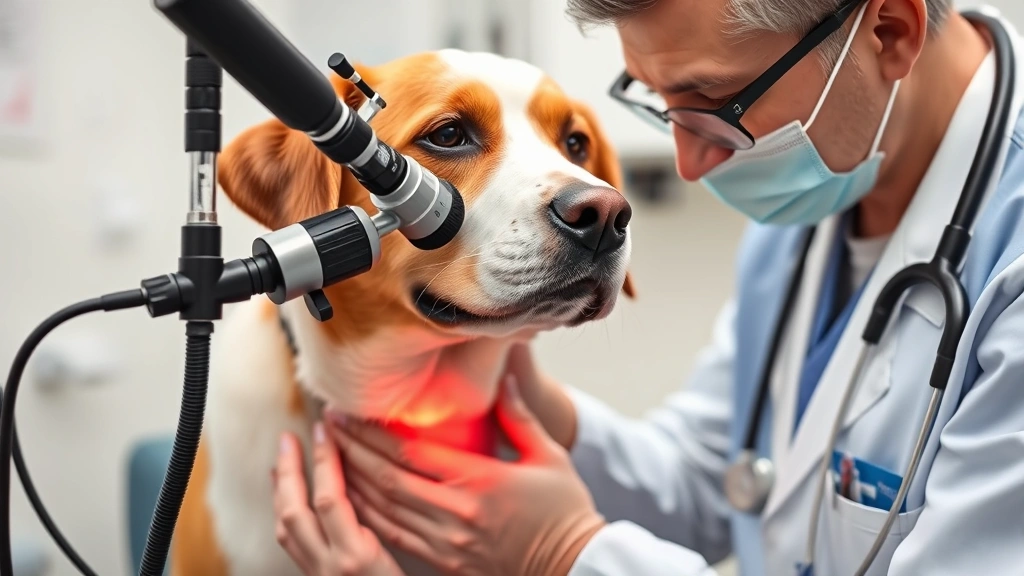
Do Dogs Actually Get Psoriasis?
The short answer is: dogs do not develop true psoriasis as it occurs in humans. True psoriasis is an autoimmune condition specific to human skin, characterized by a buildup of skin cells that create thick, silvery scales and red patches. The pathophysiology of human psoriasis involves specific immune mechanisms and genetic factors that don’t translate to canine dermatology in the same way.
However, dogs can develop several skin conditions that produce symptoms remarkably similar to psoriasis. These conditions share characteristics like scaling, redness, inflammation, and discomfort. Veterinary dermatologists have documented cases where dog owners initially suspected psoriasis, only to discover their pet had a completely different condition requiring different treatment approaches. This distinction matters significantly because treating a fungal infection with psoriasis-specific therapies would be ineffective and potentially harmful.
According to the American Animal Hospital Association, proper diagnosis through veterinary examination is essential for any persistent skin condition in dogs. The confusion between psoriasis and other conditions stems partly from overlapping visual symptoms, but the underlying causes and appropriate treatments differ substantially. Understanding your dog’s actual condition ensures they receive the most effective care possible.

Psoriasis-Like Conditions in Dogs
Several legitimate dermatological conditions in dogs can present with symptoms that resemble human psoriasis. These conditions deserve careful attention because they’re treatable once properly identified.
Seborrheic Dermatitis: This is perhaps the most common psoriasis-mimic in dogs. Seborrheic dermatitis causes greasy or dry scaling, often accompanied by a distinctive odor. The condition can be primary (idiopathic) or secondary to other health issues. Dogs with seborrheic dermatitis frequently experience itching and may develop secondary bacterial or yeast infections from constant scratching.
Allergic Dermatitis: Allergies represent one of the most prevalent skin problems in dogs. Whether triggered by food, environmental factors, or contact allergens, allergic reactions manifest as inflammation, redness, and scaling. Many dog owners don’t realize their pet’s skin issues stem from allergies until they work with a veterinarian to identify specific triggers.
Atopic Dermatitis: This chronic inflammatory condition affects dogs genetically predisposed to develop excessive immune responses to environmental allergens. Atopic dermatitis typically appears in young dogs and can severely impact quality of life without proper management. The condition often requires ongoing treatment and environmental modifications.
Fungal Infections: Ringworm and other fungal infections can produce scaling and inflammation that superficially resembles psoriasis. These infections are zoonotic, meaning they can spread to humans and other animals, making accurate diagnosis especially important.
Yeast Infections: Malassezia dermatitis causes redness, itching, and sometimes scaling or greasy patches. This condition is particularly common in dogs with floppy ears or skin folds where moisture accumulates.
Recognizing Symptoms of Canine Skin Disease
Identifying potential skin problems in your dog requires familiarity with normal canine skin and recognition of warning signs. Regular grooming and inspection sessions give you baseline knowledge of your dog’s typical skin condition, making abnormalities more obvious.
Visual Signs to Monitor:
- Red or inflamed patches on the skin
- Excessive scaling or flaking (often visible on bedding or furniture)
- Greasy or oily patches
- Hair loss or alopecia in specific areas
- Crusty or scabbed areas
- Unusual pigmentation changes
- Swollen or puffy skin
Behavioral Indicators:
- Constant scratching or licking specific areas
- Rubbing against furniture or the ground excessively
- Chewing at paws or skin
- Restlessness or difficulty sleeping due to discomfort
- Visible discomfort when touched in affected areas
Associated Symptoms:
- Foul odor emanating from skin
- Discharge or oozing from affected areas
- Changes in behavior or mood
- Secondary infections from scratching
It’s worth noting that some dogs experience general health issues like vomiting or other digestive problems that can be related to underlying health conditions affecting skin as well. Nutritional deficiencies, food sensitivities, and systemic health issues often manifest through skin symptoms.
Causes of Skin Problems in Dogs
Understanding what causes skin problems in dogs helps you identify potential preventive measures and recognize when professional intervention is necessary. Canine skin issues stem from diverse sources, and sometimes multiple factors combine to create persistent problems.
Genetic and Breed Predisposition: Certain breeds show higher predisposition to specific skin conditions. Bulldogs, Shar-Peis, and other wrinkled breeds frequently develop skin fold dermatitis. Terriers often struggle with atopic dermatitis. Golden Retrievers and Labradors commonly experience allergic skin disease. Understanding your dog’s breed-specific vulnerabilities allows for proactive monitoring.
Nutritional Factors: A dog’s skin health directly reflects their nutritional status. Deficiencies in omega-3 and omega-6 fatty acids, vitamins, minerals, and quality proteins compromise skin barrier function. While considering nutrition, you might also review appropriate feeding amounts and quality to ensure comprehensive health. Some dogs may benefit from dietary supplements specifically formulated for skin health, though veterinary approval is essential before adding supplements.
Environmental Allergens: Pollen, dust mites, mold, and other environmental triggers cause allergic reactions in susceptible dogs. Seasonal patterns often indicate environmental allergies, with symptoms worsening during specific times of year.
Food Allergies and Sensitivities: Certain proteins, grains, or additives trigger adverse reactions in some dogs. Food allergies typically cause year-round symptoms rather than seasonal patterns, and they often involve gastrointestinal issues alongside skin problems. Understanding whether your dog can tolerate certain foods—such as exploring whether milk is appropriate for your dog—helps identify potential dietary triggers.
Parasitic Infections: Fleas, mites, and lice cause significant skin irritation and secondary infections. Even dogs on regular flea prevention can occasionally develop parasitic issues, especially if prevention lapses.
Bacterial and Fungal Infections: Both primary infections and secondary infections (resulting from scratching and skin barrier compromise) contribute to skin disease. These infections require specific antimicrobial treatment.
Contact Allergens: Shampoos, cleaning products, fabrics, and materials can trigger contact dermatitis in sensitive dogs. Identifying and eliminating contact allergens often provides significant relief.
Stress and Behavioral Factors: Anxiety and stress can exacerbate skin conditions and trigger or intensify self-trauma through excessive licking and scratching. Some dogs develop psychogenic alopecia (excessive licking causing hair loss) in response to stress or boredom.
Diagnosis and Veterinary Assessment
Professional veterinary diagnosis is absolutely essential for properly identifying your dog’s skin condition. Veterinarians employ multiple diagnostic tools to accurately determine what’s causing your dog’s symptoms.
Physical Examination: A thorough physical exam provides the foundation for diagnosis. Veterinarians assess the distribution of lesions, examine skin texture and appearance, and evaluate overall skin health. The pattern and location of affected areas often provide crucial diagnostic clues.
Cytology and Microscopy: Skin scrapings and tape preparations examined under a microscope reveal parasites, fungal elements, and bacterial infections. This simple, non-invasive test often provides immediate diagnostic information.
Fungal Culture: When ringworm is suspected, fungal culture identifies the specific organism and guides appropriate treatment. Culture results take several days to weeks, but they provide definitive diagnosis.
Bacterial Culture: If bacterial infection is present, culture and sensitivity testing determine which antibiotics will be most effective.
Allergy Testing: Intradermal allergy testing and serological allergy testing help identify specific allergens triggering reactions in allergic dogs. These tests guide immunotherapy and environmental management strategies.
Elimination Diet Trial: When food allergies are suspected, an elimination diet involving novel proteins and carbohydrates can confirm food sensitivities. These trials typically last 8-12 weeks to allow adequate assessment.
Skin Biopsy: In complicated or non-responsive cases, skin biopsy provides histopathological diagnosis. Biopsy definitively identifies conditions like pemphigus, lupus, or other autoimmune dermatoses.
Your veterinarian’s expertise in interpreting these diagnostic results ensures accurate diagnosis and appropriate treatment planning. If your dog has general health concerns, such as signs of fever, these should also be evaluated as part of comprehensive assessment.
Treatment Options for Canine Dermatitis
Treatment approaches vary significantly depending on the underlying cause of your dog’s skin condition. Effective management often requires a multi-faceted approach combining medical therapy, environmental modifications, and nutritional support.
Topical Therapies: Medicated shampoos, conditioners, and sprays address skin conditions directly. Antifungal shampoos treat fungal infections, antibacterial shampoos manage bacterial overgrowth, and soothing oatmeal-based shampoos provide relief for inflamed skin. Topical corticosteroids and calcineurin inhibitors reduce inflammation in localized areas. Proper bathing technique and frequency matter significantly—overly frequent bathing can compromise skin barrier function.
Systemic Medications: Oral antibiotics treat bacterial infections, while antifungal medications address systemic fungal disease. Corticosteroids provide anti-inflammatory effects when topical therapy is insufficient. Newer immunosuppressive medications like cyclosporine and apoquel offer alternatives for managing chronic allergic dermatitis without long-term corticosteroid use.
Immunotherapy: Allergen-specific immunotherapy (allergy shots) gradually desensitizes dogs to specific allergens. This approach requires identifying specific triggers through allergy testing and works best for environmental allergies.
Nutritional Management: High-quality diets with appropriate fatty acid ratios support skin barrier function. Omega-3 and omega-6 supplementation reduces inflammatory responses. Ensuring adequate protein, vitamins, and minerals supports healing. Some dogs benefit from limited ingredient or hydrolyzed protein diets when food allergies are identified.
Environmental Modifications: Reducing exposure to identified allergens—whether through air filtration, frequent vacuuming, washing bedding regularly, or using hypoallergenic cleaning products—significantly improves outcomes in environmentally allergic dogs.
Parasite Prevention: Consistent, year-round flea and tick prevention eliminates parasitic causes of skin disease. Modern preventatives are highly effective when used as directed.
Behavioral Management: Addressing stress, providing adequate exercise, and preventing excessive licking through appropriate management (such as E-collars when necessary) prevents secondary trauma and allows healing.
Prevention and Long-Term Management
While some skin conditions are unavoidable due to genetics, many can be prevented or minimized through proactive management strategies. Long-term prevention requires consistency and ongoing attention.
Regular Grooming and Inspection: Frequent brushing removes dead hair and skin, improves circulation, and allows early detection of problems. During grooming, carefully inspect your dog’s skin for any abnormalities. This routine creates opportunities to identify issues before they become severe.
Parasite Prevention: Year-round flea and tick prevention eliminates a major source of skin disease. Consistent application of veterinary-recommended preventatives prevents infestations that trigger allergic reactions even in non-allergic dogs.
Nutritional Excellence: Feed high-quality diets formulated to support skin health. Look for appropriate levels of omega-3 and omega-6 fatty acids, quality protein sources, and complete vitamin and mineral profiles. Discuss any dietary concerns with your veterinarian before making changes.
Humidity Control: Maintaining appropriate humidity levels prevents excessive dryness or moisture that promotes infections. Humidifiers in dry climates and dehumidifiers or increased ventilation in humid environments help maintain healthy skin conditions.
Regular Veterinary Check-ups: Annual or bi-annual veterinary exams allow early detection of skin problems before they become severe. Veterinarians can identify breed-specific predispositions and recommend preventive strategies specific to your dog.
Stress Reduction: Providing adequate exercise, mental stimulation, and a stable environment reduces stress-related skin problems. Dogs with anxiety may benefit from appropriate training, enrichment activities, or professional behavioral support.
Water Quality: Some dogs benefit from filtered water or distilled water if tap water contains chlorine or minerals that irritate skin. This simple modification helps some sensitive dogs.
Allergen Avoidance: Once specific allergens are identified, proactive avoidance prevents reactions. This might involve switching cleaning products, changing bedding materials, or adjusting diet.
FAQ
Can psoriasis spread from humans to dogs?
No, human psoriasis cannot spread to dogs because psoriasis is a human-specific autoimmune condition. Dogs don’t develop true psoriasis. However, some fungal skin conditions are zoonotic and can spread between humans and dogs, making accurate diagnosis important for all family members’ health.
What’s the difference between psoriasis and seborrheic dermatitis in dogs?
Dogs don’t actually develop psoriasis, but seborrheic dermatitis produces similar scaling and inflammation. Seborrheic dermatitis in dogs is often secondary to allergies, infections, or hormonal imbalances. Diagnosis requires veterinary examination and possibly skin testing to distinguish between conditions and identify underlying causes.
How long does it take to treat canine skin conditions?
Treatment duration varies significantly depending on the underlying cause. Acute bacterial infections might resolve in 2-4 weeks with appropriate antibiotics. Fungal infections typically require 4-8 weeks of treatment. Allergic conditions often require ongoing management rather than cure. Your veterinarian can provide timeline estimates specific to your dog’s condition.
Are certain dog breeds more prone to skin problems?
Yes, breed predisposition significantly influences skin disease risk. Breeds with skin folds (Bulldogs, Shar-Peis), long droopy ears (Cocker Spaniels, Basset Hounds), or genetic predisposition to atopy (Terriers, Golden Retrievers) experience higher rates of skin disease. Knowing your dog’s breed-specific risks allows for proactive monitoring and prevention.
Can diet alone cure my dog’s skin problems?
Diet plays an important role in skin health and can resolve problems caused by nutritional deficiencies or food allergies. However, many skin conditions require medical treatment alongside dietary management. A comprehensive approach addressing the underlying cause—whether parasites, infections, or environmental allergens—produces the best outcomes. Discuss dietary modifications with your veterinarian as part of a complete treatment plan.
When should I see a veterinary dermatologist?
Consider consulting a veterinary dermatologist if your dog’s skin condition doesn’t improve with initial treatment, is severe or rapidly worsening, involves multiple body systems, or your general veterinarian recommends specialist evaluation. Dermatologists have specialized training in complex skin conditions and can provide advanced diagnostic and therapeutic options.





