
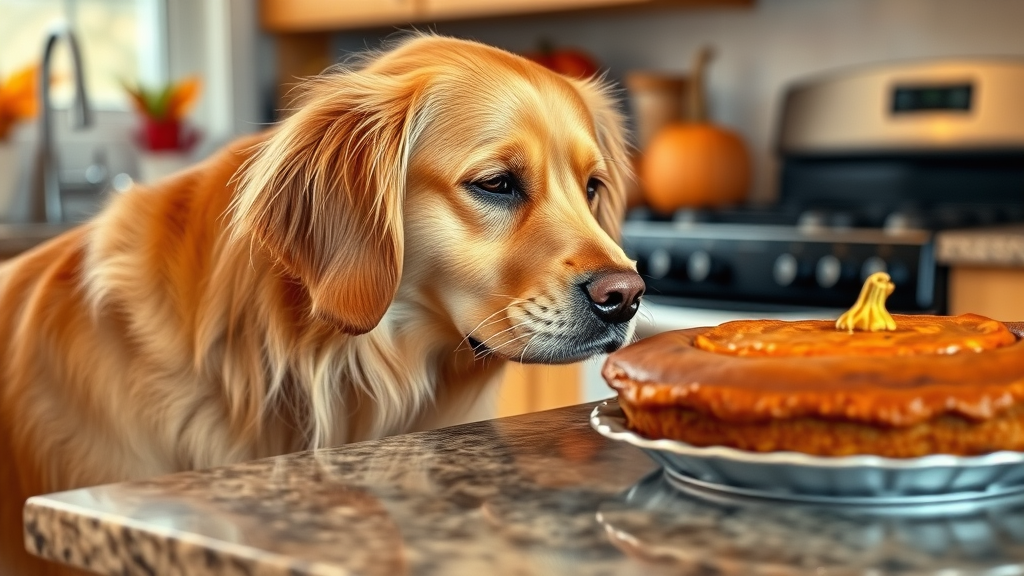
As autumn arrives and the delightful aroma of pumpkin pie fills our homes, many dog owners find themselves wondering whether they can share this seasonal treat with their beloved pets. The question “can dogs eat pumpkin pie” becomes particularly relevant during holidays like Thanksgiving when these desserts are abundant on our tables.
While pumpkin itself offers numerous health benefits for dogs, pumpkin pie presents a more complex scenario. This popular dessert contains various ingredients that may not be suitable for canine consumption, making it essential for pet owners to understand the potential risks and benefits before offering even a small taste to their furry companions.
The Nutritional Benefits of Plain Pumpkin for Dogs
Before diving into the complexities of pumpkin pie, it’s important to understand that plain pumpkin is actually highly beneficial for dogs. Can dogs eat pumpkin in its natural form? Absolutely! Plain, cooked pumpkin is packed with nutrients that can support your dog’s health in numerous ways.
Pumpkin is an excellent source of fiber, which aids in digestive health and can help regulate bowel movements in dogs experiencing either diarrhea or constipation. The American Kennel Club recognizes pumpkin as a beneficial addition to a dog’s diet when used appropriately. Additionally, pumpkin contains essential vitamins such as vitamin A, which supports eye health, and vitamin C, which boosts immune function.
The beta-carotene found in pumpkin acts as an antioxidant, helping to protect cells from damage and supporting overall health. Pumpkin also contains potassium, which is important for heart health and proper muscle function. Many veterinarians actually recommend plain pumpkin as a natural remedy for various digestive issues in dogs.

What’s Really in Pumpkin Pie: Ingredient Breakdown
Traditional pumpkin pie recipes contain far more than just pumpkin, and this is where the safety concerns begin. A typical pumpkin pie includes ingredients such as eggs, milk or cream, sugar, cinnamon, nutmeg, ginger, cloves, and sometimes vanilla extract. The pie crust adds another layer of complexity with ingredients like butter, flour, and often more sugar.
While some of these ingredients are relatively harmless to dogs in small quantities, others can pose serious health risks. The combination of high sugar content, dairy products, and specific spices creates a dessert that’s far from ideal for canine consumption. Understanding each component helps pet owners make informed decisions about what treats are appropriate for their dogs.
The concentration of these ingredients in a single slice of pie means that even a small portion could expose your dog to potentially harmful substances. This is particularly concerning for smaller dogs, where even minimal amounts of toxic ingredients can have significant effects.
Dangerous Ingredients in Pumpkin Pie for Dogs
Several ingredients commonly found in pumpkin pie can be harmful or even toxic to dogs. Nutmeg, for instance, contains myristicin, a compound that can cause hallucinations, increased heart rate, and disorientation in dogs. Even small amounts can lead to symptoms of toxicity, making it particularly dangerous for our canine companions.
The high sugar content in pumpkin pie is another major concern. Dogs’ digestive systems aren’t designed to process large amounts of sugar, which can lead to upset stomach, diarrhea, and potentially more serious issues like diabetes over time. The ASPCA warns about the dangers of feeding dogs foods high in sugar and fat.
Dairy ingredients like milk and cream can cause digestive upset in many dogs, as most adult dogs are lactose intolerant to some degree. This can result in symptoms ranging from mild stomach discomfort to severe diarrhea and vomiting. Additionally, some pumpkin pie recipes may contain xylitol, an artificial sweetener that is extremely toxic to dogs and can cause rapid insulin release, leading to hypoglycemia.
Similar concerns arise with other holiday treats, which is why cant dogs have chocolate and other common dessert ingredients that appear harmless to humans but pose serious risks to pets.
Safe Pumpkin Alternatives for Your Dog
Fortunately, there are many ways to let your dog enjoy the benefits of pumpkin without the risks associated with pumpkin pie. Plain, cooked pumpkin puree is the safest option and can be served as a treat or mixed into your dog’s regular food. When purchasing canned pumpkin, ensure it’s 100% pure pumpkin without added sugars, spices, or other ingredients.
You can also explore other pumpkin-related treats that are safe for dogs. Can dogs eat pumpkin seeds is another common question, and the answer is yes, but with proper preparation. Seeds should be cleaned, roasted without salt or seasonings, and given in moderation.
Fresh pumpkin can be cooked and pureed at home, giving you complete control over the ingredients. Simply remove the seeds and skin, cut the pumpkin into chunks, and steam or bake until soft. This homemade puree can be frozen in ice cube trays for convenient portions.

For dogs who enjoy variety, you might consider other safe fall vegetables. Can dogs eat sweet potato is another autumn favorite that offers similar nutritional benefits to pumpkin when prepared properly.
Signs of Food Toxicity in Dogs
Recognizing the signs of food toxicity is crucial for any dog owner. If your dog has consumed pumpkin pie or any potentially harmful food, watch for symptoms such as vomiting, diarrhea, excessive drooling, lethargy, loss of appetite, or unusual behavior. More severe symptoms might include difficulty breathing, seizures, or collapse.
The onset and severity of symptoms can vary depending on the size of your dog, the amount consumed, and the specific toxic ingredients involved. Smaller dogs are generally at higher risk due to their size, but any dog can experience adverse reactions to inappropriate foods.
According to the American Veterinary Medical Association, timing is crucial when dealing with potential poisoning cases. Early intervention often leads to better outcomes, so it’s important to act quickly if you suspect your dog has consumed something harmful.
Keep a record of what your dog ate, how much, and when the consumption occurred. This information will be valuable if you need to contact your veterinarian or a pet poison control hotline.
What to Do if Your Dog Eats Pumpkin Pie
If your dog has eaten pumpkin pie, don’t panic, but do take immediate action. First, remove any remaining pie from your dog’s reach to prevent further consumption. Assess how much your dog likely consumed and try to determine which ingredients were in the pie, as this information will be crucial for veterinary assessment.
Contact your veterinarian immediately, especially if the pie contained potentially toxic ingredients like nutmeg, xylitol, or if your dog is showing any symptoms of distress. Many veterinary clinics have emergency hotlines, and there are also pet poison control centers available 24/7, such as the Pet Poison Helpline.
Do not induce vomiting unless specifically instructed by a veterinary professional, as this can sometimes cause more harm than good. Instead, monitor your dog closely for any changes in behavior or symptoms. Provide fresh water to help with hydration, but avoid giving any food until you’ve received professional guidance.
Keep your dog calm and comfortable while you wait for veterinary advice. If symptoms develop or worsen, seek emergency veterinary care immediately. Time-sensitive treatment can make a significant difference in outcomes for food toxicity cases.
Dog-Friendly Pumpkin Recipes
Creating homemade pumpkin treats for your dog allows you to provide the nutritional benefits of pumpkin while maintaining complete control over the ingredients. A simple recipe involves mixing plain pumpkin puree with a small amount of plain yogurt (if your dog tolerates dairy) or coconut oil, then freezing the mixture in ice cube trays for a refreshing treat.
For a more substantial treat, you can create dog-friendly pumpkin cookies using ingredients like oat flour, plain pumpkin puree, and a small amount of honey. Avoid using regular wheat flour if your dog has sensitivities, and never include ingredients like chocolate chips, raisins, or artificial sweeteners.
Pumpkin can also be incorporated into your dog’s regular meals as a healthy supplement. The FDA provides guidelines for pet treats and emphasizes the importance of moderation even with healthy ingredients.
When creating homemade treats, remember that they should not make up more than 10% of your dog’s daily caloric intake. Always introduce new foods gradually to monitor for any adverse reactions, and consult with your veterinarian about appropriate portion sizes for your specific dog.
It’s worth noting that some dogs may have sensitivities to ingredients that are generally safe. Be cautious with toppings that might seem harmless, as questions like can dogs have whipped cream or can dogs eat marshmallows often arise during holiday seasons, and these ingredients are typically not recommended for dogs.
Frequently Asked Questions
Can dogs eat a small piece of pumpkin pie?
While a tiny taste of pumpkin pie is unlikely to cause serious harm to most dogs, it’s not recommended due to potentially toxic ingredients like nutmeg and high sugar content. The risks generally outweigh any benefits, and there are much safer ways to give your dog pumpkin.
What should I do if my dog ate pumpkin pie with nutmeg?
Contact your veterinarian immediately if your dog consumed pumpkin pie containing nutmeg. Nutmeg can be toxic to dogs and may cause symptoms like hallucinations, increased heart rate, and disorientation. Monitor your dog closely for any unusual behavior and seek professional veterinary advice.
How much plain pumpkin is safe for dogs?
For most dogs, 1-4 tablespoons of plain pumpkin per day is considered safe, depending on the dog’s size. Start with smaller amounts to see how your dog tolerates it. Large dogs can typically handle more, while small dogs should receive proportionally less. Always consult with your veterinarian for personalized recommendations.
Are pumpkin seeds safe for dogs to eat?
Yes, can dogs have pumpkin seeds when they’re properly prepared. Seeds should be cleaned, roasted without salt or seasonings, and given in moderation. Raw seeds can be difficult to digest, so roasted seeds are preferred. Remove any sharp edges and give only small amounts as treats.
What are the signs that my dog is having a bad reaction to pumpkin pie?
Watch for symptoms such as vomiting, diarrhea, excessive drooling, lethargy, loss of appetite, abdominal pain, or unusual behavior. More severe reactions might include difficulty breathing, seizures, or disorientation. If you notice any of these symptoms, contact your veterinarian immediately.
Can diabetic dogs have plain pumpkin?
Plain pumpkin can actually be beneficial for diabetic dogs due to its fiber content, which can help regulate blood sugar levels. However, always consult with your veterinarian before adding pumpkin to a diabetic dog’s diet, as it does contain natural sugars that need to be accounted for in their overall dietary management.
Is canned pumpkin pie filling the same as plain pumpkin puree?
No, canned pumpkin pie filling is very different from plain pumpkin puree. Pie filling contains added sugars, spices, and other ingredients that can be harmful to dogs. Always choose 100% pure pumpkin puree with no added ingredients when giving pumpkin to your dog. Read labels carefully to ensure you’re selecting the right product.





