

Here’s the short answer: yes, dogs can have pumpkin seeds, and they’re actually pretty good for them. But before you dump a handful into your pup’s bowl, there’s some real talk we need to have about portions, preparation, and when pumpkin seeds might not be the best choice for your dog.
I’ve seen plenty of dog owners get excited about adding “superfoods” to their pet’s diet, only to create digestive chaos or nutritional imbalances. Pumpkin seeds can be a solid addition to your dog’s nutrition plan, but like most good things, moderation and proper preparation matter. Let me walk you through what you need to know about can dogs have pumpkin seeds, the benefits, potential risks, and exactly how to serve them safely.
Are Pumpkin Seeds Safe for Dogs?
Yes, pumpkin seeds are safe for dogs when prepared correctly and given in appropriate amounts. Unlike some human foods that are outright toxic to dogs (like chocolate, grapes, or xylitol), pumpkin seeds don’t contain any compounds that will poison your dog. The seeds themselves are non-toxic, and many veterinarians actually recommend them as part of a balanced diet.
The key word here is “balanced.” Pumpkin seeds shouldn’t replace your dog’s regular meals or become a primary food source. Think of them as a supplement or occasional treat, similar to how you might use peanut butter as a treat or training reward.
According to the American Kennel Club, pumpkin (including seeds) can be beneficial for dogs’ digestive health. However, the AKC emphasizes that any new food should be introduced gradually and in moderation.
Pro Tip: If your dog has never had pumpkin seeds before, start with just a few seeds mixed into their regular food. Watch for any digestive upset over the next 24-48 hours before increasing the amount.
The real issue isn’t toxicity—it’s making sure you’re not creating an imbalance in their diet or causing digestive problems from sudden dietary changes.
Nutritional Benefits of Pumpkin Seeds for Dogs
Pumpkin seeds pack a surprising amount of nutrition into a small package. Here’s what makes them worth considering for your dog:
- Magnesium: Supports muscle function and bone health
- Zinc: Boosts immune system and promotes skin and coat health
- Iron: Essential for oxygen transport in the blood
- Manganese: Helps with bone development and metabolism
- Fiber: Aids digestive health and can help with both constipation and diarrhea
- Antioxidants: Help fight free radicals and reduce inflammation
- Omega-3 and Omega-6 fatty acids: Support skin, coat, and cognitive function
Many dog owners don’t realize that pumpkin seeds also contain compounds that may help with parasites. Historically, pumpkin seeds have been used as a natural dewormer, though modern veterinary medicine prefers prescription treatments. Still, the seeds can be a complementary addition to your dog’s diet.
If your dog struggles with digestive issues, the fiber content in pumpkin seeds can be genuinely helpful. I’ve seen dogs with mild constipation or irregular stools benefit from small amounts of pumpkin seeds mixed into their food. The same goes for other squash varieties, which offer similar digestive benefits.
For dogs with allergies or sensitive skin, the zinc and fatty acids in pumpkin seeds can support coat quality and reduce itching. If your dog deals with seasonal allergies or food sensitivities, check out our allergy guide for more comprehensive strategies.
How to Prepare Pumpkin Seeds for Your Dog
Preparation matters more than you’d think. Raw pumpkin seeds are fine, but there are a few ways to serve them safely:
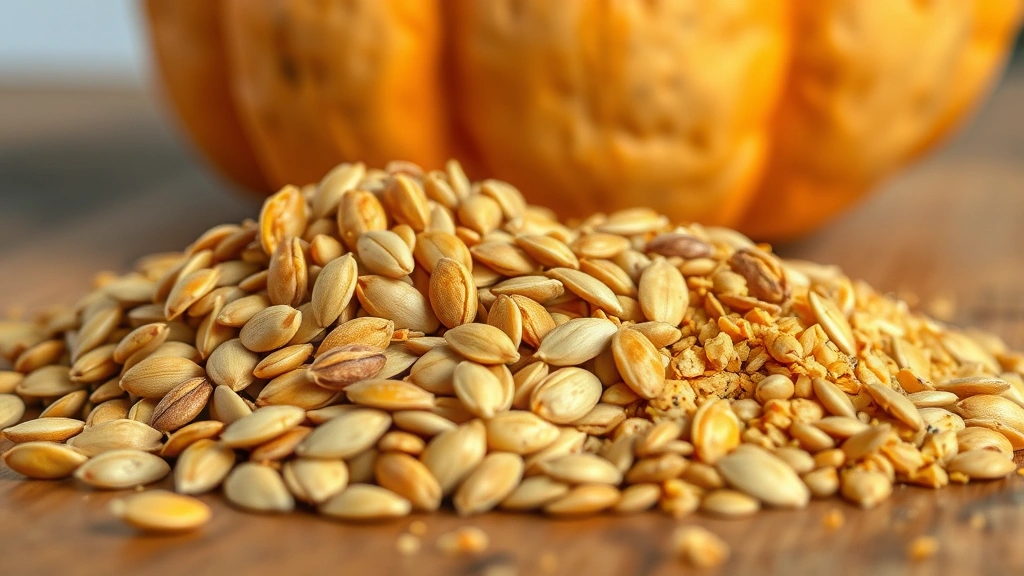
- Raw and unsalted: The simplest option. Just rinse them, let them dry, and remove the white shell if you prefer. Some dogs can choke on the shells, so grinding or crushing them is safer for smaller breeds.
- Roasted (unsalted): If you roast pumpkin seeds at home for yourself, you can set aside a small portion for your dog before adding salt or seasonings. Roast at 300°F for about 30-40 minutes.
- Ground into powder: Grind dried pumpkin seeds in a food processor or coffee grinder. This makes them easier to digest and reduces choking risk. Sprinkle the powder over their regular food.
- Pumpkin seed butter: Similar to peanut butter, but make sure it’s unsalted and has no added sugar or xylitol. This is a great way to give pumpkin seeds to dogs who won’t eat them whole.
What to absolutely avoid:
- Salted pumpkin seeds (excessive sodium is bad for dogs)
- Seeds with seasonings, spices, or garlic (these can irritate their digestive system)
- Candied or chocolate-coated seeds (obvious, but worth mentioning)
- Seeds from decorative pumpkins treated with pesticides (use food-grade pumpkins instead)
If you’re using seeds from a fresh pumpkin you carved, make sure to rinse them thoroughly and remove all the stringy pulp before drying or roasting. Mold can grow on wet seeds, which could make your dog sick.
Proper Portion Sizes and Frequency
This is where most dog owners mess up. They get enthusiastic about a “healthy” food and overfeed it, then wonder why their dog has digestive issues.
Here’s a practical guideline based on dog size:
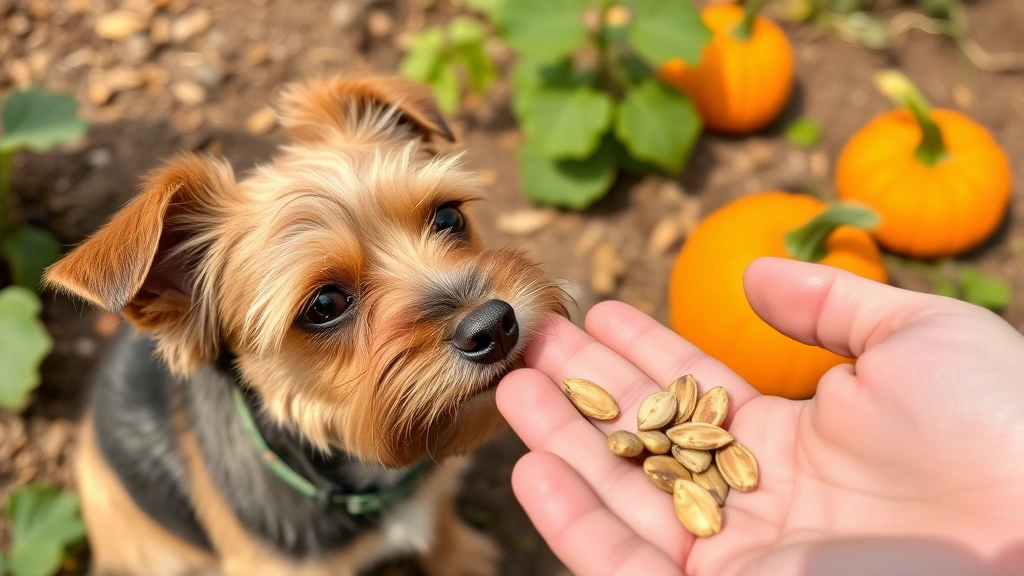
- Small dogs (under 20 lbs): 1-3 seeds per day, or about 1/4 teaspoon of ground pumpkin seed powder
- Medium dogs (20-60 lbs): 5-10 seeds per day, or about 1/2 teaspoon of powder
- Large dogs (over 60 lbs): 10-15 seeds per day, or about 1 teaspoon of powder
These amounts should be given 2-3 times per week, not daily. Pumpkin seeds are calorie-dense, and too many can contribute to weight gain. For a 50-pound dog, a handful of pumpkin seeds contains roughly 50-70 calories—that’s 10% of their daily caloric intake in one treat.
The 10% rule is important: treats and supplements shouldn’t exceed 10% of your dog’s daily caloric intake. The remaining 90% should come from their regular, balanced dog food.
If you’re using pumpkin seeds to address a specific issue (like constipation), you might increase the amount slightly for a few days, but then dial it back. Consistency matters more than quantity. A small amount given regularly is better than a large amount given sporadically.
Potential Risks and When to Avoid Pumpkin Seeds
While pumpkin seeds are generally safe, there are situations where they’re not a good idea:
Choking hazard: Whole pumpkin seeds can be a choking risk for small dogs, senior dogs with dental issues, or dogs who gulp their food without chewing. If this describes your dog, grind the seeds or skip them entirely.
Digestive upset: Too many pumpkin seeds too quickly can cause diarrhea, vomiting, or abdominal discomfort. The high fiber content, while usually beneficial, can cause problems if introduced suddenly or in large amounts. Always introduce new foods gradually.
Allergic reactions: Though rare, some dogs can have allergies to pumpkin seeds. Signs include itching, hives, swelling, or gastrointestinal symptoms. If you notice any of these after introducing pumpkin seeds, stop immediately and contact your vet.
Pancreatitis: If your dog has a history of pancreatitis or is prone to it, check with your vet before adding pumpkin seeds. The fat content is moderate but could be problematic for sensitive dogs.
Kidney disease: Dogs with kidney disease may need to limit minerals like magnesium and phosphorus. Since pumpkin seeds contain these, consult your vet first.
Obesity: If your dog is overweight or on a weight management diet, pumpkin seeds should be given sparingly if at all. They’re calorie-dense.
Drug interactions: If your dog is on medications, particularly iron supplements or certain antibiotics, the minerals in pumpkin seeds could interfere with absorption. Always mention any supplements or new foods to your vet.
Safety Warning: Never give pumpkin seeds as a substitute for veterinary treatment. If your dog has persistent digestive issues, parasites, or skin problems, see a vet. Pumpkin seeds can complement treatment, but they’re not a cure.
Pumpkin Seeds vs. Plain Pumpkin: What’s the Difference?
People often confuse pumpkin seeds with plain pumpkin puree, and they’re actually quite different nutritionally.
Plain pumpkin puree (canned or fresh):
- Lower in fat and calories
- Higher in fiber
- Better for digestive issues like diarrhea or constipation
- Can be given in larger amounts (1-4 tablespoons depending on dog size)
- Milder flavor, easier for picky eaters
- Vet-recommended for digestive support
Pumpkin seeds:
- Higher in fat and calories
- More mineral-dense (zinc, magnesium, iron)
- Lower in fiber relative to pumpkin puree
- Must be given in smaller amounts
- Stronger flavor, not all dogs enjoy them
- Better for nutritional supplementation than digestive issues
For most digestive problems, plain pumpkin puree is actually the better choice. It’s what vets typically recommend for constipation or diarrhea. Pumpkin seeds are more for nutritional enhancement and can be part of a healthy diet, but they’re not the go-to for GI issues.
You can combine both: a spoonful of plain pumpkin puree with a few pumpkin seeds mixed into your dog’s food. This gives you the digestive benefits of the puree plus the nutritional boost of the seeds.
Simple Serving Ideas
Here are practical ways to incorporate pumpkin seeds into your dog’s diet:
1. Sprinkled on regular food: Grind a few pumpkin seeds and sprinkle the powder over your dog’s kibble or wet food. Mix it in well so they can’t pick around it.
2. Pumpkin seed treat: Mix ground pumpkin seeds with cooked rice, a bit of plain pumpkin puree, and form into small balls. Freeze or refrigerate. These work great as training treats.
3. Peanut butter swirl: Combine a small amount of unsalted peanut butter with ground pumpkin seeds. Serve a tiny amount (about the size of a pea for small dogs) as an occasional treat. Check out our peanut butter guide for more details on safe serving.
4. Egg and pumpkin seed scramble: Mix a few crushed pumpkin seeds into scrambled eggs for a protein-rich, nutritious meal topper. Plain eggs are safe for dogs and pair well with pumpkin seeds.
5. Homemade dog biscuits: Bake simple dog biscuits using whole wheat flour, an egg, a bit of plain pumpkin puree, and crushed pumpkin seeds. No sugar, salt, or xylitol. Cut into small pieces and store in an airtight container.
6. Pumpkin seed butter on a carrot: Spread a tiny amount of unsalted pumpkin seed butter on a raw carrot. The carrot is good for their teeth, and the pumpkin seed butter adds nutrition.
The key to all of these is keeping portions small and treating pumpkin seeds as a supplement, not a meal replacement.
For comprehensive information on how to care for your dog’s overall nutrition and health, check out our complete dog care guide.
Frequently Asked Questions
Can dogs have raw pumpkin seeds?
– Yes, raw pumpkin seeds are safe for dogs. They don’t need to be cooked. However, the white shell can be a choking hazard for small or senior dogs, so consider removing the shells or grinding them. Raw seeds retain all their nutritional value, so they’re a perfectly fine option if your dog tolerates them well.
How many pumpkin seeds can a dog eat per day?
– For most dogs, 5-10 seeds per day is safe, adjusted by size. Small dogs should have 1-3 seeds, and large dogs can have up to 15. But remember, these should be given 2-3 times per week, not daily. Always start with fewer seeds to see how your dog’s digestive system responds.
Can pumpkin seeds help with dog parasites?
– Pumpkin seeds have been traditionally used as a natural dewormer, and some studies suggest they may help with certain parasites. However, modern veterinary medicine recommends prescription dewormers for actual parasite infections. Pumpkin seeds can be a complementary addition to your dog’s diet but shouldn’t replace veterinary treatment for parasites.
Are pumpkin seeds good for dog allergies?
– Pumpkin seeds contain zinc and fatty acids that support skin health and coat quality, which can help dogs with allergies. However, they’re not a treatment for allergies themselves. If your dog has allergies, consult your vet about a comprehensive plan that might include pumpkin seeds as a supplement.
Can I give my dog pumpkin seeds every day?
– It’s better to give pumpkin seeds 2-3 times per week rather than daily. While they’re nutritious, daily consumption could lead to excessive calorie intake or mineral imbalances. Variety in your dog’s diet is important, so rotating different healthy supplements and treats is ideal.
What if my dog has diarrhea—should I give pumpkin seeds?
– For diarrhea, plain pumpkin puree is the better choice over pumpkin seeds. Puree has more fiber and is easier on the digestive system. Pumpkin seeds are higher in fat and could potentially worsen diarrhea in some dogs. If your dog has persistent diarrhea, see your vet rather than relying on home remedies.
Can puppies have pumpkin seeds?
– Puppies can have pumpkin seeds in very small amounts (1-2 seeds), but their digestive systems are still developing. Introduce new foods slowly and in tiny portions. If your puppy has digestive issues, consult your vet before adding anything to their diet. Puppies should primarily eat high-quality puppy food formulated for their age and size.
Are salted pumpkin seeds safe for dogs?
– No, salted pumpkin seeds should be avoided. Excessive sodium can lead to dehydration, electrolyte imbalances, and other health issues in dogs. Always choose unsalted seeds or seeds with no added seasonings.
What’s the difference between pumpkin seeds and pumpkin seed oil?
– Pumpkin seed oil is concentrated and much higher in fat than whole seeds. While small amounts might be okay for some dogs, whole pumpkin seeds are a safer choice because you can control the portion more easily. If you want to use pumpkin seed oil, talk to your vet about appropriate amounts for your dog’s size and health status.
Can I give my dog pumpkin seeds if they’re on a diet?
– Yes, but sparingly. Pumpkin seeds are calorie-dense (about 50-70 calories per small handful), so they should be factored into your dog’s daily caloric intake. If your dog is on a weight management diet, consult your vet before adding pumpkin seeds. They might suggest lower-calorie alternatives like plain pumpkin puree or green beans.
Can dogs have pumpkin seeds? Absolutely. They’re a nutrient-dense food that can be a healthy addition to your dog’s diet when prepared correctly and given in appropriate amounts. The key is moderation, proper preparation, and monitoring your individual dog’s response. Start small, watch for any digestive upset, and remember that pumpkin seeds are a supplement to a balanced diet, not a replacement for it. When in doubt, check with your vet—they know your dog’s specific health needs better than anyone.





