
Can Dogs Eat Ranch Dressing? Safety Tips Every Pet Owner Should Know
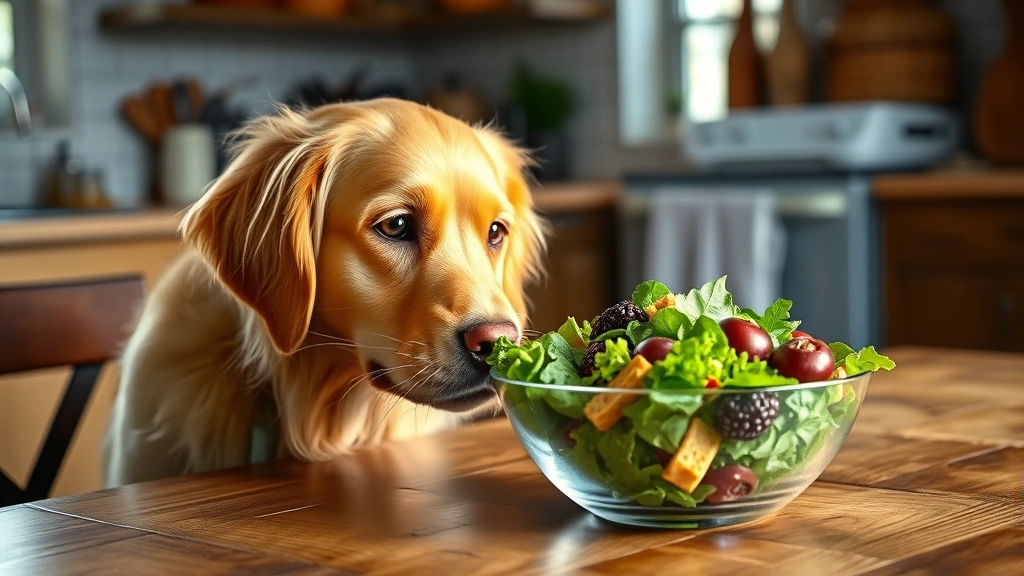
Picture this: you’re enjoying a delicious salad with creamy ranch dressing when your furry best friend gives you that irresistible puppy-dog eye. Before you share a taste, pump the brakes! While ranch dressing might be a human favorite, it’s definitely not on the approved menu for your canine companion. The question of whether dogs can have ranch dressing is more nuanced than a simple yes or no, and understanding the reasons why requires a deeper dive into what makes this condiment problematic for pups.
Ranch dressing is loaded with ingredients that sound innocent enough to us but can spell trouble for our four-legged friends. From hidden sugars to high sodium content and potentially toxic components, this creamy topping is best kept off your dog’s plate. In this comprehensive guide, we’ll explore exactly why ranch dressing poses risks to dogs, what symptoms to watch for if your pup does sneak a lick, and what safe alternatives you can offer instead.
Your dog’s health and happiness are paramount, and knowing which human foods are safe (and which are definitely not) is part of responsible pet ownership. Let’s break down everything you need to know about ranch dressing and your beloved canine.
Why Ranch Dressing Is Bad for Dogs
Ranch dressing, while delicious to humans, is essentially a nutritional minefield for dogs. This creamy condiment was never designed with canine digestive systems in mind, and it contains several components that range from unhealthy to potentially dangerous. Understanding why your vet would recommend keeping ranch far away from your dog’s food bowl is the first step toward making informed choices about what you feed your furry friend.
The primary concern with ranch dressing is its composition. Most commercial ranch dressings are high in fat, sodium, and various additives that can wreak havoc on a dog’s system. Dogs have different dietary requirements than humans, and what tastes great to us can cause digestive upset, weight gain, and long-term health problems for them. Additionally, some ranch dressings contain ingredients that are outright toxic to canines, making even small amounts potentially hazardous.
Beyond the basic nutritional concerns, ranch dressing often contains garlic and onion powder—ingredients that are part of the allium family and known to be toxic to dogs. These compounds can damage red blood cells and lead to hemolytic anemia if consumed in sufficient quantities. While a tiny lick might not cause immediate harm, regular consumption or larger amounts could result in serious health complications.
Breaking Down Ranch Ingredients
To truly understand why ranch dressing is problematic for dogs, let’s examine its typical ingredients one by one. Most ranch dressings contain a combination of buttermilk or sour cream, mayonnaise, various herbs, and seasonings. While some of these might seem harmless in isolation, together they create a product that’s simply not suitable for canine consumption.
Buttermilk and Dairy: While small amounts of plain yogurt or cottage cheese can be okay for some dogs, the buttermilk in ranch dressing is often combined with other problematic ingredients. Additionally, many adult dogs are lactose intolerant, making dairy-heavy products a recipe for digestive distress.
Garlic and Onion Powder: This is where things get serious. According to the ASPCA’s guide on foods to avoid, both garlic and onions are toxic to dogs. These ingredients can cause oxidative damage to canine red blood cells, leading to hemolytic anemia. The severity depends on the amount consumed and your dog’s size, but it’s a risk that’s simply not worth taking.
Salt and Sodium: Ranch dressing is notoriously high in sodium, which can lead to excessive thirst, dehydration, and sodium ion poisoning in dogs. High sodium intake is particularly dangerous for senior dogs or those with heart conditions.
Preservatives and Additives: Many commercial ranch dressings contain preservatives like BHA, BHT, and MSG. These additives can cause allergic reactions and digestive issues in sensitive dogs.
Fat Content: The high fat content in ranch dressing can trigger pancreatitis in dogs, a painful and potentially life-threatening condition. Dogs that consume fatty foods are at increased risk, especially breeds predisposed to pancreatic issues.
Health Risks and Side Effects
If your dog consumes ranch dressing, the consequences can range from mild discomfort to serious health emergencies. Understanding these potential risks helps emphasize why prevention is so important.
Gastrointestinal Upset: The most common immediate reaction is digestive distress. Your dog might experience vomiting, diarrhea, or abdominal discomfort. If your pup is dealing with these symptoms, you might want to check out our guide on how to stop diarrhea in dogs for management strategies.
Pancreatitis: The high fat content in ranch dressing can trigger acute pancreatitis, characterized by severe abdominal pain, vomiting, lethargy, and loss of appetite. This condition requires immediate veterinary attention and can be life-threatening if left untreated.
Allium Toxicity: Garlic and onion powder can cause hemolytic anemia by damaging red blood cells. Symptoms include lethargy, weakness, pale gums, dark-colored urine, and difficulty breathing. This condition requires emergency veterinary care.
Obesity and Weight Gain: The calorie-dense nature of ranch dressing means even small amounts can contribute significantly to weight gain. Obesity in dogs leads to joint problems, diabetes, heart disease, and reduced lifespan.
Sodium Ion Poisoning: Excessive salt consumption can lead to hypernatremia or sodium ion poisoning, causing excessive thirst, vomiting, tremors, seizures, and potentially coma or death in severe cases.
What If Your Dog Already Ate Ranch Dressing?
Don’t panic if your dog has already consumed some ranch dressing. The severity of the situation depends on several factors: how much your dog ate, how large your dog is, and which ingredients are in the specific ranch product consumed.
Small Amounts (Less than a Tablespoon): If your small dog or a medium to large dog consumed a small lick or taste of ranch dressing, they’ll likely be fine. Monitor them for the next 24-48 hours for any signs of gastrointestinal upset like vomiting or diarrhea. You might also want to review our article about why your dog is throwing up if symptoms develop.
Moderate Amounts (1-3 Tablespoons): If your dog consumed a moderate amount, monitor closely for symptoms. Contact your veterinarian for guidance, especially if your dog is small, elderly, or has pre-existing health conditions. Your vet might recommend inducing vomiting if the consumption occurred within the last 2-4 hours.
Large Amounts (More than 3 Tablespoons): Contact your veterinarian or the ASPCA Animal Poison Control Center immediately. This is especially important if your dog is small or if the ranch dressing contains particularly high levels of garlic or onion powder. Your vet may recommend hospitalization for monitoring and treatment.
Steps to Take: Keep the ranch dressing container handy so you can tell your vet exactly what ingredients are in it. Note the time of consumption and monitor your dog’s behavior, appetite, and bathroom habits closely. Watch for signs of lethargy, excessive drooling, abdominal pain, or difficulty breathing—these warrant immediate veterinary attention.
Safe Alternatives for Your Pup
Just because ranch dressing is off-limits doesn’t mean your dog has to miss out on tasty treats and toppings. There are plenty of dog-safe alternatives that you can offer without worry.
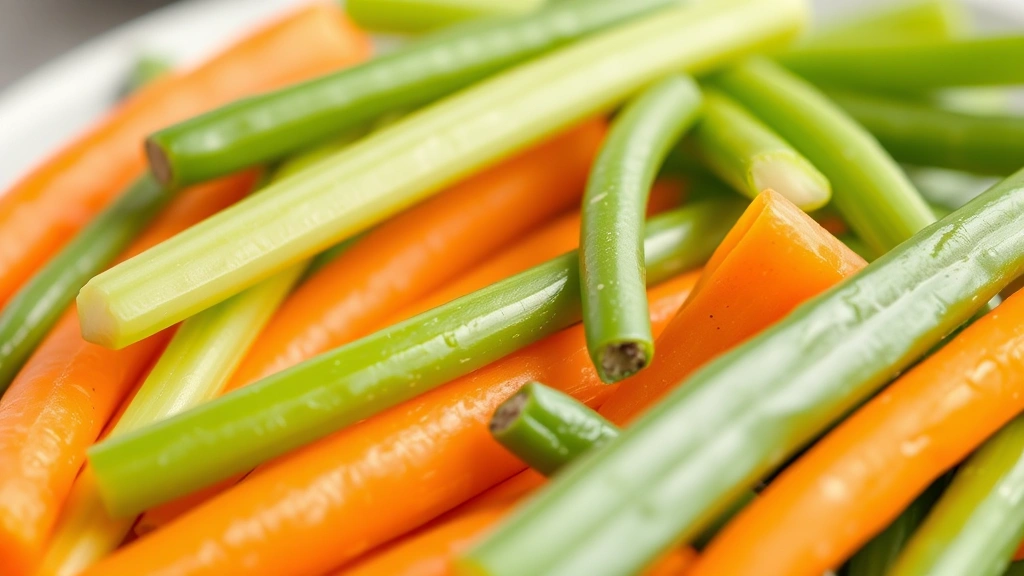
Plain, Unsalted Vegetables: Most dogs enjoy the crunch of fresh vegetables. Carrots, celery, green beans, and cucumber make excellent low-calorie treats. You can even drizzle them with a tiny amount of olive oil for added flavor without the harmful additives.
Peanut Butter (The Right Way): Many dogs love peanut butter, and it can be a healthy treat in moderation. However, it’s crucial to choose xylitol-free varieties. Check out our comprehensive guide on whether dogs can have peanut butter to learn about safe options and proper portions.
Plain Yogurt: Unsweetened, plain yogurt (without xylitol) can be a probiotic-rich treat for dogs. The live cultures are beneficial for digestive health, making it a superior option to ranch-based toppings.
Bone Broth: This nutrient-dense option is loved by dogs and provides collagen and other beneficial compounds. Make sure it’s made without onion or garlic, and use it as an occasional topper.
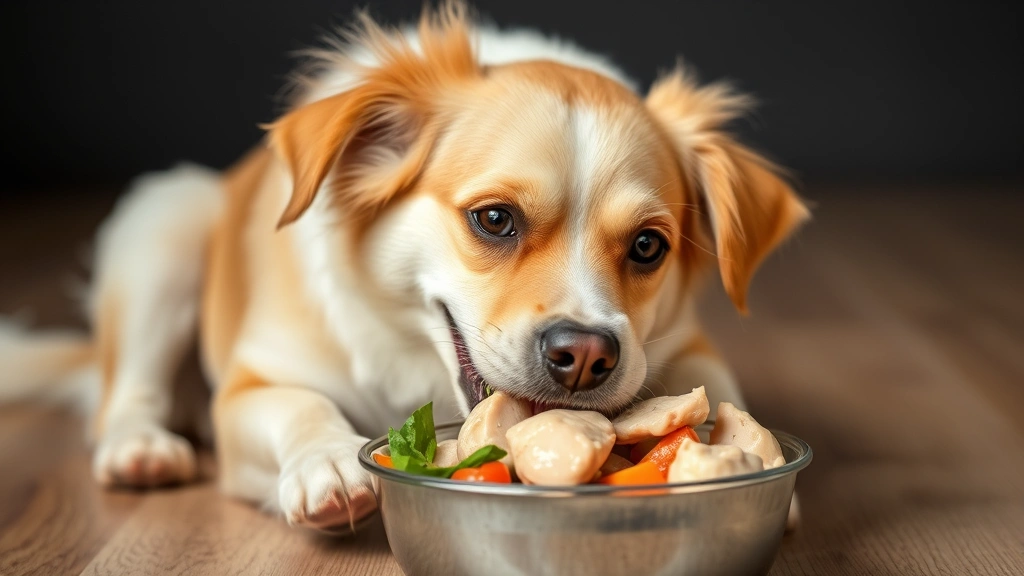
Cooked Chicken or Turkey: Plain, unseasoned cooked poultry is an excellent protein-rich treat that most dogs find irresistible. You can crumble it over their regular food for added appeal.
Bacon (In Moderation): While bacon is high in fat, tiny amounts can be an occasional treat. If you’re considering this option, read our detailed article about whether dogs can eat bacon to understand portion sizes and frequency.
Prevention Tips for Pet Parents
The best approach to keeping your dog safe from ranch dressing and other harmful foods is prevention. Here are practical strategies to implement in your household:
Create a No-Sharing Policy: Establish firm boundaries with family members about not sharing human food with the dog. This is especially important during meals when your pup might be begging. Consistency is key—if sometimes they get scraps and sometimes they don’t, they’ll keep trying.
Store Food Safely: Keep ranch dressing and other potentially toxic foods in secure locations where your dog can’t access them. This is particularly important for curious puppies or dogs with a history of getting into the trash.
Educate Guests: Make sure visitors know your rules about not feeding your dog. Many people assume a little taste won’t hurt, not realizing the potential dangers.
Use Dog-Safe Dips: When you’re enjoying snacks, prepare a separate dog-safe dip or topping for your pup. This allows them to participate in the experience without consuming harmful ingredients.
Read Labels Carefully: Always check ingredient lists on any human food before considering it for your dog. Look specifically for garlic, onion, xylitol, and excessive sodium.
Maintain a Healthy Diet: Feeding your dog high-quality dog food designed for their specific age, size, and health status reduces their desire to beg for human food. A satisfied dog is less likely to search for snacks.
Consult Your Veterinarian: When you’re unsure about whether a specific food is safe, reach out to your vet. It’s always better to ask than to risk your dog’s health. Your vet can provide personalized recommendations based on your dog’s individual health profile and dietary needs.
Frequently Asked Questions
Is a tiny lick of ranch dressing really dangerous for dogs?
A single tiny lick is unlikely to cause serious harm to most dogs, especially larger breeds. However, it’s not without risk, particularly if the ranch dressing contains garlic or onion powder. The safest approach is to prevent any consumption at all. If your dog has had a single small lick, monitor them for 24-48 hours for any signs of digestive upset.
What about homemade ranch dressing—is it safer?
Homemade ranch dressing can be safer than commercial versions if you carefully control the ingredients and exclude garlic, onion, excessive salt, and other harmful components. However, it’s still typically high in fat and dairy, which many dogs don’t tolerate well. Instead of making dog-unfriendly ranch, consider preparing dog-specific toppings and dips designed with their nutritional needs in mind.
Can dogs have buttermilk without the other ranch ingredients?
Plain buttermilk in very small amounts might be tolerable for some dogs, but many adult dogs are lactose intolerant. The buttermilk in ranch dressing is also combined with other problematic ingredients, making the whole mixture problematic. It’s best to stick with dog-safe alternatives.
What are the first signs of ranch dressing toxicity in dogs?
The first signs typically appear within a few hours and include vomiting, diarrhea, and abdominal discomfort. If the ranch dressing contained significant amounts of garlic or onion, you might see lethargy, weakness, or pale gums within 24-72 hours. Contact your vet if you notice any of these symptoms.
Should I induce vomiting if my dog ate ranch dressing?
Never induce vomiting without veterinary guidance. While inducing vomiting can be helpful in some poisoning cases, it’s not always appropriate and can sometimes cause more harm. Contact your vet or poison control center for specific guidance based on the amount consumed and your dog’s individual situation.
Are there any dog breeds more susceptible to ranch dressing toxicity?
Small dog breeds are generally more susceptible because the same amount of toxin represents a larger dose relative to their body weight. Additionally, dogs with pre-existing conditions like pancreatitis, heart disease, or digestive issues are at higher risk. Senior dogs are also more vulnerable to the effects of high sodium and fat content.
Can puppies eat ranch dressing?
Puppies should definitely avoid ranch dressing. Their digestive systems are still developing, and they’re more vulnerable to the harmful effects of high fat, sodium, and toxic ingredients. Puppies also tend to have more sensitive stomachs than adult dogs, making digestive upset more likely.
What should I do if my dog regularly has access to ranch dressing?
If your dog has been consuming ranch dressing regularly, schedule a veterinary checkup. Your vet can perform blood work to check for any damage to red blood cells or other organs. Additionally, implement strict prevention measures immediately to eliminate future exposure. Your vet might recommend dietary changes or supplements to support your dog’s recovery.





