

Can Dogs Eat Ranch Dressing? Safety Tips Every Pet Owner Should Know
Picture this: you’re enjoying a delicious salad with creamy ranch dressing, and your adorable furry friend gives you those irresistible puppy dog eyes. Before you share that tasty bite, let’s talk about whether ranch dressing is safe for dogs. While it might seem harmless, the reality is more complicated than a simple yes or no answer.
Ranch dressing is a beloved condiment in households across America, but what’s delicious for us isn’t always safe for our four-legged companions. Understanding the ingredients and potential risks will help you make informed decisions about your dog’s diet and keep them healthy and happy.
In this comprehensive guide, we’ll explore everything you need to know about dogs and ranch dressing, from the specific ingredients that pose risks to safer alternatives your pup might enjoy instead.
Is Ranch Dressing Safe for Dogs?
The short answer is: ranch dressing is not recommended for dogs. While a tiny lick of ranch probably won’t cause immediate harm, regular consumption or large amounts can lead to serious health issues. The problem isn’t just one ingredient—it’s the combination of several potentially harmful components that make ranch dressing unsuitable for your canine companion.
Most commercial ranch dressings contain high levels of sodium, fat, and garlic or onion powder, all of which can negatively affect your dog’s health. Even homemade versions can pose risks depending on the specific recipe and ingredients used. The American Kennel Club advises pet owners to avoid sharing human condiments with their dogs whenever possible.
If your dog has already consumed a small amount of ranch dressing, don’t panic. However, if they’ve ingested a significant quantity or show any concerning symptoms, it’s time to contact your veterinarian immediately.
Understanding Ranch Dressing Ingredients
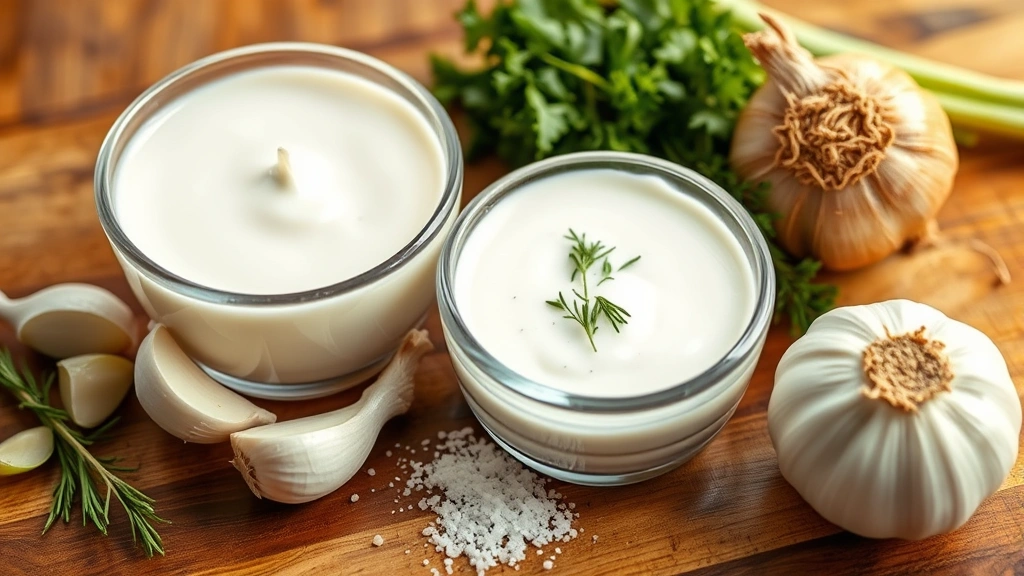
To understand why ranch dressing poses risks for dogs, let’s break down its typical ingredients. Most commercial ranch dressings contain buttermilk, mayonnaise, garlic, onion, salt, and various herbs and spices. While some of these sound relatively benign, others are downright dangerous for dogs.
The base of ranch typically includes dairy products like milk and buttermilk, which many dogs struggle to digest properly. Additionally, the high fat content in mayonnaise can contribute to pancreatitis, a serious and potentially life-threatening condition in dogs. The spice profile often includes garlic and onion powder, which are toxic to dogs regardless of the amount consumed.
Beyond the obvious ingredients, many commercial ranch dressings contain hidden additives, preservatives, and artificial flavors that serve no nutritional purpose for your dog and can potentially cause digestive upset. Some brands even include xanthan gum or other thickening agents that may cause intestinal distress in sensitive dogs.
Why Certain Ingredients Are Problematic
Garlic and Onion Powder: These ingredients contain compounds called thiosulfates that damage red blood cells in dogs, potentially leading to hemolytic anemia. This is one of the most serious concerns with ranch dressing, as even small amounts can be toxic. The ASPCA Animal Poison Control Center lists garlic and onions as toxic to dogs.
High Sodium Content: Ranch dressing is notoriously salty, and excessive sodium intake can lead to sodium ion toxicosis in dogs. Symptoms include excessive thirst, urination, vomiting, and in severe cases, seizures or coma. Dogs require far less sodium than humans do, and their kidneys process salt differently than ours.
High Fat Content: The rich, creamy nature of ranch dressing comes from substantial amounts of fat. Dogs that consume fatty foods are at increased risk of developing pancreatitis, a painful inflammation of the pancreas. This condition can be acute and severe, requiring emergency veterinary care. Learn more about fatty foods like bacon and their effects on dogs.
Dairy Issues: While some foods are safe for dogs, dairy isn’t ideal for most adult canines. Many dogs are lactose intolerant, and consuming dairy-based dressings can result in diarrhea, vomiting, or stomach upset. The buttermilk in ranch is particularly problematic for sensitive digestive systems.
Artificial Additives: Preservatives, artificial flavors, and colors serve no nutritional benefit to dogs and may cause adverse reactions in some individuals. Some dogs have sensitivities to specific additives that can trigger allergic reactions or digestive issues.

Signs Your Dog Has Eaten Ranch Dressing
If your dog has consumed ranch dressing, watch for these warning signs over the next 24-48 hours:
- Gastrointestinal upset: Vomiting, diarrhea, or constipation
- Excessive thirst and urination: Signs of sodium toxicity or kidney stress
- Lethargy: Unusual tiredness or lack of interest in activities
- Abdominal pain: Whining, restlessness, or reluctance to move
- Loss of appetite: Refusing food or treats
- Tremors or seizures: In cases of severe toxicity (rare but possible)
- Pale gums: Potential sign of anemia from garlic/onion exposure
- Difficulty breathing: Respiratory distress requiring immediate attention
The severity of symptoms depends on your dog’s size, the amount of ranch consumed, and your dog’s individual sensitivity to the ingredients. Smaller dogs are at greater risk because the concentration of toxic compounds affects them more significantly.
What to Do If Your Dog Consumes Ranch
If you discover your dog has eaten ranch dressing, here’s your action plan:
- Stay calm: A small lick of ranch is unlikely to cause serious harm, but don’t panic either.
- Assess the situation: Determine how much your dog ate and when. Note the brand if possible, as ingredient lists vary.
- Contact your veterinarian: Call immediately, even if your dog seems fine. Provide details about the amount consumed and your dog’s weight.
- Monitor closely: Watch for any symptoms listed above over the next 24-48 hours.
- Don’t induce vomiting: Unless specifically directed by your vet, inducing vomiting can sometimes cause more harm than good.
- Consider poison control: If your vet is unavailable, contact the Pet Poison Helpline or ASPCA Animal Poison Control Center.
Your veterinarian may recommend monitoring at home for minor exposures or may suggest bringing your dog in for examination and treatment. In cases of significant consumption, IV fluids or activated charcoal might be administered to help your dog’s body process the toxins.
Safer Dressing Alternatives for Dogs
The good news? You can share salads with your pup without the risky dressing! Here are some dog-safe alternatives:
Plain Vegetables: Most raw or cooked vegetables are excellent for dogs. Carrots, cucumbers, bell peppers, and green beans make crunchy, healthy additions to your dog’s meal. These provide fiber and nutrients without the harmful additives.
Dog-Friendly Oils: A small amount of coconut oil or fish oil can add flavor and provide healthy fats that actually benefit your dog’s coat and skin. Use sparingly, as these are calorie-dense.
Homemade Simple Dressing: Mix plain, unsalted yogurt with a tiny bit of honey for a creamy topping your dog might enjoy. Make sure the yogurt contains no xylitol, an artificial sweetener toxic to dogs. This provides probiotics and is much gentler on their digestive system.
Broth-Based Toppings: Low-sodium chicken or beef broth adds flavor without the risks. You can even freeze it into fun treats for hot days.
Remember to introduce any new foods gradually and in moderation. Even safe alternatives should only comprise about 10% of your dog’s daily caloric intake, with their regular balanced diet making up the remaining 90%.
Tips for Keeping Your Dog Safe
Prevention is always better than treatment. Follow these guidelines to protect your furry friend:
- Keep condiments out of reach: Store ranch and other dressings in secure cabinets where your dog can’t access them.
- Educate family members: Make sure everyone in your household understands the risks of sharing human food with your dog.
- Use designated plates: Keep your dog’s food separate from yours during meals to prevent accidental sharing.
- Train your dog: Teach a solid “leave it” command to prevent food theft.
- Know your dog’s diet: Understanding proper portion sizes and nutrition helps you make better decisions about treats and table food.
- Check ingredient lists: Always read labels on dog treats and foods to ensure they don’t contain garlic, onion, or excessive sodium.
- Have a pet poison emergency plan: Keep your vet’s number and the poison control center’s number readily available.
- Be cautious at social gatherings: Other people may not realize certain foods are dangerous for dogs and might offer them harmful treats.
If you’re concerned about your dog’s current diet or have questions about specific foods, consult with your veterinarian. They can provide personalized recommendations based on your dog’s age, health status, and dietary needs. If you’ve had to deal with accidental poisoning before, check out our guide on what to do if your dog eats something toxic.
Frequently Asked Questions
Can dogs have a tiny amount of ranch dressing?
While a microscopic amount probably won’t cause immediate harm, it’s still not recommended. Even small amounts of garlic or onion powder can accumulate in your dog’s system over time. It’s best to avoid ranch entirely rather than risk repeated exposure to toxic ingredients.
Is homemade ranch dressing safer for dogs?
Homemade ranch can be safer if you omit the garlic and onion powder, but it still contains high amounts of fat and sodium from the base ingredients. If you make a modified version without toxic ingredients, it’s still not ideal due to the fat and dairy content. Better to stick with dog-approved alternatives.
What if my dog ate ranch-flavored chips or snacks?
Ranch-flavored snacks are even more concentrated in problematic ingredients and often contain additional preservatives and seasonings. Contact your vet immediately, as these pose a greater risk than liquid ranch dressing due to their concentrated nature.
How long does it take for symptoms to appear?
Symptoms can appear within hours of consumption or may take 24-48 hours to manifest. Some symptoms, like anemia from garlic toxicity, may develop more slowly. This is why monitoring your dog closely after any accidental consumption is crucial.
Are all dog breeds equally at risk?
Smaller dogs are at greater risk because toxic compounds affect them more significantly on a per-pound basis. However, all dogs are susceptible to garlic and onion toxicity, regardless of breed or size. Senior dogs and those with pre-existing health conditions may be more vulnerable to complications.
Can I give my dog dairy-free ranch dressing?
Most dairy-free ranch dressings still contain garlic, onion, high sodium, and other problematic ingredients. The dairy isn’t the only concern—it’s the entire ingredient profile. Avoid dairy-free ranch just as you would regular ranch.
What’s the best way to share salad with my dog?
Share plain vegetables from your salad without any dressing. Carrots, cucumbers, and leafy greens (except iceberg lettuce, which has little nutritional value) make excellent additions to your dog’s diet. Keep portions small and ensure they’re free from any dressing or seasonings.
Should I induce vomiting if my dog eats ranch?
Don’t induce vomiting without veterinary guidance. While it might seem like a good idea, vomiting can sometimes cause additional damage, especially if the ranch dressing has already begun to be absorbed. Your vet will determine the best course of action based on the specific situation.





