
Can Dogs Eat Raw Broccoli? What Experts Recommend
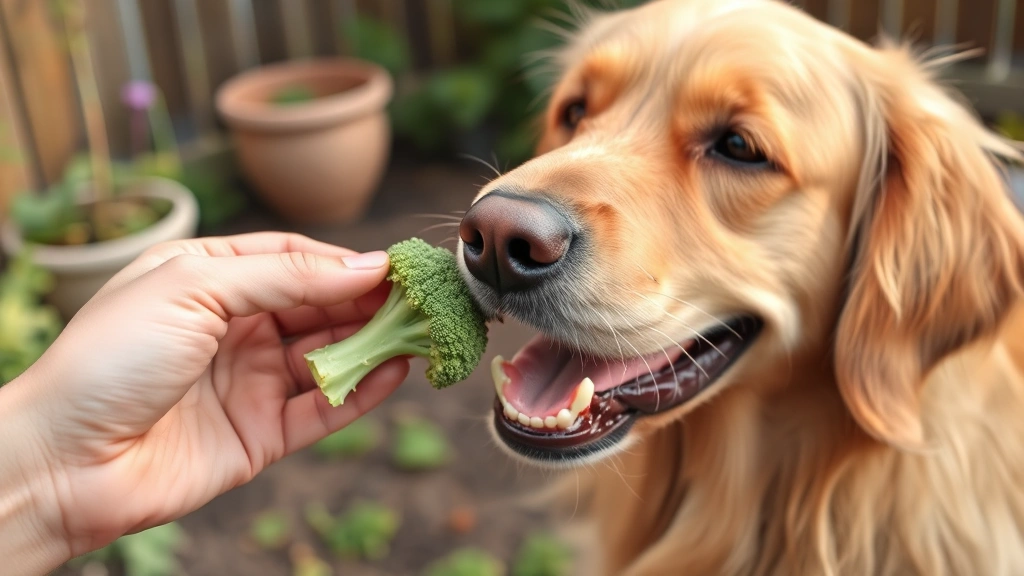
As a dog owner, you’ve probably wondered whether it’s safe to share your vegetables with your furry best friend. One of the most common questions we hear is about broccoli—specifically, whether dogs can enjoy this nutritious green vegetable in its raw form. The good news is that raw broccoli can be a healthy treat for most dogs, but there are important guidelines you should follow to keep your pup safe and healthy.
Broccoli is packed with vitamins, minerals, and fiber that can benefit your dog’s overall health. However, not all vegetables are created equal when it comes to canine nutrition, and preparation matters just as much as the vegetable itself. In this comprehensive guide, we’ll explore everything you need to know about feeding raw broccoli to your dog, including the benefits, potential risks, and expert recommendations.
Is Raw Broccoli Safe for Dogs?
Yes, raw broccoli is generally safe for dogs when given in appropriate amounts. According to veterinary guidelines, dogs can eat broccoli without major concerns when it’s prepared correctly. The key is moderation and proper preparation to avoid choking hazards and digestive upset.
The American Kennel Club confirms that broccoli is non-toxic to dogs, making it a safe vegetable option for your canine companion. However, this doesn’t mean you should feed unlimited quantities. Raw broccoli florets are particularly safe because they’re easier for dogs to manage compared to other forms.
When considering whether dogs can have broccoli, it’s important to understand that individual dogs may react differently. Some dogs may have sensitive stomachs, while others can tolerate raw vegetables without any issues. Always introduce new foods gradually and monitor your dog for any adverse reactions.
Nutritional Benefits of Broccoli
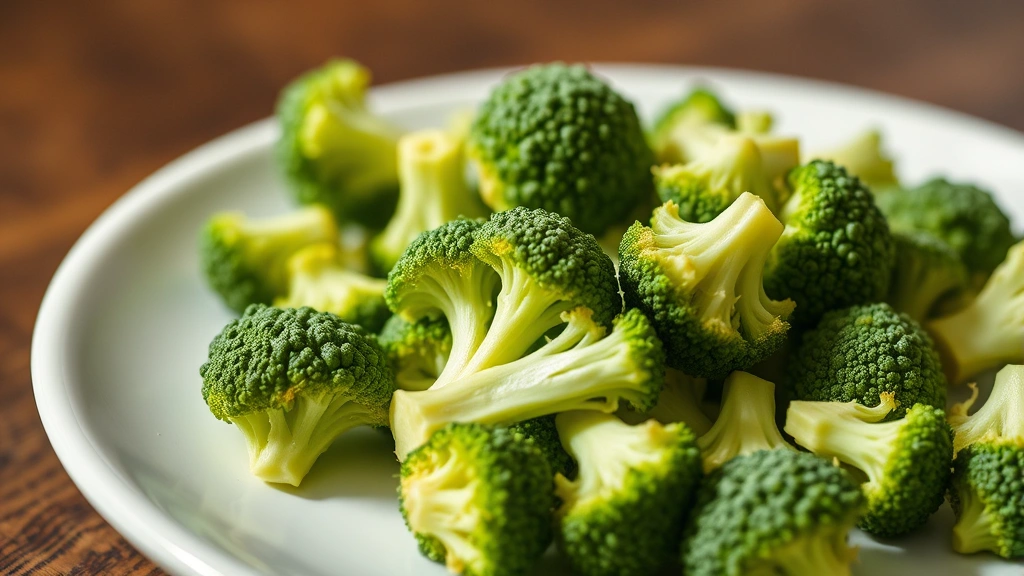
Raw broccoli offers several nutritional advantages for your dog’s health. This cruciferous vegetable is rich in essential vitamins and minerals that support various bodily functions. Understanding these benefits can help you make informed decisions about your dog’s diet.
Vitamin C: Broccoli contains significant amounts of vitamin C, which supports immune function and acts as an antioxidant. This helps protect your dog’s cells from damage caused by free radicals.
Vitamin K: Essential for blood clotting and bone health, vitamin K is abundant in raw broccoli. This nutrient becomes especially important as your dog ages.
Fiber: The dietary fiber in broccoli promotes healthy digestion and can help maintain a healthy weight. However, too much fiber can cause digestive upset, which is why portion control is crucial.
Calcium and Iron: These minerals support bone health and oxygen transport in the blood, contributing to your dog’s overall vitality.
Sulforaphane: This compound, found in broccoli, has been studied for its potential anti-cancer properties. Research suggests it may offer protective benefits, though more studies in dogs are needed.
When you’re thinking about whether dogs can eat raw broccoli, these nutritional benefits make it an attractive option for supplementing your dog’s regular diet with wholesome vegetables.

Proper Portion Guidelines
One of the most critical aspects of feeding raw broccoli to your dog is determining the appropriate portion size. The general rule among veterinarians is that treats—including vegetables—should make up no more than 10% of your dog’s daily caloric intake.
For most dogs, this translates to:
- Small dogs (under 10 lbs): 1-2 small florets, 2-3 times per week
- Medium dogs (10-50 lbs): 3-4 small florets, 2-3 times per week
- Large dogs (50+ lbs): A small handful of florets, 2-3 times per week
The ASPCA emphasizes that while broccoli is safe, the florets contain a compound called isothiocyanate, which can cause gastric irritation in large quantities. This is why portion control is absolutely essential.
When considering whether raw broccoli is good for dogs, remember that it should be an occasional treat, not a dietary staple. Always factor these treats into your dog’s overall daily caloric intake to prevent obesity and nutritional imbalances.
How to Prepare Raw Broccoli
Proper preparation is essential to ensure your dog can safely enjoy raw broccoli. Follow these expert-recommended steps:
- Wash thoroughly: Rinse the broccoli under clean, running water to remove any pesticides or dirt. Use organic broccoli when possible to minimize pesticide exposure.
- Cut into appropriate sizes: Slice the florets into small, bite-sized pieces that are appropriate for your dog’s size. Avoid large chunks that could pose choking hazards.
- Remove the stem: While the stem is technically safe, it’s tougher and harder for dogs to chew. Stick with the softer florets for easier consumption.
- Serve fresh: Offer the broccoli immediately after preparation. Don’t store cut broccoli for extended periods, as it can develop bacteria.
- Avoid seasoning: Never add salt, garlic, onion, or any other seasonings. These can be harmful to your dog’s health.
Some dogs may find raw broccoli more appealing if you offer it as a frozen treat, especially during warm weather. Simply freeze small florets in ice cube trays and offer them occasionally. This can also help soothe sore gums in puppies.
Potential Risks and Concerns
While raw broccoli is generally safe, there are several potential risks you should be aware of before feeding it to your dog.
Choking Hazard: Raw broccoli florets can pose a choking risk, particularly for dogs that don’t chew thoroughly before swallowing. Always cut the broccoli into small pieces and supervise your dog while eating.
Digestive Issues: The high fiber content and isothiocyanates in broccoli can cause gas, bloating, or diarrhea in some dogs. Introduce broccoli gradually and watch for signs of digestive upset.
Thyroid Concerns: Broccoli contains goitrogens, compounds that can interfere with thyroid function in large quantities. This is rarely a concern with the small portions recommended, but it’s worth noting for dogs with existing thyroid issues.
Allergic Reactions: Though uncommon, some dogs may have allergies to broccoli. Signs include itching, vomiting, or diarrhea. Discontinue feeding broccoli if you notice these symptoms.
If your dog has a history of pancreatitis or gastrointestinal sensitivity, consult your veterinarian before introducing raw broccoli. Dogs with specific health conditions may need to avoid cruciferous vegetables entirely.
Broccoli Alternatives for Dogs
If you’re concerned about feeding raw broccoli or if your dog simply doesn’t enjoy it, there are plenty of other healthy vegetable options available. Dogs can eat cauliflower as an alternative cruciferous vegetable that offers similar nutritional benefits with potentially fewer digestive concerns.
Another excellent option is Brussels sprouts, which provide comparable nutrition to broccoli. Like broccoli, Brussels sprouts should be served in moderation and cut into appropriate sizes.
Other dog-safe vegetables include:
- Carrots (excellent for dental health)
- Green beans (low in calories)
- Sweet potatoes (rich in beta-carotene)
- Pumpkin (great for digestive health)
- Zucchini (hydrating and low-calorie)
- Apples (without seeds)
According to Veterinary Information Network, rotating between different vegetables ensures your dog receives a variety of nutrients and prevents boredom with treats. Always research any new food before introducing it to your dog’s diet.
Frequently Asked Questions
Can puppies eat raw broccoli?
Yes, puppies can eat raw broccoli in very small quantities once they begin eating solid foods beyond mother’s milk. However, given their sensitive digestive systems, introduce broccoli even more gradually than you would with adult dogs. Start with tiny pieces and monitor closely for any digestive upset. Always consult your veterinarian before introducing new foods to puppies.
Is cooked broccoli better than raw for dogs?
Both raw and cooked broccoli can be safe for dogs, but they have different benefits. Raw broccoli retains more of its vitamin C content, while cooking may make it easier to digest for some dogs. However, never cook broccoli with added oils, salt, or seasonings. Plain steamed broccoli is the safest cooked option. The choice between raw and cooked depends on your individual dog’s digestive tolerance.
How much broccoli can a dog eat safely?
Dogs should consume no more than 10% of their daily calories from treats like broccoli. For most dogs, this means 2-4 small florets, 2-3 times per week. Never exceed these amounts, as too much broccoli can cause digestive upset and may interfere with nutrient absorption. When in doubt, consult your veterinarian about appropriate portions for your specific dog.
What are signs my dog shouldn’t eat broccoli?
Stop feeding your dog broccoli if you notice vomiting, diarrhea, excessive gas, or lethargy. Dogs with thyroid conditions, pancreatitis, or gastrointestinal sensitivities should avoid broccoli entirely. If your dog experiences any adverse reactions, contact your veterinarian immediately. Some dogs simply may not tolerate broccoli well, and that’s perfectly normal.
Can dogs eat broccoli stems?
While broccoli stems are technically non-toxic, they’re tougher and more difficult for dogs to chew than florets. They can pose a choking hazard and are harder to digest. For safety reasons, it’s best to stick with the softer florets and discard the stems. If you do offer stems, cut them into very small pieces and supervise closely.
Is raw broccoli better than frozen broccoli for dogs?
Both fresh raw broccoli and frozen broccoli are safe for dogs. Frozen broccoli can be a refreshing treat, especially in warm weather, and the freezing process doesn’t significantly reduce nutritional value. However, always thaw frozen broccoli before serving to prevent digestive upset, or offer small frozen pieces as a chewing activity. Avoid any frozen broccoli with added seasonings or sauces.
Should I feed my dog broccoli daily?
No, broccoli should not be fed daily. Instead, offer it as an occasional treat, 2-3 times per week in appropriate portions. Daily consumption could lead to nutritional imbalances, digestive issues, and potentially interfere with thyroid function. Your dog’s primary nutrition should come from a complete and balanced commercial dog food or veterinarian-approved homemade diet.
What if my dog ate too much broccoli?
If your dog consumed excessive broccoli, monitor them closely for signs of digestive upset such as vomiting, diarrhea, or abdominal discomfort. Most dogs will experience mild gastrointestinal upset that resolves within 24 hours. Ensure they have access to fresh water and a bland diet for a day or two. If symptoms persist or worsen, contact your veterinarian immediately.
Conclusion: Raw broccoli can be a nutritious and safe treat for most dogs when served in appropriate portions and prepared correctly. By following expert recommendations and monitoring your individual dog’s response, you can confidently offer this healthy vegetable as part of a balanced diet. Remember that broccoli should complement, not replace, your dog’s regular nutrition. When in doubt, consult your veterinarian about whether raw broccoli is appropriate for your specific dog’s health needs and dietary requirements.





