
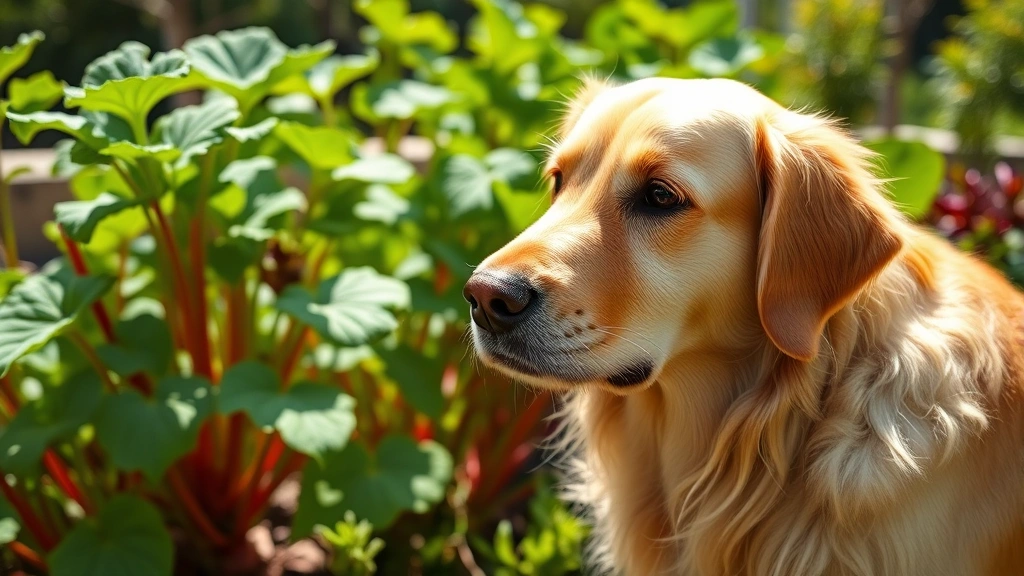
Can Dogs Eat Rhubarb? What Pet Experts Say
Your furry friend gives you those irresistible puppy-dog eyes while you’re preparing a delicious rhubarb pie, and suddenly you’re wondering: is rhubarb safe for dogs? It’s a question many pet parents ask, especially when spring arrives and rhubarb season begins. The short answer is no—dogs should not eat rhubarb, but the explanation behind this warning is more nuanced than you might think.
While rhubarb might seem like just another plant your pup could nibble on, this tart vegetable contains compounds that can be genuinely harmful to your canine companion. Understanding why rhubarb is dangerous, what symptoms to watch for, and how to keep your dog safe is essential knowledge for responsible pet ownership. Let’s dig into the facts so you can confidently protect your furry family member from this garden hazard.
In this comprehensive guide, we’ll explore the science behind rhubarb toxicity, explain what makes it dangerous, and provide you with actionable steps to keep your dog healthy and happy. Whether you grow rhubarb in your garden or simply want to be prepared, this article has everything you need to know.
Why Is Rhubarb Toxic to Dogs?
Rhubarb contains oxalic acid, a naturally occurring compound found in many plants. While oxalic acid serves various purposes in the plant world, it poses a real threat to dogs when ingested in significant quantities. This compound binds with calcium in the digestive system, which can lead to serious health complications over time.
The leaves of the rhubarb plant are particularly problematic, containing much higher concentrations of oxalic acid than the stalks. Even the stalks, however, which are technically the edible part for humans, contain enough oxalates to cause concern if your dog consumes them. According to the ASPCA’s animal poison control resources, rhubarb is listed as toxic to dogs and should be avoided entirely.
The danger isn’t just about immediate toxicity—it’s about cumulative damage. Dogs that regularly consume foods high in oxalates can develop calcium oxalate crystals, which may contribute to kidney stone formation. This is why veterinarians take rhubarb ingestion seriously, even if the amount seems small at first glance.

Signs Your Dog Ate Rhubarb
If your dog has managed to sneak a bite of rhubarb, knowing the warning signs is crucial. Symptoms of rhubarb toxicity can appear within hours or may develop over several days, depending on the amount consumed and your individual dog’s sensitivity.
Common symptoms include:
- Vomiting and diarrhea – Often the first sign that something isn’t right
- Excessive drooling – Your dog may seem unable to swallow normally
- Loss of appetite – Refusing meals or treats they normally love
- Tremors or lethargy – Unusual shaking or unusual tiredness
- Difficulty urinating – A sign of potential kidney involvement
- Abdominal pain – Your dog may whine, pace, or assume a prayer position
- Weakness or collapse – In severe cases, your dog may seem unable to stand
The severity of symptoms depends on several factors: your dog’s size, the amount of rhubarb consumed, which part of the plant they ate (leaves are worse than stalks), and your dog’s individual health status. Smaller dogs are at greater risk for serious complications from smaller amounts, which is why it’s especially important to monitor toy breeds closely if rhubarb exposure occurs.
If you notice any of these symptoms after your dog has been near rhubarb, contact your veterinarian immediately. Time matters when it comes to toxin exposure, and early intervention can prevent serious complications.
Understanding Oxalates and Kidney Stones
To really understand why rhubarb is so dangerous for dogs, we need to talk about oxalates and their impact on the urinary system. Oxalic acid, when absorbed by the digestive system, binds with calcium to form calcium oxalate crystals. These crystals can accumulate in the kidneys and bladder, potentially leading to painful kidney stones.
Dogs with pre-existing kidney disease or those prone to urinary issues are at particularly high risk. Senior dogs, certain breeds like Dalmatians, and dogs with a history of urinary tract problems should never be exposed to rhubarb. However, even healthy dogs can develop problems with repeated or significant exposure.
The connection between rhubarb and kidney health is why veterinarians are so cautious about this plant. The American Kennel Club specifically warns against rhubarb consumption, noting that the oxalates present pose a direct threat to canine kidney function.

If your dog has consumed rhubarb, your veterinarian may recommend bloodwork to check kidney function and urinalysis to look for crystals in the urine. This is especially important if the ingestion was significant or if your dog is showing symptoms. Catching kidney damage early can make a tremendous difference in your dog’s long-term health outcomes.
Safe Vegetable Alternatives for Your Dog
Just because rhubarb is off the menu doesn’t mean your dog can’t enjoy other vegetables. In fact, many vegetables are not only safe but provide excellent nutritional benefits for your canine companion. If you’re looking to give your dog healthy treats or add some veggies to their meals, there are plenty of delicious options.
Safe vegetables for dogs include:
- Carrots – Great for dental health and low in calories
- Green beans – Packed with vitamins and very dog-friendly
- Pumpkin – Excellent for digestive health
- Sweet potatoes – Nutritious and naturally sweet
- Broccoli – Fine in small amounts (not a primary food)
- Cucumbers – Hydrating and low-calorie
- Zucchini – Safe and mild-flavored
When introducing any new vegetable to your dog’s diet, do so gradually and in small amounts. Some dogs have sensitive stomachs, and sudden dietary changes can cause digestive upset. Always wash vegetables thoroughly and remove any stems, seeds, or parts that could pose a choking hazard.
While we’re discussing what dogs can and cannot eat, it’s worth noting that other toxic foods exist beyond rhubarb. For instance, dogs absolutely cannot have onions, and grapes are also toxic to dogs. Similarly, chocolate is dangerous for dogs, which is why it’s essential to educate yourself about common household foods that pose risks.
How to Prevent Your Dog from Eating Rhubarb
The best approach to rhubarb safety is prevention. If you grow rhubarb in your garden or have access to it, taking proactive steps to keep your dog away is much easier than dealing with toxicity afterward.
Garden Safety Tips:
- Fence off the rhubarb patch – Create a physical barrier that your dog cannot access
- Supervise outdoor time – Never leave your dog unsupervised in areas where rhubarb grows
- Remove fallen leaves and stalks – Clean up any plant material that falls to the ground
- Educate family members – Make sure everyone knows not to give rhubarb to the dog
- Train your dog – Teach a solid “leave it” command for additional safety
- Consider alternatives – If space allows, grow dog-safe plants instead
Indoor Safety Tips:
If you bring fresh rhubarb into your home for cooking or baking, keep it securely stored where your dog cannot access it. This means storing it in the refrigerator with the door closed, not leaving it on countertops where a determined dog might reach it, and disposing of scraps immediately in a secure trash can. Never leave rhubarb unattended on tables or counters, and be especially careful during meal preparation when your dog might be underfoot hoping for scraps.
What to Do if Your Dog Eats Rhubarb
Despite your best efforts, accidents happen. If you discover or suspect that your dog has eaten rhubarb, here’s exactly what you should do:
Immediate Steps:
- Stay calm – Your dog can sense your anxiety, and panic won’t help the situation
- Determine the amount – Try to figure out how much rhubarb your dog consumed and which part (leaf vs. stalk)
- Note the time – When did the ingestion occur? This is crucial information for your vet
- Call your veterinarian immediately – Don’t wait to see if symptoms develop
- Contact poison control if needed – The ASPCA Animal Poison Control Center (888-426-4435) is available 24/7
- Have information ready – Your dog’s weight, age, health history, and any medications
If you’re considering inducing vomiting in your dog, never do this without explicit veterinary guidance. Some substances are more dangerous coming back up than going down, and improper vomiting induction can cause additional harm. Your veterinarian will determine if vomiting is appropriate for your dog’s specific situation.
What Your Vet Might Do:
Your veterinarian may recommend:
- Activated charcoal to help bind toxins in the stomach
- IV fluids to support kidney function and flush the system
- Bloodwork and urinalysis to assess damage
- Monitoring for 24-48 hours depending on severity
- Medication to manage symptoms like vomiting or pain
- A special diet during recovery
The prognosis for rhubarb toxicity is generally good if treatment is sought promptly, especially with smaller ingestions. However, large amounts or delayed treatment can lead to serious kidney complications. This is why immediate veterinary attention is so important.
Frequently Asked Questions
Is cooked rhubarb safer for dogs than raw rhubarb?
No. Cooking rhubarb does not significantly reduce the oxalic acid content. In fact, cooking can sometimes concentrate the remaining compounds. Cooked rhubarb is just as dangerous as raw rhubarb for dogs and should be avoided entirely. This includes rhubarb pie, rhubarb jam, rhubarb sauce, or any other prepared form.
What if my dog only ate a tiny piece of rhubarb?
Even small amounts of rhubarb can be concerning, particularly if your dog is small or has pre-existing health conditions. Contact your veterinarian for guidance. They may recommend monitoring your dog closely for symptoms or may want to see your dog for an examination. It’s always better to err on the side of caution with potential toxins.
Are rhubarb leaves more toxic than the stalks?
Yes, absolutely. Rhubarb leaves contain significantly higher concentrations of oxalic acid than the stalks. However, this doesn’t mean the stalks are safe—they still contain enough oxalates to cause problems. Both parts should be kept away from dogs.
Can certain dog breeds tolerate rhubarb better than others?
No breed is immune to rhubarb toxicity. All dogs are at risk, though smaller dogs may show symptoms from smaller amounts due to their lower body weight. Dogs with kidney disease, urinary tract disease, or a history of calcium oxalate stones are at particularly high risk for serious complications.
How long does it take for rhubarb toxicity symptoms to appear?
Symptoms can appear within a few hours of ingestion, but sometimes they develop over 24-48 hours. This is why monitoring your dog closely after potential exposure is important. Some dogs may show immediate gastrointestinal symptoms while others develop symptoms more slowly.
Should I be concerned if my dog ate rhubarb weeks ago without symptoms?
If your dog consumed rhubarb weeks ago and has shown no symptoms, the risk of acute toxicity has likely passed. However, if there was significant consumption, there’s a possibility of chronic kidney damage that might not manifest immediately. If you’re concerned, ask your veterinarian about running bloodwork to check kidney function.
What’s the difference between rhubarb and other toxic plants like chocolate?
While both are toxic to dogs, they work differently in the body. Chocolate contains theobromine, which affects the nervous and cardiovascular systems. Rhubarb’s oxalates primarily affect the urinary and kidney systems. The immediate symptoms differ, and the treatment approaches may vary, but both require veterinary attention.
Can I give my dog rhubarb as a natural remedy for anything?
No. Never give your dog rhubarb for any reason, including as a home remedy or natural treatment. There are no safe doses of rhubarb for dogs, and any perceived benefits do not outweigh the very real risks of toxicity. Always consult your veterinarian before giving your dog any plant-based remedies.





