

Can Dogs Have Sage? What Experts Recommend
If you’re a dog parent who loves cooking with fresh herbs, you’ve probably wondered whether it’s safe to share your culinary ingredients with your furry best friend. Sage is a popular kitchen staple that adds wonderful flavor to countless dishes, but when it comes to our four-legged companions, we need to ask: can dogs have sage? The answer isn’t as straightforward as a simple yes or no, and understanding the nuances could make a real difference in keeping your pup healthy and happy.
Your dog’s digestive system works differently from yours, and what’s perfectly safe for humans can sometimes pose risks for our canine friends. Sage, in particular, contains compounds that require careful consideration before offering it to your dog. Whether you’re thinking about adding a pinch to their food or they’ve accidentally gotten into your herb garden, we’ve got the comprehensive information you need to make informed decisions about your dog’s diet.
In this guide, we’ll explore everything you need to know about sage and dogs, including what the experts say, potential risks, safe alternatives, and practical tips for keeping your pup safe around your kitchen herbs. Let’s dig in!
What Is Sage and Why Do People Use It?
Sage is a leafy green herb that belongs to the mint family and has been used in cooking and traditional medicine for thousands of years. The most common culinary variety is garden sage, which has a slightly peppery, earthy flavor that complements everything from poultry dishes to soups and stuffings. Beyond the kitchen, sage has been celebrated in herbal medicine for its potential anti-inflammatory and antioxidant properties.
People often reach for sage because it’s versatile, aromatic, and packed with compounds that researchers have studied for their potential health benefits. For humans, consuming sage in moderate amounts as a culinary herb is generally recognized as safe and may even offer some wellness advantages. However, the concentration of certain compounds in sage—particularly essential oils and thujone—means we need to approach this herb differently when our dogs are involved.
The herb comes in several forms: fresh leaves, dried herbs, essential oils, and powdered versions. Each form has different concentrations of active compounds, which becomes important when considering canine safety. Understanding what sage actually is helps us better comprehend why it requires special consideration for our four-legged friends.

Can Dogs Have Sage? The Expert Consensus
The straightforward answer from veterinary experts is that dogs should not have sage in any significant quantity. According to the ASPCA Animal Poison Control Center, sage is not recommended for dogs due to the essential oils and compounds it contains that can affect their nervous system and digestive health.
When exploring whether your dog can have different herbs, it’s helpful to compare sage to similar seasonings. For instance, if you’re wondering about can dogs eat rosemary, you’ll find that rosemary shares some similar concerns with sage, though the risk levels differ. Similarly, understanding is rosemary safe for dogs can provide helpful context for evaluating other culinary herbs.
Most veterinary sources agree that while a tiny taste of sage likely won’t cause serious harm to a large dog, intentionally giving your dog sage is not advisable. The risk-to-benefit ratio simply doesn’t justify including it in your dog’s diet. There are far safer alternatives that can provide similar nutritional benefits without the potential complications.
The key distinction here is between accidental exposure and intentional feeding. If your dog accidentally nibbled a sage leaf from your garden or licked a plate with a small amount of sage seasoning, you generally don’t need to panic. However, deliberately adding sage to your dog’s food or giving them sage supplements is not recommended by veterinary professionals.
Why Sage Can Be Risky for Dogs
Understanding the specific risks associated with sage requires looking at its chemical composition. Sage contains several compounds that can be problematic for dogs, with the most concerning being thujone and other essential oils. These compounds are what give sage its distinctive flavor and aroma, but they can have different effects on canine physiology than they do on humans.
Thujone, in particular, is a neurotoxic compound that can affect the central nervous system. While the amounts found in culinary sage are generally lower than in sage essential oil, they’re still present and can accumulate if consumed in larger quantities. Dogs have different metabolic processes than humans, meaning they process these compounds differently and can be more susceptible to their effects.
Additionally, sage can stimulate the digestive system in ways that may cause gastrointestinal upset in dogs. Their stomachs are more sensitive to certain plant compounds, and sage’s volatile oils can irritate the stomach lining or cause digestive distress. This is particularly concerning for dogs with pre-existing digestive issues or sensitivities.
Another consideration is that dogs don’t gain any nutritional benefit from sage that they can’t get from their regular, balanced diet. Unlike humans who might enjoy sage for its flavor or potential health properties, your dog has no need for this herb. Adding unnecessary substances to their diet introduces unnecessary risk without any corresponding benefit.
When considering what seasonings can dogs have, sage consistently appears on the list of herbs to avoid. This is because the potential risks outweigh any possible benefits, making it a herb best kept away from your furry friend’s reach.
Signs Your Dog Has Consumed Sage
If your dog has accidentally ingested a significant amount of sage, knowing the warning signs can help you respond quickly. While minor exposure might cause no symptoms at all, it’s important to recognize when your dog might need veterinary attention.
Common symptoms of sage toxicity in dogs include:
- Gastrointestinal upset: Vomiting, diarrhea, or constipation
- Lethargy: Unusual tiredness or lack of interest in activities
- Tremors or shaking: Involuntary muscle movements
- Drooling: Excessive salivation
- Loss of appetite: Refusing food or treats
- Abdominal pain: Signs of discomfort like whining or assuming a prayer position
- Neurological symptoms: Disorientation, confusion, or unusual behavior
- Seizures: In severe cases (rare)
It’s crucial to note that the severity of symptoms depends on several factors: your dog’s size, their overall health, the amount of sage consumed, and whether it was fresh or concentrated sage (like from an essential oil). A tiny piece of fresh sage for a large dog will likely cause no issues, while sage essential oil or large quantities of dried sage could be more problematic.
If you notice any of these symptoms after your dog has been exposed to sage, contact your veterinarian immediately. Provide them with information about how much sage your dog consumed and when the exposure occurred. This information will help them determine the best course of action for your pet.
Safer Herb Alternatives for Your Dog
The good news is that there are several dog-safe herbs that can add nutritional value and flavor to your pup’s meals without the risks associated with sage. These alternatives provide variety while keeping your dog’s health and safety front and center.
If you’re interested in exploring the broader world of dog-safe herbs, check out our guide on what herbs are good for dogs. You’ll find numerous options that veterinarians actually recommend for canine consumption.
Some excellent safe herb alternatives include:
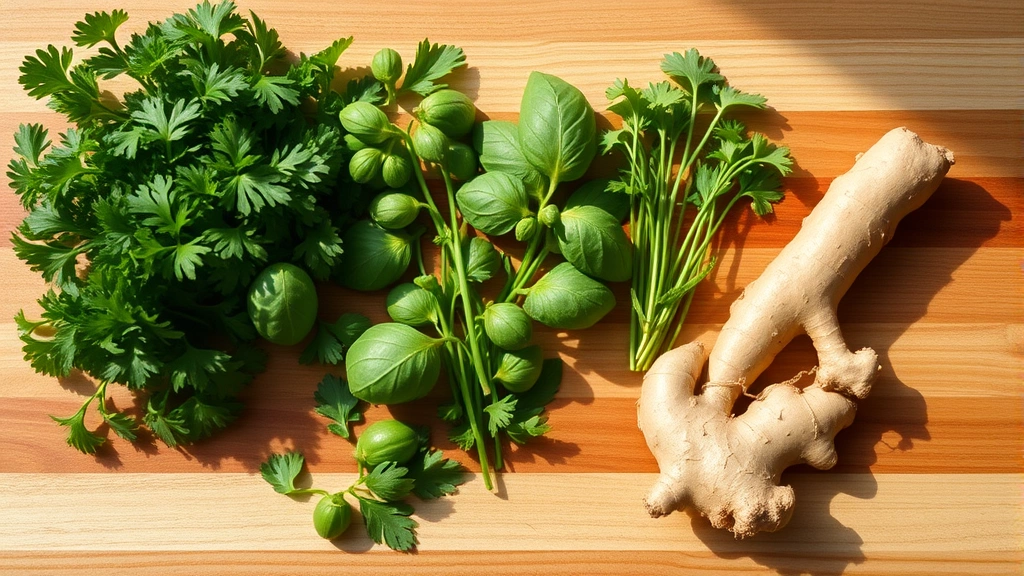
- Parsley: Rich in vitamins and minerals, plain parsley can freshen your dog’s breath and add nutritional value to their meals. Just avoid the toxic variety called spring parsley in excessive amounts.
- Basil: When exploring can dogs have basil, you’ll discover this herb is actually safe for dogs in small amounts. It contains beneficial antioxidants and anti-inflammatory properties.
- Turmeric: This golden spice has anti-inflammatory properties and is increasingly recommended by veterinarians for joint health and overall wellness in dogs.
- Ginger: Small amounts of fresh ginger can help with digestive issues and nausea, making it a practical choice for many dogs.
- Pumpkin: While technically a vegetable rather than an herb, pumpkin is incredibly beneficial for digestive health and widely recommended by vets.
When introducing any new herb or food to your dog’s diet, do so gradually and in small amounts. Watch for any signs of digestive upset or allergic reactions. If your dog has any existing health conditions or takes medications, consult your veterinarian before adding new herbs to their diet.
You might also want to explore whether can dogs have peppermint as another alternative option. Understanding the full spectrum of safe and unsafe herbs helps you make the best choices for your dog’s nutrition and wellbeing.
How to Keep Sage Away From Your Dog
Prevention is always better than treatment when it comes to keeping your dog safe from potentially harmful substances. If you use sage regularly in your cooking or maintain an herb garden, implementing some practical strategies can minimize the risk of accidental exposure.
Garden Safety: If you grow sage in your garden or have potted sage plants in your home, consider designating a dog-free zone where your herbs are located. Use fencing or barriers to prevent your dog from accessing these plants. Even though accidental nibbling of a single leaf is unlikely to cause serious harm, prevention is still the best approach.
Kitchen Precautions: When cooking with sage, keep your dog out of the kitchen during meal preparation. Store dried sage and fresh sage in sealed containers on high shelves where your dog cannot access them. Never leave sage-containing dishes unattended where your curious pup might investigate.
Trash Management: Dogs are notorious for getting into the garbage! If you’re discarding sage stems or leaves, make sure they’re securely disposed of where your dog cannot retrieve them. Use a covered trash can or dispose of plant material in a compost bin that’s inaccessible to your pet.
Guest Awareness: If visitors or family members come to your home, let them know about your dog’s dietary restrictions. Well-meaning guests might try to share food containing sage without realizing it could be problematic for your pup.
Herbal Supplements: Be cautious about herbal supplements or natural pet products that might contain sage as an ingredient. Always read labels carefully and consult your veterinarian before giving your dog any new supplements or products, even those marketed as “natural” or “herbal.”
The American Kennel Club provides excellent resources on dog safety and nutrition. Their website includes comprehensive lists of foods and substances to avoid, which can serve as a helpful reference guide for all dog owners.
Frequently Asked Questions
Is sage essential oil safe for dogs?
No, sage essential oil is definitely not safe for dogs. Essential oils are highly concentrated versions of the herb, containing much higher levels of thujone and other compounds that can be toxic to dogs. Never apply sage essential oil to your dog’s skin, fur, or food, and avoid using it in diffusers in your home if you have a dog. If your dog has ingested or been exposed to sage essential oil, contact your veterinarian or ASPCA Poison Control immediately.
What if my dog ate a small amount of sage from my cooking?
If your dog ate a tiny piece or licked a plate with a small amount of sage seasoning, chances are they’ll be fine. Most dogs won’t experience serious symptoms from minimal exposure. However, monitor your dog closely for the next 24 hours for any signs of gastrointestinal upset, lethargy, or unusual behavior. If symptoms develop or you’re concerned, contact your veterinarian for guidance.
Can dogs have sage tea?
No, sage tea should not be given to dogs. The brewing process concentrates the active compounds in sage, making it more potent and potentially more problematic for your dog. Even small amounts of sage tea could cause digestive upset or other adverse effects. Stick to plain water as the best beverage for your dog.
How much sage is toxic to dogs?
There isn’t a specific established toxic dose of sage for dogs, as toxicity depends on multiple factors including your dog’s size, age, health status, and the form of sage (fresh vs. dried vs. essential oil). However, veterinarians generally recommend avoiding sage altogether rather than trying to determine a “safe” amount. When in doubt, consult your vet about your specific dog’s situation.
Are all types of sage unsafe for dogs?
While garden sage is the most common culinary variety, there are other sage species that may have varying levels of risk. However, the safest approach is to assume all sage varieties should be kept away from dogs. If your dog has been exposed to a specific type of sage and you’re concerned, contact your veterinarian with details about the variety.
What should I do if my dog consumed a large amount of sage?
If your dog has consumed a significant quantity of sage—such as eating a large portion of a fresh plant or ingesting sage essential oil—contact your veterinarian or an emergency animal poison control center immediately. Contact the ASPCA Animal Poison Control Center at (888) 426-4435 for immediate guidance. They can provide specific recommendations based on your dog’s size and the amount consumed.
Can I give my dog sage as a natural flea treatment?
No, sage should not be used as a flea treatment for dogs, despite some folk remedies suggesting otherwise. Not only is it ineffective for flea prevention, but it could also be harmful to your dog. Instead, consult your veterinarian about safe, proven flea prevention methods that are specifically designed for dogs.
Is there any benefit to giving dogs sage?
There are no established health benefits to giving your dog sage, and the potential risks far outweigh any theoretical advantages. Your dog receives all the nutrients they need from a balanced, veterinarian-approved diet. If you’re looking to add nutritional value to your dog’s meals, discuss options with your vet rather than experimenting with herbs like sage.





